
JLPT N5: Kahulugan ng mga salita - Unsolved

Alamin ang kahulugan ng 665 salita sa JLPT N5 sa Filipino sa pamamagitan ng mga tanong na may apat na pagpipilian.
-
tiyan
-
sa susunod na buwan
-
tao
-
umuwi
-
magsuot ng damit
-
kopyahin
- 「履く」「穿く」などと書く。下半身に着ける衣類・履物について用いる。
- 連用形「はい」は「て・た」接続で現れる音便形。
-
paa / binti
-
tubig
-
itim
-
kape
-
mesa
-
prutas
-
paglalakad-lakad
-
hangin
-
nakababatang kapatid na lalaki
-
makapal
-
kawili-wili / nakakatawa
-
madali
- 「危ない」のかな表記。形容詞「あぶない」の標準的な活用。
- 連用形「あぶなかっ」は主に過去・完了の助動詞「た」などに接続する形。
- 「あぶのうて」は音便的・方言的/古風な形として扱う。
-
tumayo
-
lumiwanag ang panahon
-
ibalik
-
problema / tanong
-
alak / alak na bigas
-
puno / kahoy
-
pampainit
-
estasyon
-
dalawang taon na ang nakalipas
-
toyo
-
pagligo
-
tsinelas
店
tindahan
店
tindahan
Explanation
店
tindahan
店
tindahan / bilihan / gusaling pangkalakalan

( romanization )
( hiragana historical )
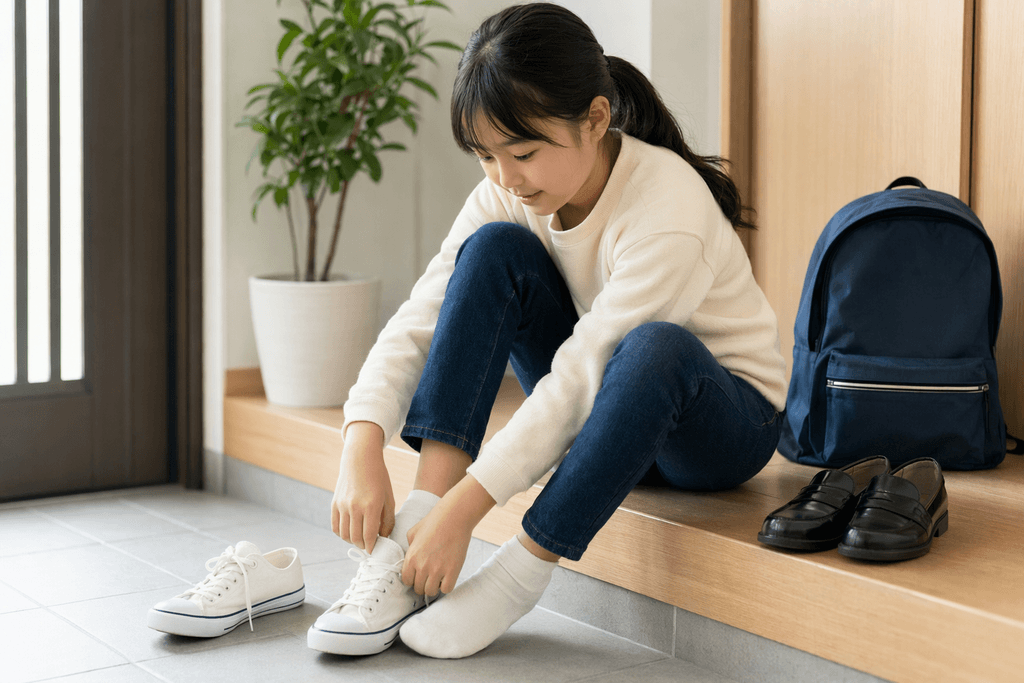
はく
magsuot ng pantalon / magsuot ng sapatos
はく
magsuot ng pantalon / magsuot ng sapatos
Explanation
magsuot ng pantalon / magsuot ng sapatos
はく
magsuot ng pantalon/palda, medyas o sapatos / isuot ang pang-ibaba o sapin sa paa
Word Forms
The basic and commonly used forms of this verb.
Basic forms
| Form | Word form | Usage |
|---|---|---|
| Imperfective form (mizenkei) |
Alternative:
はこ
|
Connects to endings such as nai, reru, and seru. |
| Continuative form (renyokei) |
Alternative:
はい
|
Connects to endings such as masu, tai, and ta. |
| Conclusive form (shushikei) | Ends a sentence and serves as the dictionary form. | |
| Attributive form (rentaikei) | Modifies a noun. | |
| Conditional form (kateikei) | Combines with ba to express a condition. | |
| Imperative form (meireikei) | Expresses a command or instruction. |
Common forms
| Form | Word form | Usage |
|---|---|---|
| Te-form | Connects clauses with te. | |
| Ta-form | Expresses the past with ta. | |
| Nai-form | Expresses negation with nai. | |
| Masu-form | Used for polite speech. | |
| Ba-form | Expresses a condition with ba. | |
| Volitional form | Expresses intention or invitation. |
Notes
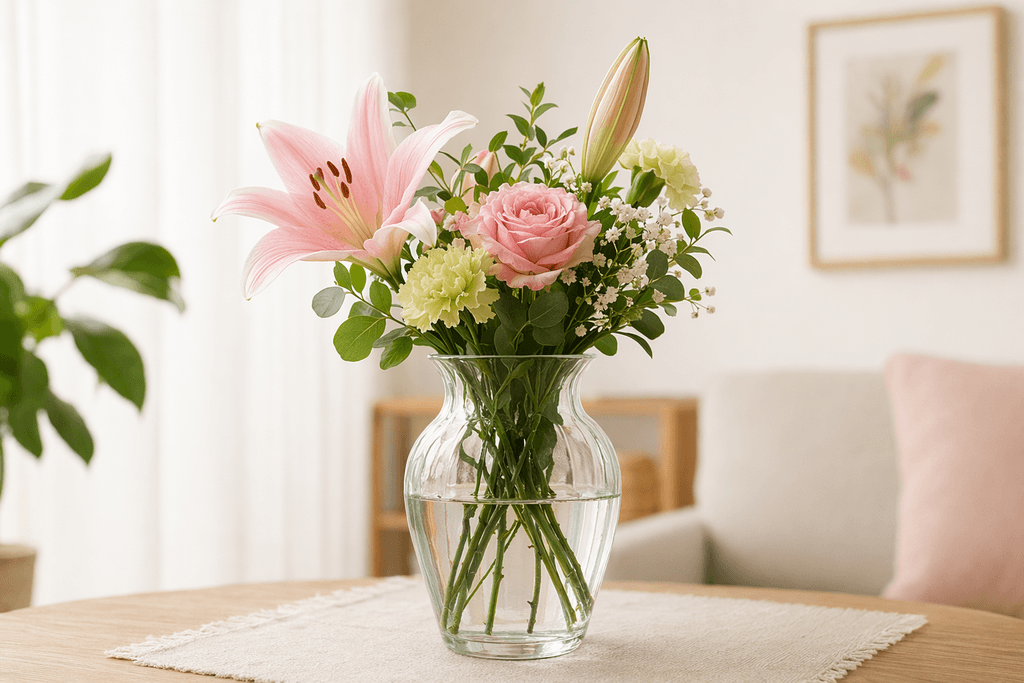
花瓶
plorera
花瓶
plorera
Explanation
花瓶
plorera
花瓶
plorera / lalagyan ng bulaklak / sisidlan ng bulaklak
( Base form )
( romanization )
( romanization )
( hiragana historical )
( hiragana )
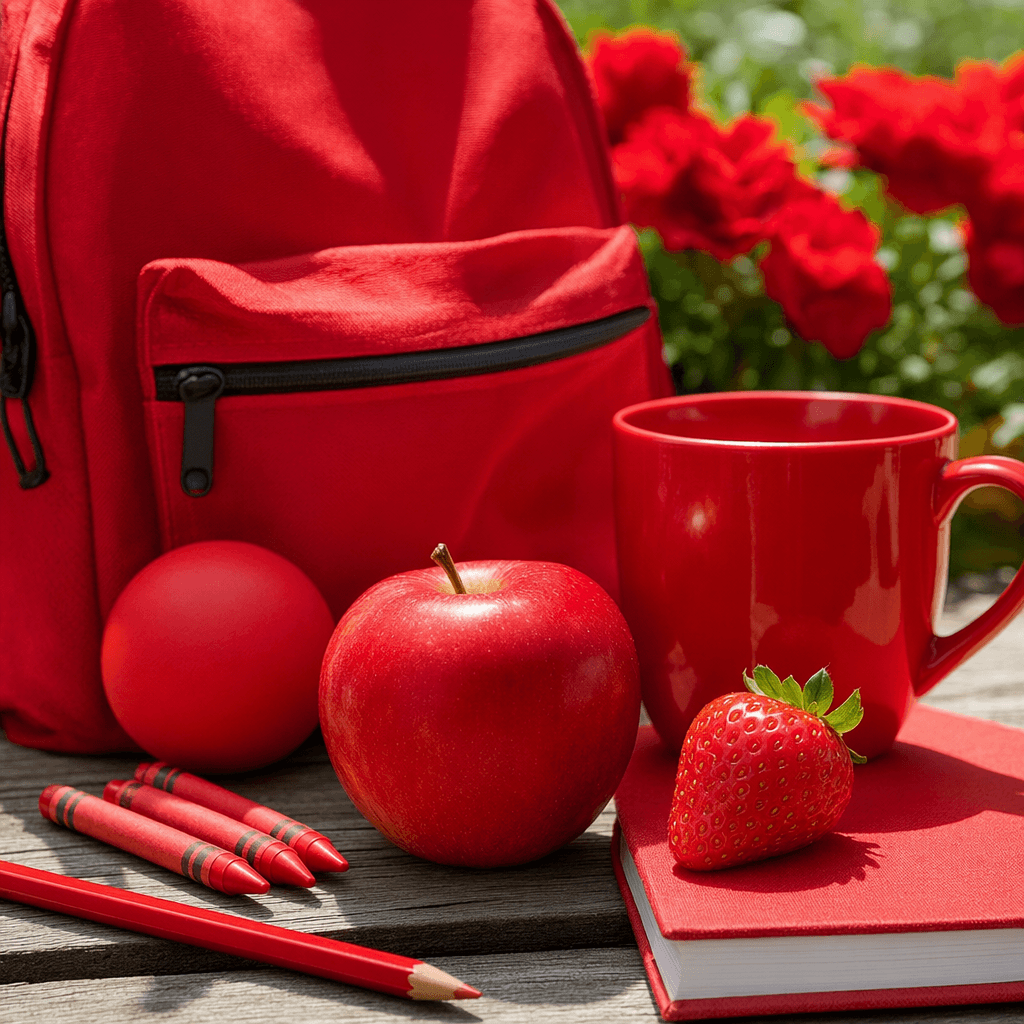
あか
pula
あか
pula
Explanation
pula
あか
kulay pula / iskarlata / karmesin
( Base form )
( Base form )
( romanization )
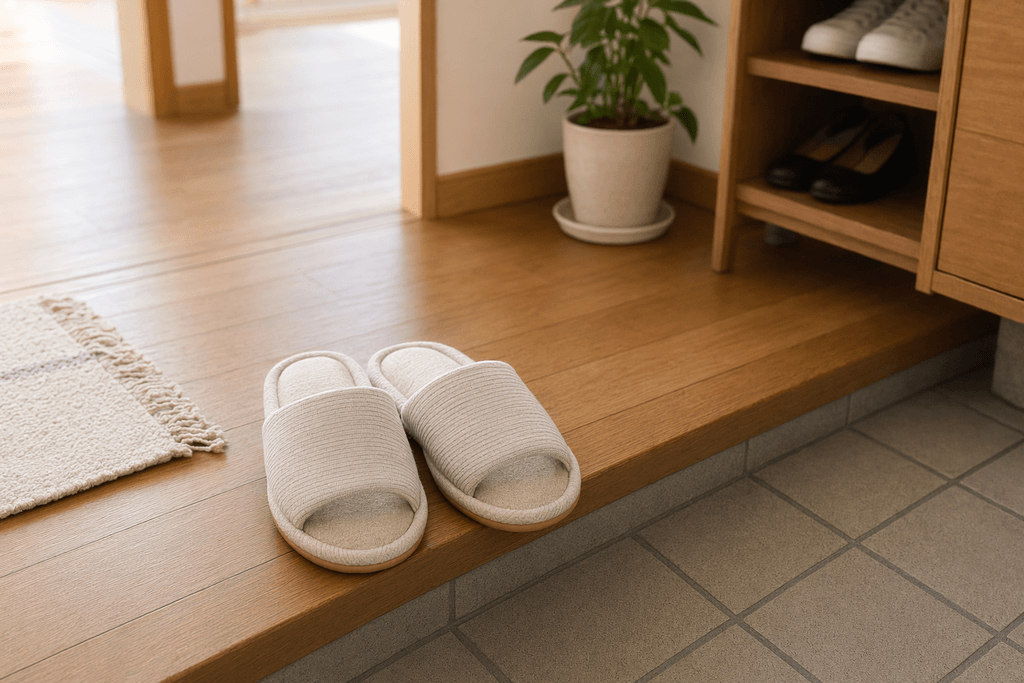
スリッパ
tsinelas
スリッパ
tsinelas
Explanation
tsinelas
スリッパ
tsinelas pangbahay / sapatos na pambahay na mababa at magaan / panyapak na isinusuot sa loob ng bahay
( romanization )
あぶない
mapanganib
あぶない
mapanganib
Explanation
mapanganib
あぶない
mapanganib / alanganin / nasa bingit

Word Forms
The basic and commonly used forms of this adjective.
Basic forms
| Form | Word form | Usage |
|---|---|---|
| Imperfective form (mizenkei) | Used in forms such as karou; mainly literary. | |
| Continuative form (renyokei) |
Alternative:
あぶなかっ
|
Used in forms such as kute and kunai. |
| Conclusive form (shushikei) | Ends a sentence. | |
| Attributive form (rentaikei) | Modifies a noun. | |
| Conditional form (kateikei) | Expresses a condition with kereba. | |
| Imperative form (meireikei) | Rarely used in modern Japanese. |
Common forms
| Form | Word form | Usage |
|---|---|---|
| Te-form |
Alternative:
あぶのうて
|
Connects clauses with kute. |
| Ta-form | Expresses the past with katta. | |
| Nai-form | Expresses negation with kunai. | |
| Ba-form |
Alternative:
あぶなきゃ
|
Expresses a condition with kereba. |
Notes
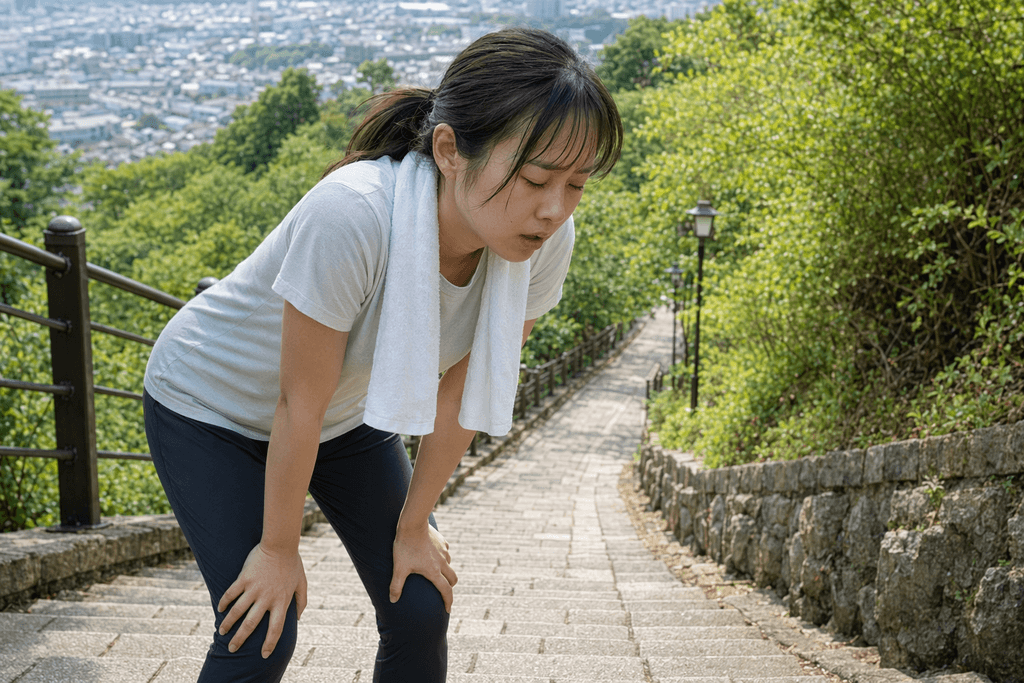
疲れる
mapagod
疲れる
mapagod
Explanation
疲れる
mapagod
疲れる
mapagod / maubos ang lakas
Word Forms
The basic and commonly used forms of this verb.
Basic forms
| Form | Word form | Usage |
|---|---|---|
| Imperfective form (mizenkei) | Connects to endings such as nai, reru, and seru. | |
| Continuative form (renyokei) | Connects to endings such as masu, tai, and ta. | |
| Conclusive form (shushikei) | Ends a sentence and serves as the dictionary form. | |
| Attributive form (rentaikei) | Modifies a noun. | |
| Conditional form (kateikei) | Combines with ba to express a condition. | |
| Imperative form (meireikei) |
Alternative:
疲れよ
|
Expresses a command or instruction. |
Common forms
コーヒー
kape
コーヒー
kape
Explanation
kape
コーヒー
kape / ininom na gawa sa pinakulong giniling na butil ng kape

( romanization )
二十日
dalawampung araw / ika-20 ng buwan
二十日
dalawampung araw / ika-20 ng buwan
Explanation
二十日
dalawampung araw / ika-20 ng buwan
二十日
ika-20 ng buwan / dalawampung araw / bubuwit

( Base form )
( romanization )
( hiragana )
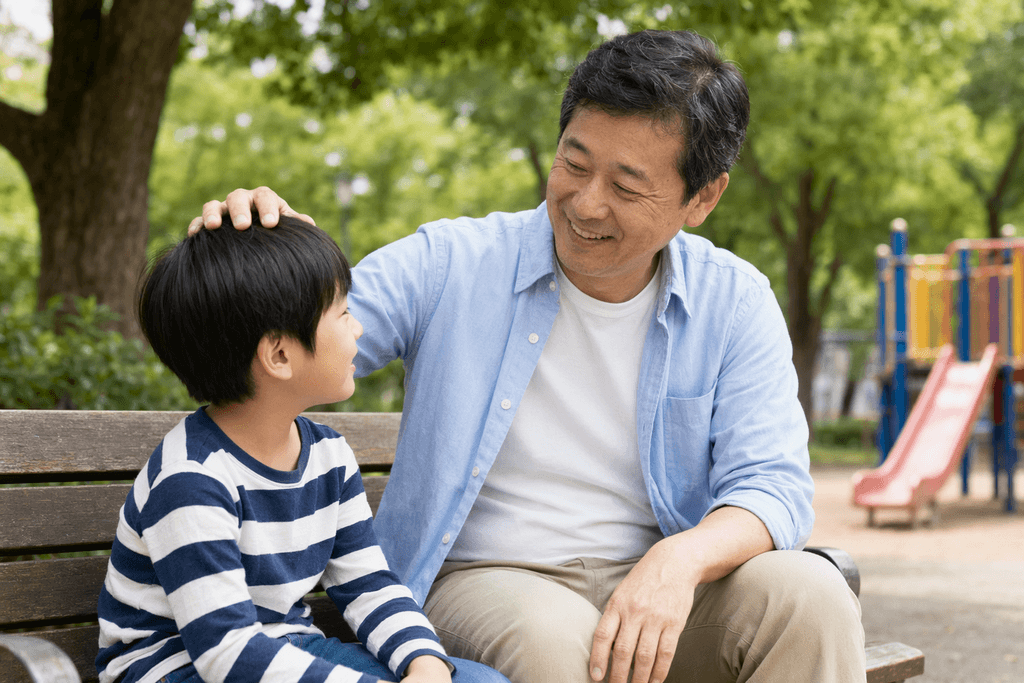
おじさん
tiyo / lalaking nasa gitnang edad
おじさん
tiyo / lalaking nasa gitnang edad
Explanation
tiyo / lalaking nasa gitnang edad
おじさん
tito / tiyuhin / lalaking nasa gitnang edad
Loading...

JLPT N5 多言語単語帳・665語 / JLPT N5 Multilingual Vocabulary: 665 Words

Jonathan Waller 氏の JLPT Resources の語彙リスト・レベル分類を出典とし、CC BY の条件に従って DiQt が初級向けに意味を作り直した665語の単語帳です。JLPT公式の語彙リストではありません。
This collection of 665 words is based on the vocabulary list and level classifications in Jonathan Waller’s JLPT Resources under CC BY, with meanings rewritten by DiQt for beginners. It is not an official JLPT vocabulary list.
Key Operations
Select the first quiz:
Ctrl + Enter
View Explanation:Ctrl + G
Close a feedback:Esc
When selecting a quiz
Answer:Enter
Select a choice:↓ or ↑
Reading out the question:Ctrl + K
View Hint: Ctrl + M
I don't know: Ctrl + Y



