
JLPT N1: Trắc nghiệm nghĩa từ - Unsolved

Học nghĩa tiếng Việt của 3032 từ JLPT N1 qua các câu hỏi có bốn lựa chọn.
-
tổ chức / cảm thấy muốn
-
đóng vào / chuyên tâm
-
nghịch / tự tiện chỉnh sửa
-
sứ mệnh
-
má
-
người Ả Rập
-
cách nói uyển chuyển
-
việc tự sát cùng nhau
-
việc nghỉ việc
-
kết hợp / ghép cho khớp
-
nảy / trở nên sôi nổi
-
làm khổ
- 「寄越す」の表記異形。
-
liên lạc vô tuyến
-
tiếp tế
-
ngành kỹ thuật
-
rủ xuống / nhỏ giọt
-
bắt tay giải quyết
-
hoảng sợ
-
vũ khí
-
đèn / đường dốc
-
xử lý khẩn cấp
-
độ nghiêng
-
đồ đi mưa
-
hiệp ước
-
sự sa sút
-
điểm xuất phát / sự phát hành hối phiếu
-
tiến triển / thời gian trôi qua
-
nhà sư
-
phúc lợi
-
sự truy cứu
放り出す
quăng ra / bỏ dở
放り出す
quăng ra / bỏ dở
Explanation
放り出す
quăng ra / bỏ dở
放り出す
ném, vứt ra ngoài / đuổi ra / bỏ dở, bỏ mặc

Word Forms
The basic and commonly used forms of this verb.
Basic forms
| Form | Word form | Usage |
|---|---|---|
| Imperfective form (mizenkei) |
Alternative:
放り出そ
|
Connects to endings such as nai, reru, and seru. |
| Continuative form (renyokei) | Connects to endings such as masu, tai, and ta. | |
| Conclusive form (shushikei) | Ends a sentence and serves as the dictionary form. | |
| Attributive form (rentaikei) | Modifies a noun. | |
| Conditional form (kateikei) | Combines with ba to express a condition. | |
| Imperative form (meireikei) | Expresses a command or instruction. |
Common forms
読者
độc giả
読者
độc giả
Explanation
読者
độc giả
読者
độc giả / người đọc ấn phẩm

( Base form )
( romanization )
( hiragana )
寒気
khí lạnh
寒気
khí lạnh
Explanation
寒気
khí lạnh
寒気
khối khí lạnh / không khí lạnh
Do ảnh hưởng của không khí lạnh trên cao tràn vào khiến trạng thái khí quyển trở nên cực kỳ bất ổn, nhiều nơi liên tiếp xảy ra những trận mưa lớn cục bộ.

( Base form )
( romanization )
( kyūjitai )
( hiragana )
寄こす
gửi đến cho mình
寄こす
gửi đến cho mình
Explanation
寄こす
gửi đến cho mình
寄こす
gửi, chuyển (đến) / trao, đưa (cho ai) / cử, phái (ai) đến
Cứ mỗi lần xảy ra vấn đề, anh ta lại chỉ gửi giấy tờ sang mà chẳng thèm hỏi han hoàn cảnh bên này, nên làm sao mà câu chuyện có thể tiến triển được.

Word Forms
The basic and commonly used forms of this verb.
Basic forms
| Form | Word form | Usage |
|---|---|---|
| Imperfective form (mizenkei) |
Alternative:
寄こそ
|
Connects to endings such as nai, reru, and seru. |
| Continuative form (renyokei) | Connects to endings such as masu, tai, and ta. | |
| Conclusive form (shushikei) | Ends a sentence and serves as the dictionary form. | |
| Attributive form (rentaikei) | Modifies a noun. | |
| Conditional form (kateikei) | Combines with ba to express a condition. | |
| Imperative form (meireikei) | Expresses a command or instruction. |
Common forms
| Form | Word form | Usage |
|---|---|---|
| Te-form | Connects clauses with te. | |
| Ta-form | Expresses the past with ta. | |
| Nai-form | Expresses negation with nai. | |
| Masu-form | Used for polite speech. | |
| Ba-form | Expresses a condition with ba. | |
| Volitional form | Expresses intention or invitation. |
Notes
訴訟
vụ kiện
訴訟
vụ kiện
Explanation
訴訟
vụ kiện
訴訟
vụ kiện / kiện tụng / tranh tụng

( Base form )
( romanization )
( hiragana )
さえずる
hót
さえずる
hót
Explanation
hót
さえずる
(chim) hót líu lo, véo von / (chim) ríu rít, chiêm chiếp / (người) líu lo, nói huyên thuyên
Trước bình minh, dù khu rừng vẫn còn chìm trong bóng tối lờ mờ, bầy chim đã đồng loạt bắt đầu hót vang, chỉ có những suy nghĩ không sao ngủ được của tôi bị bỏ lại phía sau.

Word Forms
The basic and commonly used forms of this verb.
Basic forms
| Form | Word form | Usage |
|---|---|---|
| Imperfective form (mizenkei) |
Alternative:
さえずろ
|
Connects to endings such as nai, reru, and seru. |
| Continuative form (renyokei) | Connects to endings such as masu, tai, and ta. | |
| Conclusive form (shushikei) | Ends a sentence and serves as the dictionary form. | |
| Attributive form (rentaikei) | Modifies a noun. | |
| Conditional form (kateikei) | Combines with ba to express a condition. | |
| Imperative form (meireikei) | Expresses a command or instruction. |
Common forms
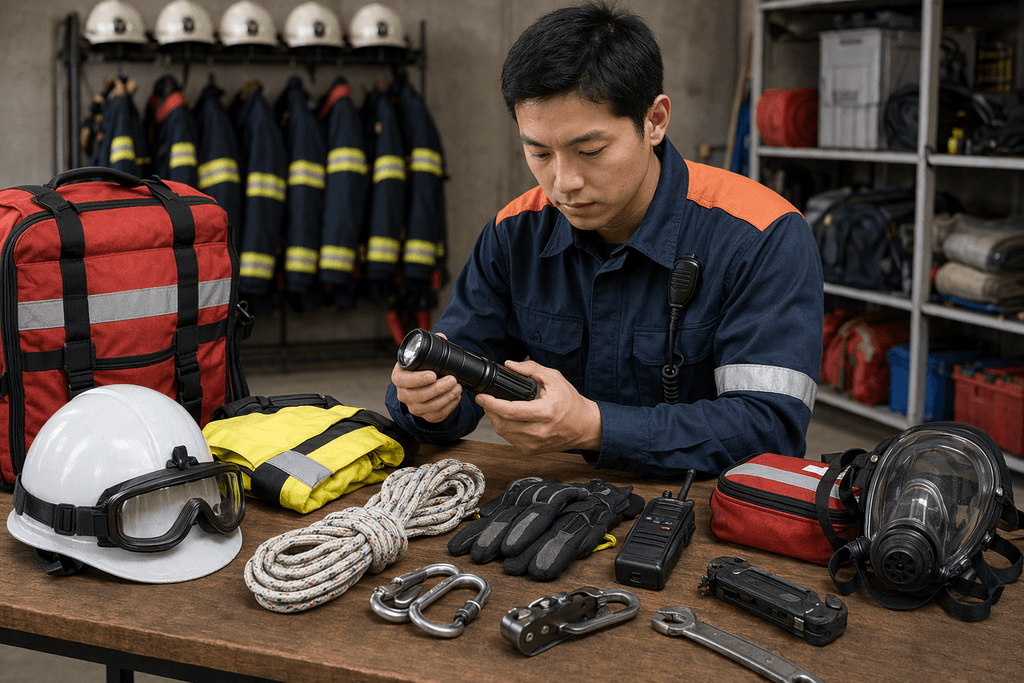
装備
trang thiết bị
装備
trang thiết bị
Explanation
装備
trang thiết bị
装備
trang bị; thiết bị / đồ trang bị (vũ khí, giáp trong trò chơi hoặc quân sự) / sự trang bị
( Base form )
( romanization )
( romanization )
( kyūjitai )
( hiragana historical )
( hiragana )
決行
kiên quyết thực hiện
決行
kiên quyết thực hiện
Explanation
決行
kiên quyết thực hiện
決行
sự tiến hành như đã quyết định / sự thực hiện (kế hoạch/điều đã định) / thi hành dứt khoát

( Base form )
( romanization )
( hiragana )
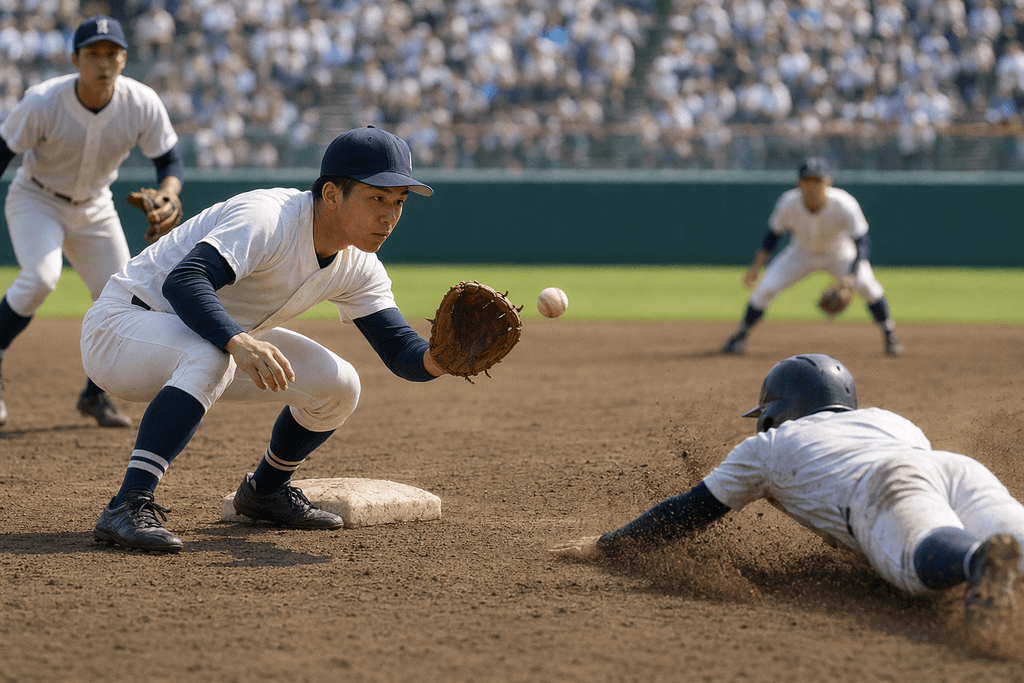
守備
sự phòng thủ
守備
sự phòng thủ
Explanation
守備
sự phòng thủ
守備
phòng thủ / bảo vệ / phòng ngự (trong thể thao)
Huấn luyện viên ưu tiên tổ chức phòng ngự hơn là tăng cường sức tấn công, và quán triệt chiến thuật phong tỏa từ trước các đợt phản công của đối thủ.
( Base form )
( romanization )
( hiragana )
比例
sự tỷ lệ thuận
比例
sự tỷ lệ thuận
Explanation
比例
sự tỷ lệ thuận
比例
tỉ lệ / tỉ lệ thuận
Doanh số bán hàng không nhất thiết phải tỷ lệ thuận với chi phí quảng cáo; Họ cũng bị ảnh hưởng bởi niềm tin vào thương hiệu và sự trưởng thành của thị trường.

( Base form )
( romanization )
( hiragana )
Loading...

JLPT N1 多言語単語帳・3032語 / JLPT N1 Multilingual Vocabulary: 3032 Words

Jonathan Waller 氏の JLPT Resources の語彙リスト・レベル分類を出典とし、CC BY の条件に従って DiQt が学習者向けに意味を作り直した3032語の単語帳です。JLPT公式の語彙リストではありません。
This collection of 3032 words is based on the vocabulary list and level classifications in Jonathan Waller’s JLPT Resources under CC BY, with meanings rewritten by DiQt for learners. It is not an official JLPT vocabulary list.
Key Operations
Select the first quiz:
Ctrl + Enter
View Explanation:Ctrl + G
Close a feedback:Esc
When selecting a quiz
Answer:Enter
Select a choice:↓ or ↑
Reading out the question:Ctrl + K
View Hint: Ctrl + M
I don't know: Ctrl + Y



