
JLPT N1: Trắc nghiệm nghĩa từ - Unsolved

Học nghĩa tiếng Việt của 3032 từ JLPT N1 qua các câu hỏi có bốn lựa chọn.
-
quân sự
-
vườn / đồn điền
-
sự rơi vỡ
-
sự kiên trì
-
sinh nhật sáu mươi
-
lời nịnh
-
gửi đến cho mình
-
chuyên tâm
-
diệt vong
-
sự tham khảo
-
thứ bậc cao hơn
-
hạt nhân / cốt lõi
-
tham lam
-
đã lâu
-
to lớn
- 読み: ふさわしい
-
sinh con / đẻ trứng
-
đưa mắt nhìn nhau / tạm hoãn
-
suy yếu / khó xử
- 「しまくる」は「(動詞連用形)+まくる」として用いられる五段活用(ラ行)の動詞です。
-
nét
-
đội hậu vệ
-
điểm thiếu sót
-
đáng kinh ngạc
-
khó
-
thú vị / vui nhộn
- 「何気無い」は主に表記上の異形。
- 命令形「何気なかれ」は現代語では稀。
-
đóng vào / chuyên tâm
-
nghịch / tự tiện chỉnh sửa
-
làm dịu
-
đọc diễn cảm
-
sự tiêu diệt hoàn toàn
-
món tráng miệng
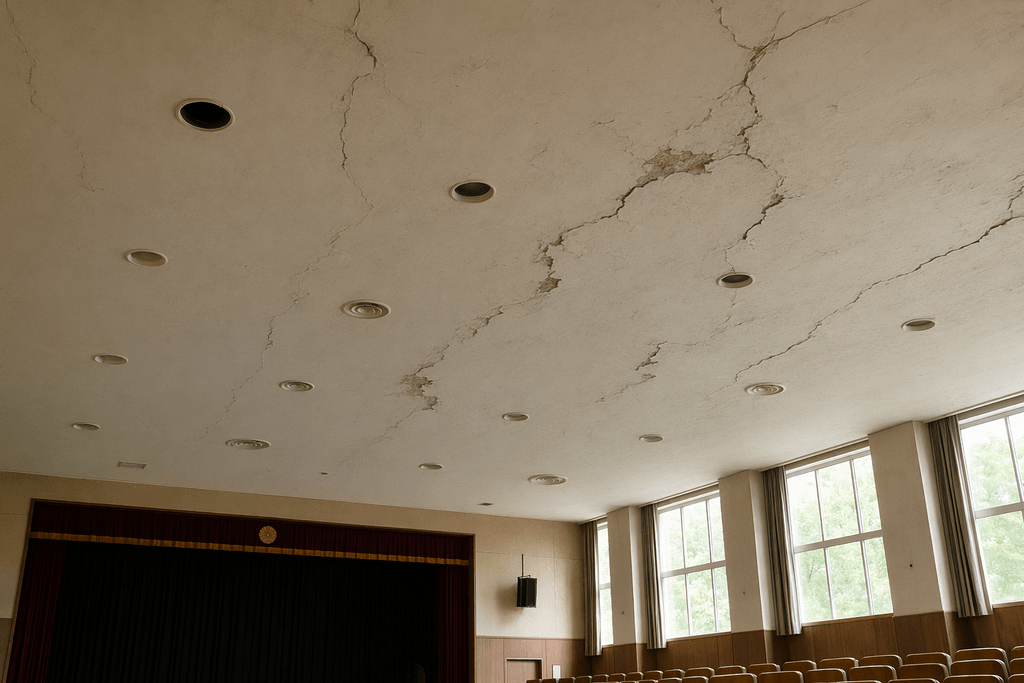
天井
trần nhà
天井
trần nhà
Explanation
天井
trần nhà
天井
trần nhà / mức trần (giới hạn trên)
( Base form )
( romanization )
( romanization )
( hiragana historical )
( hiragana )
閉口
cứng họng / chán ngán
閉口
cứng họng / chán ngán
Explanation
閉口
cứng họng / chán ngán
閉口
câm nín / không nói nên lời / cạn lời

染まる
nhuốm màu
染まる
nhuốm màu
Explanation
染まる
nhuốm màu
染まる
bị nhuộm, lên màu / bị nhuốm bẩn, vấy bẩn / bị ảnh hưởng (thường theo hướng xấu)

Word Forms
The basic and commonly used forms of this verb.
Basic forms
| Form | Word form | Usage |
|---|---|---|
| Imperfective form (mizenkei) |
Alternative:
染まろ
|
Connects to endings such as nai, reru, and seru. |
| Continuative form (renyokei) | Connects to endings such as masu, tai, and ta. | |
| Conclusive form (shushikei) | Ends a sentence and serves as the dictionary form. | |
| Attributive form (rentaikei) | Modifies a noun. | |
| Conditional form (kateikei) | Combines with ba to express a condition. | |
| Imperative form (meireikei) | Expresses a command or instruction. |
Common forms
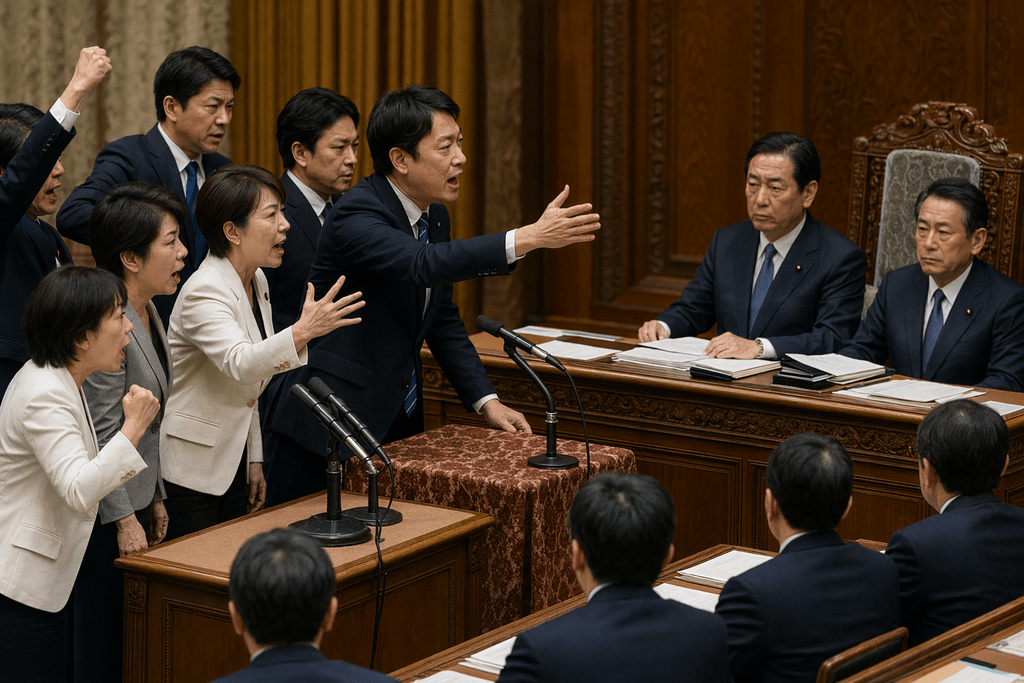
野党
đảng đối lập
野党
đảng đối lập
Explanation
野党
đảng đối lập
野党
đảng đối lập / phe đối lập / đảng không cầm quyền
Trong khi đảng cầm quyền vội vàng thúc đẩy việc bỏ phiếu thông qua dự luật, phe đối lập vẫn không từ bỏ lập trường chiến đấu đến cùng, tận dụng những thiếu sót trong quá trình thẩm tra.
( Base form )
( romanization )
( hiragana )
相応しい
xứng đáng
相応しい
xứng đáng
Explanation
相応しい
xứng đáng
相応しい
phù hợp / thích hợp / xứng đáng

Word Forms
The basic and commonly used forms of this adjective.
Basic forms
| Form | Word form | Usage |
|---|---|---|
| Imperfective form (mizenkei) | Used in forms such as karou; mainly literary. | |
| Continuative form (renyokei) |
Alternative:
相応しかっ
|
Used in forms such as kute and kunai. |
| Conclusive form (shushikei) | Ends a sentence. | |
| Attributive form (rentaikei) | Modifies a noun. | |
| Conditional form (kateikei) | Expresses a condition with kereba. | |
| Imperative form (meireikei) | Rarely used in modern Japanese. |
Common forms
| Form | Word form | Usage |
|---|---|---|
| Te-form | Connects clauses with kute. | |
| Ta-form | Expresses the past with katta. | |
| Nai-form | Expresses negation with kunai. | |
| Ba-form | Expresses a condition with kereba. |
Notes
しまくる
làm không ngừng
しまくる
làm không ngừng
Explanation
làm không ngừng
しまくる
làm (gì) liên tục, không ngừng / làm (gì) hăng say, tới tấp / làm (gì) quá đà, như điên
Khi thời hạn đến gần, ông đọc các nghiên cứu trước đó, thêm chú thích và không ngừng kiểm tra các giả thuyết của mình để phát hiện ra những sai sót trong bài báo của mình.

Word Forms
The basic and commonly used forms of this verb.
Basic forms
| Form | Word form | Usage |
|---|---|---|
| Imperfective form (mizenkei) |
Alternative:
し捲ら
|
Connects to endings such as nai, reru, and seru. |
| Continuative form (renyokei) |
Alternative:
し捲り
|
Connects to endings such as masu, tai, and ta. |
| Conclusive form (shushikei) |
Alternative:
し捲る
|
Ends a sentence and serves as the dictionary form. |
| Attributive form (rentaikei) |
Alternative:
し捲る
|
Modifies a noun. |
| Conditional form (kateikei) |
Alternative:
し捲れ
|
Combines with ba to express a condition. |
| Imperative form (meireikei) |
Alternative:
し捲れ
|
Expresses a command or instruction. |
Common forms
| Form | Word form | Usage |
|---|---|---|
| Te-form |
Alternative:
し捲って
|
Connects clauses with te. |
| Ta-form |
Alternative:
し捲った
|
Expresses the past with ta. |
| Nai-form |
Alternative:
し捲らない
|
Expresses negation with nai. |
| Masu-form |
Alternative:
し捲ります
|
Used for polite speech. |
| Ba-form |
Alternative:
し捲れば
|
Expresses a condition with ba. |
| Volitional form |
Alternative:
し捲ろう
|
Expresses intention or invitation. |
Notes
開催
việc tổ chức sự kiện
開催
việc tổ chức sự kiện
Explanation
開催
việc tổ chức sự kiện
開催
sự tổ chức (hội nghị, sự kiện) / việc mở/diễn ra (một sự kiện)
Mặc dù bị hạn chế về ngân sách, chúng tôi vẫn quyết định tổ chức hội thảo chuyên đề quốc tế, mời các nhà nghiên cứu từ nhiều quốc gia đến để đào sâu thảo luận.

( Base form )
( romanization )
( hiragana )
何気ない
thản nhiên
何気ない
thản nhiên
Explanation
何気ない
thản nhiên
何気ない
vô tình; không chủ ý; tình cờ / thờ ơ; dửng dưng; không bận tâm / vô tâm; thiếu suy nghĩ

Word Forms
The basic and commonly used forms of this adjective.
Basic forms
| Form | Word form | Usage |
|---|---|---|
| Imperfective form (mizenkei) |
Alternative:
何げなかろ
|
Used in forms such as karou; mainly literary. |
| Continuative form (renyokei) |
Alternative:
何げなく
|
Used in forms such as kute and kunai. |
| Conclusive form (shushikei) |
Alternative:
何げない
何気無い
|
Ends a sentence. |
| Attributive form (rentaikei) |
Alternative:
何げない
何気無い
|
Modifies a noun. |
| Conditional form (kateikei) |
Alternative:
何げなけれ
|
Expresses a condition with kereba. |
| Imperative form (meireikei) |
Alternative:
何げなかれ
|
Rarely used in modern Japanese. |
Common forms
| Form | Word form | Usage |
|---|---|---|
| Te-form |
Alternative:
何げなくて
|
Connects clauses with kute. |
| Ta-form |
Alternative:
何げなかった
|
Expresses the past with katta. |
| Nai-form |
Alternative:
何げなくない
|
Expresses negation with kunai. |
| Ba-form |
Alternative:
何げなければ
|
Expresses a condition with kereba. |
Notes
養う
nuôi dưỡng / rèn luyện
養う
nuôi dưỡng / rèn luyện
Explanation
養う
nuôi dưỡng / rèn luyện
養う
nuôi dưỡng / chu cấp, duy trì / bồi dưỡng, trau dồi

Word Forms
The basic and commonly used forms of this verb.
Basic forms
| Form | Word form | Usage |
|---|---|---|
| Imperfective form (mizenkei) |
Alternative:
養お
|
Connects to endings such as nai, reru, and seru. |
| Continuative form (renyokei) | Connects to endings such as masu, tai, and ta. | |
| Conclusive form (shushikei) | Ends a sentence and serves as the dictionary form. | |
| Attributive form (rentaikei) | Modifies a noun. | |
| Conditional form (kateikei) | Combines with ba to express a condition. | |
| Imperative form (meireikei) | Expresses a command or instruction. |
Common forms
遠回り
đường vòng
遠回り
đường vòng
Explanation
遠回り
đường vòng
遠回り
đường vòng / sự đi vòng / cách làm vòng vo
Thay vì tìm con đường ngắn nhất dẫn đến thành công, chính những trải nghiệm cố tình đi đường vòng nhiều lần mới là điều sau này đã trở thành niềm tự tin vững chắc.

( Base form )
( romanization )
( romanization )
( hiragana historical )
Loading...

JLPT N1 多言語単語帳・3032語 / JLPT N1 Multilingual Vocabulary: 3032 Words

Jonathan Waller 氏の JLPT Resources の語彙リスト・レベル分類を出典とし、CC BY の条件に従って DiQt が学習者向けに意味を作り直した3032語の単語帳です。JLPT公式の語彙リストではありません。
This collection of 3032 words is based on the vocabulary list and level classifications in Jonathan Waller’s JLPT Resources under CC BY, with meanings rewritten by DiQt for learners. It is not an official JLPT vocabulary list.
Key Operations
Select the first quiz:
Ctrl + Enter
View Explanation:Ctrl + G
Close a feedback:Esc
When selecting a quiz
Answer:Enter
Select a choice:↓ or ↑
Reading out the question:Ctrl + K
View Hint: Ctrl + M
I don't know: Ctrl + Y



