
JLPT N1 ဝေါဟာရအဓိပ္ပာယ် လေ့ကျင့်ခန်း - Unsolved

JLPT N1 စကားလုံး 3032 လုံး၏ မြန်မာအဓိပ္ပာယ်ကို အဖြေရွေးချယ်စရာ လေးခုပါသော မေးခွန်းများဖြင့် လေ့လာပါ။
-
ဆူး / သစ်စူး
-
အငှားကား
-
ငါးဖမ်းလှေ
-
လီဗာခြေနင်း
-
ကလေးမွေးဖွားခြင်း
-
ရုံးလုပ်ငန်းအသုံး
-
ပြားသော / နားလည်လွယ်သော
-
အုံ့မှိုင်းသော / စိတ်အနှောင့်အယှက်ဖြစ်သော
-
သွက်လက်သော
- 口語的なイ形容詞。
-
အရည်အသွေးကောင်းသော
-
အသက်ရှင်ကျန်းမာသော
-
စိတ်အေးလက်အေးဖြစ်သော
-
အကောင်းအဆိုး
-
ကြားဝင်ဆက်သွယ်ပေးမှု
-
တိုက်ပွဲ
-
တစ်ဆင့်ပို့ခြင်း / ခရီးသည်မပါဘဲပြေးဆွဲမှု
-
ကြိုတင်စိတ်ခံစားချက်
-
ပြွန်
-
ကိုယ်ခန္ဓာအင်အား
-
ကောင်းချီး
-
တရားခွင်
-
သစ်ပင်ထိပ်ဖျား
-
သတင်းစာရှင်းလင်းပွဲ / တွေ့ဆုံမှု
-
ကျယ်ပြန့်သောရှုခင်း
-
ကုတ်ခြစ်သည်
-
ကမ်းလှမ်းသည် / တောင်းဆိုသည်
-
ရပ်ဆိုင်းသည်
-
လိမ်ဆွဲသည်
-
တရွတ်ဆွဲသည် / စိတ်ထဲဆက်စွဲနေသည်
-
အလင်းပြန်သည်
同居
အတူနေထိုင်မှု
同居
အတူနေထိုင်မှု
Explanation
同居
အတူနေထိုင်မှု
同居
အတူနေထိုင်ခြင်း / တစ်အိမ်တည်း အတူနေမှု / မိဘများ သို့မဟုတ် မိသားစုနှင့် အတူနေခြင်း
မိဘများကို ပြုစုစောင့်ရှောက်ရမည့်အခြေအနေကို ရှေ့မူမြင်ကာ၊ မောင်နှမတွေ အတူနေရမလား မနေရမလား ဆိုတဲ့ကိစ္စအပေါ် မိသားစုအစည်းအဝေးက ညသန်းခေါင်အထိ တင်းမာစွာ အပြင်းအထန် အငြင်းပွားသွားခဲ့သည်။

( Base form )
( romanization )
( hiragana )
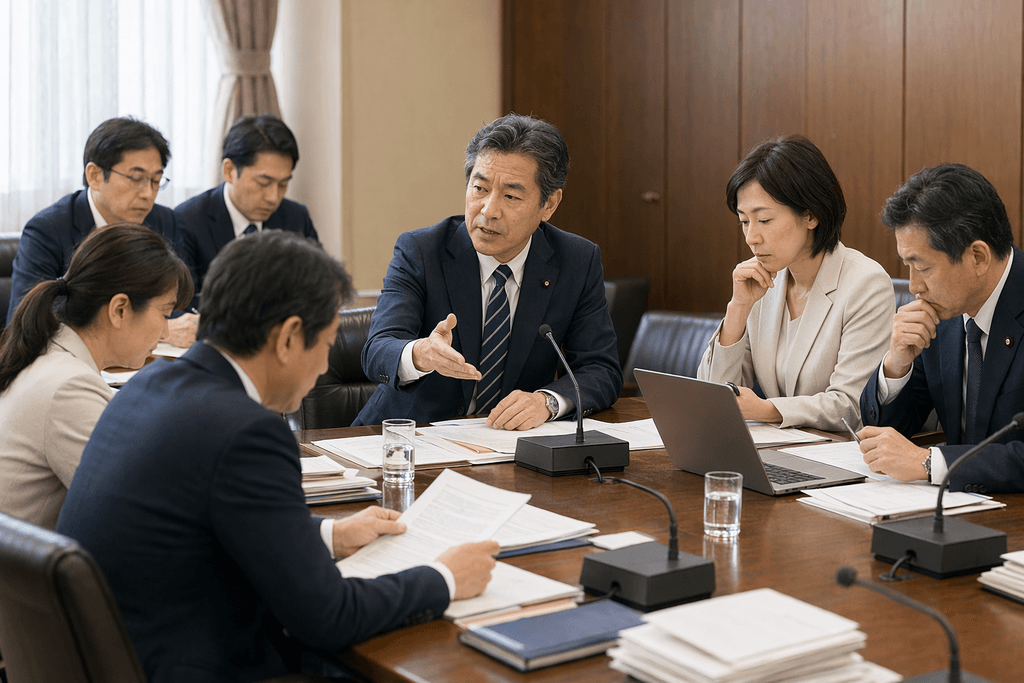
審議
ဆွေးနွေးသုံးသပ်မှု
審議
ဆွေးနွေးသုံးသပ်မှု
Explanation
審議
ဆွေးနွေးသုံးသပ်မှု
審議
တိုင်ပင်ဆွေးနွေးခြင်း / စိစစ်ဆန်းစစ်ခြင်း / စဉ်းစားသုံးသပ်ခြင်း
( Base form )
( romanization )
( hiragana )
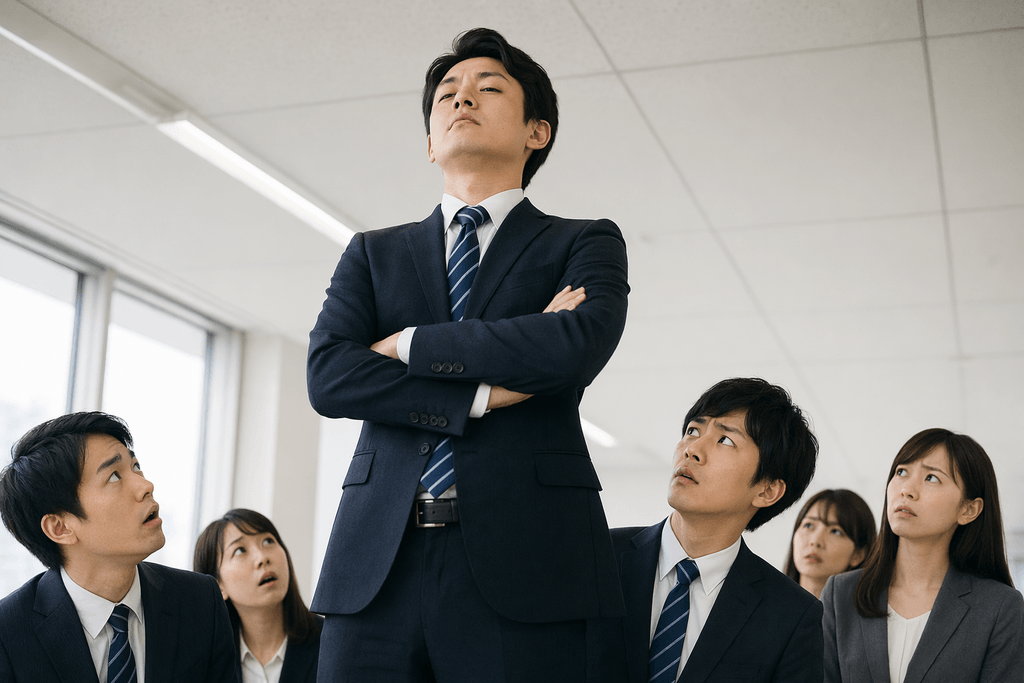
でかい
အလွန်ကြီးမားသော
でかい
အလွန်ကြီးမားသော
Explanation
အလွန်ကြီးမားသော
でかい
ကြီးမားသော / အလွန်ကြီးမားသော / အရွယ်ကြီးသော
Word Forms
The basic and commonly used forms of this adjective.
Basic forms
| Form | Word form | Usage |
|---|---|---|
| Imperfective form (mizenkei) | Used in forms such as karou; mainly literary. | |
| Continuative form (renyokei) |
Alternative:
でかかっ
|
Used in forms such as kute and kunai. |
| Conclusive form (shushikei) | Ends a sentence. | |
| Attributive form (rentaikei) | Modifies a noun. | |
| Conditional form (kateikei) | Expresses a condition with kereba. | |
| Imperative form (meireikei) | Rarely used in modern Japanese. |
Common forms
| Form | Word form | Usage |
|---|---|---|
| Te-form | Connects clauses with kute. | |
| Ta-form | Expresses the past with katta. | |
| Nai-form | Expresses negation with kunai. | |
| Ba-form | Expresses a condition with kereba. | |
| Volitional form | Usage depends on context. |
Notes
簡易
လွယ်ကူရိုးရှင်းသော
簡易
လွယ်ကူရိုးရှင်းသော
Explanation
簡易
လွယ်ကူရိုးရှင်းသော
簡易
ရိုးရှင်းသော / လွယ်ကူသော / မခက်ခဲသော
ဘေးအန္တရာယ် ဖြစ်ပွားသည့်အခါ လိုအပ်သည့် အနည်းဆုံးအကူအညီကို လုပ်ထုံးလုပ်နည်းရိုးရှင်းစွာဖြင့် အမြန်ဆန်ဆုံး ဆောင်ရွက်နိုင်အောင် စနစ်တကျ ပြင်ဆင်ထားသင့်သည်။

Word Forms
The basic and commonly used forms of this adjectival noun.
Basic forms
| Form | Word form | Usage |
|---|---|---|
| Imperfective form (mizenkei) | Used in forms such as darou. | |
| Continuative form (renyokei) |
Alternative:
簡易に
簡易だっ
|
Used with de or ni. |
| Conclusive form (shushikei) | Ends a sentence with da. | |
| Attributive form (rentaikei) | Modifies a noun with na. | |
| Conditional form (kateikei) | Expresses a condition with nara. | |
| Imperative form (meireikei) | Used in formal expressions such as de are. |
Common forms
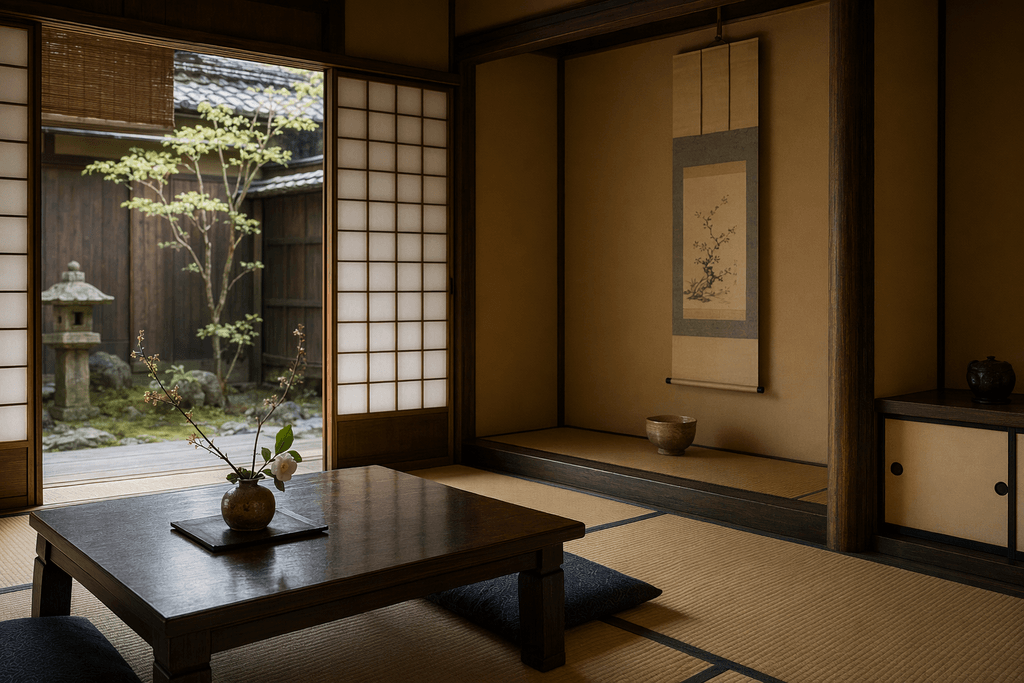
雅致
တင့်တယ်နူးညံ့မှု
雅致
တင့်တယ်နူးညံ့မှု
Explanation
雅致
တင့်တယ်နူးညံ့မှု
雅致
သိမ်မွေ့လှပမှု / ထက်မြတ်သပ်ရပ်မှု / လှပမှု၌ အရသာရှိခြင်း
( Base form )
( romanization )
( hiragana )
館
စံအိမ်
館
စံအိမ်
Explanation
館
စံအိမ်
館
နေအိမ်ကြီး / ရုပ်ရှင်ရုံ / အဆောက်အအုံကြီး
နိုင်ငံရေးလောကရဲ့ သြဇာကြီးမားတဲ့ အင်အားရှင်တစ်ဦးက လျှို့ဝှက်ပိုင်ဆိုင်ထားတဲ့ အိမ်ကြီးမှာတော့ အကျိုးစီးပွားတန်းတူမတူ ရှုပ်ထွေးချုပ်ငိုင်းနေတဲ့ လျှို့ဝှက်ဆွေးနွေးပွဲတွေကို ညတိုင်း လဲလှယ်နေကြတယ်လို့ ဆိုကြတယ်။

( romanization )
( romanization )
( hiragana historical )
( hiragana )
暗算
စိတ်တွက်
暗算
စိတ်တွက်
Explanation
暗算
စိတ်တွက်
暗算
စိတ်တွင်းတွင် တွက်ချက်ခြင်း / မှတ်ဉာဏ်အားဖြင့် တွက်ချက်မှု / ကိရိယာမသုံးဘဲ စိတ်ထဲနဲ့ တွက်ခြင်း
စိတ်တွင်းတွက်ချက်မှုတင်နဲ့ပဲ ရှုပ်ထွေးတဲ့ ခန့်မှန်းတန်ဖိုးကို ချက်ချင်း ထုတ်ပြနိုင်တဲ့ သူ့ရဲ့ စွမ်းရည်က အတွေ့အကြုံအပေါ် အခြေခံထားတဲ့ ဆုံးဖြတ်နိုင်စွမ်းရဲ့ ရလဒ်ပဲ။

( Base form )
( romanization )
( hiragana )
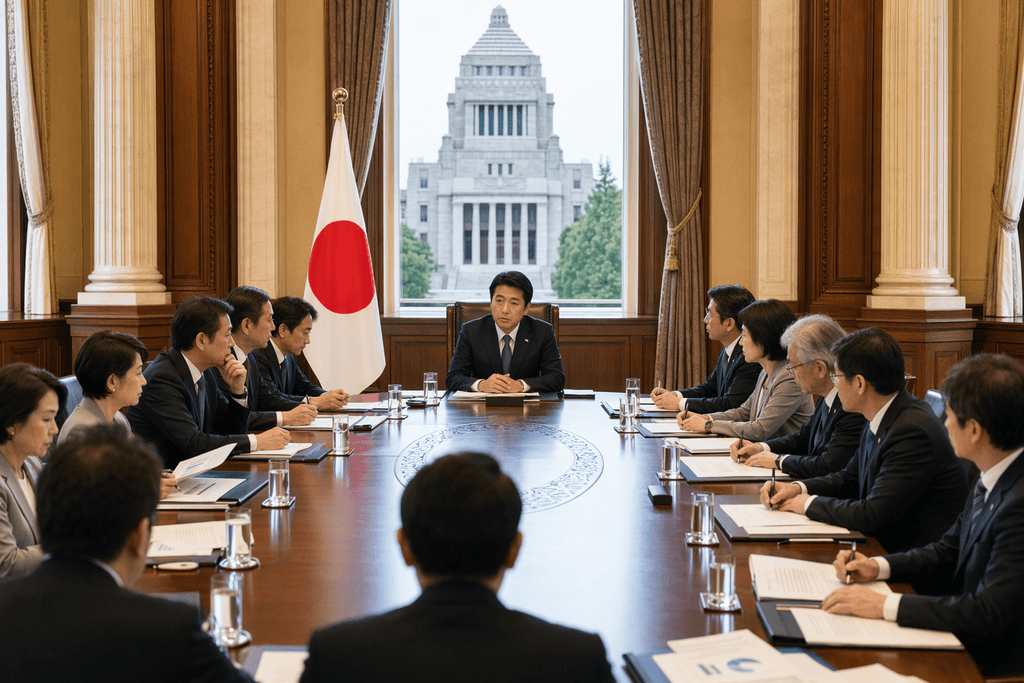
統治
အုပ်ချုပ်မှု
統治
အုပ်ချုပ်မှု
Explanation
統治
အုပ်ချုပ်မှု
統治
အုပ်ချုပ်မှု / အုပ်စိုးမှု / အုပ်ချုပ်ရေး
( Base form )
( romanization )
( hiragana )
訪れる
အလည်လာသည် / ရောက်ရှိသည်
訪れる
အလည်လာသည် / ရောက်ရှိသည်
Explanation
訪れる
အလည်လာသည် / ရောက်ရှိသည်
訪れる
လူ သို့မဟုတ် နေရာကို အလည်သွားသည် / (အချိန်၊ ရာသီ၊ အဖြစ်အပျက်) ရောက်လာသည်
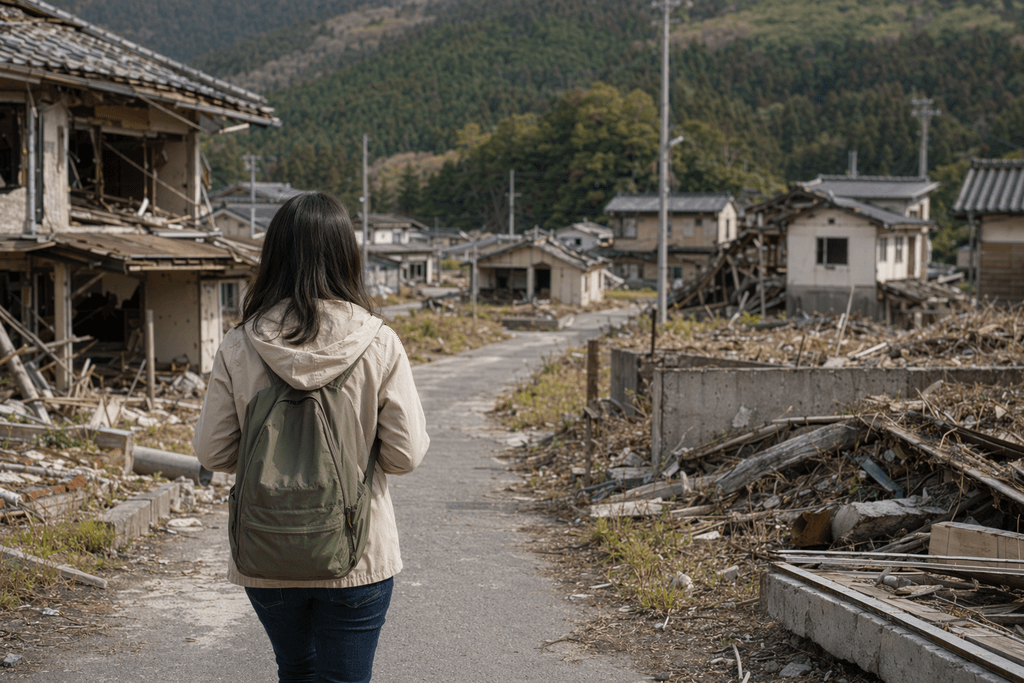
စစ်ပြီးခေတ် ပြန်လည်ထူထောင်ရေး၏ ခြေလှမ်းများကို ကိုယ်တိုင်ကိုယ်ကျ ခံစားသိရှိလိုသဖြင့်၊ ကျွန်ုပ်သည် ခရီးသွားနေရာအဖြစ် မပြောင်းလဲရသေးသော ဘေးဒဏ်သင့်ဒေသရှိ ရွာတစ်ရွာကို တမင်ရွေးချယ်၍ သွားရောက်ရန် ဆုံးဖြတ်ခဲ့သည်။
Word Forms
The basic and commonly used forms of this verb.
Basic forms
| Form | Word form | Usage |
|---|---|---|
| Imperfective form (mizenkei) | Connects to endings such as nai, reru, and seru. | |
| Continuative form (renyokei) | Connects to endings such as masu, tai, and ta. | |
| Conclusive form (shushikei) | Ends a sentence and serves as the dictionary form. | |
| Attributive form (rentaikei) | Modifies a noun. | |
| Conditional form (kateikei) | Combines with ba to express a condition. | |
| Imperative form (meireikei) |
Alternative:
訪れよ
|
Expresses a command or instruction. |
Common forms
繕う
ဖာထေးသည် / ဖုံးဖိသည်
繕う
ဖာထေးသည် / ဖုံးဖိသည်
Explanation
繕う
ဖာထေးသည် / ဖုံးဖိသည်
繕う
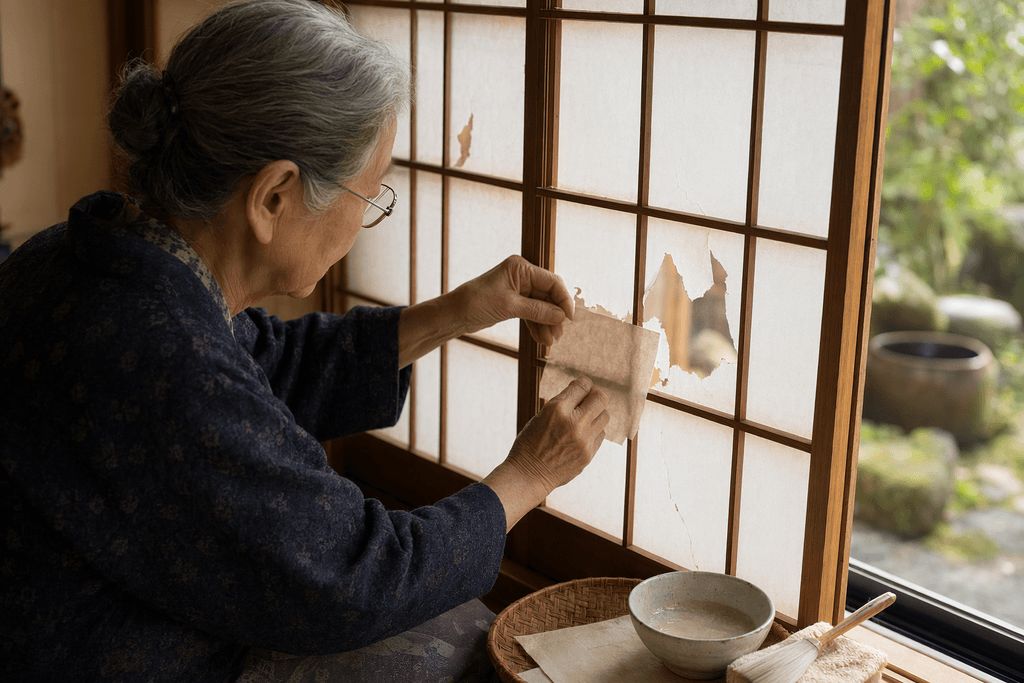
အဝတ်၊ ဖိနပ် (သို့) နာရာကို ပူးချုပ်ပြင်သည် / ဆံပင်၊ အဝတ်အစား စသည်ကို သပ်ရပ်အောင် ပြင်ဆင်သည် / မျက်နှာမပျက်အောင် ထိန်းလျက် ဖုံးဖျောက်သည်
Word Forms
The basic and commonly used forms of this verb.
Basic forms
| Form | Word form | Usage |
|---|---|---|
| Imperfective form (mizenkei) |
Alternative:
繕お
|
Connects to endings such as nai, reru, and seru. |
| Continuative form (renyokei) |
Alternative:
繕っ
|
Connects to endings such as masu, tai, and ta. |
| Conclusive form (shushikei) | Ends a sentence and serves as the dictionary form. | |
| Attributive form (rentaikei) | Modifies a noun. | |
| Conditional form (kateikei) | Combines with ba to express a condition. | |
| Imperative form (meireikei) | Expresses a command or instruction. |
Common forms
Loading...

JLPT N1 多言語単語帳・3032語 / JLPT N1 Multilingual Vocabulary: 3032 Words

Jonathan Waller 氏の JLPT Resources の語彙リスト・レベル分類を出典とし、CC BY の条件に従って DiQt が学習者向けに意味を作り直した3032語の単語帳です。JLPT公式の語彙リストではありません。
This collection of 3032 words is based on the vocabulary list and level classifications in Jonathan Waller’s JLPT Resources under CC BY, with meanings rewritten by DiQt for learners. It is not an official JLPT vocabulary list.
Key Operations
Select the first quiz:
Ctrl + Enter
View Explanation:Ctrl + G
Close a feedback:Esc
When selecting a quiz
Answer:Enter
Select a choice:↓ or ↑
Reading out the question:Ctrl + K
View Hint: Ctrl + M
I don't know: Ctrl + Y



