
JLPT N1 ဝေါဟာရအဓိပ္ပာယ် လေ့ကျင့်ခန်း - Unsolved

JLPT N1 စကားလုံး 3032 လုံး၏ မြန်မာအဓိပ္ပာယ်ကို အဖြေရွေးချယ်စရာ လေးခုပါသော မေးခွန်းများဖြင့် လေ့လာပါ။
-
အဖိုးတန်သော / မြင့်မြတ်သော
-
စိတ်အားငယ်သော / အထီးကျန်သော
-
အပေါစားဆန်သော
-
ပြတ်သားသောဆုံးဖြတ်မှု
-
လိုက်ဖက်ညီသောတစ်စုံ
-
အပစ်အခတ်ရပ်စဲမှု
-
စာချုပ်သဘောတူညီချက်
-
မိုးကာပစ္စည်း
-
တိမ်းစောင်းမှု
-
လက်မှုပညာ
-
အသေးအဖွဲကိစ္စ
-
ဖြောင်းဖျခြင်း
-
လိင်ဆက်ဆံမှု
-
အနှစ်သာရ
-
ရာထူးတိုးမြှင့်မှု
-
နာကျင်စေသည် / စိတ်ထိခိုက်သည်
-
ဝန်းရံသည်
-
အရည်ပျော်သည် / စွဲလမ်းမိသည်
-
ပြတ်တောက်သည်
-
တားမြစ်သည် / ချုပ်တည်းသည်
-
သတင်းတင်ပြသည်
-
ချောမွေ့သော
-
ပျော့ပျောင်းသော
-
လန်းဆန်းသော
-
ရုတ်တရက်တွေ့မိသည်
-
မြှောက်ပင့်တိုက်တွန်းသည်
-
စနစ်တကျပြင်ဆင်သည်
-
အင်ဂျင်နီယာ
-
ကူးစက်မှု
-
တိုက်ခိုက်ရေးစွမ်းအား
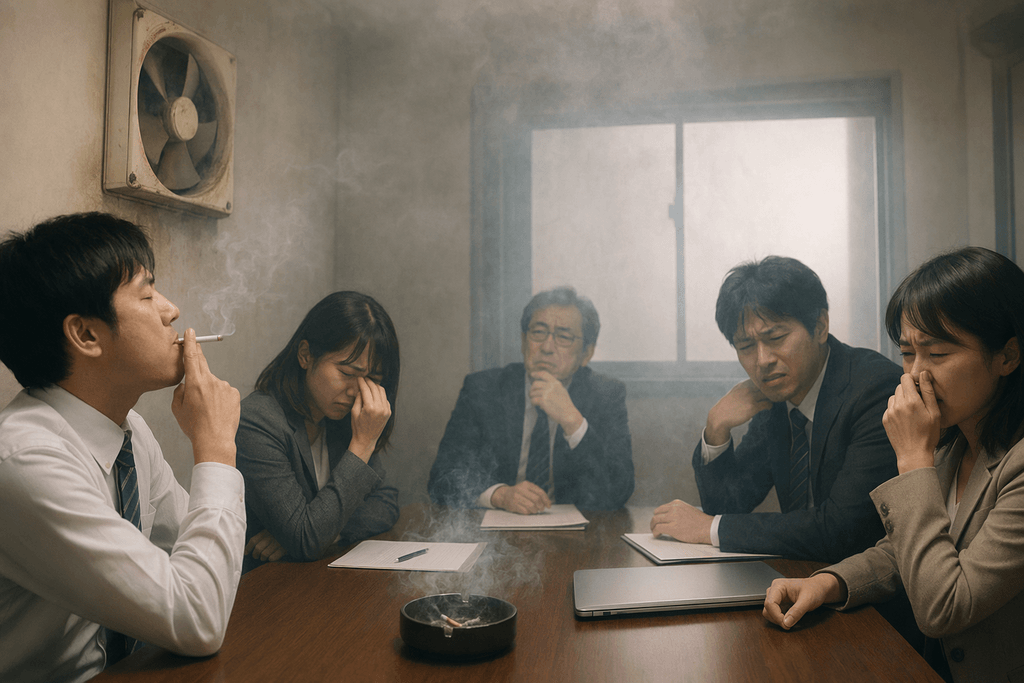
けむたい
မီးခိုးမွှန်သော / အနေရခက်စေသော
けむたい
မီးခိုးမွှန်သော / အနေရခက်စေသော
Explanation
မီးခိုးမွှန်သော / အနေရခက်စေသော
けむたい
မီးခိုးထူထပ်သော / ဖိအားပေးကာ အသက်ရှုမဝတဲ့/အုပ်စိုးသလိုခံစားရသော / အတူနေရင် မသက်မသာ/အလွတ်မပေါ့သော
လေဝင်လေထွက်ပန်ကာ ပျက်နေတဲ့အတွက် အစည်းအဝေးခန်းထဲမှာ ဆေးလိပ်မီးခိုးတွေ တင်းတိပ်လို့ အသက်ရှုမဝသလို ဖြစ်နေပေမယ့် ဘယ်သူမှ ပြတင်းပေါက်ဖွင့်ဖို့ မကြိုးစားခဲ့ဘူး။
Word Forms
The basic and commonly used forms of this adjective.
Basic forms
| Form | Word form | Usage |
|---|---|---|
| Imperfective form (mizenkei) | Used in forms such as karou; mainly literary. | |
| Continuative form (renyokei) |
Alternative:
けむたかっ
|
Used in forms such as kute and kunai. |
| Conclusive form (shushikei) | Ends a sentence. | |
| Attributive form (rentaikei) | Modifies a noun. | |
| Conditional form (kateikei) | Expresses a condition with kereba. | |
| Imperative form (meireikei) | Rarely used in modern Japanese. |
Common forms
バッジ
ရင်ထိုးတံဆိပ်
バッジ
ရင်ထိုးတံဆိပ်
Explanation
ရင်ထိုးတံဆိပ်
バッジ
ချိတ်တပ်သည့် အမှတ်အသားတံဆိပ်ပြား / အဖွဲ့ဝင်၊ အရာထူး ပြသရန် တပ်ဆောင်သော အမှတ်အသား / ရဲ/အာဏာပိုင် တပ်ဆောင်သည့် အမှတ်အသား

( romanization )
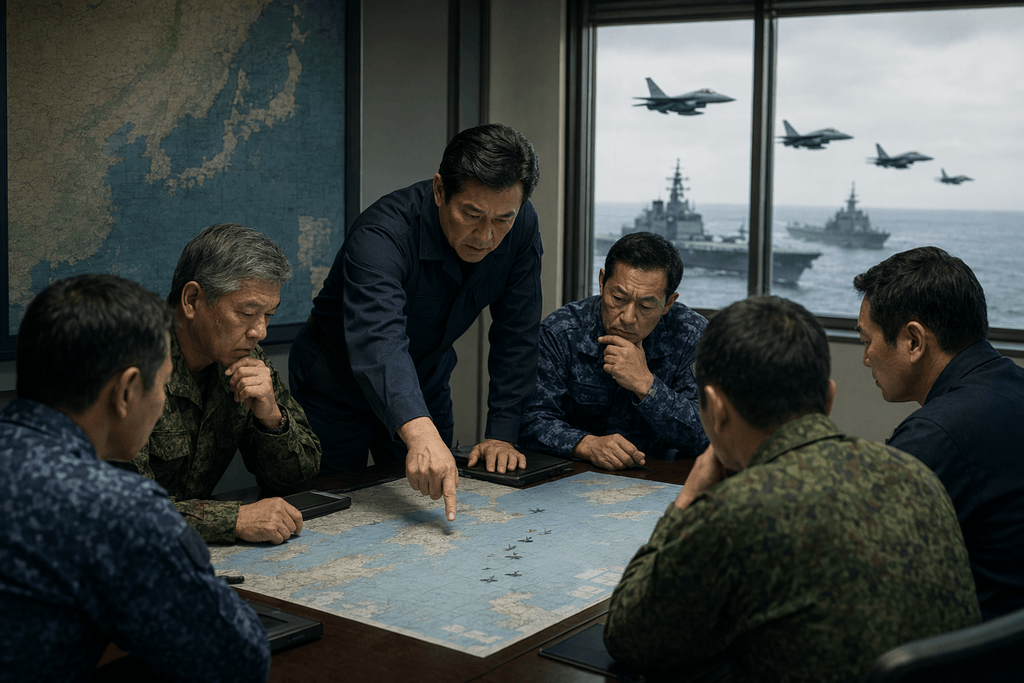
決行
ပြတ်သားစွာအကောင်အထည်ဖော်မှု
決行
ပြတ်သားစွာအကောင်အထည်ဖော်မှု
Explanation
決行
ပြတ်သားစွာအကောင်အထည်ဖော်မှု
決行
ဆုံးဖြတ်ပြီး ဆောင်ရွက်ခြင်း / အကောင်အထည်ဖော်ခြင်း / လုပ်ဆောင်မှု
( Base form )
( romanization )
( hiragana )
ジャンボ
အလွန်ကြီးမားသောအရွယ်
ジャンボ
အလွန်ကြီးမားသောအရွယ်
Explanation
အလွန်ကြီးမားသောအရွယ်
ジャンボ
ဂျမ်ဘို (အလွန်ကြီးမားသော အရွယ်အစား) / ကြီးမားသော/ဂျိုင်ဂန်တစ်
လေကြောင်း ခရီးသွား လိုချင် မှု ပြန်လည် ကောင်းမွန် လာ မည် ဟု မျှော်လင့် လျက် ကုမ္ပဏီ သည် ကုန်တင် လေယာဉ် တစ် စင်း အဖြစ် အနားယူ ခါနီး ရှိ ဧရာမ လေယာဉ် ကို ပြန်လည် အသုံးပြု ရန် နောက်ပြန် ဆုံးဖြတ် ချက် တစ် ခု နှင့် တူ သည့် အရာ ကို ပြုလုပ် ခဲ့ သည် ။

首飾り
လည်ဆွဲ
首飾り
လည်ဆွဲ
Explanation
首飾り
လည်ဆွဲ
首飾り
လည်ဆွယ် / လည်ပင်းအလှဆင်ပစ္စည်း / လည်ပင်းပတ်တပ်သည့် ဂဟေ
သူမက အဖွားထံမှ လက်ဆင့်ကမ်းရရှိခဲ့သော လည်ဆွဲသည် အလွန်တန်ဆာဆင်လှပသော်လည်း ဂုဏ်သိက္ခာကို မလျော့စေဘဲ၊ အခမ်းအနား၏ တည်ငြိမ်လေးနက်သော လေထုနှင့် အံ့ဩဖွယ်ကောင်းစွာ လိုက်ဖက်ညီနေသည်။

( Base form )
( romanization )
差し支える
အနှောင့်အယှက်ဖြစ်သည်
差し支える
အနှောင့်အယှက်ဖြစ်သည်
Explanation
差し支える
အနှောင့်အယှက်ဖြစ်သည်
差し支える
တားဆီးပိတ်ဆို့သည် / အနှောက်အယှက်ဖြစ်စေသည် / အဆင်မပြေဖြစ်စေသည်

Word Forms
The basic and commonly used forms of this verb.
Basic forms
| Form | Word form | Usage |
|---|---|---|
| Imperfective form (mizenkei) | Connects to endings such as nai, reru, and seru. | |
| Continuative form (renyokei) | Connects to endings such as masu, tai, and ta. | |
| Conclusive form (shushikei) | Ends a sentence and serves as the dictionary form. | |
| Attributive form (rentaikei) | Modifies a noun. | |
| Conditional form (kateikei) | Combines with ba to express a condition. | |
| Imperative form (meireikei) |
Alternative:
差し支えよ
|
Expresses a command or instruction. |
Common forms
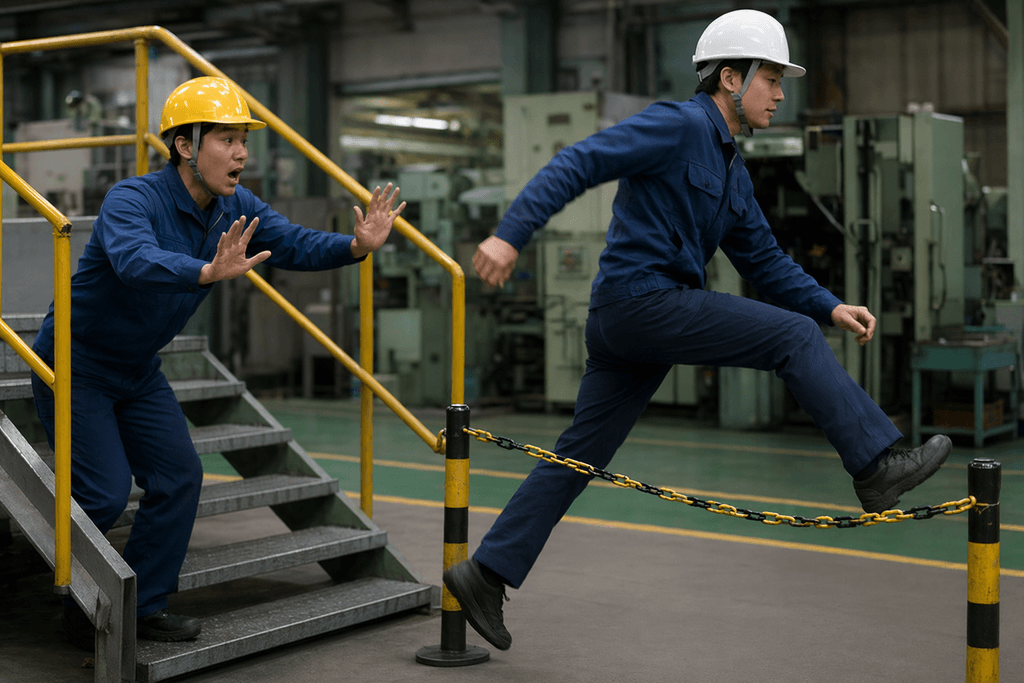
抜かす
ချန်လှပ်သည်
抜かす
ချန်လှပ်သည်
Explanation
抜かす
ချန်လှပ်သည်
抜かす
ချန်လှပ်ထားသည်၊ မထည့်ဘဲကျော်သွားသည် / တန်းစီခြင်းကို ဖြတ်ကျော်ဝင်သည်၊ အတန်းခုန်ဝင်သည် / (အောက်တန်း) ပြောပစ်သည်၊ စကားအလကားပေါက်သည်
Word Forms
The basic and commonly used forms of this verb.
Basic forms
| Form | Word form | Usage |
|---|---|---|
| Imperfective form (mizenkei) |
Alternative:
抜かそ
|
Connects to endings such as nai, reru, and seru. |
| Continuative form (renyokei) | Connects to endings such as masu, tai, and ta. | |
| Conclusive form (shushikei) | Ends a sentence and serves as the dictionary form. | |
| Attributive form (rentaikei) | Modifies a noun. | |
| Conditional form (kateikei) | Combines with ba to express a condition. | |
| Imperative form (meireikei) | Expresses a command or instruction. |
Common forms
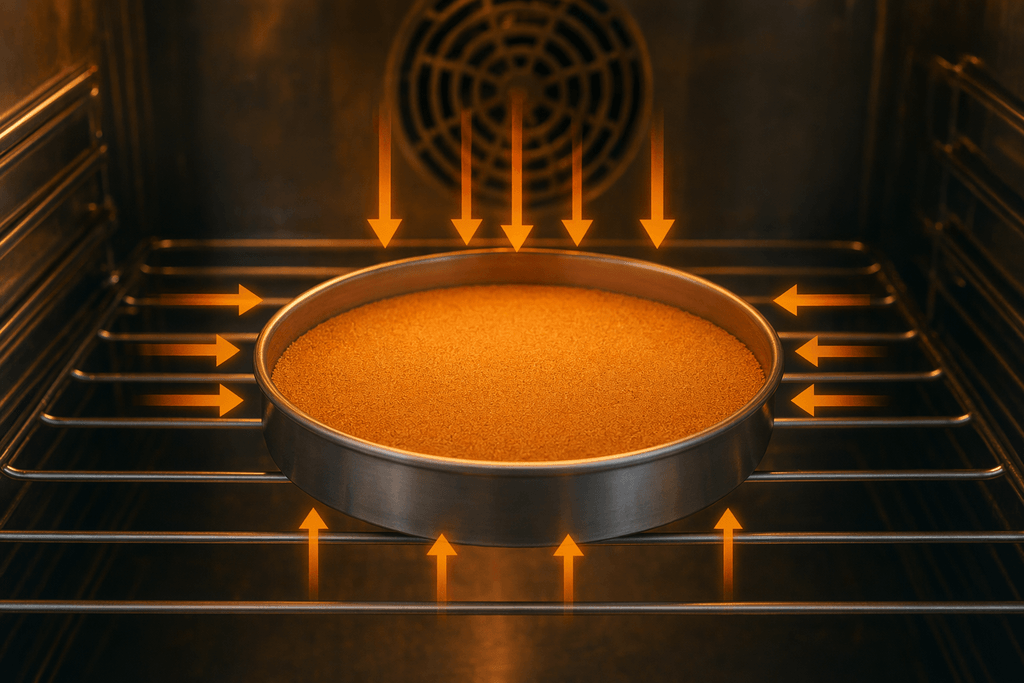
一様
တစ်ပုံစံတည်းဖြစ်သော
一様
တစ်ပုံစံတည်းဖြစ်သော
Explanation
一様
တစ်ပုံစံတည်းဖြစ်သော
一様
တူညီညီဖြစ်သော၊ မညီမျှမဟုတ်သော / အညီအမျှ၊ တစ်ပြေးညီ / တူတူတန်းတန်း၊ တူညီသော
Word Forms
The basic and commonly used forms of this adjectival noun.
Basic forms
| Form | Word form | Usage |
|---|---|---|
| Imperfective form (mizenkei) | Used in forms such as darou. | |
| Continuative form (renyokei) |
Alternative:
一様に
一様だっ
|
Used with de or ni. |
| Conclusive form (shushikei) | Ends a sentence with da. | |
| Attributive form (rentaikei) |
Alternative:
一様なる
|
Modifies a noun with na. |
| Conditional form (kateikei) | Expresses a condition with nara. | |
| Imperative form (meireikei) | Used in formal expressions such as de are. |
Common forms
絶つ
ဖြတ်တောက်သည် / ရှောင်ကြဉ်သည်
絶つ
ဖြတ်တောက်သည် / ရှောင်ကြဉ်သည်
Explanation
絶つ
ဖြတ်တောက်သည် / ရှောင်ကြဉ်သည်
絶つ
ဖြတ်တောက်သည် / ခွဲကွာ/ဖြုတ်ပစ်သည် / ရပ်တန့်စေသည်

Word Forms
The basic and commonly used forms of this verb.
Basic forms
| Form | Word form | Usage |
|---|---|---|
| Imperfective form (mizenkei) |
Alternative:
絶と
|
Connects to endings such as nai, reru, and seru. |
| Continuative form (renyokei) |
Alternative:
絶っ
|
Connects to endings such as masu, tai, and ta. |
| Conclusive form (shushikei) | Ends a sentence and serves as the dictionary form. | |
| Attributive form (rentaikei) | Modifies a noun. | |
| Conditional form (kateikei) | Combines with ba to express a condition. | |
| Imperative form (meireikei) | Expresses a command or instruction. |
Common forms
善し悪し
အကောင်းအဆိုး
善し悪し
အကောင်းအဆိုး
Explanation
善し悪し
အကောင်းအဆိုး
善し悪し
ကောင်းမကောင်း (မှန်မမှန်) / အရည်အသွေး/သင့်တော်မှု / အားသာချက်နဲ့အားနည်းချက် နှစ်ဖက်လုံးရှိခြင်း
ဤမူဝါဒ၏ ကောင်းမွန်မှု၊ ဆိုးရွားမှုကို ရေတိုရလဒ်များသာမက လူ့အဖွဲ့အစည်းအပေါ် ဖြစ်ပေါ်စေမည့် ရေရှည်သက်ရောက်မှုများကိုလည်း ခွဲခြမ်းသိမြင်ပြီးမှ ဆုံးဖြတ်သင့်သည်။
( Base form )
( Base form )
( romanization )
( romanization )
Loading...

JLPT N1 多言語単語帳・3032語 / JLPT N1 Multilingual Vocabulary: 3032 Words

Jonathan Waller 氏の JLPT Resources の語彙リスト・レベル分類を出典とし、CC BY の条件に従って DiQt が学習者向けに意味を作り直した3032語の単語帳です。JLPT公式の語彙リストではありません。
This collection of 3032 words is based on the vocabulary list and level classifications in Jonathan Waller’s JLPT Resources under CC BY, with meanings rewritten by DiQt for learners. It is not an official JLPT vocabulary list.
Key Operations
Select the first quiz:
Ctrl + Enter
View Explanation:Ctrl + G
Close a feedback:Esc
When selecting a quiz
Answer:Enter
Select a choice:↓ or ↑
Reading out the question:Ctrl + K
View Hint: Ctrl + M
I don't know: Ctrl + Y



