
JLPT N1 ဝေါဟာရအဓိပ္ပာယ် လေ့ကျင့်ခန်း - Unsolved

JLPT N1 စကားလုံး 3032 လုံး၏ မြန်မာအဓိပ္ပာယ်ကို အဖြေရွေးချယ်စရာ လေးခုပါသော မေးခွန်းများဖြင့် လေ့လာပါ။
-
စိတ်ဝင်စားစရာကောင်းသော / ပျော်စရာကောင်းသော
-
အလွန်ကြီးမားသော
-
လွယ်ကူသော
- 「素っ気ない」は語末が「ない」だが、全体でイ形容詞として活用する。
-
အငြင်းပွားသည်
-
နာမကျန်းဖြစ်သည်
-
ဖျက်ဆီးသည် / မွှေနှောက်လုယက်သည်
-
ပုံမှန်အားဖြင့်
-
လောလောဆယ်
-
ဖရိုဖရဲ / အလွန်အမင်း
-
ပေါက်ဈေး
-
သုံးဖက်မြင်ပုံစံ
-
တစ်ကျော့ပြန်လည်ဝင်ရောက်မှု
-
ရှင်တိုနတ်ကွန်း
-
လူမျိုးစု
-
လုပ်ငန်းကဏ္ဍ
-
သွေးထွက်ခြင်း
-
နှင်းရည်
-
အူ
-
မကိန်း
-
အမြန်နှုန်း
-
ပင်ကိုသိစိတ်
-
ကိုက်ဖြတ်သည်
-
ဆေးရောင်စွဲသည်
-
နာကျင်စေသည် / စိတ်ထိခိုက်သည်
- 「生ける」の異表記。花などを生ける意。
-
စိတ်ဒုက္ခပေးသည်
-
နေရာချထားသည်
-
အားတက်သရောဖြစ်သည်
-
ပိန်ချုံးသော / စိတ်ဓာတ်ကျသော
-
အညီအမျှနှစ်ခြမ်း
-
ဖြစ်ကောင်းဖြစ်နိုင်
素っ気ない
အေးစက်တုံးတိသော
素っ気ない
အေးစက်တုံးတိသော
Explanation
素っ気ない
အေးစက်တုံးတိသော
素っ気ない
မဖော်ရွေ၊ အေးစက်သော / တိုတိုကောက်ကောက်၊ ရိုင်းရိုင်းသဘော / အလေးအနက်မထားဘဲ တိုတိုချုပ်ချုပ်ပြောသော

Word Forms
The basic and commonly used forms of this adjective.
Basic forms
| Form | Word form | Usage |
|---|---|---|
| Imperfective form (mizenkei) | Used in forms such as karou; mainly literary. | |
| Continuative form (renyokei) |
Alternative:
素っ気なかっ
|
Used in forms such as kute and kunai. |
| Conclusive form (shushikei) | Ends a sentence. | |
| Attributive form (rentaikei) | Modifies a noun. | |
| Conditional form (kateikei) | Expresses a condition with kereba. | |
| Imperative form (meireikei) | Rarely used in modern Japanese. |
Common forms
| Form | Word form | Usage |
|---|---|---|
| Te-form | Connects clauses with kute. | |
| Ta-form | Expresses the past with katta. | |
| Nai-form | Expresses negation with kunai. | |
| Ba-form | Expresses a condition with kereba. |
Notes
慣らす
အကျင့်ရစေသည်
慣らす
အကျင့်ရစေသည်
Explanation
慣らす
အကျင့်ရစေသည်
慣らす
အလေ့အကျင့် ဖြစ်အောင် စေသည် / လက်ကျလာအောင် စေသည် / ရင်းနှီးလာအောင် စေသည်
နိုင်ငံခြားတာဝန်ထမ်းဆောင်ဖို့ ပြင်ဆင်ရင်း၊ ထွက်ခွာမတိုင်မီကတည်းက နေရာဒေသရဲ့ နေထိုင်မှုရစ်သမ်အတိုင်း ကိုယ်ခန္ဓာကို အလေ့အကျင့်ဖြစ်အောင် လုပ်ထားဖို့ ဆုံးဖြတ်ခဲ့တယ်။

Word Forms
The basic and commonly used forms of this verb.
Basic forms
| Form | Word form | Usage |
|---|---|---|
| Imperfective form (mizenkei) | Connects to endings such as nai, reru, and seru. | |
| Continuative form (renyokei) | Connects to endings such as masu, tai, and ta. | |
| Conclusive form (shushikei) | Ends a sentence and serves as the dictionary form. | |
| Attributive form (rentaikei) | Modifies a noun. | |
| Conditional form (kateikei) | Combines with ba to express a condition. | |
| Imperative form (meireikei) | Expresses a command or instruction. |
Common forms
とりわけ
အထူးသဖြင့်
とりわけ
အထူးသဖြင့်
Explanation
အထူးသဖြင့်
とりわけ
အထူးသဖြင့် / အထူးစွာ / ထူးထူးခြားခြား
ဤသုတေသနသည် ကျယ်ပြန့်သော နယ်ပယ်အသီးသီးအပေါ် သက်ရောက်မှုရှိသော်လည်း၊ အထူးသဖြင့် ဆေးဘက်ဆိုင်ရာ လုပ်ငန်းခွင်တွင် ဆုံးဖြတ်ချက်ချမှုကို အကြီးအကျယ် ပြောင်းလဲစေလိမ့်မည်။

( romanization )
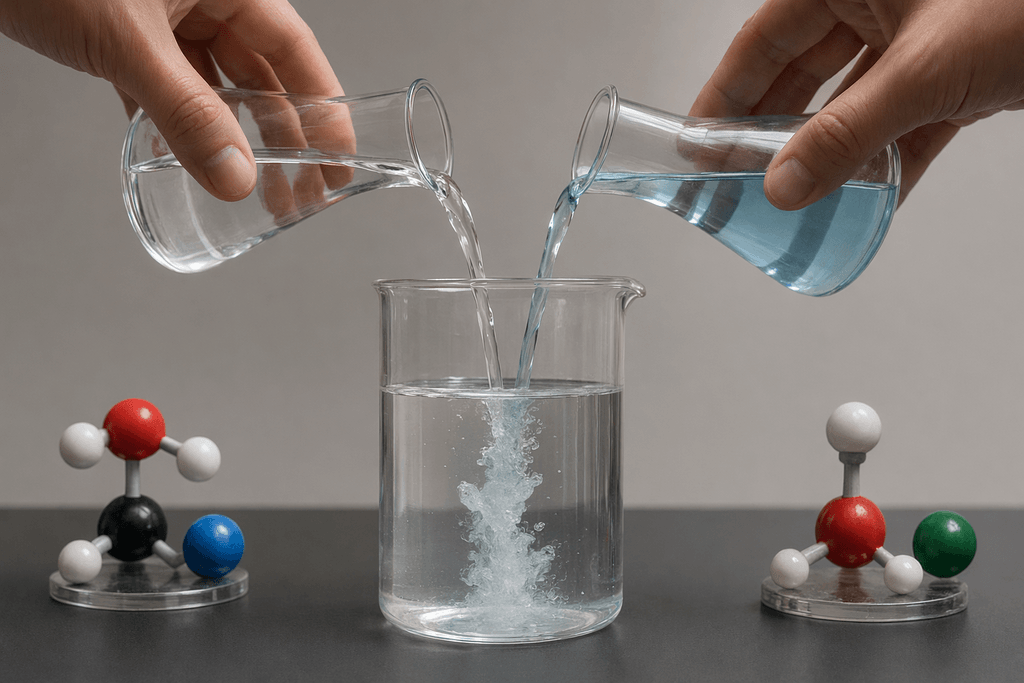
中和
ဓာတ်ပြယ်မှု
中和
ဓာတ်ပြယ်မှု
Explanation
中和
ဓာတ်ပြယ်မှု
中和
အက်ဆစ်နှင့် အယ်လ်ကာလီ တို့၏ အာနိသင်များကို အပြန်အလှန် ပယ်ဖျက်သည့် တုံ့ပြန်မှု / အက်ဆစ်/အယ်လ်ကာလီ၏ အာနိသင်ကို ပျောက်စေခြင်း
ပြင်းထန်သော အက်ဆစ်ဓာတ်ရှိ စွန့်ပစ်အရည်ကို ကုသရာတွင် သုတေသနဝန်ထမ်းသည် ဆိုဒီယမ်ဟိုက်ဒရောက်ဆိုဒ်ကို အနည်းငယ်စီ ထည့်ပြီး၊ နျူထရယ်ဖြစ်ခြင်း ပြီးစီးပြီဟုတ်မဟုတ်ကို သတိကြီးစွာ စစ်ဆေးခဲ့သည်။
( Base form )
( romanization )
( romanization )
( hiragana historical )
( hiragana )
蜂蜜
ပျားရည်
蜂蜜
ပျားရည်
Explanation
蜂蜜
ပျားရည်
蜂蜜
ပျားရည် / ပန်းရည်ကို ပျားများက ပြုလုပ်ထားသော အချိုရည်

( Base form )
( romanization )
( hiragana )
形態
ပုံသဏ္ဌာန်
形態
ပုံသဏ္ဌာန်
Explanation
形態
ပုံသဏ္ဌာန်
形態
ပုံသဏ္ဌာန် / ပုံစံ / စုစုပေါင်းပုံသဏ္ဌာန်

( Base form )
( romanization )
( hiragana )
保温
အပူထိန်းသိမ်းခြင်း
保温
အပူထိန်းသိမ်းခြင်း
Explanation
保温
အပူထိန်းသိမ်းခြင်း
保温
အပူကို ထိန်းသိမ်းခြင်း / အပူပိတ်ဆို့ခြင်း

( Base form )
( romanization )
( hiragana )
活ける
ပန်းအလှဆင်သည်
活ける
ပန်းအလှဆင်သည်
Explanation
活ける
ပန်းအလှဆင်သည်
活ける
ပန်းအလှဆင်သည် / ပန်းများကို အလှတရားဖြင့် စီရင်သည် / ပန်းအိုးတွင် ပန်းစီသည်
ဆရာကြီးက ရာသီပြောင်းလဲမှုကို ပန်းတစ်ပွင့်ထဲမှာ အပ္နှံကာ၊ ချန်ထားတဲ့ လွတ်နေရာကို တမင်တကာ ခွင့်ပြုခြင်းဖြင့် ပန်းအိုးထဲ ပန်းထည့်တန်ဆာဆင်ခြင်းရဲ့ အလှတရားကို ပိုမို ထင်ရှားစေခဲ့သည်။

Word Forms
The basic and commonly used forms of this verb.
Basic forms
| Form | Word form | Usage |
|---|---|---|
| Imperfective form (mizenkei) | Connects to endings such as nai, reru, and seru. | |
| Continuative form (renyokei) | Connects to endings such as masu, tai, and ta. | |
| Conclusive form (shushikei) | Ends a sentence and serves as the dictionary form. | |
| Attributive form (rentaikei) | Modifies a noun. | |
| Conditional form (kateikei) | Combines with ba to express a condition. | |
| Imperative form (meireikei) |
Alternative:
活けよ
|
Expresses a command or instruction. |
Common forms
| Form | Word form | Usage |
|---|---|---|
| Te-form | Connects clauses with te. | |
| Ta-form | Expresses the past with ta. | |
| Nai-form | Expresses negation with nai. | |
| Masu-form | Used for polite speech. | |
| Ba-form | Expresses a condition with ba. | |
| Volitional form | Expresses intention or invitation. |
Notes
恥じらう
ရှက်ရွံ့သည်
恥じらう
ရှက်ရွံ့သည်
Explanation
恥じらう
ရှက်ရွံ့သည်
恥じらう
ရှက်တတ်သည် / ရှက်မွေ့ဖြစ်သည်

Word Forms
The basic and commonly used forms of this verb.
Basic forms
| Form | Word form | Usage |
|---|---|---|
| Imperfective form (mizenkei) |
Alternative:
恥じらお
|
Connects to endings such as nai, reru, and seru. |
| Continuative form (renyokei) | Connects to endings such as masu, tai, and ta. | |
| Conclusive form (shushikei) | Ends a sentence and serves as the dictionary form. | |
| Attributive form (rentaikei) | Modifies a noun. | |
| Conditional form (kateikei) | Combines with ba to express a condition. | |
| Imperative form (meireikei) | Expresses a command or instruction. |
Common forms
自ずから
အလိုအလျောက်
自ずから
အလိုအလျောက်
Explanation
自ずから
အလိုအလျောက်
自ずから
အလိုအလျောက် / ကိုယ့်အလျောက် / သဘာဝအတိုင်း

( Base form )
( romanization )
Loading...

JLPT N1 多言語単語帳・3032語 / JLPT N1 Multilingual Vocabulary: 3032 Words

Jonathan Waller 氏の JLPT Resources の語彙リスト・レベル分類を出典とし、CC BY の条件に従って DiQt が学習者向けに意味を作り直した3032語の単語帳です。JLPT公式の語彙リストではありません。
This collection of 3032 words is based on the vocabulary list and level classifications in Jonathan Waller’s JLPT Resources under CC BY, with meanings rewritten by DiQt for learners. It is not an official JLPT vocabulary list.
Key Operations
Select the first quiz:
Ctrl + Enter
View Explanation:Ctrl + G
Close a feedback:Esc
When selecting a quiz
Answer:Enter
Select a choice:↓ or ↑
Reading out the question:Ctrl + K
View Hint: Ctrl + M
I don't know: Ctrl + Y



