
JLPT N1 ဝေါဟာရအဓိပ္ပာယ် လေ့ကျင့်ခန်း - Unsolved

JLPT N1 စကားလုံး 3032 လုံး၏ မြန်မာအဓိပ္ပာယ်ကို အဖြေရွေးချယ်စရာ လေးခုပါသော မေးခွန်းများဖြင့် လေ့လာပါ။
-
ထောင့် / သီးသန့်ကဏ္ဍ
-
အကြောင်းပြချက်ဖြင့်ငြင်းဆိုမှု
-
မျက်လုံးအမူအရာ
-
ရုတ်တရက်တွေ့မိသည်
-
အားလုံးထွက်ပေါ်လာသည်
-
ထည့်တပ်သည် / ဝတ်ဆင်သည်
-
ခေါ်ဆိုသည် / အမည်ခံသည်
-
ကြိုးကိုင်သည် / မောင်းနှင်သည်
-
ပစ်ထည့်သည်
-
တရားရုံးစီရင်ချက်
-
ဟန်ပန် / ပုံစံ
-
နေရာချထားမှု / ထိန်းသိမ်းချုပ်နှောင်မှု
-
ကိုးကွယ်ကြည်ညိုမှု
-
အကောင်းဆုံး
-
နှစ်ပတ်တစ်ကြိမ်
-
အလွန်ဝေးကွာစွာ / အလွန်ပို၍
-
တိတိကျကျ / ကျပ်ကျပ်
-
အပြည့်အစုံ
-
အကျိုးကျေးဇူးခံစားမှု
-
ဝေငှမှု
-
နောက်ဆုတ်ခြင်း / ဆုတ်ယုတ်ခြင်း
-
ပျော်ရွှင်ဖျော်ဖြေသည်
-
ပြီးဆုံးသည် / သေဆုံးသည်
-
မှုန်ဝါးလာသည်
- 五段活用(サ行)の他動詞。
-
ရှုပ်ထွေးစေသည် / နှောင့်ယှက်သည်
-
ပေါက်ကြားစေသည် / ချန်လှပ်သည်
-
လွှင့်တင်သည် / ရည်မှန်းချက်ထုတ်ဖော်သည်
- 「傷つく」の別表記。
-
တင်းကျပ်သော / တိကျသော
-
အထင်အရှားဖြစ်သော
-
ပုံမှန်ဖြစ်သော
掲載
ဆောင်းပါးဖော်ပြထုတ်ဝေမှု
掲載
ဆောင်းပါးဖော်ပြထုတ်ဝေမှု
Explanation
掲載
ဆောင်းပါးဖော်ပြထုတ်ဝေမှု
掲載
မဂ္ဂဇိန်၊ သတင်းစာတွင် အကြောင်းအရာကို ထုတ်ဝေထားခြင်း / မီဒီယာစာမျက်နှာများတွင် အချက်အလက်ကို ထည့်သွင်းဖော်ပြခြင်း / စာနယ်ဇင်းတွင် ထုတ်ပေးထားသော အကြောင်းအရာ

( Base form )
( romanization )
( hiragana )
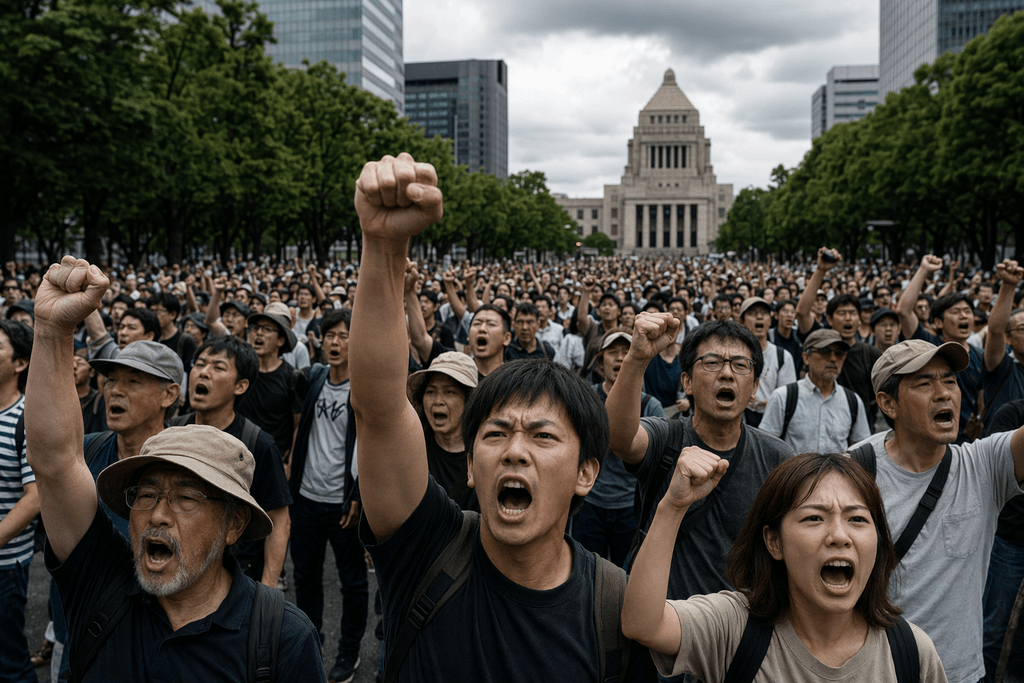
強まる
ပိုမိုအားကောင်းလာသည်
強まる
ပိုမိုအားကောင်းလာသည်
Explanation
強まる
ပိုမိုအားကောင်းလာသည်
強まる
ပိုမိုပြင်းထန်လာသည် / အင်အားတိုးလာသည် / အားကောင်းလာသည်
Word Forms
The basic and commonly used forms of this verb.
Basic forms
| Form | Word form | Usage |
|---|---|---|
| Imperfective form (mizenkei) |
Alternative:
強まろ
|
Connects to endings such as nai, reru, and seru. |
| Continuative form (renyokei) |
Alternative:
強まっ
|
Connects to endings such as masu, tai, and ta. |
| Conclusive form (shushikei) | Ends a sentence and serves as the dictionary form. | |
| Attributive form (rentaikei) | Modifies a noun. | |
| Conditional form (kateikei) | Combines with ba to express a condition. | |
| Imperative form (meireikei) | Expresses a command or instruction. |
Common forms
受かる
စာမေးပွဲအောင်သည်
受かる
စာမေးပွဲအောင်သည်
Explanation
受かる
စာမေးပွဲအောင်သည်
受かる
စာမေးပွဲအောင်သည် / အင်တာဗျူး/ရွေးချယ်မှုတွင် အောင်မြင်သည်

Word Forms
The basic and commonly used forms of this verb.
Basic forms
| Form | Word form | Usage |
|---|---|---|
| Imperfective form (mizenkei) |
Alternative:
受かろ
|
Connects to endings such as nai, reru, and seru. |
| Continuative form (renyokei) | Connects to endings such as masu, tai, and ta. | |
| Conclusive form (shushikei) | Ends a sentence and serves as the dictionary form. | |
| Attributive form (rentaikei) | Modifies a noun. | |
| Conditional form (kateikei) | Combines with ba to express a condition. | |
| Imperative form (meireikei) | Expresses a command or instruction. |
Common forms
お供
အဖော်လိုက်သူ
お供
အဖော်လိုက်သူ
Explanation
お供
အဖော်လိုက်သူ
お供
အဖော် / လိုက်ပါသူ / အဖော်အပေါင်း
သူသည် ရာထူးတိုးဖြင့် ပြောင်းရွှေ့ရမည့် ကမ်းလှမ်းချက်ကို လက်ခံခဲ့သော်လည်း၊ နေသားကျပြီး သံယောဇဉ်ရှိနေသော မြို့ကို စွန့်ခွာရမည်ကို နှမြောမိသဖြင့်၊ အနည်းဆုံးတော့ နှစ်ပေါင်းများစွာ အဖော်ပြုလာခဲ့သူကိုသာ အတူခေါ်သွားချင်ကြောင်း ဖွင့်ဟပြောဆိုခဲ့သည်။

結束
စည်းလုံးညီညွတ်မှု / စုချည်နှောင်မှု
結束
စည်းလုံးညီညွတ်မှု / စုချည်နှောင်မှု
Explanation
結束
စည်းလုံးညီညွတ်မှု / စုချည်နှောင်မှု
結束
ပေါင်းချုပ်ခြင်း / စည်းလုံးညီညွတ်မှု
အကျပ်အတည်းကို မျက်နှာချင်းဆိုင်ရချိန်မှာပဲ တစ်ဦးနဲ့တစ်ဦးရဲ့ အကျိုးစီးပွားကို ကျော်လွန်ပြီး စည်းလုံးညီညွတ်မှုကို ပိုမိုခိုင်မာစေကာ လက်တွေ့လုပ်ရပ်နဲ့ ပြသမယ့် ဆုံးဖြတ်ချက်ရှိမှုကို စမ်းသပ်မေးမြန်းကြသည်။

( Base form )
( romanization )
( hiragana )
すぐ
ချက်ချင်း / အနီးအနား
すぐ
ချက်ချင်း / အနီးအနား
Explanation
ချက်ချင်း / အနီးအနား
すぐ
ချက်ချင်း / ယခုခနဲ / မကြာခင်

( romanization )
並列
ဘေးချင်းယှဉ်စီထားမှု
並列
ဘေးချင်းယှဉ်စီထားမှု
Explanation
並列
ဘေးချင်းယှဉ်စီထားမှု
並列
ဘေးဘေးတစ်တန်းတည်းစီထားခြင်း / ပြိုင်တန်းဖြစ်ခြင်း / နှိုင်းယှဉ်တင်ထားခြင်း

( Base form )
( romanization )
( hiragana )
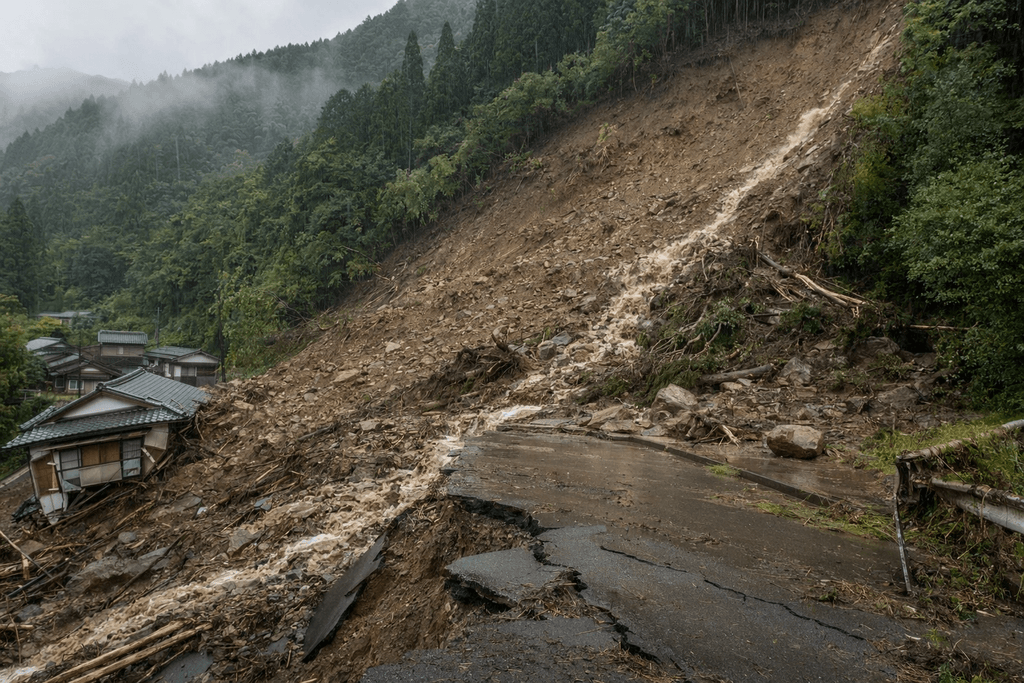
荒らす
ဖျက်ဆီးသည် / မွှေနှောက်လုယက်သည်
荒らす
ဖျက်ဆီးသည် / မွှေနှောက်လုယက်သည်
Explanation
荒らす
ဖျက်ဆီးသည် / မွှေနှောက်လုယက်သည်
荒らす
ဖျက်ဆီးပျက်စီးအောင်လုပ်သည် / နယ်ပယ်/နေရာထဲကို ချိုးဖောက်ဝင်ရောက်၍ ရှုပ်နှောက်ဖောက်ဖျက်သည် / (အင်တာနက်) ဖောက်ဖျက်ရေးလုပ်၍ ရန်ဖြစ်စေသည်
Word Forms
The basic and commonly used forms of this verb.
Basic forms
| Form | Word form | Usage |
|---|---|---|
| Imperfective form (mizenkei) |
Alternative:
荒らそ
|
Connects to endings such as nai, reru, and seru. |
| Continuative form (renyokei) | Connects to endings such as masu, tai, and ta. | |
| Conclusive form (shushikei) | Ends a sentence and serves as the dictionary form. | |
| Attributive form (rentaikei) | Modifies a noun. | |
| Conditional form (kateikei) | Combines with ba to express a condition. | |
| Imperative form (meireikei) | Expresses a command or instruction. |
Common forms
| Form | Word form | Usage |
|---|---|---|
| Te-form | Connects clauses with te. | |
| Ta-form | Expresses the past with ta. | |
| Nai-form | Expresses negation with nai. | |
| Masu-form | Used for polite speech. | |
| Ba-form | Expresses a condition with ba. | |
| Volitional form | Expresses intention or invitation. |
Notes
傷付く
ထိခိုက်ဒဏ်ရာရသည်
傷付く
ထိခိုက်ဒဏ်ရာရသည်
Explanation
傷付く
ထိခိုက်ဒဏ်ရာရသည်
傷付く
ဒဏ်ရာရသည်၊ ထိခိုက်နာကျင်သည် / စိတ်ထိခိုက်သည်၊ စိတ်နာသည်

Word Forms
The basic and commonly used forms of this verb.
Basic forms
| Form | Word form | Usage |
|---|---|---|
| Imperfective form (mizenkei) |
Alternative:
傷つか
傷付こ
傷つこ
|
Connects to endings such as nai, reru, and seru. |
| Continuative form (renyokei) |
Alternative:
傷つき
|
Connects to endings such as masu, tai, and ta. |
| Conclusive form (shushikei) |
Alternative:
傷つく
|
Ends a sentence and serves as the dictionary form. |
| Attributive form (rentaikei) |
Alternative:
傷つく
|
Modifies a noun. |
| Conditional form (kateikei) |
Alternative:
傷つけ
|
Combines with ba to express a condition. |
| Imperative form (meireikei) |
Alternative:
傷つけ
|
Expresses a command or instruction. |
Common forms
| Form | Word form | Usage |
|---|---|---|
| Te-form |
Alternative:
傷ついて
|
Connects clauses with te. |
| Ta-form |
Alternative:
傷ついた
|
Expresses the past with ta. |
| Nai-form |
Alternative:
傷つかない
|
Expresses negation with nai. |
| Masu-form |
Alternative:
傷つきます
|
Used for polite speech. |
| Ba-form |
Alternative:
傷つけば
|
Expresses a condition with ba. |
| Volitional form |
Alternative:
傷つき
|
Expresses intention or invitation. |
Notes
ぞんざい
ပေါ့ဆသော / ရိုင်းပျသော
ぞんざい
ပေါ့ဆသော / ရိုင်းပျသော
Explanation
ပေါ့ဆသော / ရိုင်းပျသော
ぞんざい
မရိုလည် / တိုတိုချုံးချုံး / လျစ်လျူ၊ အကြမ်းဖျင်း

Word Forms
The basic and commonly used forms of this adjectival noun.
Basic forms
| Form | Word form | Usage |
|---|---|---|
| Imperfective form (mizenkei) | Used in forms such as darou. | |
| Continuative form (renyokei) |
Alternative:
ぞんざいに
|
Used with de or ni. |
| Conclusive form (shushikei) | Ends a sentence with da. | |
| Attributive form (rentaikei) | Modifies a noun with na. | |
| Conditional form (kateikei) | Expresses a condition with nara. | |
| Imperative form (meireikei) | Used in formal expressions such as de are. |
Common forms
Loading...

JLPT N1 多言語単語帳・3032語 / JLPT N1 Multilingual Vocabulary: 3032 Words

Jonathan Waller 氏の JLPT Resources の語彙リスト・レベル分類を出典とし、CC BY の条件に従って DiQt が学習者向けに意味を作り直した3032語の単語帳です。JLPT公式の語彙リストではありません。
This collection of 3032 words is based on the vocabulary list and level classifications in Jonathan Waller’s JLPT Resources under CC BY, with meanings rewritten by DiQt for learners. It is not an official JLPT vocabulary list.
Key Operations
Select the first quiz:
Ctrl + Enter
View Explanation:Ctrl + G
Close a feedback:Esc
When selecting a quiz
Answer:Enter
Select a choice:↓ or ↑
Reading out the question:Ctrl + K
View Hint: Ctrl + M
I don't know: Ctrl + Y



