
JLPT N4 แบบฝึกหัดความหมายคำศัพท์ - Unsolved

เรียนรู้ความหมายภาษาไทยของคำศัพท์ JLPT N4 จำนวน 631 คำด้วยคำถามแบบ 4 ตัวเลือก
-
อากาศ / บรรยากาศ
-
สัปดาห์ถัดจากสัปดาห์หน้า
-
ของขวัญ
-
ภรรยา
-
ไดอารี
-
หลอดไฟฟ้า
-
โรงเรียนมัธยมต้น
-
การขัดข้อง
-
วิธีการ
-
ให้
-
รังแก
-
ต้มน้ำ
-
ต้มน้ำ
-
พาไปด้วย
-
คิด / รู้สึก
-
นิทรรศการ
-
หัวหน้าแผนก
-
สภาพ / สุขภาพ
-
พจนานุกรม
-
การผลิต
-
เส้น
-
อร่อย / เก่ง
-
ละเอียด / ละเอียดถี่ถ้วน
-
เข้มงวด
-
รุ่นพี่
-
ขโมย
-
การเมือง / การปกครอง
-
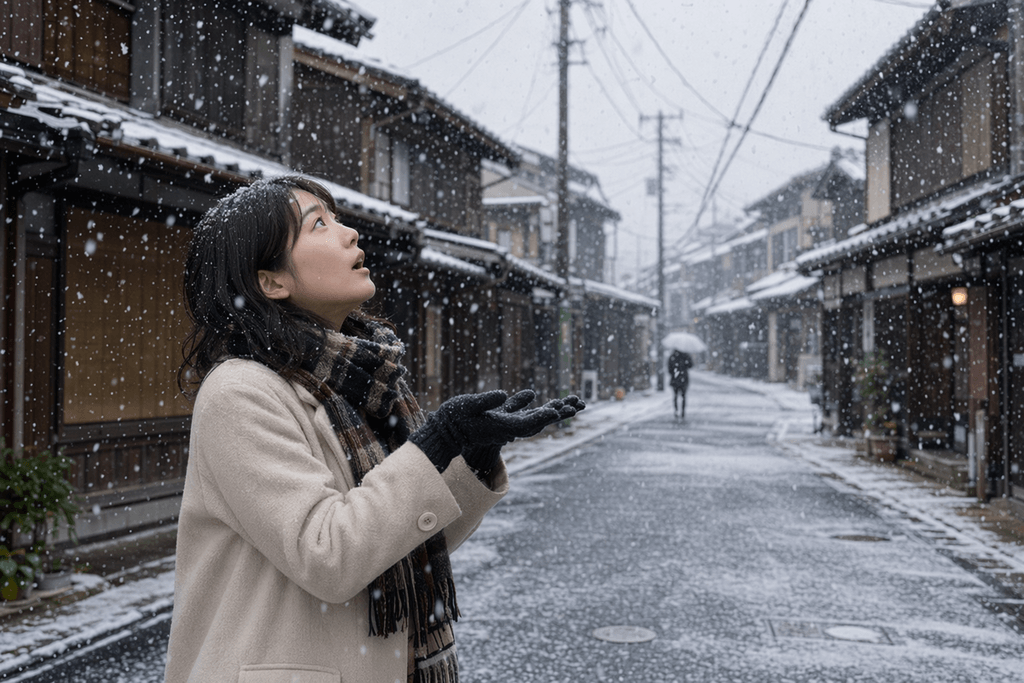
ฝนเริ่มตก
-
หัวเราะ / ยิ้ม
-
สั่น / แกว่ง
案内
การนำทาง
案内
การนำทาง
Explanation
案内
การนำทาง
案内
การแนะนำ/การนำทาง / ข้อมูล/คำแนะนำ / ประกาศแจ้งให้ทราบ

( Base form )
( romanization )
( kyūjitai )
( hiragana )
お礼
คำขอบคุณ
お礼
คำขอบคุณ
Explanation
お礼
คำขอบคุณ
お礼
การแสดงความขอบคุณ / คำขอบคุณ / ของตอบแทนเพื่อเป็นการขอบคุณ

( romanization )
相談
การปรึกษา
相談
การปรึกษา
Explanation
相談
การปรึกษา
相談
การปรึกษาหารือ / คำแนะนำ/คำปรึกษา / การขอคำปรึกษา

( Base form )
( romanization )
( hiragana )
放送する
ออกอากาศ
放送する
ออกอากาศ
Explanation
放送する
ออกอากาศ
放送する
ออกอากาศ / แพร่ภาพและเสียง / กระจายเสียง

Word Forms
The basic and commonly used forms of this verb.
Basic forms
| Form | Word form | Usage |
|---|---|---|
| Imperfective form (mizenkei) |
Alternative:
放送せ
放送さ
|
Connects to endings such as nai, reru, and seru. |
| Continuative form (renyokei) | Connects to endings such as masu, tai, and ta. | |
| Conclusive form (shushikei) | Ends a sentence and serves as the dictionary form. | |
| Attributive form (rentaikei) | Modifies a noun. | |
| Conditional form (kateikei) | Combines with ba to express a condition. | |
| Imperative form (meireikei) |
Alternative:
放送せよ
|
Expresses a command or instruction. |
Common forms
輸出する
ส่งออก
輸出する
ส่งออก
Explanation
輸出する
ส่งออก
輸出する
ส่งออก / ส่งสินค้าออกไปต่างประเทศ / ถ่ายโอน/ส่งข้อมูลออก (เช่น ไฟล์)

Word Forms
The basic and commonly used forms of this verb.
Basic forms
| Form | Word form | Usage |
|---|---|---|
| Imperfective form (mizenkei) |
Alternative:
輸出せ
輸出さ
|
Connects to endings such as nai, reru, and seru. |
| Continuative form (renyokei) | Connects to endings such as masu, tai, and ta. | |
| Conclusive form (shushikei) | Ends a sentence and serves as the dictionary form. | |
| Attributive form (rentaikei) | Modifies a noun. | |
| Conditional form (kateikei) | Combines with ba to express a condition. | |
| Imperative form (meireikei) |
Alternative:
輸出せよ
|
Expresses a command or instruction. |
Common forms
| Form | Word form | Usage |
|---|---|---|
| Te-form | Connects clauses with te. | |
| Ta-form | Expresses the past with ta. | |
| Nai-form |
Alternative:
輸出せず
|
Expresses negation with nai. |
| Masu-form | Used for polite speech. | |
| Ba-form | Expresses a condition with ba. | |
| Volitional form | Expresses intention or invitation. |
今夜
คืนนี้
今夜
คืนนี้
Explanation
今夜
คืนนี้
今夜
คืนนี้ / ตอนเย็นนี้ / ค่ำคืนนี้

( Base form )
( romanization )
( hiragana )
以上
อย่างน้อย / เพียงเท่านี้
以上
อย่างน้อย / เพียงเท่านี้
Explanation
以上
อย่างน้อย / เพียงเท่านี้
以上
ดังกล่าวข้างต้น, ที่กล่าวมาแล้ว / ตั้งแต่…ขึ้นไป, มากกว่าหรือเท่ากับ / เมื่อ…แล้ว, ในเมื่อ…แล้ว

( Base form )
( romanization )
( romanization )
( hiragana historical )
( hiragana )
珍しい
หายาก
珍しい
หายาก
Explanation
珍しい
หายาก
珍しい
หายาก / แปลก, ไม่ธรรมดา / ไม่ค่อยพบเห็น
Word Forms
The basic and commonly used forms of this adjective.
Basic forms
| Form | Word form | Usage |
|---|---|---|
| Imperfective form (mizenkei) | Used in forms such as karou; mainly literary. | |
| Continuative form (renyokei) |
Alternative:
珍しかっ
|
Used in forms such as kute and kunai. |
| Conclusive form (shushikei) | Ends a sentence. | |
| Attributive form (rentaikei) | Modifies a noun. | |
| Conditional form (kateikei) | Expresses a condition with kereba. | |
| Imperative form (meireikei) | Rarely used in modern Japanese. |
Common forms
びっくり
ความตกใจ
びっくり
ความตกใจ
Explanation
ความตกใจ
びっくり
ความประหลาดใจ / ความตกใจ / ความอัศจรรย์ใจ

( romanization )
別れる
แยกจากกัน / เลิกกัน
別れる
แยกจากกัน / เลิกกัน
Explanation
別れる
แยกจากกัน / เลิกกัน
別れる
แยกจากกัน, ต่างคนต่างไป / ลาจาก, อำลา / เลิกรากับคนรัก, เลิกคบ

Word Forms
The basic and commonly used forms of this verb.
Basic forms
| Form | Word form | Usage |
|---|---|---|
| Imperfective form (mizenkei) | Connects to endings such as nai, reru, and seru. | |
| Continuative form (renyokei) | Connects to endings such as masu, tai, and ta. | |
| Conclusive form (shushikei) | Ends a sentence and serves as the dictionary form. | |
| Attributive form (rentaikei) | Modifies a noun. | |
| Conditional form (kateikei) | Combines with ba to express a condition. | |
| Imperative form (meireikei) |
Alternative:
別れよ
|
Expresses a command or instruction. |
Common forms
Loading...

JLPT N4 多言語単語帳・631語 / JLPT N4 Multilingual Vocabulary: 631 Words

Jonathan Waller 氏の JLPT Resources の語彙リスト・レベル分類を出典とし、CC BY の条件に従って DiQt が初級向けに意味を作り直した631語の単語帳です。JLPT公式の語彙リストではありません。
This collection of 631 words is based on the vocabulary list and level classifications in Jonathan Waller’s JLPT Resources under CC BY, with meanings rewritten by DiQt for beginners. It is not an official JLPT vocabulary list.
Key Operations
Select the first quiz:
Ctrl + Enter
View Explanation:Ctrl + G
Close a feedback:Esc
When selecting a quiz
Answer:Enter
Select a choice:↓ or ↑
Reading out the question:Ctrl + K
View Hint: Ctrl + M
I don't know: Ctrl + Y



