
JLPT N4 แบบฝึกหัดความหมายคำศัพท์ - Unsolved

เรียนรู้ความหมายภาษาไทยของคำศัพท์ JLPT N4 จำนวน 631 คำด้วยคำถามแบบ 4 ตัวเลือก
-
ลูกสาว / หญิงสาว
-
ความหมาย / เหตุผล
-
วัดพุทธ
-
คิด / รู้สึก
-
อบ / ย่าง
-
ดำเนินต่อไป
- 下一段活用の他動詞です。
- 命令形は「捕まえろ」が一般的で、「捕まえよ」も用いられます。
-
หันหน้าไปทาง / มุ่งหน้าไป
-
ไปเยี่ยม
-
ร้องไห้
- 名詞「計画」にサ変動詞「する」が付いた複合動詞。
- 未然形には接続先により「計画し」「計画せ」「計画さ」が用いられる。
-
แห้ง
-
ให้
-
ถ่ายทอด
-
มีพอ
-
ให้
-
ได้รับ
-
ส่วนใหญ่ / เกือบ
-
ก่อนอื่น
-
เท่าที่จะทำได้
-
ผม
-
เธอ / แฟนสาว
-
พวกเขา
-
เก็บให้เรียบร้อย
-
ไป / มา
-
แขวน / โทรศัพท์
-
ทราย
-
ราคา
-
ประเทศตะวันตก
-
ส่ง
-
เปลี่ยนใหม่
-
ถอนเงิน / ดึงออก
科学
วิทยาศาสตร์
科学
วิทยาศาสตร์
Explanation
科学
วิทยาศาสตร์
科学
วิทยาศาสตร์ / ศาสตร์ว่าด้วยการศึกษาธรรมชาติอย่างเป็นระบบ

( Base form )
( romanization )
( romanization )
( kyūjitai )
( hiragana historical )
( hiragana )
捕まえる
จับ
捕まえる
จับ
Explanation
捕まえる
จับ
捕まえる
จับ / คว้า/ยึดไว้ / จับกุม

Word Forms
The basic and commonly used forms of this verb.
Basic forms
| Form | Word form | Usage |
|---|---|---|
| Imperfective form (mizenkei) | Connects to endings such as nai, reru, and seru. | |
| Continuative form (renyokei) | Connects to endings such as masu, tai, and ta. | |
| Conclusive form (shushikei) | Ends a sentence and serves as the dictionary form. | |
| Attributive form (rentaikei) | Modifies a noun. | |
| Conditional form (kateikei) | Combines with ba to express a condition. | |
| Imperative form (meireikei) |
Alternative:
捕まえよ
|
Expresses a command or instruction. |
Common forms
| Form | Word form | Usage |
|---|---|---|
| Te-form | Connects clauses with te. | |
| Ta-form | Expresses the past with ta. | |
| Nai-form | Expresses negation with nai. | |
| Masu-form | Used for polite speech. | |
| Ba-form | Expresses a condition with ba. | |
| Volitional form | Expresses intention or invitation. |
Notes
計画する
วางแผน
計画する
วางแผน
Explanation
計画する
วางแผน
計画する
วางแผน / จัดทำแผน / กำหนดโครงการ

Word Forms
The basic and commonly used forms of this verb.
Basic forms
| Form | Word form | Usage |
|---|---|---|
| Imperfective form (mizenkei) |
Alternative:
計画せ
計画さ
|
Connects to endings such as nai, reru, and seru. |
| Continuative form (renyokei) | Connects to endings such as masu, tai, and ta. | |
| Conclusive form (shushikei) | Ends a sentence and serves as the dictionary form. | |
| Attributive form (rentaikei) | Modifies a noun. | |
| Conditional form (kateikei) | Combines with ba to express a condition. | |
| Imperative form (meireikei) |
Alternative:
計画せよ
|
Expresses a command or instruction. |
Common forms
| Form | Word form | Usage |
|---|---|---|
| Te-form | Connects clauses with te. | |
| Ta-form | Expresses the past with ta. | |
| Nai-form | Expresses negation with nai. | |
| Masu-form | Used for polite speech. | |
| Ba-form | Expresses a condition with ba. | |
| Volitional form | Expresses intention or invitation. |
Notes
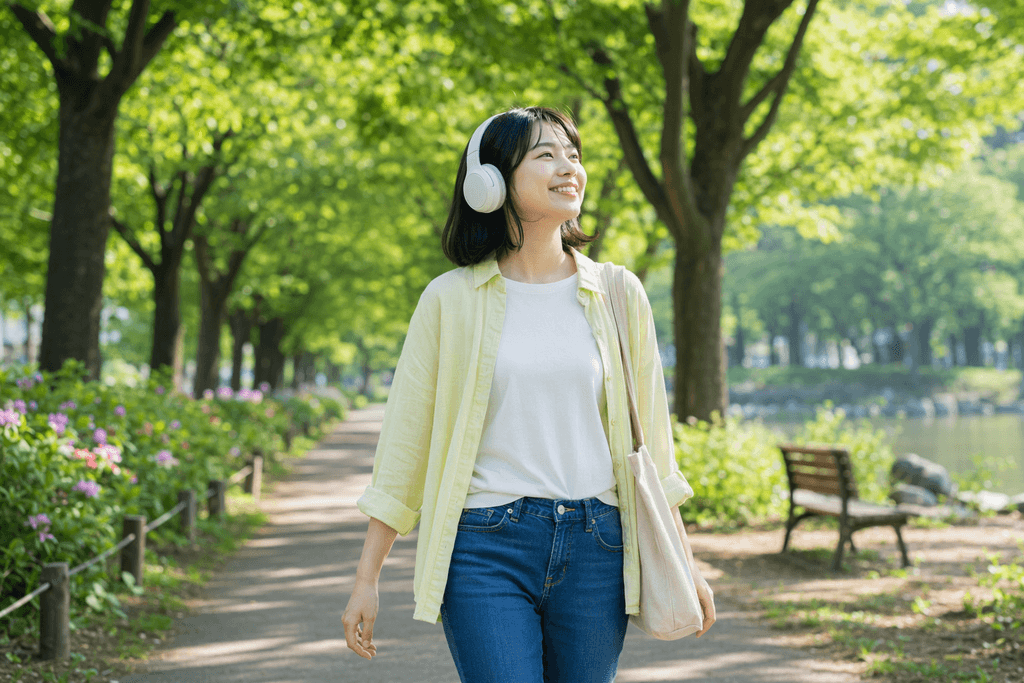
楽しむ
เพลิดเพลิน
楽しむ
เพลิดเพลิน
Explanation
楽しむ
เพลิดเพลิน
楽しむ
เพลิดเพลิน / สนุกสนาน / เสพสุขกับสิ่งใดสิ่งหนึ่ง
Word Forms
The basic and commonly used forms of this verb.
Basic forms
| Form | Word form | Usage |
|---|---|---|
| Imperfective form (mizenkei) |
Alternative:
楽しも
|
Connects to endings such as nai, reru, and seru. |
| Continuative form (renyokei) | Connects to endings such as masu, tai, and ta. | |
| Conclusive form (shushikei) | Ends a sentence and serves as the dictionary form. | |
| Attributive form (rentaikei) | Modifies a noun. | |
| Conditional form (kateikei) | Combines with ba to express a condition. | |
| Imperative form (meireikei) | Expresses a command or instruction. |
Common forms
光る
ส่องแสง
光る
ส่องแสง
Explanation
光る
ส่องแสง
光る
ส่องแสง; เปล่งประกาย / แวววาว; วูบวาบ / โดดเด่น; เป็นเลิศ

Word Forms
The basic and commonly used forms of this verb.
Basic forms
| Form | Word form | Usage |
|---|---|---|
| Imperfective form (mizenkei) | Connects to endings such as nai, reru, and seru. | |
| Continuative form (renyokei) | Connects to endings such as masu, tai, and ta. | |
| Conclusive form (shushikei) | Ends a sentence and serves as the dictionary form. | |
| Attributive form (rentaikei) | Modifies a noun. | |
| Conditional form (kateikei) | Combines with ba to express a condition. | |
| Imperative form (meireikei) | Expresses a command or instruction. |
Common forms
しばらく
สักพัก
しばらく
สักพัก
Explanation
สักพัก
しばらく
ชั่วครู่ / สักพักหนึ่ง / ระยะหนึ่ง

( romanization )
彼
เขา / แฟนหนุ่ม
彼
เขา / แฟนหนุ่ม
Explanation
彼
เขา / แฟนหนุ่ม
彼
เขา (ผู้ชาย) / เขา / คนนั้น (ฝ่ายนั้น)

( romanization )
( hiragana )
輸入する
นำเข้า
輸入する
นำเข้า
Explanation
輸入する
นำเข้า
輸入する
นำเข้า (สินค้า/วัตถุดิบ) / นำข้อมูลเข้า (คอมพิวเตอร์/ระบบ)

Word Forms
The basic and commonly used forms of this verb.
Basic forms
| Form | Word form | Usage |
|---|---|---|
| Imperfective form (mizenkei) |
Alternative:
輸入せ
輸入さ
|
Connects to endings such as nai, reru, and seru. |
| Continuative form (renyokei) | Connects to endings such as masu, tai, and ta. | |
| Conclusive form (shushikei) | Ends a sentence and serves as the dictionary form. | |
| Attributive form (rentaikei) | Modifies a noun. | |
| Conditional form (kateikei) | Combines with ba to express a condition. | |
| Imperative form (meireikei) |
Alternative:
輸入せよ
|
Expresses a command or instruction. |
Common forms
億
หนึ่งร้อยล้าน
億
หนึ่งร้อยล้าน
Explanation
億
หนึ่งร้อยล้าน
億
หนึ่งร้อยล้าน / หน่วยจำนวน 10⁸

( romanization )
( hiragana )
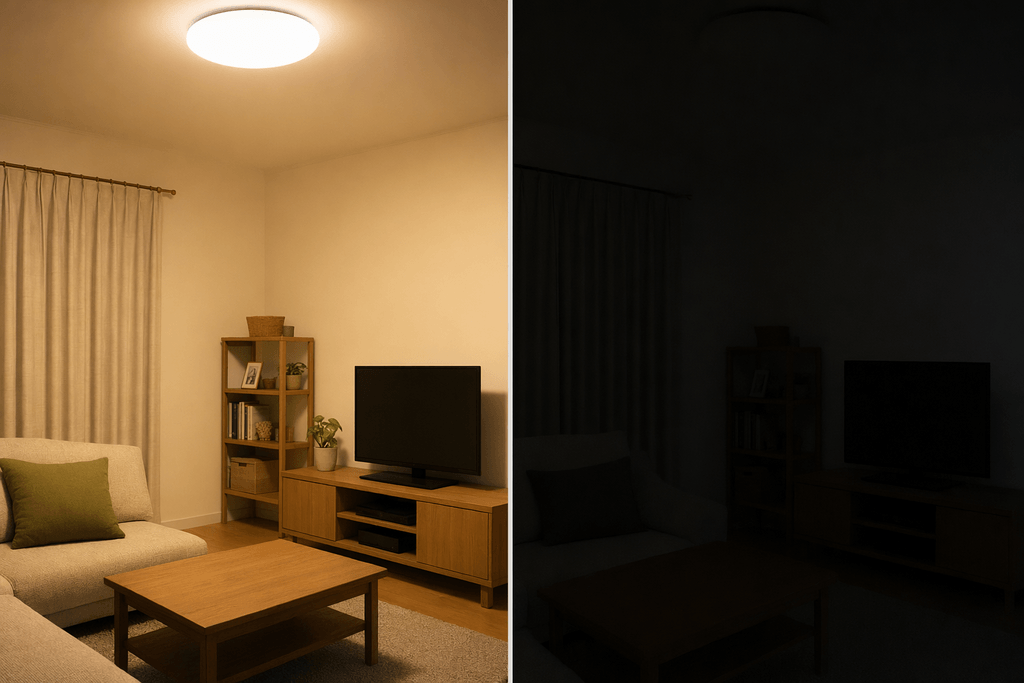
無くなる
หายไป / สูญหาย
無くなる
หายไป / สูญหาย
Explanation
無くなる
หายไป / สูญหาย
無くなる
หายไป / เลือนหาย / สูญหาย/ทำหาย
Word Forms
The basic and commonly used forms of this verb.
Basic forms
| Form | Word form | Usage |
|---|---|---|
| Imperfective form (mizenkei) |
Alternative:
無くなろ
|
Connects to endings such as nai, reru, and seru. |
| Continuative form (renyokei) | Connects to endings such as masu, tai, and ta. | |
| Conclusive form (shushikei) | Ends a sentence and serves as the dictionary form. | |
| Attributive form (rentaikei) | Modifies a noun. | |
| Conditional form (kateikei) | Combines with ba to express a condition. | |
| Imperative form (meireikei) | Expresses a command or instruction. |
Common forms
Loading...

JLPT N4 多言語単語帳・631語 / JLPT N4 Multilingual Vocabulary: 631 Words

Jonathan Waller 氏の JLPT Resources の語彙リスト・レベル分類を出典とし、CC BY の条件に従って DiQt が初級向けに意味を作り直した631語の単語帳です。JLPT公式の語彙リストではありません。
This collection of 631 words is based on the vocabulary list and level classifications in Jonathan Waller’s JLPT Resources under CC BY, with meanings rewritten by DiQt for beginners. It is not an official JLPT vocabulary list.
Key Operations
Select the first quiz:
Ctrl + Enter
View Explanation:Ctrl + G
Close a feedback:Esc
When selecting a quiz
Answer:Enter
Select a choice:↓ or ↑
Reading out the question:Ctrl + K
View Hint: Ctrl + M
I don't know: Ctrl + Y



