
JLPT N4 แบบฝึกหัดความหมายคำศัพท์ - Unsolved

เรียนรู้ความหมายภาษาไทยของคำศัพท์ JLPT N4 จำนวน 631 คำด้วยคำถามแบบ 4 ตัวเลือก
-
การแปล
-
จิตใจ / อารมณ์
-
บันไดเลื่อน
-
โรงแรมแบบญี่ปุ่น
-
ทางลาด
-
ตู้เก็บของติดผนัง
-
การจอง
-
ลิ้นชัก
-
ป่าละเมาะ
-
ธรรมดา / รถไฟธรรมดา
-
แน่นอน / ถ้าจำไม่ผิด
-
ความเสียดาย
-
ขอโทษ
-
ประหลาดใจ
-
ทำให้หยุด
-
ของที่ลืมไว้
-
ภรรยาของฉัน
-
นิทรรศการ
-
คำตอบกลับ
-
วิธีว่ายน้ำ
-
ไวยากรณ์
-
เมื่อกี้
-
โดยทั่วไป / โดยคร่าว ๆ
-
ไม่มีวัน
-
คืนนี้
-
รายงาน
-
ภรรยาของฉัน
-
การศึกษา
-
สิ่งทดแทน
-
นุ่มนวล
途中
ระหว่างทาง
途中
ระหว่างทาง
Explanation
途中
ระหว่างทาง
途中
ระหว่างทาง / กลางคัน; ระหว่างดำเนินการ / ยังไม่เสร็จ; ค้างอยู่
( Base form )
( romanization )
( hiragana )
スーツ
ชุดสูท
スーツ
ชุดสูท
Explanation
ชุดสูท
スーツ
ชุดสูท / ชุดเสื้อสูทกับกางเกง/กระโปรงที่เข้าชุดกัน

( romanization )
ケーキ
เค้ก
ケーキ
เค้ก
Explanation
เค้ก
ケーキ
เค้ก / ขนมเค้ก

( romanization )
特別
พิเศษ
特別
พิเศษ
Explanation
特別
พิเศษ
特別
พิเศษ / เฉพาะ / ไม่เหมือนทั่วไป
Word Forms
The basic and commonly used forms of this adjectival noun.
Basic forms
| Form | Word form | Usage |
|---|---|---|
| Imperfective form (mizenkei) |
Alternative:
特別でしょ
|
Used in forms such as darou. |
| Continuative form (renyokei) |
Alternative:
特別に
|
Used with de or ni. |
| Conclusive form (shushikei) |
Alternative:
特別です
|
Ends a sentence with da. |
| Attributive form (rentaikei) |
Alternative:
特別である
|
Modifies a noun with na. |
| Conditional form (kateikei) |
Alternative:
特別であれば
|
Expresses a condition with nara. |
| Imperative form (meireikei) | Used in formal expressions such as de are. |
Common forms
聞こえる
ได้ยิน
聞こえる
ได้ยิน
Explanation
聞こえる
ได้ยิน
聞こえる
ได้ยิน; ได้ยินเสียง / ฟังดูเหมือน/ทำให้รู้สึกว่า (จากที่ได้ยิน) / เป็นที่รู้จักกว้างขวาง; มีชื่อเสียง

Word Forms
The basic and commonly used forms of this verb.
Basic forms
| Form | Word form | Usage |
|---|---|---|
| Imperfective form (mizenkei) | Connects to endings such as nai, reru, and seru. | |
| Continuative form (renyokei) | Connects to endings such as masu, tai, and ta. | |
| Conclusive form (shushikei) | Ends a sentence and serves as the dictionary form. | |
| Attributive form (rentaikei) | Modifies a noun. | |
| Conditional form (kateikei) | Combines with ba to express a condition. | |
| Imperative form (meireikei) |
Alternative:
聞こえよ
|
Expresses a command or instruction. |
Common forms
経験
ประสบการณ์
経験
ประสบการณ์
Explanation
経験
ประสบการณ์
経験
ประสบการณ์ (เหตุการณ์ที่ได้พบเจอ) / ประสบการณ์; ความชำนาญที่สั่งสม

( Base form )
( romanization )
( kyūjitai )
( hiragana )
展覧会
นิทรรศการ
展覧会
นิทรรศการ
Explanation
展覧会
นิทรรศการ
展覧会
นิทรรศการ / งานแสดง

( Base form )
( romanization )
( kyūjitai )
( hiragana )
ずいぶん
ค่อนข้างมาก
ずいぶん
ค่อนข้างมาก
Explanation
ค่อนข้างมาก
ずいぶん
มากทีเดียว, ค่อนข้างมาก / อย่างยิ่ง, มากเหลือเกิน

( romanization )
間
ช่องว่าง / ช่วงเวลา
間
ช่องว่าง / ช่วงเวลา
Explanation
間
ช่องว่าง / ช่วงเวลา
間
ช่วงเวลา; ระยะห่าง / ระหว่าง; ในระหว่าง

( romanization )
( hiragana )
講堂
หอประชุม
講堂
หอประชุม
Explanation
講堂
หอประชุม
講堂
หอประชุม / ห้องบรรยาย / ห้องประชุมขนาดใหญ่
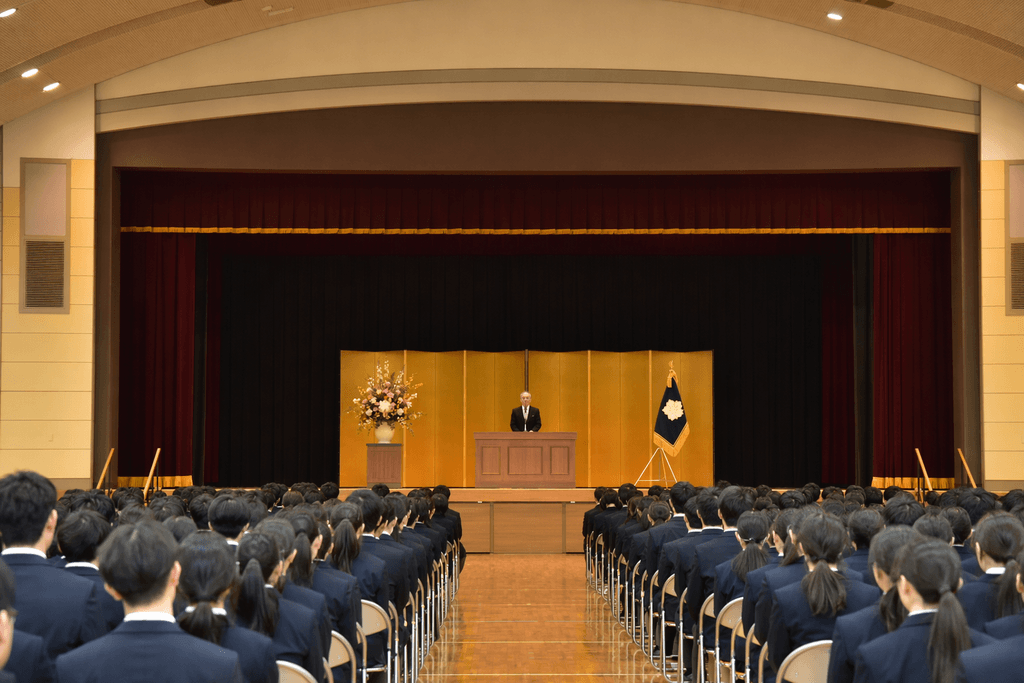
( Base form )
( romanization )
( hiragana )
Loading...

JLPT N4 多言語単語帳・631語 / JLPT N4 Multilingual Vocabulary: 631 Words

Jonathan Waller 氏の JLPT Resources の語彙リスト・レベル分類を出典とし、CC BY の条件に従って DiQt が初級向けに意味を作り直した631語の単語帳です。JLPT公式の語彙リストではありません。
This collection of 631 words is based on the vocabulary list and level classifications in Jonathan Waller’s JLPT Resources under CC BY, with meanings rewritten by DiQt for beginners. It is not an official JLPT vocabulary list.
Key Operations
Select the first quiz:
Ctrl + Enter
View Explanation:Ctrl + G
Close a feedback:Esc
When selecting a quiz
Answer:Enter
Select a choice:↓ or ↑
Reading out the question:Ctrl + K
View Hint: Ctrl + M
I don't know: Ctrl + Y



