
JLPT N4 詞義四選一 - Unsolved

透過四選一題目,用繁體中文學習JLPT N4的631個單字詞義。
-
苦的
-
害羞的
-
高興的
-
他 / 男朋友
-
她 / 女朋友
-
他們
-
伴手禮
-
文書處理機
-
停車場
-
深的
-
害羞的
-
糟糕的
-
那樣
-
原來如此
-
嗯
-
首先
-
到那種程度
-
筆直地 / 突然
-
那樣
-
啊
-
嗯
-
給
-
選擇
-
下車 / 下去
- 「くださる」はラ行五段活用だが、連用形で「くださいます」、命令形で「ください」を用いる特殊な形が一般的。
-
咬 / 咀嚼
-
變乾
-
剩下
-
觸摸
-
進行
-
下降
かたい
硬的
かたい
硬的
Explanation
硬的
かたい
硬的;堅硬的 / 緊的;牢固的 / 嚴格的;固執的

Word Forms
The basic and commonly used forms of this adjective.
Basic forms
| Form | Word form | Usage |
|---|---|---|
| Imperfective form (mizenkei) |
Alternative:
固かろ
硬かろ
堅かろ
|
Used in forms such as karou; mainly literary. |
| Continuative form (renyokei) |
Alternative:
固く
硬く
堅く
|
Used in forms such as kute and kunai. |
| Conclusive form (shushikei) |
Alternative:
固い
硬い
堅い
|
Ends a sentence. |
| Attributive form (rentaikei) |
Alternative:
固い
硬い
堅い
|
Modifies a noun. |
| Conditional form (kateikei) |
Alternative:
固けれ
硬けれ
堅けれ
|
Expresses a condition with kereba. |
| Imperative form (meireikei) |
Alternative:
固かれ
硬かれ
堅かれ
|
Rarely used in modern Japanese. |
Common forms
| Form | Word form | Usage |
|---|---|---|
| Te-form |
Alternative:
固くて
硬くて
堅くて
|
Connects clauses with kute. |
| Ta-form |
Alternative:
固かった
硬かった
堅かった
|
Expresses the past with katta. |
| Nai-form |
Alternative:
固くない
硬くない
堅くない
|
Expresses negation with kunai. |
| Ba-form |
Alternative:
固ければ
硬ければ
堅ければ
|
Expresses a condition with kereba. |
君
你
君
你
Explanation
君
你
君
你(男性口語,帶親暱或戀愛語氣) / 你(對戀人、同輩的親近稱呼)

( romanization )
( hiragana )
受付
服務台
受付
服務台
Explanation
受付
服務台
受付
接待櫃檯 / 服務台 / 受理

( Base form )
( romanization )
( hiragana )
優しい
善良的
優しい
善良的
Explanation
優しい
善良的
優しい
善良的 / 溫柔的 / 體貼的

Word Forms
The basic and commonly used forms of this adjective.
Basic forms
| Form | Word form | Usage |
|---|---|---|
| Imperfective form (mizenkei) | Used in forms such as karou; mainly literary. | |
| Continuative form (renyokei) |
Alternative:
優しかっ
|
Used in forms such as kute and kunai. |
| Conclusive form (shushikei) | Ends a sentence. | |
| Attributive form (rentaikei) | Modifies a noun. | |
| Conditional form (kateikei) | Expresses a condition with kereba. | |
| Imperative form (meireikei) | Rarely used in modern Japanese. |
Common forms
そう
是嗎
そう
是嗎
Explanation
是嗎
そう
是的;對啊 / 是這樣;就是那樣 / 原來如此(表示在聽或理解)

( romanization )
( romanization )
( hiragana historical )
そんなに
那麼
そんなに
那麼
Explanation
那麼
そんなに
那麼;那樣地 / 那麼多;到那種程度 / 像那樣;如此

( romanization )
なるほど
原來如此
なるほど
原來如此
Explanation
原來如此
なるほど
原來如此 / 的確 / 我懂了

( Base form )
( romanization )
( hiragana )
くださる
給我
くださる
給我
Explanation
給我
くださる
(敬語)給予、賜予(對我方) / (接動詞連用形)替我做…、為我做…

Word Forms
The basic and commonly used forms of this verb.
Basic forms
| Form | Word form | Usage |
|---|---|---|
| Imperfective form (mizenkei) |
Alternative:
くださろ
|
Connects to endings such as nai, reru, and seru. |
| Continuative form (renyokei) |
Alternative:
ください
|
Connects to endings such as masu, tai, and ta. |
| Conclusive form (shushikei) | Ends a sentence and serves as the dictionary form. | |
| Attributive form (rentaikei) | Modifies a noun. | |
| Conditional form (kateikei) | Combines with ba to express a condition. | |
| Imperative form (meireikei) |
Alternative:
くだされ
|
Expresses a command or instruction. |
Common forms
| Form | Word form | Usage |
|---|---|---|
| Te-form | Connects clauses with te. | |
| Ta-form | Expresses the past with ta. | |
| Nai-form | Expresses negation with nai. | |
| Masu-form |
Alternative:
くださります
|
Used for polite speech. |
| Ba-form | Expresses a condition with ba. | |
| Volitional form | Expresses intention or invitation. |
Notes
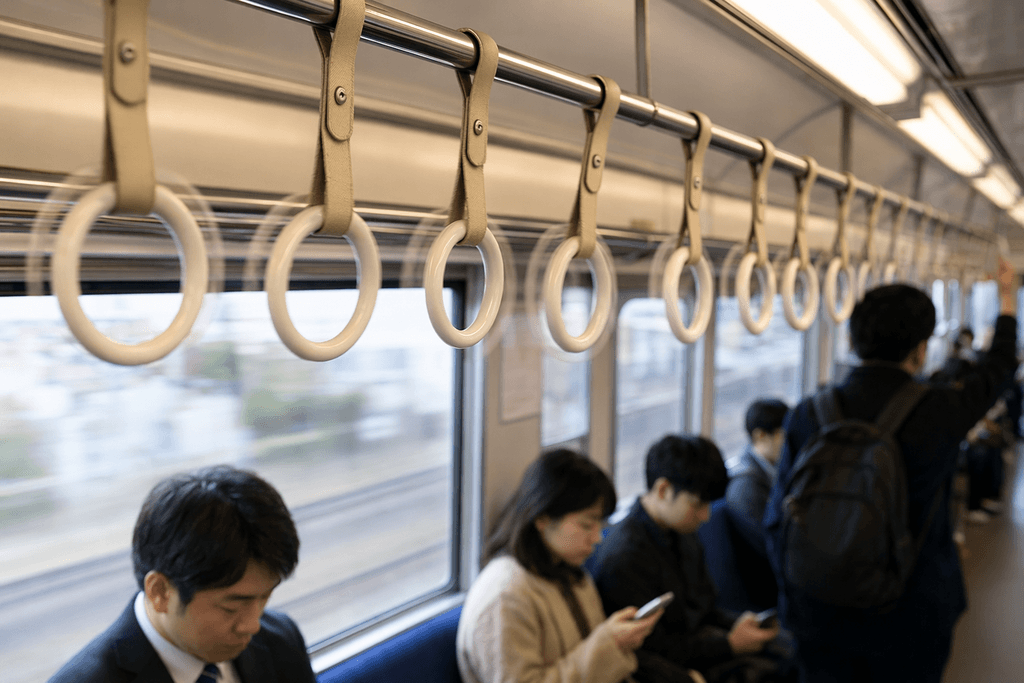
揺れる
晃動 / 搖擺
揺れる
晃動 / 搖擺
Explanation
揺れる
晃動 / 搖擺
揺れる
搖晃 / 震動 / 顛簸
Word Forms
The basic and commonly used forms of this verb.
Basic forms
| Form | Word form | Usage |
|---|---|---|
| Imperfective form (mizenkei) | Connects to endings such as nai, reru, and seru. | |
| Continuative form (renyokei) | Connects to endings such as masu, tai, and ta. | |
| Conclusive form (shushikei) | Ends a sentence and serves as the dictionary form. | |
| Attributive form (rentaikei) | Modifies a noun. | |
| Conditional form (kateikei) | Combines with ba to express a condition. | |
| Imperative form (meireikei) |
Alternative:
揺れよ
|
Expresses a command or instruction. |
Common forms
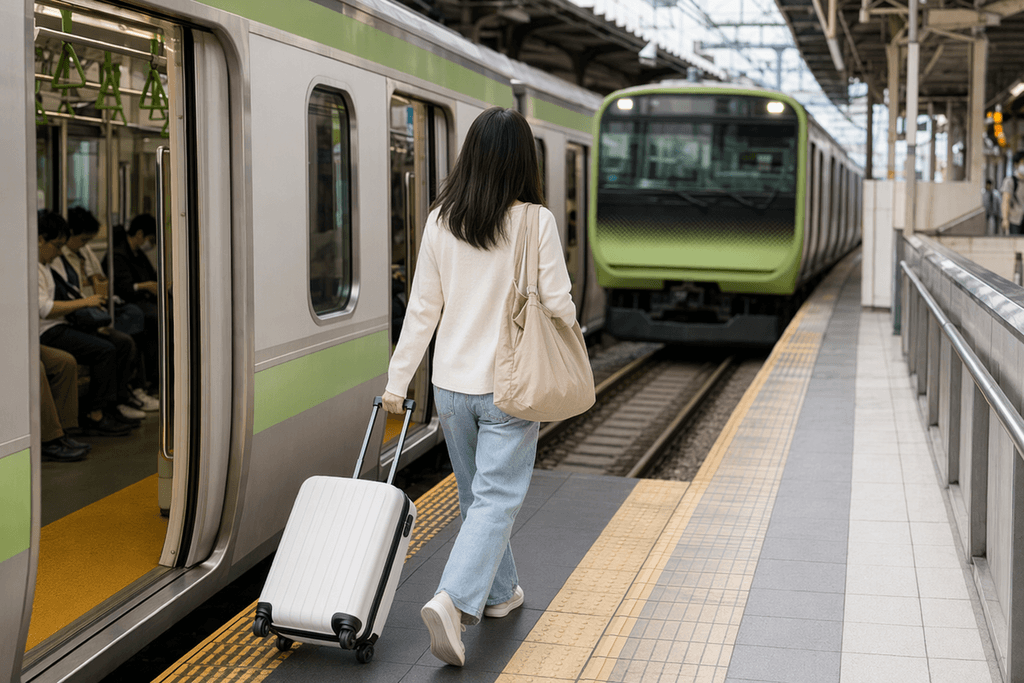
乗り換える
轉乘
乗り換える
轉乘
Explanation
乗り換える
轉乘
乗り換える
換乘(列車、地鐵等) / 轉乘(交通工具)
Word Forms
The basic and commonly used forms of this verb.
Basic forms
| Form | Word form | Usage |
|---|---|---|
| Imperfective form (mizenkei) | Connects to endings such as nai, reru, and seru. | |
| Continuative form (renyokei) | Connects to endings such as masu, tai, and ta. | |
| Conclusive form (shushikei) | Ends a sentence and serves as the dictionary form. | |
| Attributive form (rentaikei) | Modifies a noun. | |
| Conditional form (kateikei) | Combines with ba to express a condition. | |
| Imperative form (meireikei) |
Alternative:
乗り換えよ
|
Expresses a command or instruction. |
Common forms
Loading...

JLPT N4 多言語単語帳・631語 / JLPT N4 Multilingual Vocabulary: 631 Words

Jonathan Waller 氏の JLPT Resources の語彙リスト・レベル分類を出典とし、CC BY の条件に従って DiQt が初級向けに意味を作り直した631語の単語帳です。JLPT公式の語彙リストではありません。
This collection of 631 words is based on the vocabulary list and level classifications in Jonathan Waller’s JLPT Resources under CC BY, with meanings rewritten by DiQt for beginners. It is not an official JLPT vocabulary list.
Key Operations
Select the first quiz:
Ctrl + Enter
View Explanation:Ctrl + G
Close a feedback:Esc
When selecting a quiz
Answer:Enter
Select a choice:↓ or ↑
Reading out the question:Ctrl + K
View Hint: Ctrl + M
I don't know: Ctrl + Y



