
JLPT N4 詞義四選一 - Unsolved

透過四選一題目,用繁體中文學習JLPT N4的631個單字詞義。
-
弄掉
-
計畫
-
踩
- 「おっしゃる」は尊敬語で、「言う」の尊敬表現。
- ラ行五段活用だが、連用形+ますは通常「おっしゃいます」となる特殊な形をとる。
- 命令形は現代語では「おっしゃい」が普通で、「おっしゃれ」も形として存在するが稀。
-
文法
-
下下週
-
失敗 / 失誤
-
剩下
-
不再做
-
咬 / 咀嚼
-
郊外
-
昆蟲
-
辭典
-
理髮師 / 理髮店
-
遺忘的物品
-
兼職工作
-
寂寞的
-
柔軟的
-
嚴格的
- 命令形「酷かれ」は現代語では稀。
-
表揚
-
跳舞
-
持續
-
講課
-
樹林
-
汽油
-
三明治
-
火災
-
絲綢
-
極好的
-
硬的
-
悲傷的
おっしゃる
說
おっしゃる
說
Explanation
說
おっしゃる
(敬語)說 / (敬語)講 / (敬語)表示

Word Forms
The basic and commonly used forms of this verb.
Basic forms
| Form | Word form | Usage |
|---|---|---|
| Imperfective form (mizenkei) |
Alternative:
おっしゃろ
|
Connects to endings such as nai, reru, and seru. |
| Continuative form (renyokei) |
Alternative:
おっしゃり
おっしゃっ
|
Connects to endings such as masu, tai, and ta. |
| Conclusive form (shushikei) | Ends a sentence and serves as the dictionary form. | |
| Attributive form (rentaikei) | Modifies a noun. | |
| Conditional form (kateikei) | Combines with ba to express a condition. | |
| Imperative form (meireikei) |
Alternative:
おっしゃれ
|
Expresses a command or instruction. |
Common forms
| Form | Word form | Usage |
|---|---|---|
| Te-form | Connects clauses with te. | |
| Ta-form | Expresses the past with ta. | |
| Nai-form | Expresses negation with nai. | |
| Masu-form |
Alternative:
おっしゃります
|
Used for polite speech. |
| Ba-form | Expresses a condition with ba. | |
| Volitional form |
Alternative:
おっしゃい
|
Expresses intention or invitation. |
Notes
空気
空氣 / 氣氛
空気
空氣 / 氣氛
Explanation
空気
空氣 / 氣氛
空気
空氣;大氣 / 氛圍;氣氛 / 群體期待或同儕壓力所形塑的氛圍

( Base form )
( romanization )
( kyūjitai )
( hiragana )
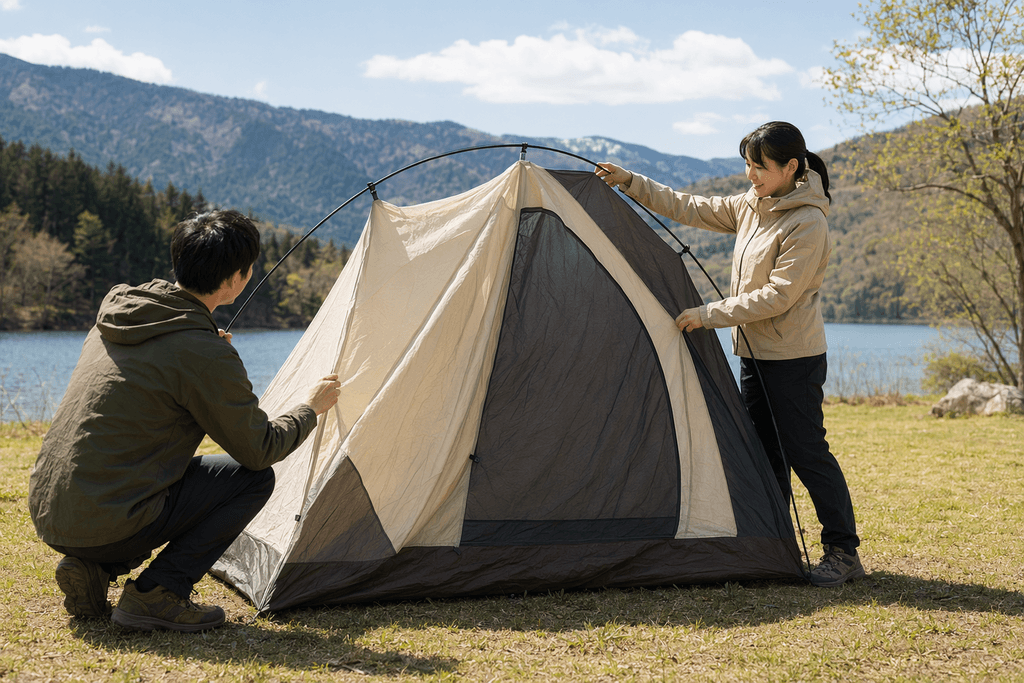
立てる
豎起
立てる
豎起
Explanation
立てる
豎起
立てる
使(物)直立;豎起 / 使(蒸氣、氣體等)冒出 / 在網路上建立討論串
Word Forms
The basic and commonly used forms of this verb.
Basic forms
| Form | Word form | Usage |
|---|---|---|
| Imperfective form (mizenkei) |
Alternative:
立てよ
|
Connects to endings such as nai, reru, and seru. |
| Continuative form (renyokei) | Connects to endings such as masu, tai, and ta. | |
| Conclusive form (shushikei) | Ends a sentence and serves as the dictionary form. | |
| Attributive form (rentaikei) | Modifies a noun. | |
| Conditional form (kateikei) | Combines with ba to express a condition. | |
| Imperative form (meireikei) |
Alternative:
立てよ
|
Expresses a command or instruction. |
Common forms
テニス
網球
テニス
網球
Explanation
網球
テニス
網球 / 網球運動

( romanization )
市民
市民
市民
市民
Explanation
市民
市民
市民
城市居民 / 都市民眾 / 城鎮居民

( Base form )
( romanization )
( hiragana )
酷い
糟糕的
酷い
糟糕的
Explanation
酷い
糟糕的
酷い
殘酷的 / 嚴重的 / 糟糕的
Word Forms
The basic and commonly used forms of this adjective.
Basic forms
| Form | Word form | Usage |
|---|---|---|
| Imperfective form (mizenkei) | Used in forms such as karou; mainly literary. | |
| Continuative form (renyokei) |
Alternative:
酷かっ
|
Used in forms such as kute and kunai. |
| Conclusive form (shushikei) | Ends a sentence. | |
| Attributive form (rentaikei) | Modifies a noun. | |
| Conditional form (kateikei) | Expresses a condition with kereba. | |
| Imperative form (meireikei) | Rarely used in modern Japanese. |
Common forms
| Form | Word form | Usage |
|---|---|---|
| Te-form | Connects clauses with kute. | |
| Ta-form | Expresses the past with katta. | |
| Nai-form | Expresses negation with kunai. | |
| Ba-form | Expresses a condition with kereba. |
Notes
折る
折斷 / 摺疊
折る
折斷 / 摺疊
Explanation
折る
折斷 / 摺疊
折る
彎曲 / 折疊 / 折斷

Word Forms
The basic and commonly used forms of this verb.
Basic forms
| Form | Word form | Usage |
|---|---|---|
| Imperfective form (mizenkei) |
Alternative:
折ろ
|
Connects to endings such as nai, reru, and seru. |
| Continuative form (renyokei) | Connects to endings such as masu, tai, and ta. | |
| Conclusive form (shushikei) | Ends a sentence and serves as the dictionary form. | |
| Attributive form (rentaikei) | Modifies a noun. | |
| Conditional form (kateikei) | Combines with ba to express a condition. | |
| Imperative form (meireikei) | Expresses a command or instruction. |
Common forms
点
分數 / 小點
点
分數 / 小點
Explanation
点
分數 / 小點
点
小點;斑點 / 分數;成績 / 要點;重點

( romanization )
( hiragana )
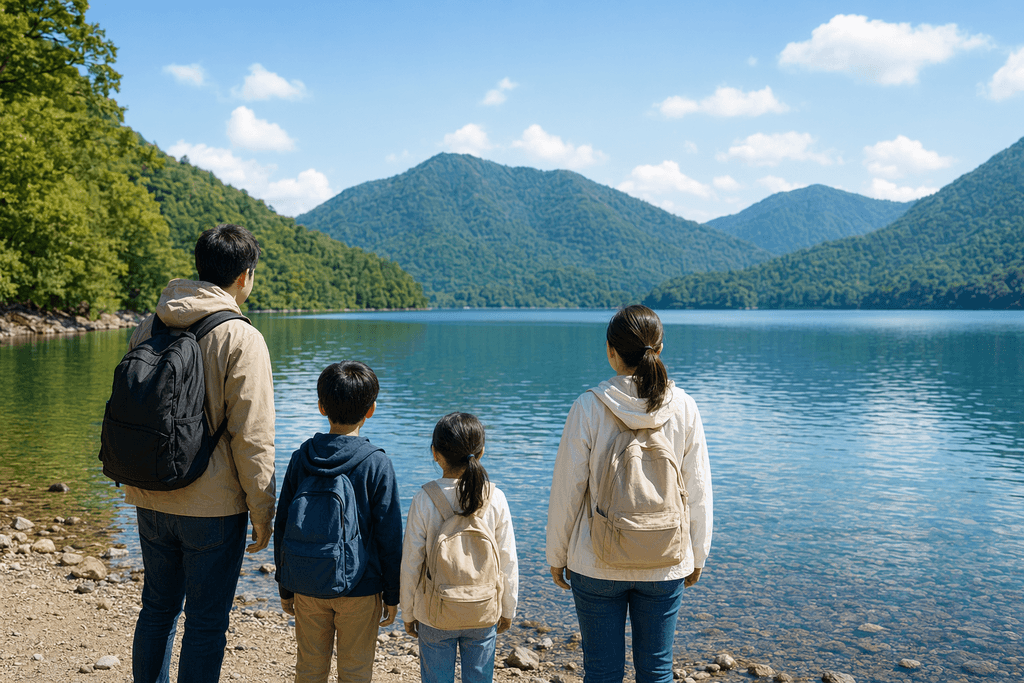
湖
湖
湖
湖
Explanation
湖
湖
湖
內陸的大型水域 / 湖泊
( romanization )
( romanization )
( hiragana historical )
( hiragana )
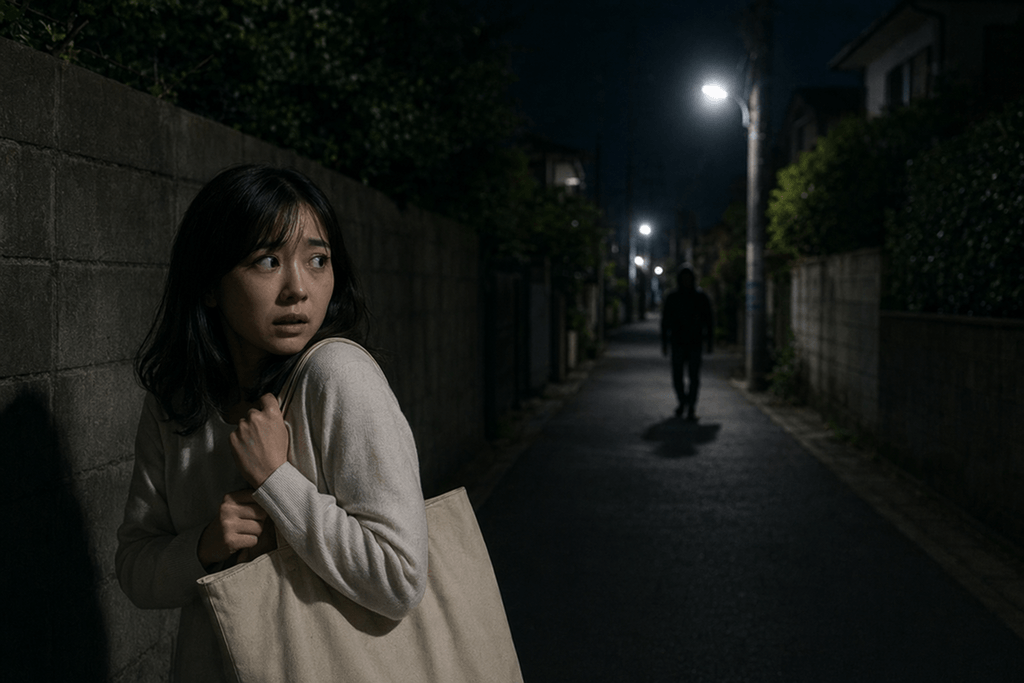
怖い
可怕的
怖い
可怕的
Explanation
怖い
可怕的
怖い
可怕的 / 恐怖的 / 害怕的
Word Forms
The basic and commonly used forms of this adjective.
Basic forms
| Form | Word form | Usage |
|---|---|---|
| Imperfective form (mizenkei) | Used in forms such as karou; mainly literary. | |
| Continuative form (renyokei) |
Alternative:
怖かっ
|
Used in forms such as kute and kunai. |
| Conclusive form (shushikei) | Ends a sentence. | |
| Attributive form (rentaikei) | Modifies a noun. | |
| Conditional form (kateikei) | Expresses a condition with kereba. | |
| Imperative form (meireikei) | Rarely used in modern Japanese. |
Common forms
Loading...

JLPT N4 多言語単語帳・631語 / JLPT N4 Multilingual Vocabulary: 631 Words

Jonathan Waller 氏の JLPT Resources の語彙リスト・レベル分類を出典とし、CC BY の条件に従って DiQt が初級向けに意味を作り直した631語の単語帳です。JLPT公式の語彙リストではありません。
This collection of 631 words is based on the vocabulary list and level classifications in Jonathan Waller’s JLPT Resources under CC BY, with meanings rewritten by DiQt for beginners. It is not an official JLPT vocabulary list.
Key Operations
Select the first quiz:
Ctrl + Enter
View Explanation:Ctrl + G
Close a feedback:Esc
When selecting a quiz
Answer:Enter
Select a choice:↓ or ↑
Reading out the question:Ctrl + K
View Hint: Ctrl + M
I don't know: Ctrl + Y



