
JLPT N4 詞義四選一 - Unsolved

透過四選一題目,用繁體中文學習JLPT N4的631個單字詞義。
-
完全不
-
大大地
-
牢固地 / 穩當地
-
可怕的
-
細小的 / 細緻的
-
美麗的
- 読みは「よろしい」。丁寧・改まった語として「良い/いい」の意味で用いられる。
-
兒子
-
交通
-
規則
-
失敗 / 失誤
-
形狀
-
國際的
-
鬍鬚 / 小鬍子
-
行程 / 計畫
-
佛寺
-
降低 / 掛起
-
考慮
-
找到
- 「伺う」は五段活用(ワ行)の動詞。謙譲語として「尋ねる・聞く・訪問する」などの意味で用いられる。
-
發音
-
體毛 / 獸毛
-
電燈
-
規則
-
垃圾
-
探病
-
道歉
-
繼續做
-
倒下
-
回覆
-
翻譯
-
發音
どんどん
不斷地
どんどん
不斷地
Explanation
不斷地
どんどん
接連不斷地;迅速地 / 咚咚的鼓聲 / 砰、轟的聲響

( Base form )
( Base form )
( romanization )
( hiragana historical )
宜しい
可以的
宜しい
可以的
Explanation
宜しい
可以的
宜しい
好的 / 可以 / 合宜的

Word Forms
The basic and commonly used forms of this adjective.
Basic forms
| Form | Word form | Usage |
|---|---|---|
| Imperfective form (mizenkei) | Used in forms such as karou; mainly literary. | |
| Continuative form (renyokei) |
Alternative:
宜しかっ
|
Used in forms such as kute and kunai. |
| Conclusive form (shushikei) | Ends a sentence. | |
| Attributive form (rentaikei) | Modifies a noun. | |
| Conditional form (kateikei) | Expresses a condition with kereba. | |
| Imperative form (meireikei) | Rarely used in modern Japanese. |
Common forms
| Form | Word form | Usage |
|---|---|---|
| Te-form | Connects clauses with kute. | |
| Ta-form | Expresses the past with katta. | |
| Nai-form | Expresses negation with kunai. | |
| Ba-form | Expresses a condition with kereba. |
Notes
ガス
瓦斯
ガス
瓦斯
Explanation
瓦斯
ガス
天然氣 / 瓦斯 / 濃霧

( romanization )
お嬢さん
女兒 / 年輕小姐
お嬢さん
女兒 / 年輕小姐
Explanation
お嬢さん
女兒 / 年輕小姐
お嬢さん
對他人女兒的敬稱 / 小姐(對年輕女性的稱呼)

( Base form )
( romanization )
政治
政治 / 政務
政治
政治 / 政務
Explanation
政治
政治 / 政務
政治
國家與社會的治理及權力運作 / 公共決策與政策制定 / 公共事務與政治活動的總稱

( Base form )
( romanization )
( romanization )
( hiragana historical )
( hiragana )
伺う
拜訪 / 請教
伺う
拜訪 / 請教
Explanation
伺う
拜訪 / 請教
伺う
(謙)請教、詢問 / (謙)聽聞、受告知 / (謙)拜訪、造訪

Word Forms
The basic and commonly used forms of this verb.
Basic forms
| Form | Word form | Usage |
|---|---|---|
| Imperfective form (mizenkei) |
Alternative:
伺お
|
Connects to endings such as nai, reru, and seru. |
| Continuative form (renyokei) | Connects to endings such as masu, tai, and ta. | |
| Conclusive form (shushikei) | Ends a sentence and serves as the dictionary form. | |
| Attributive form (rentaikei) | Modifies a noun. | |
| Conditional form (kateikei) | Combines with ba to express a condition. | |
| Imperative form (meireikei) | Expresses a command or instruction. |
Common forms
| Form | Word form | Usage |
|---|---|---|
| Te-form | Connects clauses with te. | |
| Ta-form | Expresses the past with ta. | |
| Nai-form | Expresses negation with nai. | |
| Masu-form | Used for polite speech. | |
| Ba-form | Expresses a condition with ba. | |
| Volitional form | Expresses intention or invitation. |
Notes
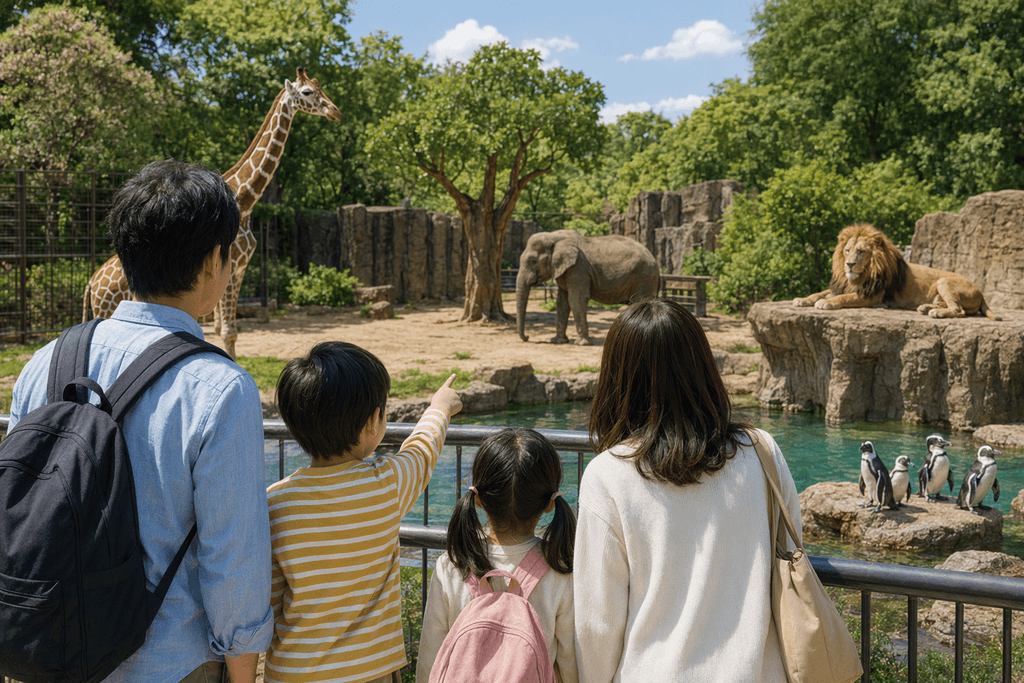
動物園
動物園
動物園
動物園
Explanation
動物園
動物園
動物園
飼養並展示各種動物的場所 / 供公眾參觀、教育與保育動物的機構
( Base form )
( romanization )
( romanization )
( hiragana historical )
( hiragana )
泳ぎ方
游泳方法
泳ぎ方
游泳方法
Explanation
泳ぎ方
游泳方法
泳ぎ方
游泳的方法 / 游泳的方式 / 游泳技巧

役に立つ
有用
役に立つ
有用
Explanation
役に立つ
有用
役に立つ
有用 / 派上用場 / 有幫助

Word Forms
The basic and commonly used forms of this verb.
Basic forms
| Form | Word form | Usage |
|---|---|---|
| Imperfective form (mizenkei) |
Alternative:
役に立と
|
Connects to endings such as nai, reru, and seru. |
| Continuative form (renyokei) | Connects to endings such as masu, tai, and ta. | |
| Conclusive form (shushikei) | Ends a sentence and serves as the dictionary form. | |
| Attributive form (rentaikei) | Modifies a noun. | |
| Conditional form (kateikei) | Combines with ba to express a condition. | |
| Imperative form (meireikei) | Expresses a command or instruction. |
Common forms
内
內部
内
內部
Explanation
内
內部
内
內部;裡面;在…之內 / 之間;當中 / 自家;己方;我/我們的

( romanization )
( hiragana )
Loading...

JLPT N4 多言語単語帳・631語 / JLPT N4 Multilingual Vocabulary: 631 Words

Jonathan Waller 氏の JLPT Resources の語彙リスト・レベル分類を出典とし、CC BY の条件に従って DiQt が初級向けに意味を作り直した631語の単語帳です。JLPT公式の語彙リストではありません。
This collection of 631 words is based on the vocabulary list and level classifications in Jonathan Waller’s JLPT Resources under CC BY, with meanings rewritten by DiQt for beginners. It is not an official JLPT vocabulary list.
Key Operations
Select the first quiz:
Ctrl + Enter
View Explanation:Ctrl + G
Close a feedback:Esc
When selecting a quiz
Answer:Enter
Select a choice:↓ or ↑
Reading out the question:Ctrl + K
View Hint: Ctrl + M
I don't know: Ctrl + Y



