
JLPT N4 詞義四選一 - Unsolved

透過四選一題目,用繁體中文學習JLPT N4的631個單字詞義。
-
除了
-
比例 / 百分比
-
天氣預報
-
逃跑
-
跳舞
-
下車 / 下去
- 現代語の五段活用動詞。見出し表記は通常「思う」。「想う」は感情・イメージを伴う文脈で用いられる異表記。
- 未然形は後続により「思わない」「思おう」のように交替するが、basic.mizen には代表形「思わ」を示した。
-
感謝
-
使用
-
心情
-
下車 / 下去
-
降低 / 掛起
-
看見 / 觀看
- 「挨拶」+「する」から成る複合サ変動詞。
- 未然形「挨拶さ」は主に受身・使役(挨拶される、挨拶させる)で用いる。
-
不便
-
垃圾
-
光
-
垃圾
-
貿易
-
颱風
-
改變
-
寄送
-
探訪
-
交通
-
個人電腦
-
預習
-
塗漆 / 塗抹
-
出發
-
發光
-
絲綢
-
女性
-
行程 / 計畫
ため
為了
ため
為了
Explanation
為了
ため
目的;目標;意圖 / 原因;理由;緣故 / 為某人/某事的利益、好處;為…之故

( romanization )
( hiragana historical )
おもう
想 / 覺得
おもう
想 / 覺得
Explanation
想 / 覺得
おもう
想;思考 / 認為;以為(…と〜) / 思念;嚮往

Word Forms
The basic and commonly used forms of this verb.
Basic forms
| Form | Word form | Usage |
|---|---|---|
| Imperfective form (mizenkei) |
Alternative:
想わ
|
Connects to endings such as nai, reru, and seru. |
| Continuative form (renyokei) |
Alternative:
想い
|
Connects to endings such as masu, tai, and ta. |
| Conclusive form (shushikei) |
Alternative:
想う
|
Ends a sentence and serves as the dictionary form. |
| Attributive form (rentaikei) |
Alternative:
想う
|
Modifies a noun. |
| Conditional form (kateikei) |
Alternative:
想え
|
Combines with ba to express a condition. |
| Imperative form (meireikei) |
Alternative:
想え
|
Expresses a command or instruction. |
Common forms
| Form | Word form | Usage |
|---|---|---|
| Te-form |
Alternative:
想って
|
Connects clauses with te. |
| Ta-form |
Alternative:
想った
|
Expresses the past with ta. |
| Nai-form |
Alternative:
想わない
|
Expresses negation with nai. |
| Masu-form |
Alternative:
想います
|
Used for polite speech. |
| Ba-form |
Alternative:
想えば
|
Expresses a condition with ba. |
| Volitional form |
Alternative:
想おう
|
Expresses intention or invitation. |
Notes
人形
玩偶 / 小塑像
人形
玩偶 / 小塑像
Explanation
人形
玩偶 / 小塑像
人形
人偶;玩偶 / 陳列用假人;人體模型 / 裁縫用人台

( Base form )
( romanization )
( hiragana )
挨拶する
打招呼
挨拶する
打招呼
Explanation
挨拶する
打招呼
挨拶する
打招呼 / 問候 / 致詞

Word Forms
The basic and commonly used forms of this verb.
Basic forms
| Form | Word form | Usage |
|---|---|---|
| Imperfective form (mizenkei) |
Alternative:
挨拶せ
挨拶さ
|
Connects to endings such as nai, reru, and seru. |
| Continuative form (renyokei) | Connects to endings such as masu, tai, and ta. | |
| Conclusive form (shushikei) | Ends a sentence and serves as the dictionary form. | |
| Attributive form (rentaikei) | Modifies a noun. | |
| Conditional form (kateikei) | Combines with ba to express a condition. | |
| Imperative form (meireikei) |
Alternative:
挨拶せよ
|
Expresses a command or instruction. |
Common forms
| Form | Word form | Usage |
|---|---|---|
| Te-form | Connects clauses with te. | |
| Ta-form | Expresses the past with ta. | |
| Nai-form |
Alternative:
挨拶せぬ
挨拶せん
|
Expresses negation with nai. |
| Masu-form | Used for polite speech. | |
| Ba-form | Expresses a condition with ba. | |
| Volitional form | Expresses intention or invitation. |
Notes
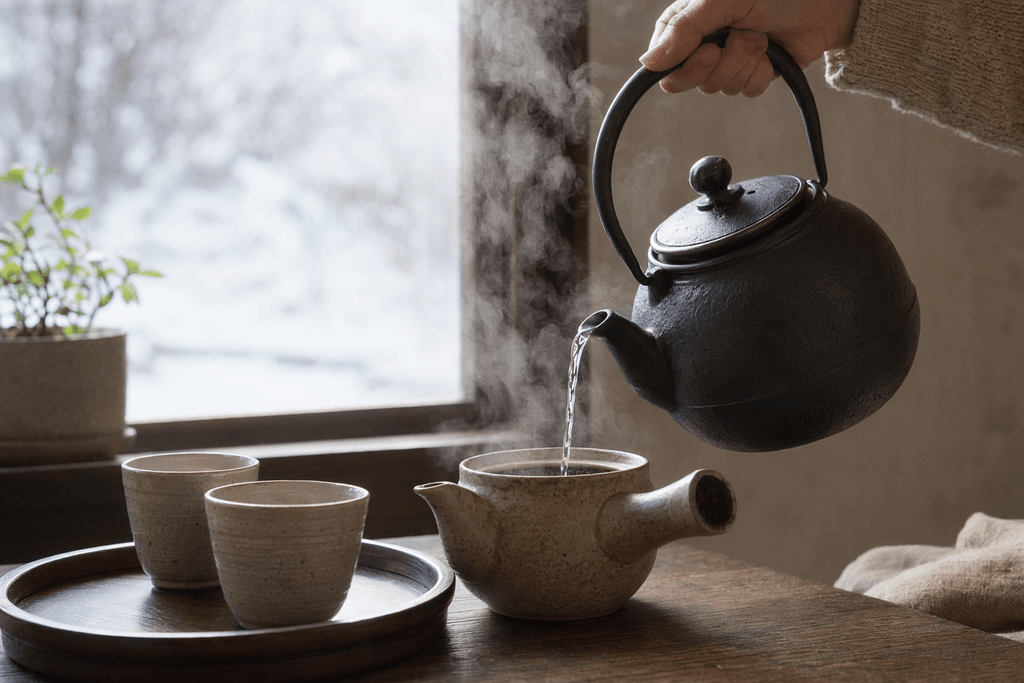
湯
熱水
湯
熱水
Explanation
湯
熱水
湯
熱水 / 溫水 / 沐浴用熱水
( romanization )
( hiragana )
返事
回覆
返事
回覆
Explanation
返事
回覆
返事
回覆 / 回應 / 答覆

( Base form )
( romanization )
( stem )
( Past )
( table-tags )
( inflection-template )
( imperfective stem )
( imperfective stem )
( imperfective )
( continuative stem )
( continuative stem )
( continuative )
( stem terminative )
( stem terminative )
( terminative )
( attributive stem )
( attributive stem )
( attributive )
( hypothetical stem )
( hypothetical stem )
( hypothetical )
( Imperative literary stem )
( colloquial Imperative stem )
( Imperative literary stem )
( colloquial Imperative stem )
( Imperative literary )
( colloquial Imperative )
( Passive voice )
( Passive voice )
( Passive voice )
( causative )
( causative )
( causative )
( causative )
( causative )
( causative )
( potential )
( potential )
( potential )
( volitional )
( volitional )
( volitional )
( negative )
( negative )
( negative )
( continuative negative )
( continuative negative )
( continuative negative )
( formal )
( formal )
( formal )
( perfective )
( perfective )
( perfective )
( conjunctive )
( conjunctive )
( conjunctive )
( Conditional hypothetical )
( Conditional hypothetical )
( Conditional hypothetical )
冷える
變冷
冷える
變冷
Explanation
冷える
變冷
冷える
變冷 / 降溫 / 冷卻

Word Forms
The basic and commonly used forms of this verb.
Basic forms
| Form | Word form | Usage |
|---|---|---|
| Imperfective form (mizenkei) | Connects to endings such as nai, reru, and seru. | |
| Continuative form (renyokei) | Connects to endings such as masu, tai, and ta. | |
| Conclusive form (shushikei) | Ends a sentence and serves as the dictionary form. | |
| Attributive form (rentaikei) | Modifies a noun. | |
| Conditional form (kateikei) | Combines with ba to express a condition. | |
| Imperative form (meireikei) |
Alternative:
冷えよ
|
Expresses a command or instruction. |
Common forms
コンサート
音樂會
コンサート
音樂會
Explanation
音樂會
コンサート
音樂會 / 演奏會 / 演唱會

( romanization )
連れる
帶著去
連れる
帶著去
Explanation
連れる
帶著去
連れる
帶領 / 帶著(某人)同行 / 引導

Word Forms
The basic and commonly used forms of this verb.
Basic forms
| Form | Word form | Usage |
|---|---|---|
| Imperfective form (mizenkei) | Connects to endings such as nai, reru, and seru. | |
| Continuative form (renyokei) | Connects to endings such as masu, tai, and ta. | |
| Conclusive form (shushikei) | Ends a sentence and serves as the dictionary form. | |
| Attributive form (rentaikei) | Modifies a noun. | |
| Conditional form (kateikei) | Combines with ba to express a condition. | |
| Imperative form (meireikei) |
Alternative:
連れよ
|
Expresses a command or instruction. |
Common forms
試合
比賽
試合
比賽
Explanation
試合
比賽
試合
比賽 / 賽事 / 對抗賽
( Base form )
( romanization )
( romanization )
( hiragana historical )
( hiragana )
Loading...

JLPT N4 多言語単語帳・631語 / JLPT N4 Multilingual Vocabulary: 631 Words

Jonathan Waller 氏の JLPT Resources の語彙リスト・レベル分類を出典とし、CC BY の条件に従って DiQt が初級向けに意味を作り直した631語の単語帳です。JLPT公式の語彙リストではありません。
This collection of 631 words is based on the vocabulary list and level classifications in Jonathan Waller’s JLPT Resources under CC BY, with meanings rewritten by DiQt for beginners. It is not an official JLPT vocabulary list.
Key Operations
Select the first quiz:
Ctrl + Enter
View Explanation:Ctrl + G
Close a feedback:Esc
When selecting a quiz
Answer:Enter
Select a choice:↓ or ↑
Reading out the question:Ctrl + K
View Hint: Ctrl + M
I don't know: Ctrl + Y



