
JLPT N4 詞義四選一 - Unsolved

透過四選一題目,用繁體中文學習JLPT N4的631個單字詞義。
-
小鳥
-
祖父
-
三明治
-
地理
-
壁櫥
-
飛機場
-
弄掉
-
領受 / 吃
-
考慮
- 見出し語「滑る(すべる)」は五段活用・ラ行。
-
蒸汽火車
-
鄉下
-
狀況 / 身體狀況
-
肯定
-
馬上
-
最
-
科學
-
數學
-
辦公室
-
活躍的 / 繁榮的
-
親切
-
認真的 / 勤勉的
-
鬍鬚 / 小鬍子
-
工具 / 手段
-
將來 / 前途
-
給
-
燒開水
-
折斷 / 摺疊
- 命令形は「似ろ」が一般的で、「似よ」はやや文語的です。
-
弄壞
-
附著
-
消失 / 遺失
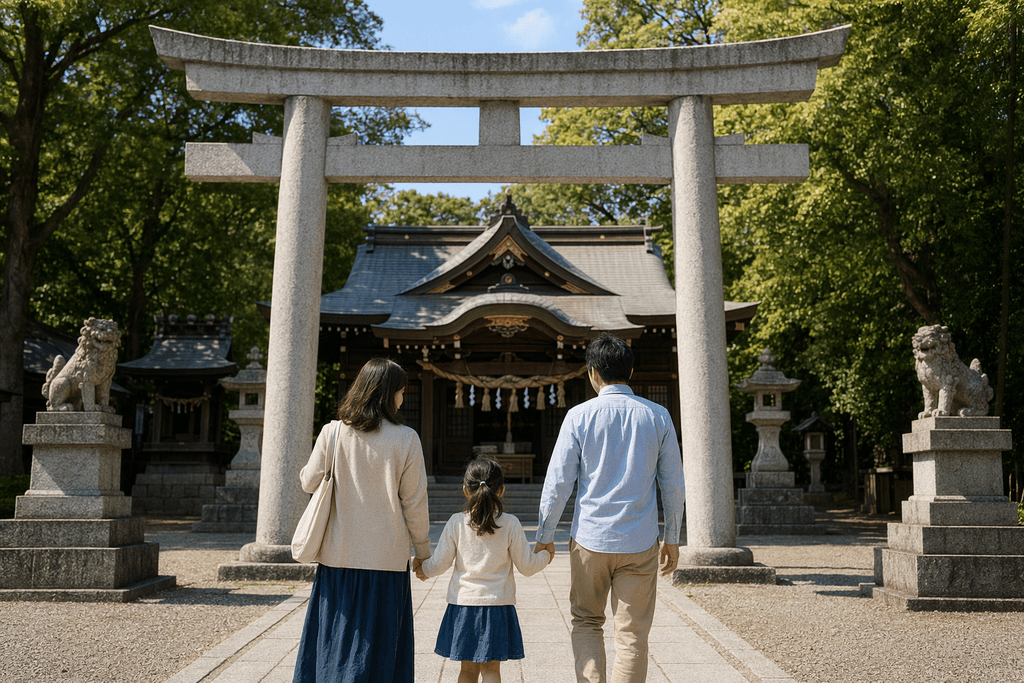
神社
神社
神社
神社
Explanation
神社
神社
神社
日本神道的祭祀場所 / 供奉神明的祠社(尤指日本神道)
( Base form )
( romanization )
( romanization )
( hiragana historical )
( hiragana )
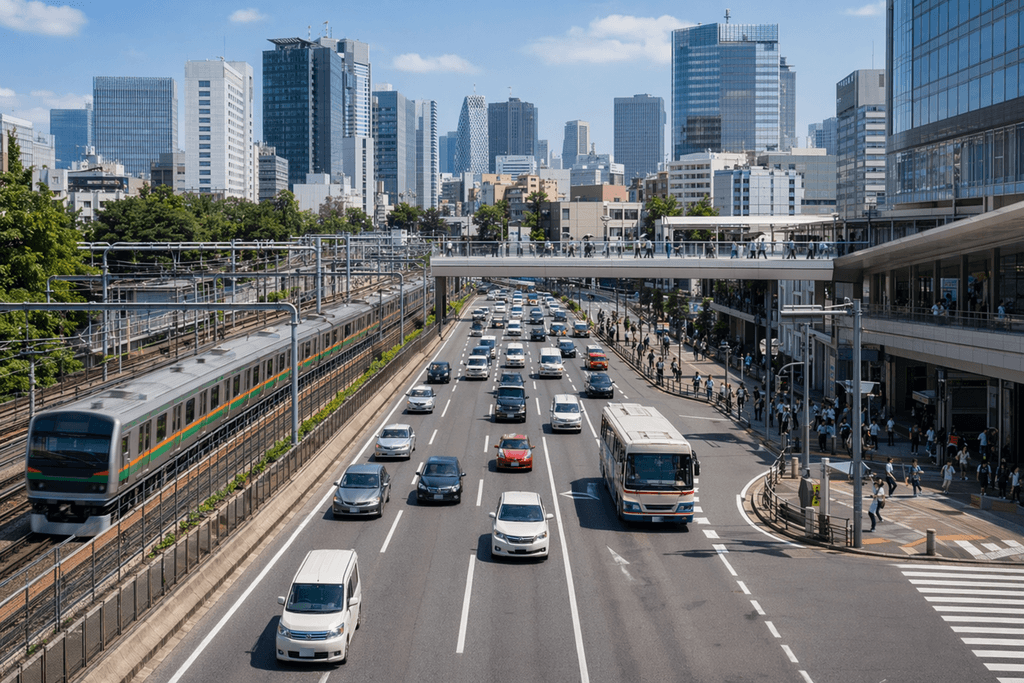
交通
交通
交通
交通
Explanation
交通
交通
交通
道路上人與車輛的流動與通行 / 人員與物資的運輸活動 / 交通狀況或車流情形
( Base form )
( romanization )
( romanization )
( hiragana historical )
( hiragana )
滑る
滑動 / 滑倒
滑る
滑動 / 滑倒
Explanation
滑る
滑動 / 滑倒
滑る
滑行、滑動、打滑 / 考試落榜 / 說溜嘴、失言;笑話冷場

Word Forms
The basic and commonly used forms of this verb.
Basic forms
| Form | Word form | Usage |
|---|---|---|
| Imperfective form (mizenkei) |
Alternative:
滑ろ
|
Connects to endings such as nai, reru, and seru. |
| Continuative form (renyokei) | Connects to endings such as masu, tai, and ta. | |
| Conclusive form (shushikei) | Ends a sentence and serves as the dictionary form. | |
| Attributive form (rentaikei) | Modifies a noun. | |
| Conditional form (kateikei) | Combines with ba to express a condition. | |
| Imperative form (meireikei) | Expresses a command or instruction. |
Common forms
| Form | Word form | Usage |
|---|---|---|
| Te-form | Connects clauses with te. | |
| Ta-form | Expresses the past with ta. | |
| Nai-form | Expresses negation with nai. | |
| Masu-form | Used for polite speech. | |
| Ba-form | Expresses a condition with ba. | |
| Volitional form | Expresses intention or invitation. |
Notes
お土産
伴手禮
お土産
伴手禮
Explanation
お土産
伴手禮

さっき
剛才
さっき
剛才
Explanation
剛才
さっき
剛才 / 剛剛 / 方才

( romanization )
復習
複習
復習
複習
Explanation
復習
複習
復習
重溫已學內容 / 對課程或知識的回顧與檢視

( Base form )
( romanization )
( stem )
( Past )
( table-tags )
( inflection-template )
( imperfective stem )
( imperfective stem )
( imperfective )
( continuative stem )
( continuative stem )
( continuative )
( stem terminative )
( stem terminative )
( terminative )
( attributive stem )
( attributive stem )
( attributive )
( hypothetical stem )
( hypothetical stem )
( hypothetical )
( Imperative literary stem )
( colloquial Imperative stem )
( Imperative literary stem )
( colloquial Imperative stem )
( Imperative literary )
( colloquial Imperative )
( Passive voice )
( Passive voice )
( Passive voice )
( causative )
( causative )
( causative )
( causative )
( causative )
( causative )
( potential )
( potential )
( potential )
( volitional )
( volitional )
( volitional )
( negative )
( negative )
( negative )
( continuative negative )
( continuative negative )
( continuative negative )
( formal )
( formal )
( formal )
( perfective )
( perfective )
( perfective )
( conjunctive )
( conjunctive )
( conjunctive )
( Conditional hypothetical )
( Conditional hypothetical )
( Conditional hypothetical )
無理
不可能的 / 不合理的
無理
不可能的 / 不合理的
Explanation
無理
不可能的 / 不合理的
無理
不可能的;不可行的 / 不合理的;不講道理的

Word Forms
The basic and commonly used forms of this adjectival noun.
Basic forms
| Form | Word form | Usage |
|---|---|---|
| Imperfective form (mizenkei) |
Alternative:
無理でしょ
|
Used in forms such as darou. |
| Continuative form (renyokei) |
Alternative:
無理に
|
Used with de or ni. |
| Conclusive form (shushikei) |
Alternative:
無理です
|
Ends a sentence with da. |
| Attributive form (rentaikei) | Modifies a noun with na. | |
| Conditional form (kateikei) |
Alternative:
無理であれば
|
Expresses a condition with nara. |
| Imperative form (meireikei) | Used in formal expressions such as de are. |
Common forms
心配
擔心
心配
擔心
Explanation
心配
擔心
心配
擔心;憂慮;不安 / 幫忙斡旋;關照

( Base form )
( romanization )
( hiragana )
似る
相似
似る
相似
Explanation
似る
相似
似る
像 / 看起來像 / 相似

Word Forms
The basic and commonly used forms of this verb.
Basic forms
| Form | Word form | Usage |
|---|---|---|
| Imperfective form (mizenkei) |
Alternative:
似よ
|
Connects to endings such as nai, reru, and seru. |
| Continuative form (renyokei) | Connects to endings such as masu, tai, and ta. | |
| Conclusive form (shushikei) | Ends a sentence and serves as the dictionary form. | |
| Attributive form (rentaikei) | Modifies a noun. | |
| Conditional form (kateikei) | Combines with ba to express a condition. | |
| Imperative form (meireikei) |
Alternative:
似よ
|
Expresses a command or instruction. |
Common forms
| Form | Word form | Usage |
|---|---|---|
| Te-form | Connects clauses with te. | |
| Ta-form | Expresses the past with ta. | |
| Nai-form | Expresses negation with nai. | |
| Masu-form | Used for polite speech. | |
| Ba-form | Expresses a condition with ba. | |
| Volitional form | Expresses intention or invitation. |
Notes
盗む
偷竊
盗む
偷竊
Explanation
盗む
偷竊
盗む
偷竊 / 竊取 / 偷走

Word Forms
The basic and commonly used forms of this verb.
Basic forms
| Form | Word form | Usage |
|---|---|---|
| Imperfective form (mizenkei) |
Alternative:
盗も
|
Connects to endings such as nai, reru, and seru. |
| Continuative form (renyokei) |
Alternative:
盗ん
|
Connects to endings such as masu, tai, and ta. |
| Conclusive form (shushikei) | Ends a sentence and serves as the dictionary form. | |
| Attributive form (rentaikei) | Modifies a noun. | |
| Conditional form (kateikei) | Combines with ba to express a condition. | |
| Imperative form (meireikei) | Expresses a command or instruction. |
Common forms
Loading...

JLPT N4 多言語単語帳・631語 / JLPT N4 Multilingual Vocabulary: 631 Words

Jonathan Waller 氏の JLPT Resources の語彙リスト・レベル分類を出典とし、CC BY の条件に従って DiQt が初級向けに意味を作り直した631語の単語帳です。JLPT公式の語彙リストではありません。
This collection of 631 words is based on the vocabulary list and level classifications in Jonathan Waller’s JLPT Resources under CC BY, with meanings rewritten by DiQt for beginners. It is not an official JLPT vocabulary list.
Key Operations
Select the first quiz:
Ctrl + Enter
View Explanation:Ctrl + G
Close a feedback:Esc
When selecting a quiz
Answer:Enter
Select a choice:↓ or ↑
Reading out the question:Ctrl + K
View Hint: Ctrl + M
I don't know: Ctrl + Y



