
JLPT N1: Latihan arti kata - Unsolved

Pelajari arti 3032 kata JLPT N1 dalam bahasa Indonesia melalui soal dengan empat pilihan jawaban.
-
memanipulasi / mengoperasikan
-
menjadi lembap / menjadi makmur
-
memasang perangkap / memulai
- 上一段・下一段型の下一段活用。「SNS映え」などの文脈では俗に「ばえる」と読まれることもあります。
-
menghadap / menghadiri
-
menidurkan / mematangkan
-
memburu-buru
-
pamungkas
-
revisi peraturan
-
penantian penuh harap
-
masa muda
-
hasil pencapaian
-
pesona / inti maksud
-
kegairahan / rangsangan
-
pemantulan / refleks
-
teks asli
-
memesan untuk dikirim
-
memancangkan / menekuni
-
salah melakukan / mengubah
-
kepekaan
-
masa kejayaan
-
berat
-
mengelilingi
-
mengurus
-
menagih utang / mengangkat jabatan
-
sederhana
-
ramah
-
kurang peka
-
bersenandung
-
mengasah / mencuci beras
-
membiarkan lolos / melewatkan kesempatan
映える
tampak menawan
映える
tampak menawan
Explanation
映える
tampak menawan
映える
tampak menarik / bersinar / menonjol
Foto yang diedit berlebihan demi terlihat bagus di media sosial mungkin tampak menarik sesaat, tetapi karena kesenjangan dengan kenyataan, justru rasa hampa semakin bertambah.

Word Forms
The basic and commonly used forms of this verb.
Basic forms
| Form | Word form | Usage |
|---|---|---|
| Imperfective form (mizenkei) | Connects to endings such as nai, reru, and seru. | |
| Continuative form (renyokei) | Connects to endings such as masu, tai, and ta. | |
| Conclusive form (shushikei) | Ends a sentence and serves as the dictionary form. | |
| Attributive form (rentaikei) | Modifies a noun. | |
| Conditional form (kateikei) | Combines with ba to express a condition. | |
| Imperative form (meireikei) |
Alternative:
映えよ
|
Expresses a command or instruction. |
Common forms
| Form | Word form | Usage |
|---|---|---|
| Te-form | Connects clauses with te. | |
| Ta-form | Expresses the past with ta. | |
| Nai-form | Expresses negation with nai. | |
| Masu-form | Used for polite speech. | |
| Ba-form | Expresses a condition with ba. | |
| Volitional form | Expresses intention or invitation. |
Notes
唸る
mengerang / menggeram
唸る
mengerang / menggeram
Explanation
唸る
mengerang / menggeram
唸る
menggeram / mengerang / mengaum

Word Forms
The basic and commonly used forms of this verb.
Basic forms
| Form | Word form | Usage |
|---|---|---|
| Imperfective form (mizenkei) | Connects to endings such as nai, reru, and seru. | |
| Continuative form (renyokei) | Connects to endings such as masu, tai, and ta. | |
| Conclusive form (shushikei) | Ends a sentence and serves as the dictionary form. | |
| Attributive form (rentaikei) | Modifies a noun. | |
| Conditional form (kateikei) | Combines with ba to express a condition. | |
| Imperative form (meireikei) | Expresses a command or instruction. |
Common forms
自動詞
verba intransitif
自動詞
verba intransitif
Explanation
自動詞
verba intransitif
自動詞
verba intransitif / kata kerja yang tidak memerlukan objek / kata kerja taktransitif

( Base form )
( romanization )
( hiragana )
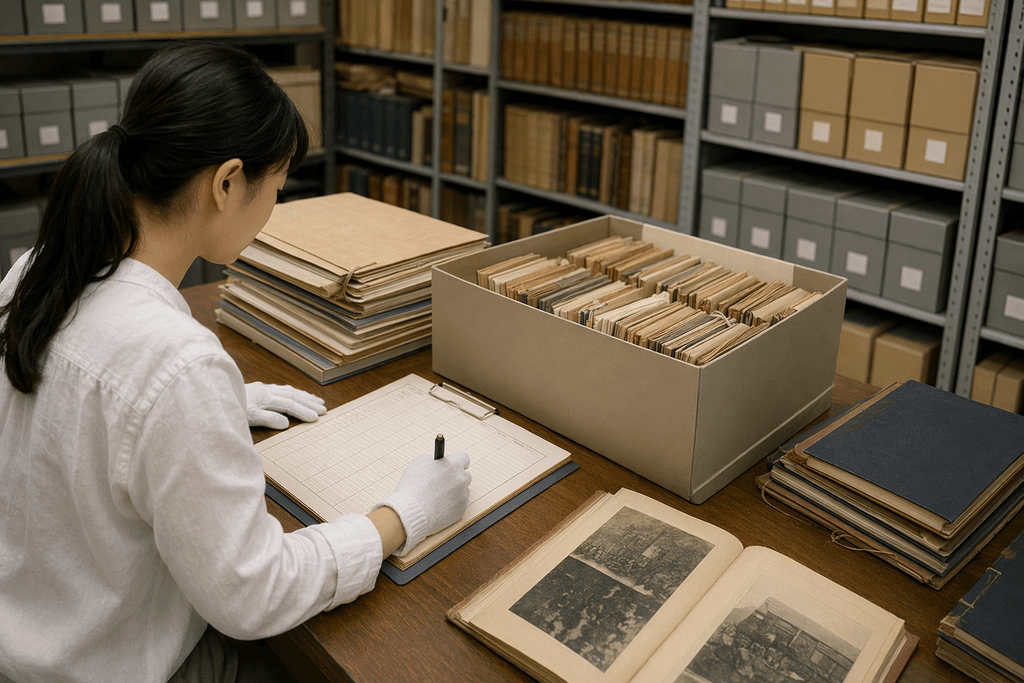
目録
katalog
目録
katalog
Explanation
目録
katalog
目録
katalog / daftar / inventaris
( Base form )
( romanization )
( hiragana )
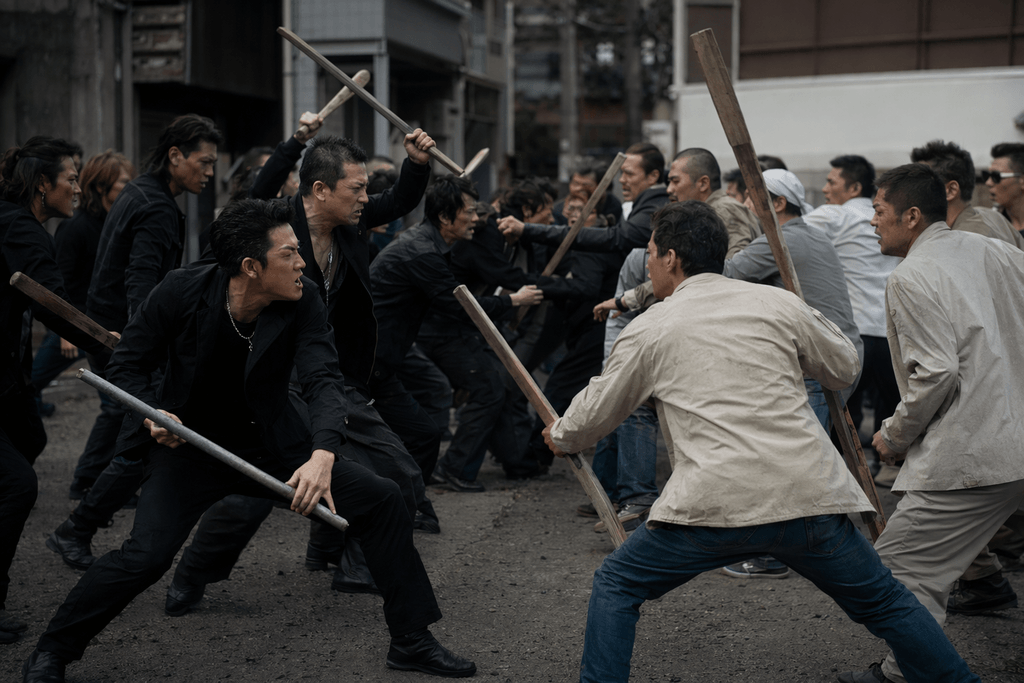
抗争
pertikaian
抗争
pertikaian
Explanation
抗争
pertikaian
抗争
perlawanan / pertikaian / pertentangan
( Base form )
( romanization )
( hiragana )
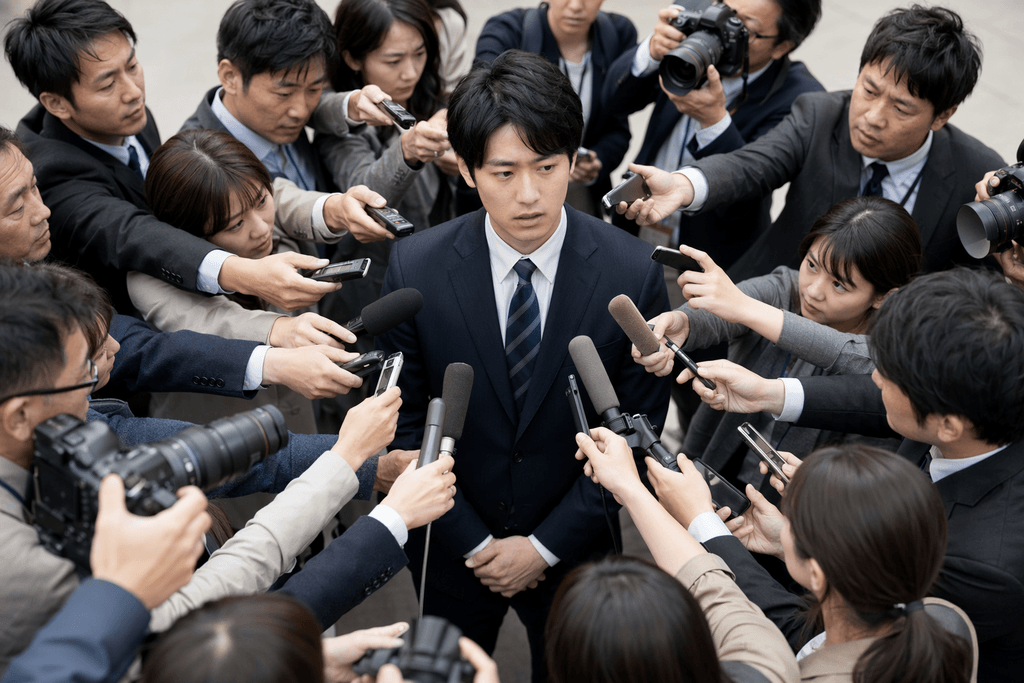
取り巻く
mengelilingi
取り巻く
mengelilingi
Explanation
取り巻く
mengelilingi
取り巻く
mengelilingi / mengepung / berkerumun mengelilingi
Word Forms
The basic and commonly used forms of this verb.
Basic forms
| Form | Word form | Usage |
|---|---|---|
| Imperfective form (mizenkei) |
Alternative:
取り巻こ
|
Connects to endings such as nai, reru, and seru. |
| Continuative form (renyokei) | Connects to endings such as masu, tai, and ta. | |
| Conclusive form (shushikei) | Ends a sentence and serves as the dictionary form. | |
| Attributive form (rentaikei) | Modifies a noun. | |
| Conditional form (kateikei) | Combines with ba to express a condition. | |
| Imperative form (meireikei) | Expresses a command or instruction. |
Common forms
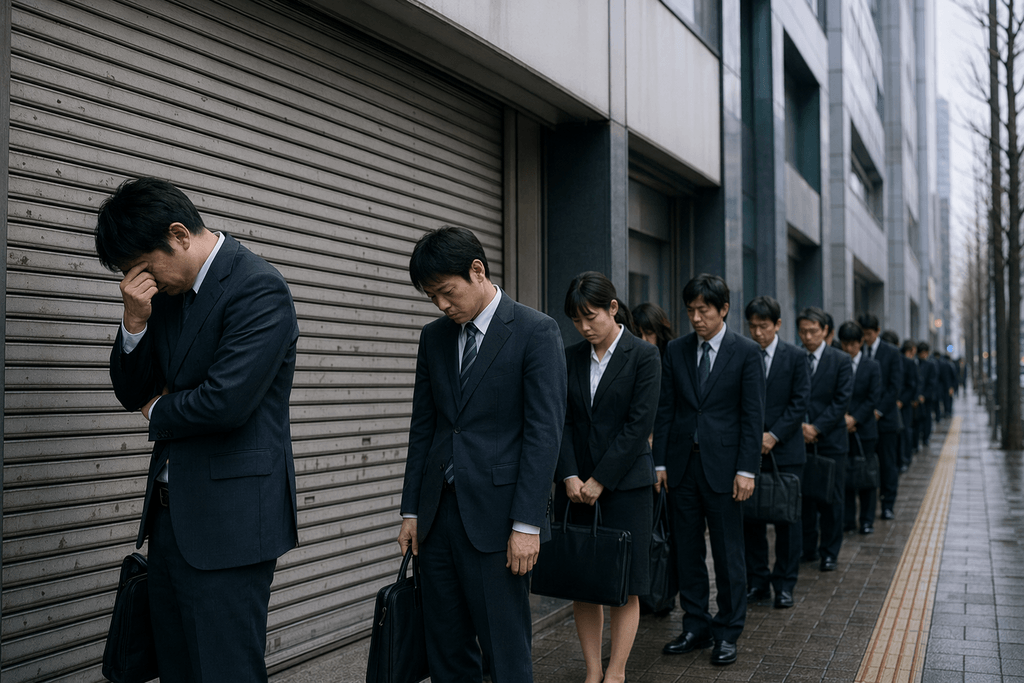
不況
resesi
不況
resesi
Explanation
不況
resesi
不況
resesi ekonomi / kemerosotan ekonomi / depresi ekonomi
Menanggapi resesi yang berkepanjangan, pemerintah meluncurkan paket stimulus tambahan yang memprioritaskan pemertahanan lapangan kerja sebagai yang paling utama.
( Base form )
( romanization )
( hiragana )
取り締まる
menertibkan
取り締まる
menertibkan
Explanation
取り締まる
menertibkan
取り締まる
mengawasi / mengendalikan / menertibkan

Word Forms
The basic and commonly used forms of this verb.
Basic forms
| Form | Word form | Usage |
|---|---|---|
| Imperfective form (mizenkei) |
Alternative:
取り締まろ
|
Connects to endings such as nai, reru, and seru. |
| Continuative form (renyokei) | Connects to endings such as masu, tai, and ta. | |
| Conclusive form (shushikei) | Ends a sentence and serves as the dictionary form. | |
| Attributive form (rentaikei) | Modifies a noun. | |
| Conditional form (kateikei) | Combines with ba to express a condition. | |
| Imperative form (meireikei) | Expresses a command or instruction. |
Common forms
鮮やか
cerah / cemerlang
鮮やか
cerah / cemerlang
Explanation
鮮やか
cerah / cemerlang
鮮やか
cerah / mencolok / piawai

Word Forms
The basic and commonly used forms of this adjectival noun.
Basic forms
| Form | Word form | Usage |
|---|---|---|
| Imperfective form (mizenkei) |
Alternative:
鮮やかでしょ
|
Used in forms such as darou. |
| Continuative form (renyokei) |
Alternative:
鮮やかに
鮮やかだっ
|
Used with de or ni. |
| Conclusive form (shushikei) | Ends a sentence with da. | |
| Attributive form (rentaikei) |
Alternative:
鮮やかである
|
Modifies a noun with na. |
| Conditional form (kateikei) |
Alternative:
鮮やかであれば
|
Expresses a condition with nara. |
| Imperative form (meireikei) | Used in formal expressions such as de are. |
Common forms
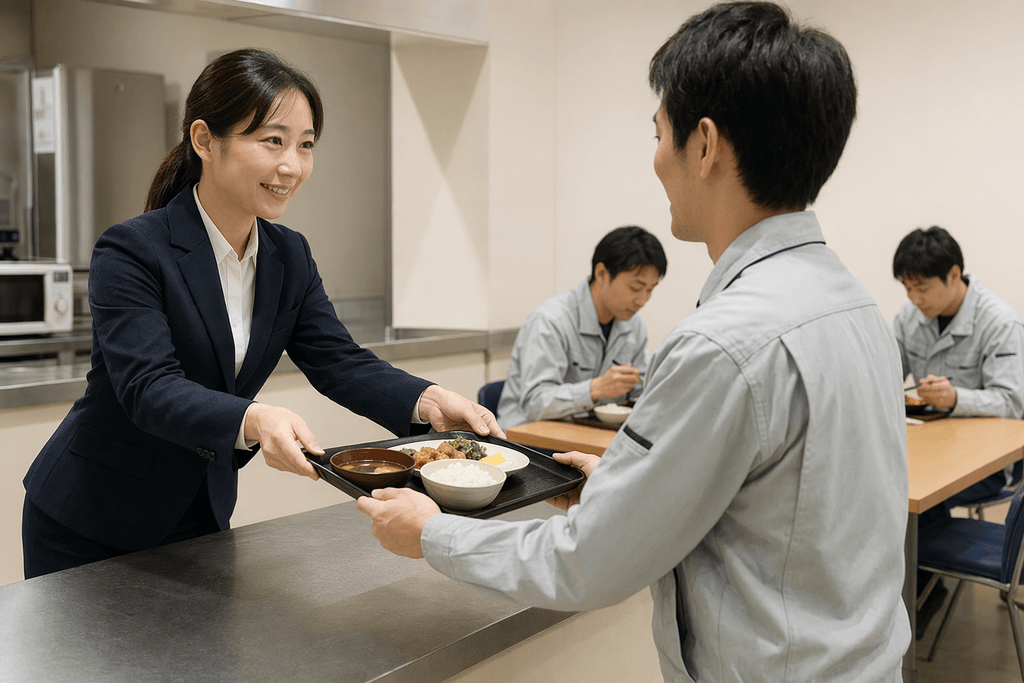
賄う
menyediakan makanan / menanggung biaya
賄う
menyediakan makanan / menanggung biaya
Explanation
賄う
menyediakan makanan / menanggung biaya
賄う
menyediakan makanan / menanggung biaya / membiayai
Sebagai bagian dari tunjangan kesejahteraan, perusahaan telah memperkenalkan program yang menanggung biaya makan bagi pekerja shift malam, guna meningkatkan pengelolaan kesehatan dan tingkat retensi karyawan.
Word Forms
The basic and commonly used forms of this verb.
Basic forms
| Form | Word form | Usage |
|---|---|---|
| Imperfective form (mizenkei) |
Alternative:
賄お
|
Connects to endings such as nai, reru, and seru. |
| Continuative form (renyokei) | Connects to endings such as masu, tai, and ta. | |
| Conclusive form (shushikei) | Ends a sentence and serves as the dictionary form. | |
| Attributive form (rentaikei) | Modifies a noun. | |
| Conditional form (kateikei) | Combines with ba to express a condition. | |
| Imperative form (meireikei) | Expresses a command or instruction. |
Common forms
Loading...

JLPT N1 多言語単語帳・3032語 / JLPT N1 Multilingual Vocabulary: 3032 Words

Jonathan Waller 氏の JLPT Resources の語彙リスト・レベル分類を出典とし、CC BY の条件に従って DiQt が学習者向けに意味を作り直した3032語の単語帳です。JLPT公式の語彙リストではありません。
This collection of 3032 words is based on the vocabulary list and level classifications in Jonathan Waller’s JLPT Resources under CC BY, with meanings rewritten by DiQt for learners. It is not an official JLPT vocabulary list.
Key Operations
Select the first quiz:
Ctrl + Enter
View Explanation:Ctrl + G
Close a feedback:Esc
When selecting a quiz
Answer:Enter
Select a choice:↓ or ↑
Reading out the question:Ctrl + K
View Hint: Ctrl + M
I don't know: Ctrl + Y



