
JLPT N1: Kahulugan ng mga salita - Unsolved

Alamin ang kahulugan ng 3032 salita sa JLPT N1 sa Filipino sa pamamagitan ng mga tanong na may apat na pagpipilian.
-
sabayang pagpapakamatay
-
matibay na pasiya
-
pag-aaplay
-
sistema
-
saklaw / sona
-
katotohanan / katapatan
-
pagpapahiram / kakayahang umangkop
-
usbong ng bulaklak
-
mansiyon
-
manipulahin / patakbuhin
-
isiksik
-
maningil ng utang / itaguyod sa puwesto
- 標準的には下一段活用として扱う。くだけた用法では五段化した「湿気った」「湿気って」なども見られる。
-
mapagparaya
-
walang katwiran / padalus-dalos
-
eksakto
-
paglilimita
-
pagbasura
-
pag-uugnay
-
pagdalo sa lugar
-
sigasig
-
bahagi ng ruta
-
pagtatakda ng estado
-
pagkasensitibo
-
munting modelo
-
matuklap / kumupas
-
humarap sa
-
makatakas
-
malungkot / nakakayamot
-
patag / payak
-
maliksi
- 口語的なイ形容詞。
母校
paaralang pinagtapusan
母校
paaralang pinagtapusan
Explanation
母校
paaralang pinagtapusan
母校
paaralang pinanggalingan / paaralang pinagtapusan / alma mater

( Base form )
( romanization )
( hiragana )
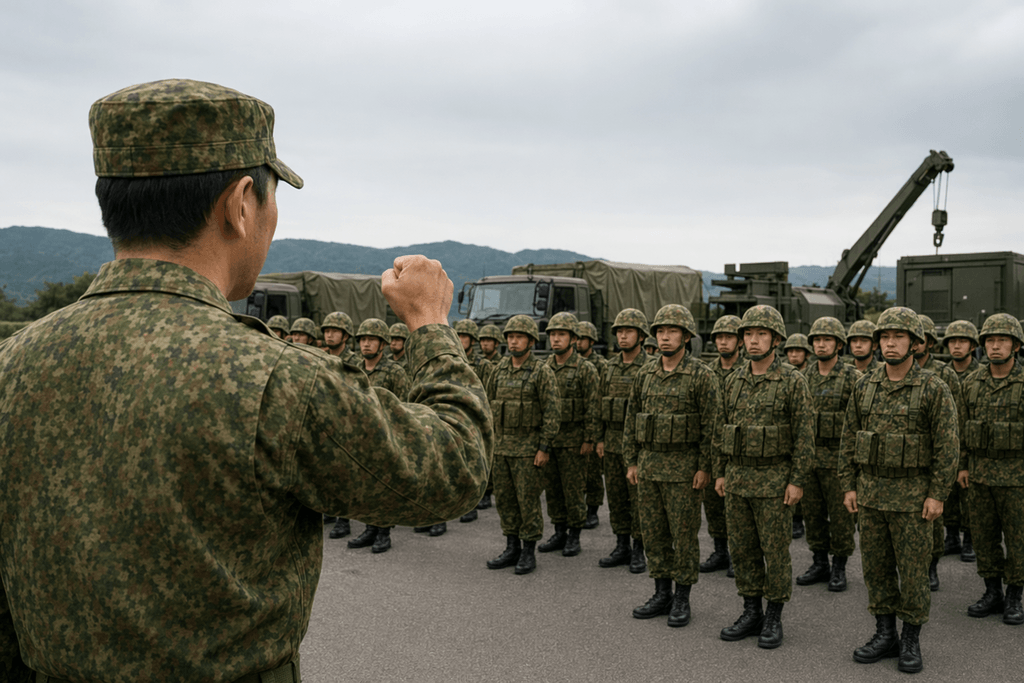
動員
mobilisasyon
動員
mobilisasyon
Explanation
動員
mobilisasyon
動員
mobilisasyon / pagpapakilos ng mga tao/puwersa para sa layunin / pagtitipon ng tauhan at yaman para sa operasyon
( Base form )
( romanization )
( hiragana )
取っ手
hawakan
取っ手
hawakan
Explanation
取っ手
hawakan
取っ手
hawakan / pihitan / panghawak
Dahil muntik nang matanggal ang hawakan ng lumang drawer, pansamantala niya itong tinalian at inangkla gamit ang alambre bilang agarang lunas, at nagpasya siyang palitan ito nang maayos sa susunod na araw.

( Base form )
( romanization )
( hiragana )
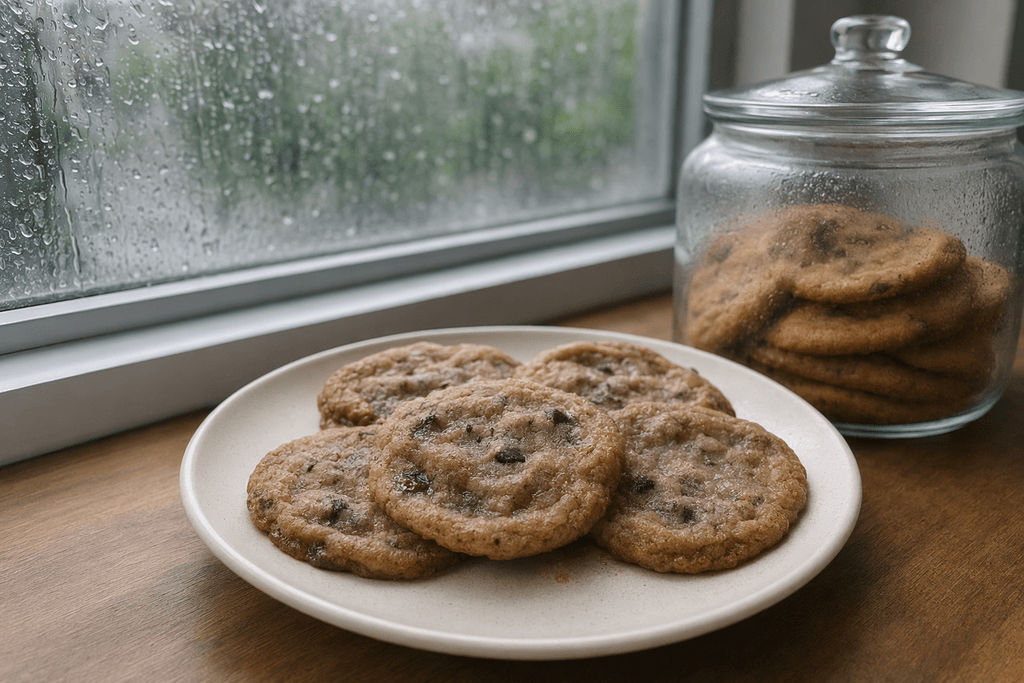
湿気る
mamasa
湿気る
mamasa
Explanation
湿気る
mamasa
湿気る
humalumigmig / mabasa-basa / mamasa-masa
Sa panahon ng tag-ulan, kahit na ang damong-dagat na akala mo ay inilagay mo sa isang lalagyan na hindi tinatagusan ng hangin ay maaaring maging mamasa-masa mula sa kahalumigmigan na tumatagos sa pamamagitan ng pinakamaliit na puwang.
Word Forms
The basic and commonly used forms of this verb.
Basic forms
| Form | Word form | Usage |
|---|---|---|
| Imperfective form (mizenkei) | Connects to endings such as nai, reru, and seru. | |
| Continuative form (renyokei) | Connects to endings such as masu, tai, and ta. | |
| Conclusive form (shushikei) | Ends a sentence and serves as the dictionary form. | |
| Attributive form (rentaikei) | Modifies a noun. | |
| Conditional form (kateikei) | Combines with ba to express a condition. | |
| Imperative form (meireikei) |
Alternative:
湿気よ
|
Expresses a command or instruction. |
Common forms
| Form | Word form | Usage |
|---|---|---|
| Te-form |
Alternative:
湿気って
|
Connects clauses with te. |
| Ta-form |
Alternative:
湿気った
|
Expresses the past with ta. |
| Nai-form |
Alternative:
湿気らない
|
Expresses negation with nai. |
| Masu-form |
Alternative:
湿気ります
|
Used for polite speech. |
| Ba-form | Expresses a condition with ba. | |
| Volitional form | Expresses intention or invitation. |
Notes
達者
bihasa / malusog
達者
bihasa / malusog
Explanation
達者
bihasa / malusog
達者
matatas / bihasa / malusog
Kahit na matapos ang pitumpung taon, matatas pa rin siya sa Ingles, Pranses, at Aleman, at agad niyang nabigyang-kahulugan kahit na ang mapanlinlang na pagmamaniobra sa mga internasyonal na kumperensya.

Word Forms
The basic and commonly used forms of this adjectival noun.
Basic forms
| Form | Word form | Usage |
|---|---|---|
| Imperfective form (mizenkei) | Used in forms such as darou. | |
| Continuative form (renyokei) |
Alternative:
達者に
達者だっ
|
Used with de or ni. |
| Conclusive form (shushikei) | Ends a sentence with da. | |
| Attributive form (rentaikei) | Modifies a noun with na. | |
| Conditional form (kateikei) |
Alternative:
達者であれば
|
Expresses a condition with nara. |
| Imperative form (meireikei) | Used in formal expressions such as de are. |
Common forms
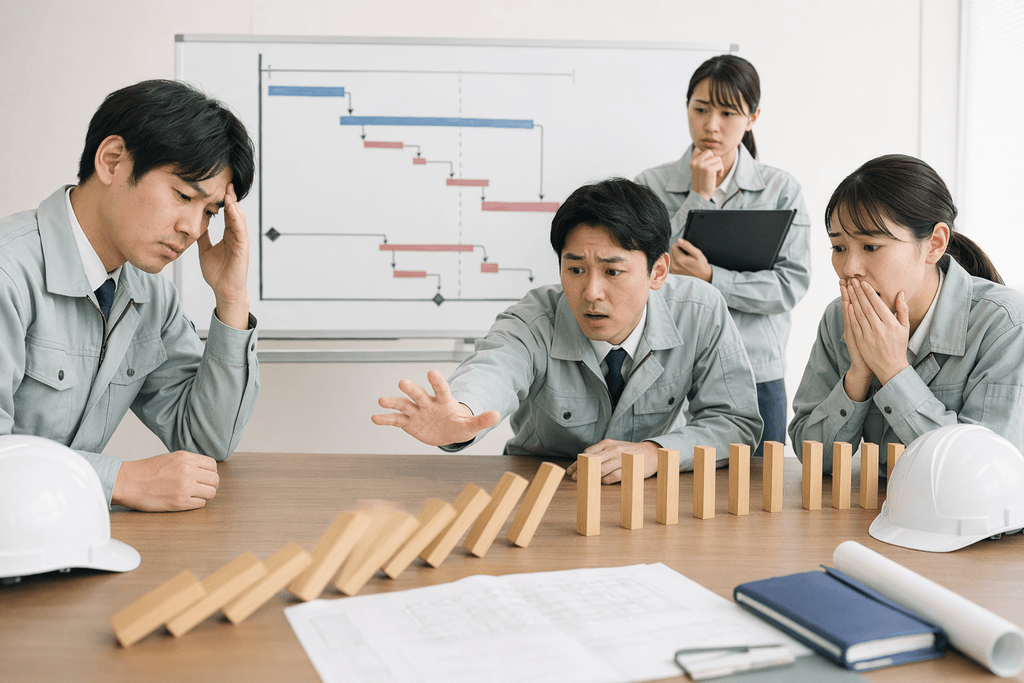
遅れ
pagkaantala
遅れ
pagkaantala
Explanation
遅れ
pagkaantala
遅れ
pagkaantala o pagpapaliban / pagkahuli o pagkaatrasado / pag-aalinlangan
Ang bahagyang pagkaantala ay sunod-sunod na kumalat sa buong proseso, at sa huli ay napilitan kaming muling makipag-usap para sa pagbabago ng petsa ng paghahatid.
( Base form )
( romanization )
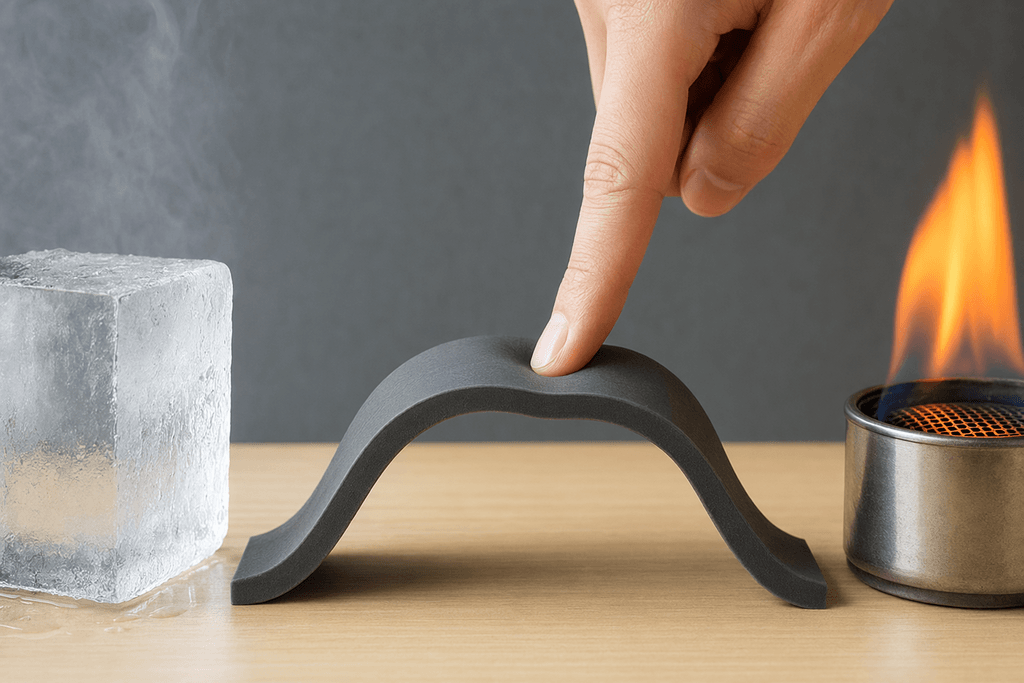
弾力
pagkaelastiko
弾力
pagkaelastiko
Explanation
弾力
pagkaelastiko
弾力
elastisidad / pagiging nababanat / kakayahang umunat at bumalik sa dati
( Base form )
( romanization )
( kyūjitai )
( hiragana )
交渉
negosasyon
交渉
negosasyon
Explanation
交渉
negosasyon
交渉
negosasyon / pakikipagkasundo / pagtatawaran
Sa kabila ng pagiging mahirap ng mga negosasyon, patuloy na sinuri ng magkabilang panig ang puwang para sa kompromiso, at sa huli ay nakarating sa isang kasunduan.

( Base form )
( romanization )
( kyūjitai )
( hiragana )
結び付く
maugnay
結び付く
maugnay
Explanation
結び付く
maugnay
結び付く
magkadugtong / magkaugnay / tumugma

Word Forms
The basic and commonly used forms of this verb.
Basic forms
| Form | Word form | Usage |
|---|---|---|
| Imperfective form (mizenkei) |
Alternative:
結び付こ
結びつか
結びつこ
|
Connects to endings such as nai, reru, and seru. |
| Continuative form (renyokei) |
Alternative:
結び付い
結びつき
結びつい
|
Connects to endings such as masu, tai, and ta. |
| Conclusive form (shushikei) |
Alternative:
結びつく
|
Ends a sentence and serves as the dictionary form. |
| Attributive form (rentaikei) |
Alternative:
結びつく
|
Modifies a noun. |
| Conditional form (kateikei) |
Alternative:
結びつけ
|
Combines with ba to express a condition. |
| Imperative form (meireikei) |
Alternative:
結びつけ
|
Expresses a command or instruction. |
Common forms
| Form | Word form | Usage |
|---|---|---|
| Te-form |
Alternative:
結びついて
|
Connects clauses with te. |
| Ta-form |
Alternative:
結びついた
|
Expresses the past with ta. |
| Nai-form |
Alternative:
結びつかない
|
Expresses negation with nai. |
| Masu-form |
Alternative:
結びつきます
|
Used for polite speech. |
| Ba-form |
Alternative:
結びつけば
|
Expresses a condition with ba. |
| Volitional form |
Alternative:
結びつこう
|
Expresses intention or invitation. |
でかい
napakalaki
でかい
napakalaki
Explanation
napakalaki
でかい
malaki / sobrang laki / matindi

Word Forms
The basic and commonly used forms of this adjective.
Basic forms
| Form | Word form | Usage |
|---|---|---|
| Imperfective form (mizenkei) | Used in forms such as karou; mainly literary. | |
| Continuative form (renyokei) |
Alternative:
でかかっ
|
Used in forms such as kute and kunai. |
| Conclusive form (shushikei) | Ends a sentence. | |
| Attributive form (rentaikei) | Modifies a noun. | |
| Conditional form (kateikei) | Expresses a condition with kereba. | |
| Imperative form (meireikei) | Rarely used in modern Japanese. |
Common forms
| Form | Word form | Usage |
|---|---|---|
| Te-form | Connects clauses with kute. | |
| Ta-form | Expresses the past with katta. | |
| Nai-form | Expresses negation with kunai. | |
| Ba-form | Expresses a condition with kereba. | |
| Volitional form | Usage depends on context. |
Notes
Loading...

JLPT N1 多言語単語帳・3032語 / JLPT N1 Multilingual Vocabulary: 3032 Words

Jonathan Waller 氏の JLPT Resources の語彙リスト・レベル分類を出典とし、CC BY の条件に従って DiQt が学習者向けに意味を作り直した3032語の単語帳です。JLPT公式の語彙リストではありません。
This collection of 3032 words is based on the vocabulary list and level classifications in Jonathan Waller’s JLPT Resources under CC BY, with meanings rewritten by DiQt for learners. It is not an official JLPT vocabulary list.
Key Operations
Select the first quiz:
Ctrl + Enter
View Explanation:Ctrl + G
Close a feedback:Esc
When selecting a quiz
Answer:Enter
Select a choice:↓ or ↑
Reading out the question:Ctrl + K
View Hint: Ctrl + M
I don't know: Ctrl + Y



