
JLPT N1: Kahulugan ng mga salita - Unsolved

Alamin ang kahulugan ng 3032 salita sa JLPT N1 sa Filipino sa pamamagitan ng mga tanong na may apat na pagpipilian.
-
pagkumpiska
-
gusali ng parlamento
-
lupaing pag-aari
-
pamamahala
-
pagtaas
-
tunog ng kampanilya
-
ipukpok / ibuhos ang sarili
-
magtanong ng impormasyon
-
dakpin
-
pakiusap
-
lalo na
-
higit sa lahat
-
nang pilit
-
nang kusa
-
madali / banayad ang timpla
-
lasa / halina
-
boto
-
pasalitang pahayag
-
natulala
-
mahinahon / banayad
-
maagap
-
presko
-
maayos
-
lantaran / prangka
- 程度や変化量が大きいことを表すナ形容詞。連用修飾では「大幅に」がよく用いられる。
-
pangwakas / pagtatali
-
bagay na pisikal
-
daloy ng hangin
-
katotohanan
-
mangangalakal
-
saloobin / hangarin
良識
mabuting pagpapasiya
良識
mabuting pagpapasiya
Explanation
良識
mabuting pagpapasiya
良識
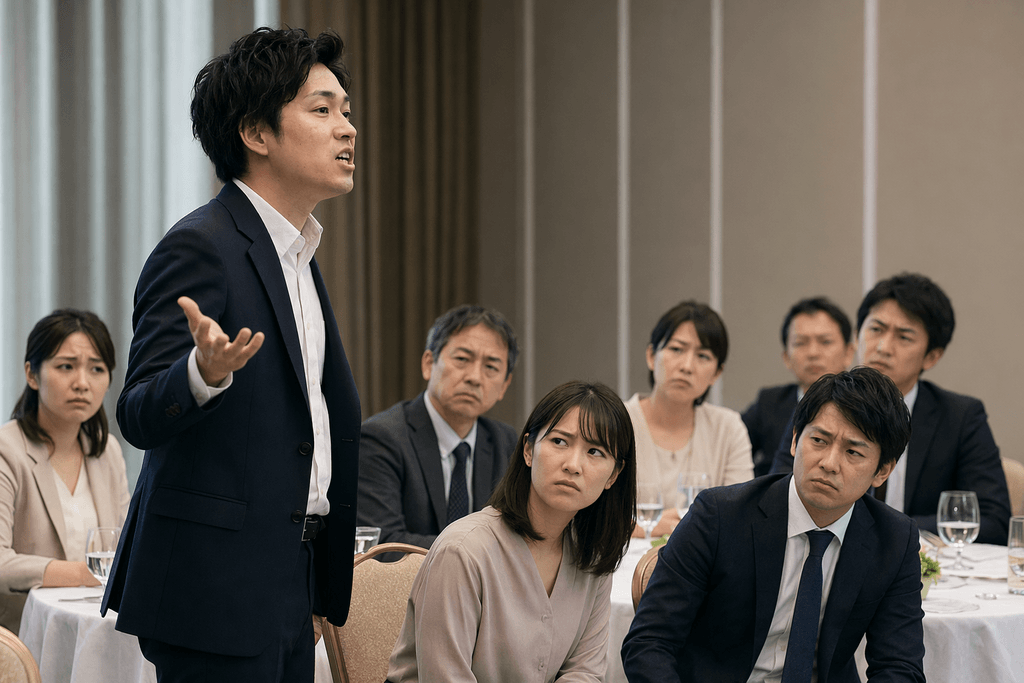
mabuting pag-iisip / matinong paghatol / karaniwang bait
( Base form )
( romanization )
( hiragana )
削減
pagbabawas
削減
pagbabawas
Explanation
削減
pagbabawas
削減
pagbawas / paglilimita / pagbabawas ng tauhan
Upang mapanatili ang pagiging mapagkumpitensya, may patakaran ang aming kumpanya na bago ang susunod na taon ng pananalapi ay ipatutupad ang pagbawas sa mga nakapirming gastos at ang radikal na pagsasaayos ng mga proseso ng operasyon.

( Base form )
( romanization )
( hiragana )
弱る
manghina / malagay sa alanganin
弱る
manghina / malagay sa alanganin
Explanation
弱る
manghina / malagay sa alanganin
弱る
humina / manlumo / matuliro

Word Forms
The basic and commonly used forms of this verb.
Basic forms
| Form | Word form | Usage |
|---|---|---|
| Imperfective form (mizenkei) |
Alternative:
弱ろ
|
Connects to endings such as nai, reru, and seru. |
| Continuative form (renyokei) | Connects to endings such as masu, tai, and ta. | |
| Conclusive form (shushikei) | Ends a sentence and serves as the dictionary form. | |
| Attributive form (rentaikei) | Modifies a noun. | |
| Conditional form (kateikei) | Combines with ba to express a condition. | |
| Imperative form (meireikei) | Expresses a command or instruction. |
Common forms
たとえ
kahit na
たとえ
kahit na
Explanation
kahit na
たとえ
kahit na / maski (na) / kahit pa

( romanization )
( romanization )
( hiragana historical )
突如
biglang-bigla
突如
biglang-bigla
Explanation
突如
biglang-bigla
突如
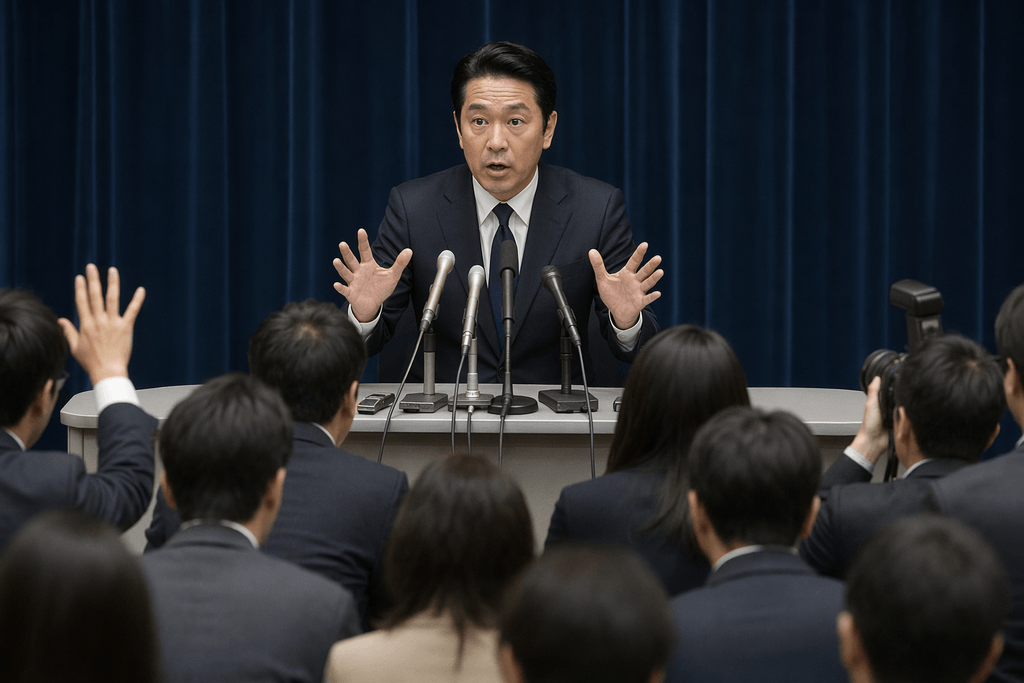
biglaan / hindi inaasahan / walang babala
( Base form )
( romanization )
( adnominal )
( adverbial )
( hiragana )
( table-tags )
( inflection-template )
( imperfective stem )
( imperfective stem )
( imperfective )
( continuative stem )
( continuative stem )
( continuative )
( stem terminative )
( stem terminative )
( terminative )
( attributive stem )
( attributive stem )
( attributive )
( hypothetical stem )
( hypothetical stem )
( hypothetical )
( Imperative stem )
( Imperative stem )
( Imperative )
( informal negative )
( informal negative )
( informal negative )
( informal negative )
( informal negative )
( informal negative )
( informal Past )
( informal Past )
( informal Past )
( informal negative Past )
( informal negative Past )
( informal negative Past )
( informal negative Past )
( informal negative Past )
( informal negative Past )
( formal )
( formal )
( formal )
( formal negative )
( formal negative )
( formal negative )
( formal negative )
( formal negative )
( formal negative )
( formal Past )
( formal Past )
( formal Past )
( formal negative Past )
( formal negative Past )
( formal negative Past )
( formal negative Past )
( formal negative Past )
( formal negative Past )
( conjunctive )
( conjunctive )
( conjunctive )
( Conditional )
( Conditional )
( Conditional )
( Conditional Past )
( Conditional Past )
( Conditional Past )
( volitional )
( volitional )
( volitional )
( adverbial )
( adverbial )
( adverbial )
( noun-from-adj )
( noun-from-adj )
( noun-from-adj )
原典
orihinal na sanggunian
原典
orihinal na sanggunian
Explanation
原典
orihinal na sanggunian
原典
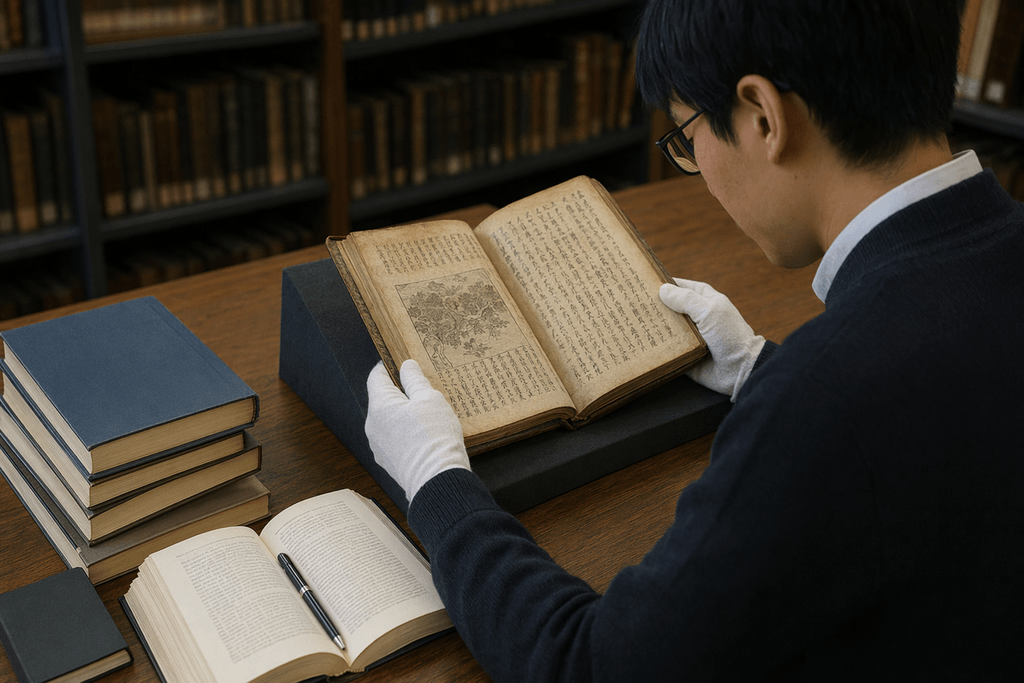
orihinal na teksto / tekstong hindi isinalin / tekstong pinagmulan
Upang malinaw na maipakita ang batayan ng argumento, palaging bumabalik ang mga mananaliksik sa orihinal na sanggunian at tinitiyak ang konteksto ng sipi.
( Base form )
( romanization )
( hiragana )
無茶
walang katwiran / padalus-dalos
無茶
walang katwiran / padalus-dalos
Explanation
無茶
walang katwiran / padalus-dalos
無茶
di-makatwiran / sobra-sobra / padalos-dalos
Matapos ilipat ang deadline ng isang linggo, ipinataw ng mataas na management sa mga manggagawa, na para bang natural lamang, ang hindi makatwirang kahilingan na mapanatili nila ang parehong kalidad.

Word Forms
The basic and commonly used forms of this adjectival noun.
Basic forms
| Form | Word form | Usage |
|---|---|---|
| Imperfective form (mizenkei) |
Alternative:
無茶だろう
|
Used in forms such as darou. |
| Continuative form (renyokei) |
Alternative:
無茶に
無茶だっ
|
Used with de or ni. |
| Conclusive form (shushikei) | Ends a sentence with da. | |
| Attributive form (rentaikei) | Modifies a noun with na. | |
| Conditional form (kateikei) | Expresses a condition with nara. | |
| Imperative form (meireikei) | Used in formal expressions such as de are. |
Common forms
大幅
malaki
大幅
malaki
Explanation
大幅
malaki
大幅
malapad / malawakan / malaki at makabuluhan
Bilang resulta ng pagpapahusay sa kahusayan ng mga operasyon, malaki ang ibinawas ng kumpanya sa mga gastos, at inilalaan ang natipid sa pananaliksik at pag-unlad.

Word Forms
The basic and commonly used forms of this adjectival noun.
Basic forms
| Form | Word form | Usage |
|---|---|---|
| Imperfective form (mizenkei) | Used in forms such as darou. | |
| Continuative form (renyokei) |
Alternative:
大幅に
|
Used with de or ni. |
| Conclusive form (shushikei) | Ends a sentence with da. | |
| Attributive form (rentaikei) |
Alternative:
大幅の
|
Modifies a noun with na. |
| Conditional form (kateikei) | Expresses a condition with nara. | |
| Imperative form (meireikei) | Used in formal expressions such as de are. |
Common forms
| Form | Word form | Usage |
|---|---|---|
| Te-form equivalent | Connects clauses using de. | |
| Ta-form | Expresses the past with datta. | |
| Nai-form |
Alternative:
大幅じゃない
|
Expresses negation with dewa nai or ja nai. |
| Desu-form | Used for polite speech. |
Notes
規制
pagkontrol ayon sa batas
規制
pagkontrol ayon sa batas
Explanation
規制
pagkontrol ayon sa batas
規制
regulasyon / paghihigpit / pagkontrol
Bilang resulta ng pagpapakilala ng mga bagong regulasyon, napilitang sumailalim ang buong industriya sa isang malaking pagbabago sa estruktura sa loob ng maikling panahon.

( Base form )
( romanization )
( hiragana )
職員
kawani
職員
kawani
Explanation
職員
kawani
職員
kawani / empleyado / tauhan
Dahil hindi sapat ang paliwanag hinggil sa muling pagtatalaga ng mga kawani, nagpasiya ang komite na muling suriin ang kaangkupan ng panukala.

( Base form )
( romanization )
( romanization )
( hiragana historical )
( hiragana )
Loading...

JLPT N1 多言語単語帳・3032語 / JLPT N1 Multilingual Vocabulary: 3032 Words

Jonathan Waller 氏の JLPT Resources の語彙リスト・レベル分類を出典とし、CC BY の条件に従って DiQt が学習者向けに意味を作り直した3032語の単語帳です。JLPT公式の語彙リストではありません。
This collection of 3032 words is based on the vocabulary list and level classifications in Jonathan Waller’s JLPT Resources under CC BY, with meanings rewritten by DiQt for learners. It is not an official JLPT vocabulary list.
Key Operations
Select the first quiz:
Ctrl + Enter
View Explanation:Ctrl + G
Close a feedback:Esc
When selecting a quiz
Answer:Enter
Select a choice:↓ or ↑
Reading out the question:Ctrl + K
View Hint: Ctrl + M
I don't know: Ctrl + Y



