
JLPT N1: Kahulugan ng mga salita - Unsolved

Alamin ang kahulugan ng 3032 salita sa JLPT N1 sa Filipino sa pamamagitan ng mga tanong na may apat na pagpipilian.
-
uniporme
-
pangunahing tauhan
-
pag-iimpake
-
pagpapalabas ng pelikula
-
paglusot
-
espesipikong grabidad / bigat ng kahalagahan
-
pandaraya sa pagsusulit
-
guhit na balangkas
-
lohika
-
magkamali / baguhin
-
magpatupad ng batas
-
arugain
- 「濯ぐ」は五段活用ガ行の動詞。読みは「すすぐ」。
- 未然形「濯ご」は主に意志形「濯ごう」に現れる形。
-
magpasya / magtakda
-
kontrolin / daigin
-
itayo
-
pag-apaw
-
espesyal na pagpapadala
-
ibang direksiyon
-
pagdurugo
-
mga damit
-
taong yumao
-
bahagyang pagkakaiba
-
malabong pagtingin sa malayo
-
kulubot / tupi
-
luteng may tatlong kuwerdas
-
pagpapakilos ng yunit
-
nakasulat na tala
-
magasgas / maging sanay sa mundo
-
mamasa
-
samahan / tugunan ang nais
林業
panggugubat
林業
panggugubat
Explanation
林業
panggugubat
林業
industriya ng kagubatan / pamamahala ng kagubatan / gawaing pangkagubatan

( Base form )
( romanization )
( romanization )
( hiragana historical )
( hiragana )
利点
kalamangan
利点
kalamangan
Explanation
利点
kalamangan
利点
kalamangan / bentahe / pakinabang
Kapag nadadala sa mga panandaliang pakinabang at padalus-dalos na nagpapasya, maaaring humantong ito sa kalaunan sa hindi na mababawi na pinsala.

( Base form )
( romanization )
( kyūjitai )
( hiragana )
証人
saksi
証人
saksi
Explanation
証人
saksi
証人
saksi / testigo

( Base form )
( romanization )
( kyūjitai )
( hiragana )
濯ぐ
banlawan
濯ぐ
banlawan
Explanation
濯ぐ
banlawan
濯ぐ
banlawan / hugasan sa tubig / linisin sa tubig
Upang walang matirang sangkap ng detergent, kailangan sa hakbang ng pagbabanlaw na banlawan nang maingat ang mga damit gamit ang maligamgam na tubig.

Word Forms
The basic and commonly used forms of this verb.
Basic forms
| Form | Word form | Usage |
|---|---|---|
| Imperfective form (mizenkei) |
Alternative:
濯ご
|
Connects to endings such as nai, reru, and seru. |
| Continuative form (renyokei) | Connects to endings such as masu, tai, and ta. | |
| Conclusive form (shushikei) | Ends a sentence and serves as the dictionary form. | |
| Attributive form (rentaikei) | Modifies a noun. | |
| Conditional form (kateikei) | Combines with ba to express a condition. | |
| Imperative form (meireikei) | Expresses a command or instruction. |
Common forms
| Form | Word form | Usage |
|---|---|---|
| Te-form | Connects clauses with te. | |
| Ta-form | Expresses the past with ta. | |
| Nai-form | Expresses negation with nai. | |
| Masu-form | Used for polite speech. | |
| Ba-form | Expresses a condition with ba. | |
| Volitional form | Expresses intention or invitation. |
Notes
謙る
magpakumbaba
謙る
magpakumbaba
Explanation
謙る
magpakumbaba
謙る
magpakumbaba / magpakumbaba at purihin ang kausap / magpakumbabang magsalita sa kausap
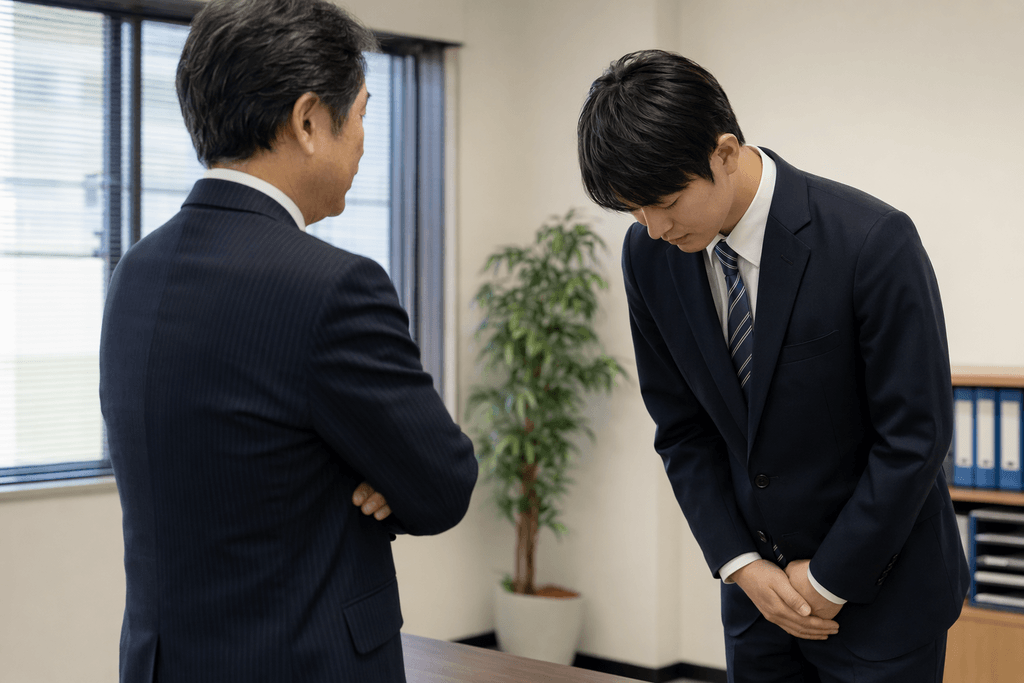
Sa isang negosasyon sa negosyo, ang pagpapakumbaba ng iyong sarili nang labis habang pinupuri ang pananaw ng ibang tao ay maaaring talagang gumawa ka ng tila alipin.
Word Forms
The basic and commonly used forms of this verb.
Basic forms
| Form | Word form | Usage |
|---|---|---|
| Imperfective form (mizenkei) |
Alternative:
謙ろ
|
Connects to endings such as nai, reru, and seru. |
| Continuative form (renyokei) |
Alternative:
謙っ
|
Connects to endings such as masu, tai, and ta. |
| Conclusive form (shushikei) | Ends a sentence and serves as the dictionary form. | |
| Attributive form (rentaikei) | Modifies a noun. | |
| Conditional form (kateikei) | Combines with ba to express a condition. | |
| Imperative form (meireikei) | Expresses a command or instruction. |
Common forms
種々
sari-sari
種々
sari-sari
Explanation
種々
sari-sari
種々
iba-iba / sari-sari / samu't sari

( Base form )
( romanization )
( adnominal )
( adverbial )
( hiragana )
( table-tags )
( inflection-template )
( imperfective stem )
( imperfective stem )
( imperfective )
( continuative stem )
( continuative stem )
( continuative )
( stem terminative )
( stem terminative )
( terminative )
( attributive stem )
( attributive stem )
( attributive )
( hypothetical stem )
( hypothetical stem )
( hypothetical )
( Imperative stem )
( Imperative stem )
( Imperative )
( informal negative )
( informal negative )
( informal negative )
( informal negative )
( informal negative )
( informal negative )
( informal Past )
( informal Past )
( informal Past )
( informal negative Past )
( informal negative Past )
( informal negative Past )
( informal negative Past )
( informal negative Past )
( informal negative Past )
( formal )
( formal )
( formal )
( formal negative )
( formal negative )
( formal negative )
( formal negative )
( formal negative )
( formal negative )
( formal Past )
( formal Past )
( formal Past )
( formal negative Past )
( formal negative Past )
( formal negative Past )
( formal negative Past )
( formal negative Past )
( formal negative Past )
( conjunctive )
( conjunctive )
( conjunctive )
( Conditional )
( Conditional )
( Conditional )
( Conditional Past )
( Conditional Past )
( Conditional Past )
( volitional )
( volitional )
( volitional )
( adverbial )
( adverbial )
( adverbial )
( noun-from-adj )
( noun-from-adj )
( noun-from-adj )
酸化
oksidasyon
酸化
oksidasyon
Explanation
酸化
oksidasyon
酸化
oksidasyon / pag-oksida ng isang sangkap / pagkawala ng elektron sa reaksiyong kemikal
Ang haluang metal na ito ay may inilapat na pang-ibabaw na paggamot upang maging lumalaban sa oksidasyon, ngunit kung pababayaan nang matagal, unti-unting uunlad ang kaagnasan.

( Base form )
( romanization )
( hiragana )
六
anim
六
anim
Explanation
六
anim
六
anim / bilang na anim

( romanization )
( hiragana )
拘束
paghihigpit
拘束
paghihigpit
Explanation
拘束
paghihigpit
拘束
paghihigpit / pagpigil / pagkakagapos
Dahil ang bagong proyekto ay napapailalim sa mahigpit na paghihigpit sa badyet, kailangang magkaroon ng maingat na pagbuo ng pagkakasundo bago gumawa ng mga pagbabago sa espesipikasyon.

( Base form )
( romanization )
( hiragana )
励ます
palakasin ang loob
励ます
palakasin ang loob
Explanation
励ます
palakasin ang loob
励ます
hikayatin / palakasin ang loob / aliwin

Word Forms
The basic and commonly used forms of this verb.
Basic forms
| Form | Word form | Usage |
|---|---|---|
| Imperfective form (mizenkei) |
Alternative:
励まそ
|
Connects to endings such as nai, reru, and seru. |
| Continuative form (renyokei) | Connects to endings such as masu, tai, and ta. | |
| Conclusive form (shushikei) | Ends a sentence and serves as the dictionary form. | |
| Attributive form (rentaikei) | Modifies a noun. | |
| Conditional form (kateikei) | Combines with ba to express a condition. | |
| Imperative form (meireikei) | Expresses a command or instruction. |
Common forms
Loading...

JLPT N1 多言語単語帳・3032語 / JLPT N1 Multilingual Vocabulary: 3032 Words

Jonathan Waller 氏の JLPT Resources の語彙リスト・レベル分類を出典とし、CC BY の条件に従って DiQt が学習者向けに意味を作り直した3032語の単語帳です。JLPT公式の語彙リストではありません。
This collection of 3032 words is based on the vocabulary list and level classifications in Jonathan Waller’s JLPT Resources under CC BY, with meanings rewritten by DiQt for learners. It is not an official JLPT vocabulary list.
Key Operations
Select the first quiz:
Ctrl + Enter
View Explanation:Ctrl + G
Close a feedback:Esc
When selecting a quiz
Answer:Enter
Select a choice:↓ or ↑
Reading out the question:Ctrl + K
View Hint: Ctrl + M
I don't know: Ctrl + Y



