
JLPT N1: Kahulugan ng mga salita - Unsolved

Alamin ang kahulugan ng 3032 salita sa JLPT N1 sa Filipino sa pamamagitan ng mga tanong na may apat na pagpipilian.
-
sekretarya
-
pamantayang teknikal
-
pagbabanlaw gamit ang tubig
-
makayanan ang tungkulin
-
sumunod sa pamantayan
-
sumalungat
-
maselan / payat
-
iba-iba
-
normal
-
ipagkatiwala
-
disiplinahin / hilbanahin
-
magpahatid ng inorder
-
misyon
-
Arabe
-
pisngi
-
lubusang pagkalipol
-
kadiliman / kalakalang ilegal
-
pagkatigagal / pagkasawa
-
mainggit
-
dumaing / umungol
-
ilabas sa bentahan / ipasikat
-
idagdag / ilakip
-
humarap sa
-
ibatay sa / umayon sa
-
paglalaan
-
paglilimita ng saklaw
-
kabuhayan
-
inhinyeriya
-
komunikasyong radyo
-
muling pagtustos
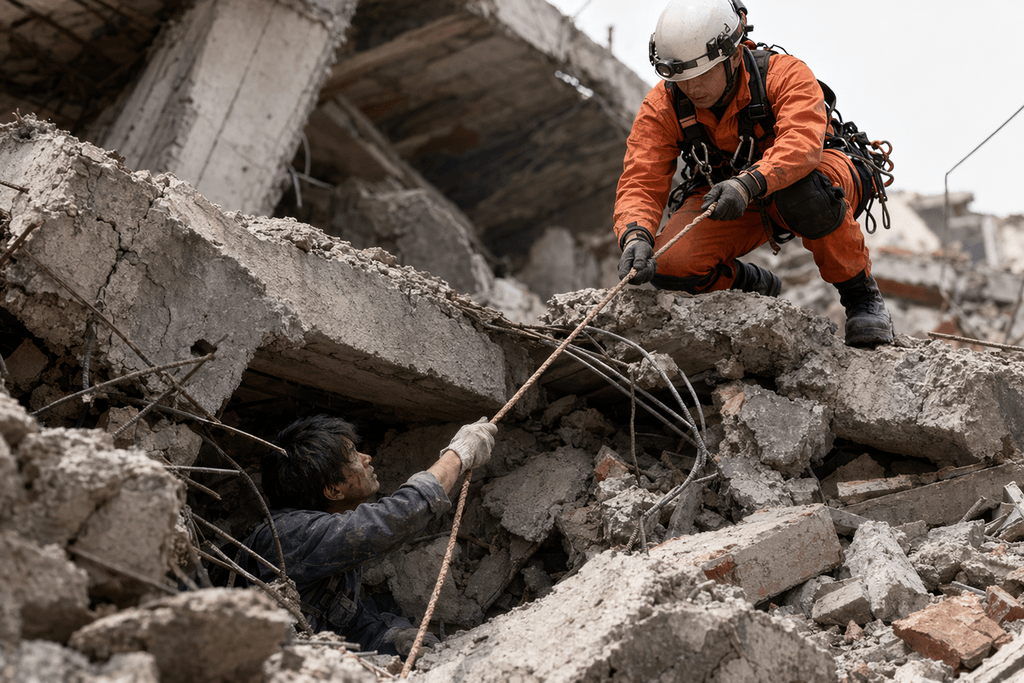
ロープ
lubid
ロープ
lubid
Explanation
lubid
ロープ
lubid; tali / bag o lagayan ng lubid
( romanization )
申し出る
mag-alok / humiling
申し出る
mag-alok / humiling
Explanation
申し出る
mag-alok / humiling
申し出る
mag-alok o magmungkahi / humiling / magbigay-alam
Nag-alok siyang magbitiw bilang pag-ako sa pananagutan sa iskandalo, ngunit inuna ng lupon ng mga direktor ang reporma sa organisasyon at ipinagpaliban ang pagtanggap sa kanyang alok.

Word Forms
The basic and commonly used forms of this verb.
Basic forms
| Form | Word form | Usage |
|---|---|---|
| Imperfective form (mizenkei) | Connects to endings such as nai, reru, and seru. | |
| Continuative form (renyokei) | Connects to endings such as masu, tai, and ta. | |
| Conclusive form (shushikei) | Ends a sentence and serves as the dictionary form. | |
| Attributive form (rentaikei) | Modifies a noun. | |
| Conditional form (kateikei) | Combines with ba to express a condition. | |
| Imperative form (meireikei) |
Alternative:
申し出よ
|
Expresses a command or instruction. |
Common forms
素敵
kaibig-ibig
素敵
kaibig-ibig
Explanation
素敵
kaibig-ibig
素敵
kahanga-hanga / napakaganda / kamangha-mangha
Ang kanyang panukala ay hindi lamang isang magandang ideya; Ito ay naging isang pagkakataon upang muling isaalang-alang ang natigil na proyekto.

Word Forms
The basic and commonly used forms of this adjectival noun.
Basic forms
| Form | Word form | Usage |
|---|---|---|
| Imperfective form (mizenkei) | Used in forms such as darou. | |
| Continuative form (renyokei) |
Alternative:
素敵に
|
Used with de or ni. |
| Conclusive form (shushikei) | Ends a sentence with da. | |
| Attributive form (rentaikei) | Modifies a noun with na. | |
| Conditional form (kateikei) | Expresses a condition with nara. | |
| Imperative form (meireikei) | Used in formal expressions such as de are. |
Common forms
添う
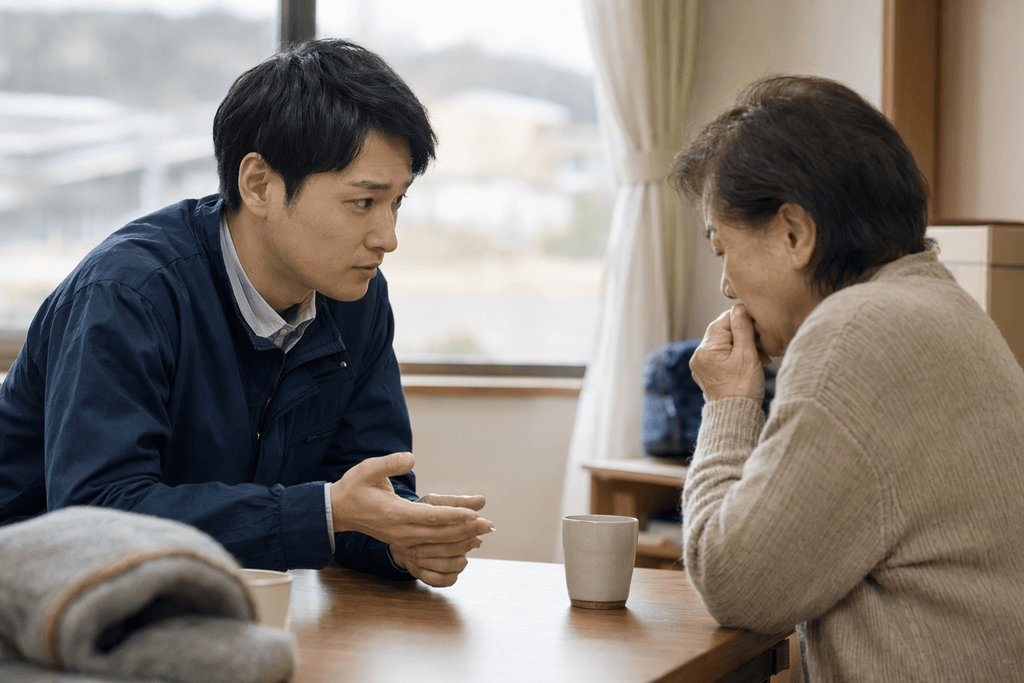
samahan / tugunan ang nais
添う
samahan / tugunan ang nais
Explanation
添う
samahan / tugunan ang nais
添う
sumama / tumupad sa inaasahan
Word Forms
The basic and commonly used forms of this verb.
Basic forms
| Form | Word form | Usage |
|---|---|---|
| Imperfective form (mizenkei) |
Alternative:
添お
|
Connects to endings such as nai, reru, and seru. |
| Continuative form (renyokei) | Connects to endings such as masu, tai, and ta. | |
| Conclusive form (shushikei) | Ends a sentence and serves as the dictionary form. | |
| Attributive form (rentaikei) | Modifies a noun. | |
| Conditional form (kateikei) | Combines with ba to express a condition. | |
| Imperative form (meireikei) | Expresses a command or instruction. |
Common forms
読者
mambabasa
読者
mambabasa
Explanation
読者
mambabasa
読者
mambabasa / taong nagbabasa ng publikasyon
Ang may-akda ay nagdagdag ng detalyadong mga tala, inaasahan na kahit na ang mga bihasang mambabasa ay maaaring maling interpretasyon ang hindi malinaw na talatang iyon.

( Base form )
( romanization )
( hiragana )
動機
motibo
動機
motibo
Explanation
動機
motibo
動機
motibo / dahilan / udyok

( Base form )
( romanization )
( hiragana )
赤らむ
mamula ang mukha
赤らむ
mamula ang mukha
Explanation
赤らむ
mamula ang mukha
赤らむ
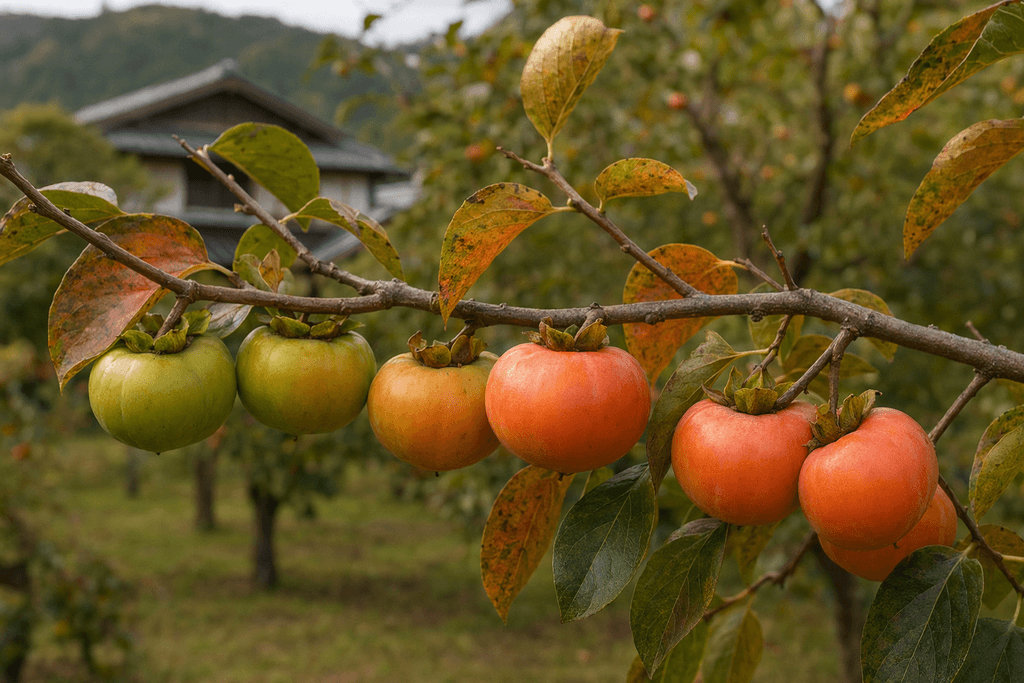
mamula; magkulay pula (gaya ng bunga o usbong) / mamula sa hiya; mamula ang pisngi
Habang lalong tumitindi ang lamig ng taglagas, unti-unting namumula ang mga persimon sa hardin at tahimik na ipinahiwatig na dumating na ang panahon ng pag-aani.
Word Forms
The basic and commonly used forms of this verb.
Basic forms
| Form | Word form | Usage |
|---|---|---|
| Imperfective form (mizenkei) |
Alternative:
赤らも
|
Connects to endings such as nai, reru, and seru. |
| Continuative form (renyokei) | Connects to endings such as masu, tai, and ta. | |
| Conclusive form (shushikei) | Ends a sentence and serves as the dictionary form. | |
| Attributive form (rentaikei) | Modifies a noun. | |
| Conditional form (kateikei) | Combines with ba to express a condition. | |
| Imperative form (meireikei) | Expresses a command or instruction. |
Common forms
ゆでる
pakuluan sa tubig
ゆでる
pakuluan sa tubig
Explanation
pakuluan sa tubig
ゆでる
maglaga / pakuluin
Bago magsimula ang interview, sinalakay ako ng kaba na parang kumukulo ang utak ko, pero huminga ako nang malalim at nabawi ko ang pagiging kalmado.

Word Forms
The basic and commonly used forms of this verb.
Basic forms
| Form | Word form | Usage |
|---|---|---|
| Imperfective form (mizenkei) |
Alternative:
茹で
|
Connects to endings such as nai, reru, and seru. |
| Continuative form (renyokei) |
Alternative:
茹で
|
Connects to endings such as masu, tai, and ta. |
| Conclusive form (shushikei) |
Alternative:
茹でる
|
Ends a sentence and serves as the dictionary form. |
| Attributive form (rentaikei) |
Alternative:
茹でる
|
Modifies a noun. |
| Conditional form (kateikei) |
Alternative:
茹でれ
|
Combines with ba to express a condition. |
| Imperative form (meireikei) |
Alternative:
茹でろ
ゆでよ
茹でよ
|
Expresses a command or instruction. |
Common forms
| Form | Word form | Usage |
|---|---|---|
| Te-form |
Alternative:
茹でて
|
Connects clauses with te. |
| Ta-form |
Alternative:
茹でた
|
Expresses the past with ta. |
| Nai-form |
Alternative:
茹でない
|
Expresses negation with nai. |
| Masu-form |
Alternative:
茹でます
|
Used for polite speech. |
| Ba-form |
Alternative:
茹でれば
|
Expresses a condition with ba. |
| Volitional form |
Alternative:
茹でよう
|
Expresses intention or invitation. |
垢
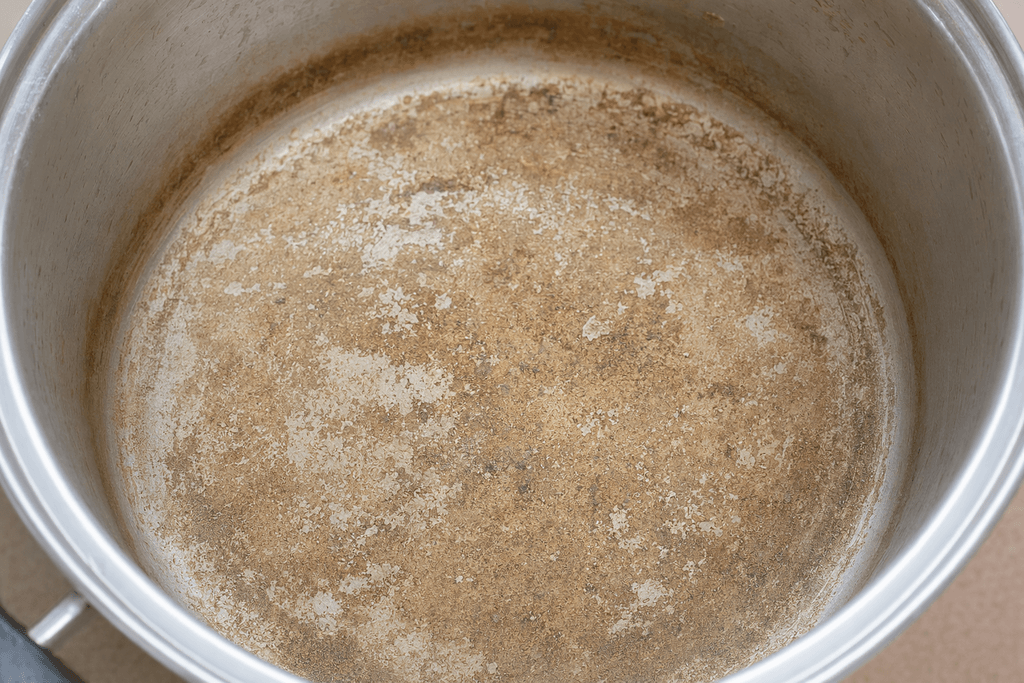
libag
垢
libag
Explanation
垢
libag
垢
dumi / libag / latak
( romanization )
( hiragana )
訴訟
demanda
訴訟
demanda
Explanation
訴訟
demanda
訴訟
demanda / kaso sa hukuman / paglilitis
Dahil lalo pang lumalim ang emosyonal na alitan ng magkabilang panig, nauwi sa pagkabigo ang negosasyon at sa huli ay kinailangan nilang magsampa ng kaso.

( Base form )
( romanization )
( hiragana )
Loading...

JLPT N1 多言語単語帳・3032語 / JLPT N1 Multilingual Vocabulary: 3032 Words

Jonathan Waller 氏の JLPT Resources の語彙リスト・レベル分類を出典とし、CC BY の条件に従って DiQt が学習者向けに意味を作り直した3032語の単語帳です。JLPT公式の語彙リストではありません。
This collection of 3032 words is based on the vocabulary list and level classifications in Jonathan Waller’s JLPT Resources under CC BY, with meanings rewritten by DiQt for learners. It is not an official JLPT vocabulary list.
Key Operations
Select the first quiz:
Ctrl + Enter
View Explanation:Ctrl + G
Close a feedback:Esc
When selecting a quiz
Answer:Enter
Select a choice:↓ or ↑
Reading out the question:Ctrl + K
View Hint: Ctrl + M
I don't know: Ctrl + Y



