
JLPT N1: Kahulugan ng mga salita - Unsolved

Alamin ang kahulugan ng 3032 salita sa JLPT N1 sa Filipino sa pamamagitan ng mga tanong na may apat na pagpipilian.
-
antas ng pagpapalaki
-
antas master
-
magnetismo
-
mayamang tao
-
pagbabago sa paglipas ng panahon
-
pagbihag
-
pagtalbog pabalik / pagtutol
-
pamamagitan
-
pagpoposisyon
-
maingat na paghatol
-
pangongolekta / pagbawi
-
pagrarasyon
-
pagpaparami
-
uniporme
-
pulso
-
masipag
-
presko
-
maparaan
-
kabilang gilid ng hugis
-
pagbabago ng anyo
-
pagpapalabas ng pelikula
-
gumabay
-
dalhin / bahagyang magtaglay
-
ngatngatin / may kaunting alam
-
paggawa
-
limitasyon
-
estilo / pormat
-
langit at lupa
-
pamantayan
-
magkasamang paghahanapbuhay ng mag-asawa
モニター
monitor / tagasubok ng produkto
モニター
monitor / tagasubok ng produkto
Explanation
monitor / tagasubok ng produkto
モニター
screen ng kompyuter o telebisyon / tagasubaybay o tagapagmasid / tagasubok ng produkto
Sa kalagitnaan ng pagpupulong, laging nakaalalay ang pag-iingat ng responsableng tao upang hindi niya mapalampas ang bahagyang pagbabago sa mga numerong ipinapakita sa monitor.

( romanization )
インフォメーション
impormasyon
インフォメーション
impormasyon
Explanation
impormasyon
インフォメーション
impormasyon / tanggapan ng impormasyon
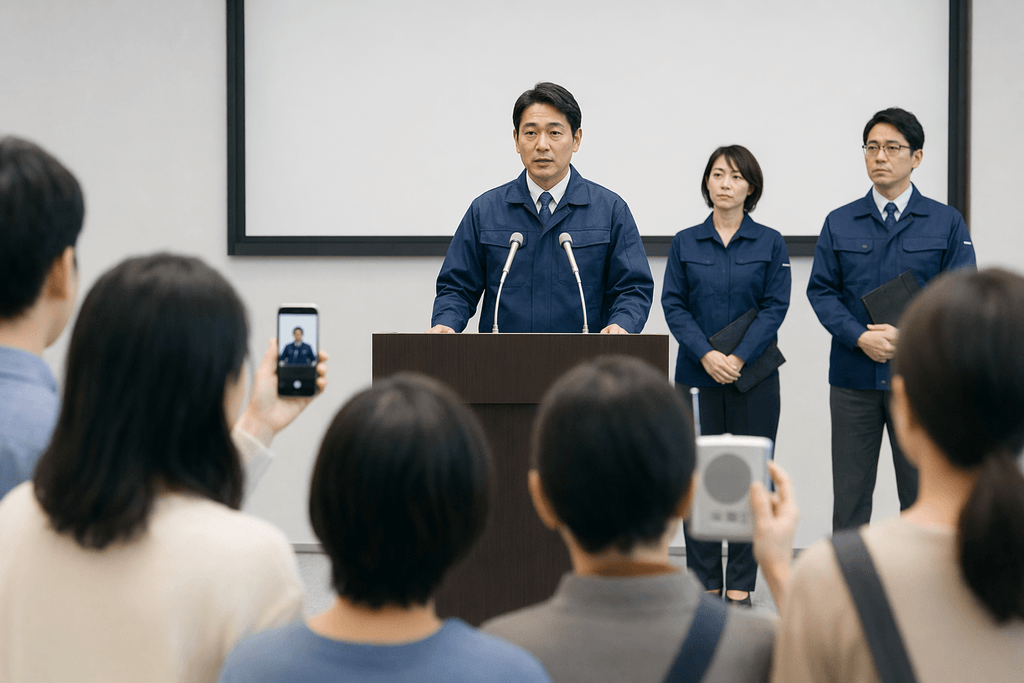
Sa oras ng emerhensiya, nais kong kumilos batay lamang sa impormasyon mula sa opisyal na anunsyo at hindi magpapaapekto sa mga tsismis na walang batayan.
( romanization )
繁盛
pag-unlad ng negosyo
繁盛
pag-unlad ng negosyo
Explanation
繁盛
pag-unlad ng negosyo
繁盛
kasaganaan / pagyabong / paglago ng negosyo
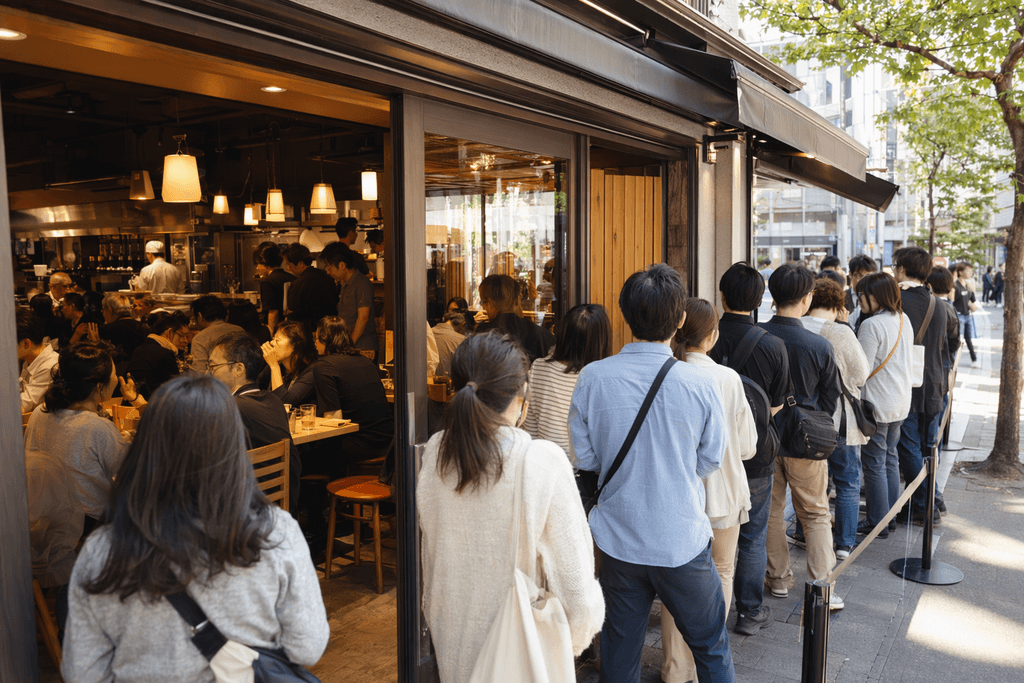
Sa kabila ng sunod-sunod na pagpasok ng mga bagong kalahok, napanatili ng kanyang tindahan ang kasaganaan sa pamamagitan ng natatanging estratehiya at naging pangunahing tagahatak ng lokal na ekonomiya.
( Base form )
( romanization )
( romanization )
( hiragana historical )
( hiragana )
悲観
pesimismo
悲観
pesimismo
Explanation
悲観
pesimismo
悲観
mahabaging pananaw (Budismo) / pesimismo / kawalan ng pag-asa

( Base form )
( romanization )
( kyūjitai )
( hiragana )
学芸
sining at agham
学芸
sining at agham
Explanation
学芸
sining at agham
学芸
sining at agham / larangan ng edukasyon / kabuuang sistema ng edukasyon
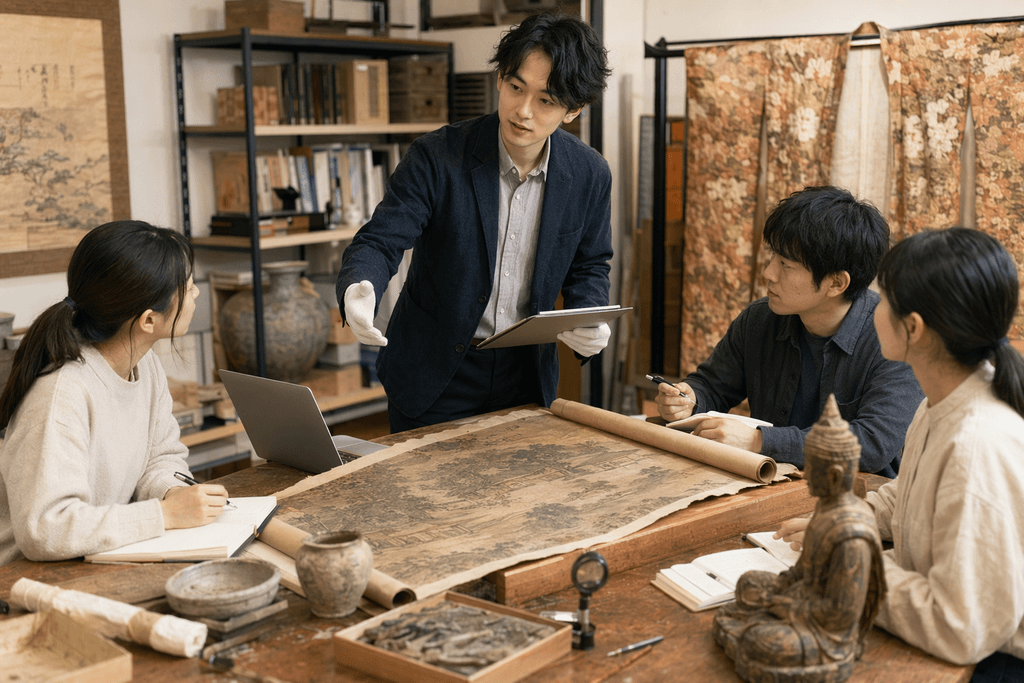
Ginamit niya ang kanyang kasanayan sa sining at kultura at pinangunahan ang isang proyektong naglalayong pangalagaan ang mga pamanang pangkultura ng rehiyon.
( Base form )
( romanization )
( kyūjitai )
( hiragana )
気軽
walang seremonya / magaan pakisamahan
気軽
walang seremonya / magaan pakisamahan
Explanation
気軽
walang seremonya / magaan pakisamahan
気軽
kaswal / magaan ang loob / relaks

Word Forms
The basic and commonly used forms of this adjectival noun.
Basic forms
| Form | Word form | Usage |
|---|---|---|
| Imperfective form (mizenkei) | Used in forms such as darou. | |
| Continuative form (renyokei) |
Alternative:
気軽に
気軽だっ
|
Used with de or ni. |
| Conclusive form (shushikei) | Ends a sentence with da. | |
| Attributive form (rentaikei) | Modifies a noun with na. | |
| Conditional form (kateikei) | Expresses a condition with nara. | |
| Imperative form (meireikei) | Used in formal expressions such as de are. |
Common forms
かけっこ
karera sa takbo
かけっこ
karera sa takbo
Explanation
karera sa takbo
かけっこ
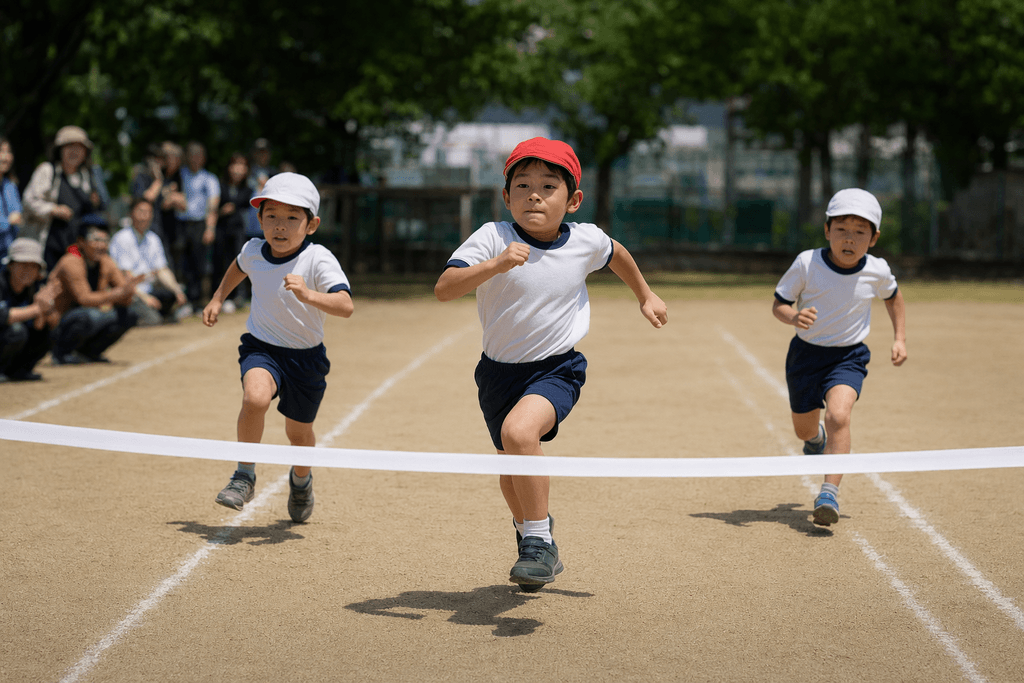
takbuhan (larong karera ng mga bata) / karera sa pagtakbo / pabilisan ng takbo
( romanization )
鍛える
hasain / pandayin
鍛える
hasain / pandayin
Explanation
鍛える
hasain / pandayin
鍛える
magpanday (ng metal) / sanayin (katawan o kasanayan) / patibayin (katawan o isipan)

Word Forms
The basic and commonly used forms of this verb.
Basic forms
| Form | Word form | Usage |
|---|---|---|
| Imperfective form (mizenkei) | Connects to endings such as nai, reru, and seru. | |
| Continuative form (renyokei) | Connects to endings such as masu, tai, and ta. | |
| Conclusive form (shushikei) | Ends a sentence and serves as the dictionary form. | |
| Attributive form (rentaikei) | Modifies a noun. | |
| Conditional form (kateikei) | Combines with ba to express a condition. | |
| Imperative form (meireikei) |
Alternative:
鍛えよ
|
Expresses a command or instruction. |
Common forms
ブルー
kulay asul
ブルー
kulay asul
Explanation
kulay asul
ブルー
asul (kulay) / malungkot / malumbay

( romanization )
( adnominal )
( adverbial )
( table-tags )
( inflection-template )
( imperfective stem )
( imperfective stem )
( continuative stem )
( continuative stem )
( stem terminative )
( stem terminative )
( attributive stem )
( attributive stem )
( hypothetical stem )
( hypothetical stem )
( Imperative stem )
( Imperative stem )
( informal negative )
( informal negative )
( informal negative )
( informal negative )
( informal Past )
( informal Past )
( informal negative Past )
( informal negative Past )
( informal negative Past )
( informal negative Past )
( formal )
( formal )
( formal negative )
( formal negative )
( formal negative )
( formal negative )
( formal Past )
( formal Past )
( formal negative Past )
( formal negative Past )
( formal negative Past )
( formal negative Past )
( conjunctive )
( conjunctive )
( Conditional )
( Conditional )
( Conditional Past )
( Conditional Past )
( volitional )
( volitional )
( adverbial )
( adverbial )
( noun-from-adj )
( noun-from-adj )
依存
pagdepende
依存
pagdepende
Explanation
依存
pagdepende
依存
pagdepende / pagsandig / pagsalalay
Kung ang isang kumpanya ay hindi pinapansin ang pag-asa nito sa isang partikular na supplier, ang pagpapatuloy ng negosyo mismo ay maaaring mapanganib sa isang krisis.

( Base form )
( romanization )
( hiragana )
Loading...

JLPT N1 多言語単語帳・3032語 / JLPT N1 Multilingual Vocabulary: 3032 Words

Jonathan Waller 氏の JLPT Resources の語彙リスト・レベル分類を出典とし、CC BY の条件に従って DiQt が学習者向けに意味を作り直した3032語の単語帳です。JLPT公式の語彙リストではありません。
This collection of 3032 words is based on the vocabulary list and level classifications in Jonathan Waller’s JLPT Resources under CC BY, with meanings rewritten by DiQt for learners. It is not an official JLPT vocabulary list.
Key Operations
Select the first quiz:
Ctrl + Enter
View Explanation:Ctrl + G
Close a feedback:Esc
When selecting a quiz
Answer:Enter
Select a choice:↓ or ↑
Reading out the question:Ctrl + K
View Hint: Ctrl + M
I don't know: Ctrl + Y



