
JLPT N1: Kahulugan ng mga salita - Unsolved

Alamin ang kahulugan ng 3032 salita sa JLPT N1 sa Filipino sa pamamagitan ng mga tanong na may apat na pagpipilian.
-
pagbili nang pautang
-
paglipat ng tirahan
-
gatong
-
sobrang pagtulog / taong huli gumising
-
kinaugalian
-
pagtatanghal sa entablado
-
oras / pahinga sa laro
-
natatanging kasanayan
-
pamamagitan
-
magpumiglas
-
magbigay ng limos
-
tawagin / magpakilala bilang
-
paunang pagsisiyasat
-
daloy ng hangin
-
sigasig
-
agawin ang pamamahala
-
magpakain / tustusan ang gastos
-
tangayin / dukutin
-
hungkag / walang saysay
-
nakalulugod
-
nakakainis
-
pagpapatakbo ng sasakyan
-
huling pangkat na bantay
-
gawain / suliranin
-
magkatotoo
-
masahin / pagbutihin ang plano
-
tiisin / pigilan
-
maging mamasa-masa / umunlad
-
ikiling / ibuhos
-
tangayin / dukutin
- 「問う」はワア行五段活用の動詞。連用形接続の「て」「た」は、標準的には特殊音便で「問うて」「問うた」となる。
- 「問って」「問った」も類推形・口語的な形として用いられることがある。
膜
lamad
膜
lamad
Explanation
膜
lamad
膜
lamad / manipis na sapin / sapot
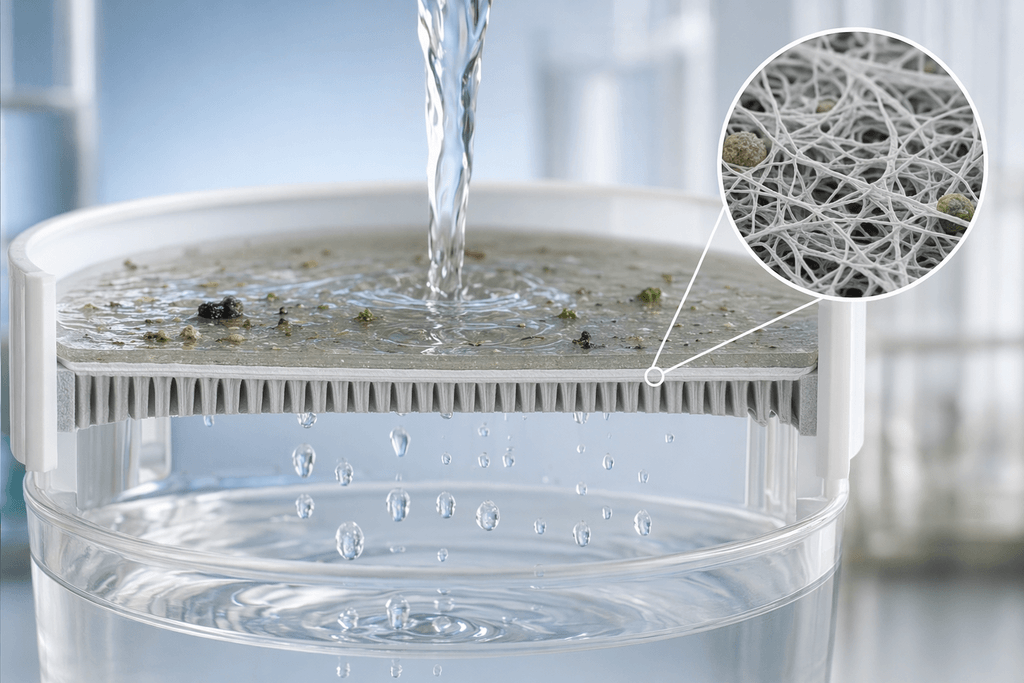
Ang filter na ito ay gumagamit ng napakapinong lamad upang piliing alisin lamang ang mga dumi, kaya ito ay lubhang kapaki-pakinabang sa mga lugar ng pagsusuri ng kalidad ng tubig.
( romanization )
( hiragana )
野心
ambisyon
野心
ambisyon
Explanation
野心
ambisyon
野心
ambisyon / hangarin / pagnanasang makamit ang kapangyarihan

( Base form )
( romanization )
( hiragana )
潜水
pagsisid
潜水
pagsisid
Explanation
潜水
pagsisid
潜水
pagsisid / paglubog sa ilalim ng tubig
Kahit sa rumaragasang agos na halos wala nang makita, nagsagawa ang rescue team ng mga pagsisid na sinusuportahan ng masusing plano at pagsasanay upang hanapin ang mga taong kailangang sagipin.

( Base form )
( romanization )
( kyūjitai )
( hiragana )
出尽くす
lumabas lahat
出尽くす
lumabas lahat
Explanation
出尽くす
lumabas lahat
出尽くす
maubos nang lubusan / magamit o malustay hanggang wala nang natira / lumabas o mabunyag nang buo ang lahat
Dahil ipinagpatuloy namin ang talakayan sa pulong hanggang sa maubos ang lahat ng magkasalungat na opinyon, halos walang pagtutol sa huling panukala.

Word Forms
The basic and commonly used forms of this verb.
Basic forms
| Form | Word form | Usage |
|---|---|---|
| Imperfective form (mizenkei) |
Alternative:
出尽くそ
|
Connects to endings such as nai, reru, and seru. |
| Continuative form (renyokei) | Connects to endings such as masu, tai, and ta. | |
| Conclusive form (shushikei) | Ends a sentence and serves as the dictionary form. | |
| Attributive form (rentaikei) | Modifies a noun. | |
| Conditional form (kateikei) | Combines with ba to express a condition. | |
| Imperative form (meireikei) | Expresses a command or instruction. |
Common forms
片付け
pagliligpit
片付け
pagliligpit
Explanation
片付け
pagliligpit
片付け
pagliligpit / pag-aayos / paglilinis

( Base form )
( romanization )
弱める
pahinain
弱める
pahinain
Explanation
弱める
pahinain
弱める
pahinain / hinaan / magpahina
Ang gobyerno ay nagpapanatili ng isang maingat na paninindigan, na nagsasabi na ang mabilis na deregulasyon ay maaaring magpahina sa pag-andar ng pangangasiwa ng merkado.

Word Forms
The basic and commonly used forms of this verb.
Basic forms
| Form | Word form | Usage |
|---|---|---|
| Imperfective form (mizenkei) | Connects to endings such as nai, reru, and seru. | |
| Continuative form (renyokei) | Connects to endings such as masu, tai, and ta. | |
| Conclusive form (shushikei) | Ends a sentence and serves as the dictionary form. | |
| Attributive form (rentaikei) | Modifies a noun. | |
| Conditional form (kateikei) | Combines with ba to express a condition. | |
| Imperative form (meireikei) |
Alternative:
弱めよ
|
Expresses a command or instruction. |
Common forms
安っぽい
mukhang mumurahin
安っぽい
mukhang mumurahin
Explanation
安っぽい
mukhang mumurahin
安っぽい
mukhang mura / mababang kalidad / baduy

Word Forms
The basic and commonly used forms of this adjective.
Basic forms
| Form | Word form | Usage |
|---|---|---|
| Imperfective form (mizenkei) | Used in forms such as karou; mainly literary. | |
| Continuative form (renyokei) |
Alternative:
安っぽかっ
|
Used in forms such as kute and kunai. |
| Conclusive form (shushikei) | Ends a sentence. | |
| Attributive form (rentaikei) | Modifies a noun. | |
| Conditional form (kateikei) | Expresses a condition with kereba. | |
| Imperative form (meireikei) | Rarely used in modern Japanese. |
Common forms
トラブル
problema
トラブル
problema
Explanation
problema
トラブル
aberya / problema / gulo
Para maiwasan ang mga problema bago pa man mangyari, mahigpit niyang isinasagawa ang masusing pamamahala sa panganib sa pag-aakalang maaaring mangyari ang pinakamasamang sitwasyon.

( romanization )
綴じる
magbigkis ng pahina
綴じる
magbigkis ng pahina
Explanation
綴じる
magbigkis ng pahina
綴じる
tahiin / bigkisin / itali
Upang maipasa ang mga sinaunang dokumento na malapit nang magkalat, kailangan munang ayusin ang nasirang papel ng Hapon at itali ang mga ito sa isang solong bolyum.

Word Forms
The basic and commonly used forms of this verb.
Basic forms
| Form | Word form | Usage |
|---|---|---|
| Imperfective form (mizenkei) | Connects to endings such as nai, reru, and seru. | |
| Continuative form (renyokei) | Connects to endings such as masu, tai, and ta. | |
| Conclusive form (shushikei) | Ends a sentence and serves as the dictionary form. | |
| Attributive form (rentaikei) | Modifies a noun. | |
| Conditional form (kateikei) | Combines with ba to express a condition. | |
| Imperative form (meireikei) |
Alternative:
綴じよ
|
Expresses a command or instruction. |
Common forms
問う
magtanong / panagutin
問う
magtanong / panagutin
Explanation
問う
magtanong / panagutin
問う
magtanong / akusahan (sa krimen) / alintanahin

Word Forms
The basic and commonly used forms of this verb.
Basic forms
| Form | Word form | Usage |
|---|---|---|
| Imperfective form (mizenkei) | Connects to endings such as nai, reru, and seru. | |
| Continuative form (renyokei) | Connects to endings such as masu, tai, and ta. | |
| Conclusive form (shushikei) | Ends a sentence and serves as the dictionary form. | |
| Attributive form (rentaikei) | Modifies a noun. | |
| Conditional form (kateikei) | Combines with ba to express a condition. | |
| Imperative form (meireikei) | Expresses a command or instruction. |
Common forms
| Form | Word form | Usage |
|---|---|---|
| Te-form |
Alternative:
問って
|
Connects clauses with te. |
| Ta-form |
Alternative:
問った
|
Expresses the past with ta. |
| Nai-form | Expresses negation with nai. | |
| Masu-form | Used for polite speech. | |
| Ba-form | Expresses a condition with ba. | |
| Volitional form | Expresses intention or invitation. |
Notes
Loading...

JLPT N1 多言語単語帳・3032語 / JLPT N1 Multilingual Vocabulary: 3032 Words

Jonathan Waller 氏の JLPT Resources の語彙リスト・レベル分類を出典とし、CC BY の条件に従って DiQt が学習者向けに意味を作り直した3032語の単語帳です。JLPT公式の語彙リストではありません。
This collection of 3032 words is based on the vocabulary list and level classifications in Jonathan Waller’s JLPT Resources under CC BY, with meanings rewritten by DiQt for learners. It is not an official JLPT vocabulary list.
Key Operations
Select the first quiz:
Ctrl + Enter
View Explanation:Ctrl + G
Close a feedback:Esc
When selecting a quiz
Answer:Enter
Select a choice:↓ or ↑
Reading out the question:Ctrl + K
View Hint: Ctrl + M
I don't know: Ctrl + Y



