
JLPT N1: Kahulugan ng mga salita - Unsolved

Alamin ang kahulugan ng 3032 salita sa JLPT N1 sa Filipino sa pamamagitan ng mga tanong na may apat na pagpipilian.
-
payapa
-
kilala
-
magulo / walang katwiran
-
tili
-
lupain ng bansa
-
pagtatakda ng estado
-
pagrarasyon
-
pag-iimpake
-
mga burol
-
umabot / lumaganap sa
-
mamintog / magtampo
-
pagsanayin
-
pagkontrol
-
set na pagkain
-
patunay
-
takipsilim
-
pag-aaksaya
-
magara
-
lahat ng naroroon
-
paglusot
-
inaasahan sa hinaharap
-
pakikiisa
-
paghahakot
-
konserbatismo / pagpapanatili
-
edad ng pagreretiro
-
estatwa / larawan
-
pagtatatag ng organisasyon
-
patagasin / laktawan
-
pag-usapan ang plano
-
magpakain / tustusan ang gastos
- 「案ずる」(サ変)の口語的・現代的な形として用いられる。
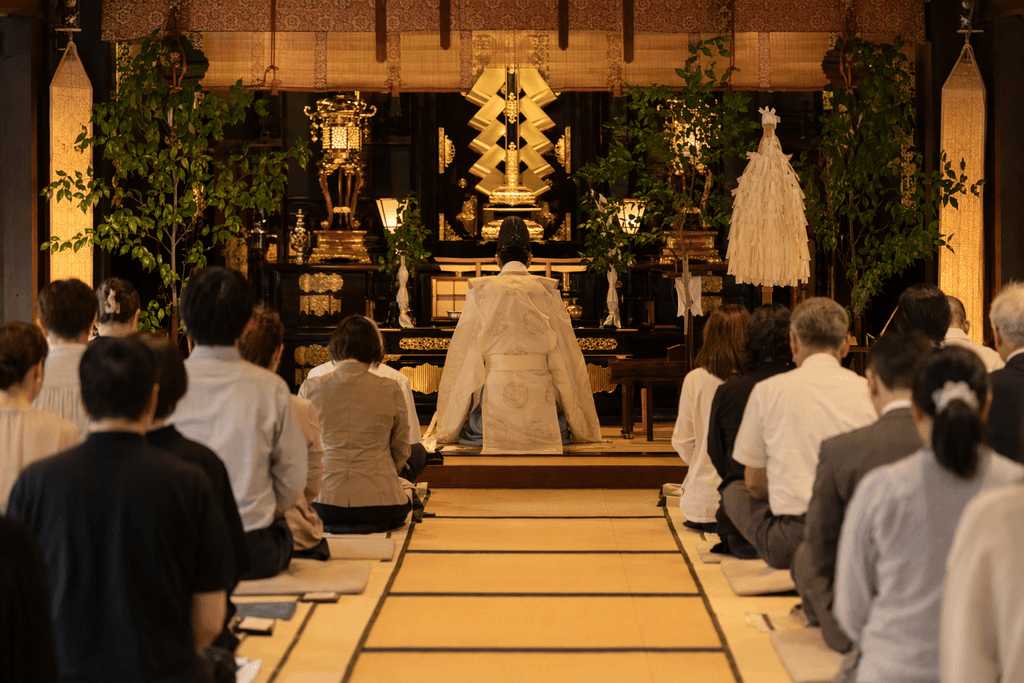
神聖
banal
神聖
banal
Explanation
神聖
banal
神聖
banal / sagrado
Word Forms
The basic and commonly used forms of this adjectival noun.
Basic forms
| Form | Word form | Usage |
|---|---|---|
| Imperfective form (mizenkei) |
Alternative:
神聖でしょ
|
Used in forms such as darou. |
| Continuative form (renyokei) |
Alternative:
神聖に
|
Used with de or ni. |
| Conclusive form (shushikei) |
Alternative:
神聖です
|
Ends a sentence with da. |
| Attributive form (rentaikei) |
Alternative:
神聖なる
|
Modifies a noun with na. |
| Conditional form (kateikei) |
Alternative:
神聖であれば
|
Expresses a condition with nara. |
| Imperative form (meireikei) | Used in formal expressions such as de are. |
Common forms
墜落
pagbagsak ng eroplano
墜落
pagbagsak ng eroplano
Explanation
墜落
pagbagsak ng eroplano
墜落
pagbagsak / pagkahulog / pagbagsak ng sasakyang panghimpapawid

( Base form )
( romanization )
( hiragana )
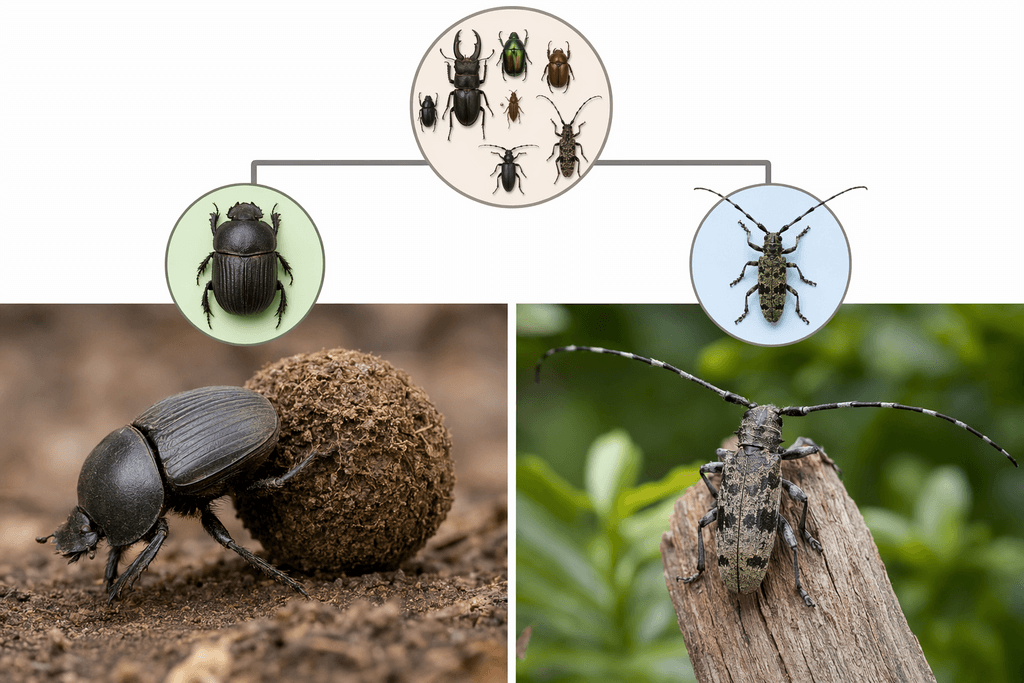
亜科
subpamilya
亜科
subpamilya
Explanation
亜科
subpamilya
亜科
subpamilya sa taksonomiya / pangkat sa pag-uuri na mas mababa sa pamilya
Sa larangan ng taksonomiya, ang insektong ito ay maaaring magkaiba nang malaki sa anyo at paraan ng pamumuhay kahit kabilang sa iisang pamilya, depende sa pagkakaiba ng subpamilya.
( Base form )
( romanization )
( hiragana )
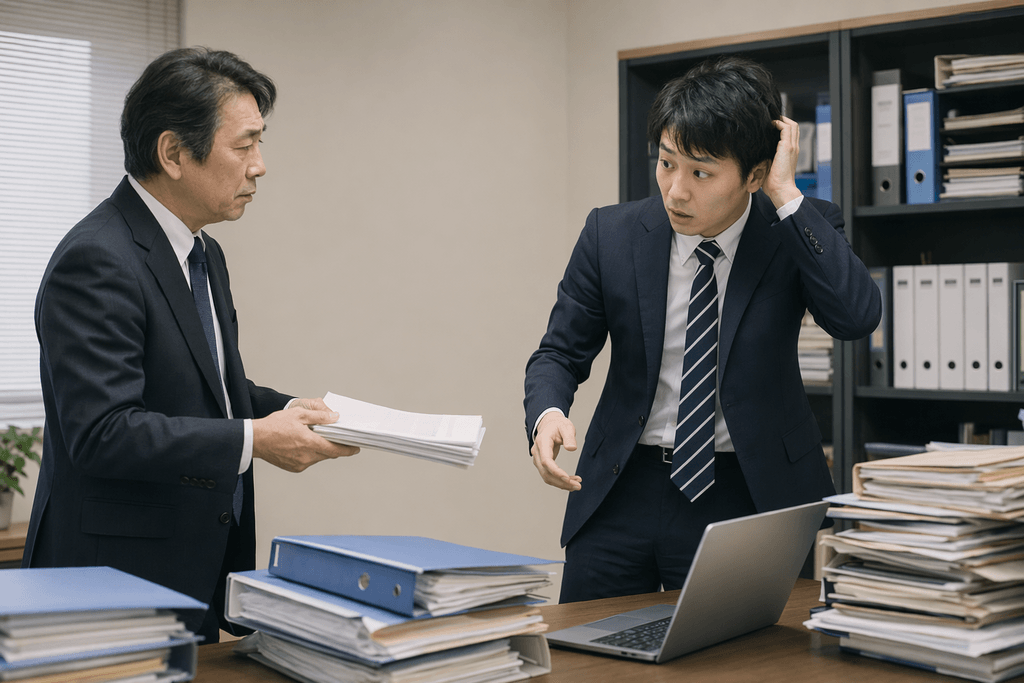
まごつく
mataranta
まごつく
mataranta
Explanation
mataranta
まごつく
malito / mataranta / mangapa
Nang tanungin siya, dahil sa biglaang pag-audit, kung nasaan ang mga dokumento, saglit siyang nataranta, pero agad siyang nagkunwaring kalmado at hinarap iyon.
Word Forms
The basic and commonly used forms of this verb.
Basic forms
| Form | Word form | Usage |
|---|---|---|
| Imperfective form (mizenkei) |
Alternative:
まごつこ
|
Connects to endings such as nai, reru, and seru. |
| Continuative form (renyokei) | Connects to endings such as masu, tai, and ta. | |
| Conclusive form (shushikei) | Ends a sentence and serves as the dictionary form. | |
| Attributive form (rentaikei) | Modifies a noun. | |
| Conditional form (kateikei) | Combines with ba to express a condition. | |
| Imperative form (meireikei) | Expresses a command or instruction. |
Common forms
動向
kalakaran
動向
kalakaran
Explanation
動向
kalakaran
動向
takbo ng mga pangyayari / kalakaran o tendensiya / patutunguhan o direksiyon

( Base form )
( romanization )
( hiragana )
承諾
pahintulot
承諾
pahintulot
Explanation
承諾
pahintulot
承諾
pagsang-ayon / pagpayag / pagtanggap

( Base form )
( romanization )
( hiragana )
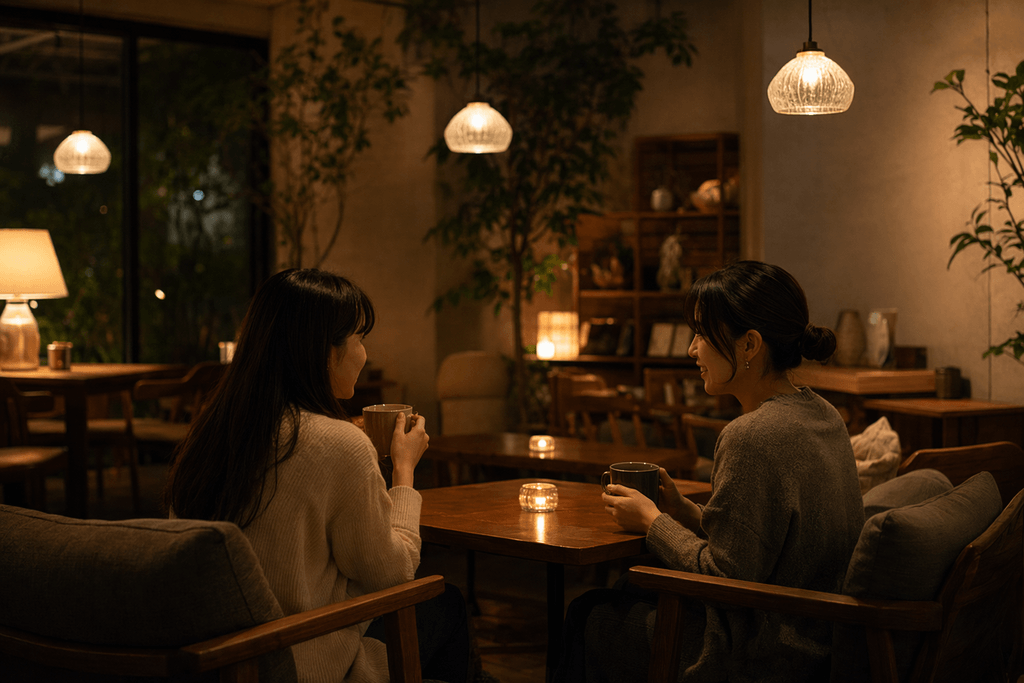
ムード
damdamin ng paligid
ムード
damdamin ng paligid
Explanation
damdamin ng paligid
ムード
damdamin / atmospera / (gramatika) anyo ng pandiwa
Nadama niya ang tensyon sa silid ng kumperensya, sinadya niyang ipagpaliban ang konklusyon, sa gayon ay naiwasan ang isang hindi maibabalik na komprontasyon.
( romanization )
セール
bentahang may diskuwento
セール
bentahang may diskuwento
Explanation
bentahang may diskuwento
セール
bentahan na may diskuwento / bagsak-presyo na pagbebenta

( romanization )
類推
paghihinuha sa pagkakatulad
類推
paghihinuha sa pagkakatulad
Explanation
類推
paghihinuha sa pagkakatulad
類推
analohiya / pangangatwirang batay sa paghahambing / panghihinuha sa pagkakatulad
Dahil limitado lamang ang ebidensya, dapat iwasan ang pagbibigay ng tiyak na konklusyon at wala tayong magagawa kundi umasa sa paghihinuha upang bumuo ng isang haypotesis.
( Base form )
( romanization )
( hiragana )
案じる
mag-alala / pag-isipan
案じる
mag-alala / pag-isipan
Explanation
案じる
mag-alala / pag-isipan
案じる
mag-alala / magmuni-muni / isipin

Word Forms
The basic and commonly used forms of this verb.
Basic forms
| Form | Word form | Usage |
|---|---|---|
| Imperfective form (mizenkei) | Connects to endings such as nai, reru, and seru. | |
| Continuative form (renyokei) | Connects to endings such as masu, tai, and ta. | |
| Conclusive form (shushikei) | Ends a sentence and serves as the dictionary form. | |
| Attributive form (rentaikei) | Modifies a noun. | |
| Conditional form (kateikei) | Combines with ba to express a condition. | |
| Imperative form (meireikei) |
Alternative:
案じよ
|
Expresses a command or instruction. |
Common forms
| Form | Word form | Usage |
|---|---|---|
| Te-form | Connects clauses with te. | |
| Ta-form | Expresses the past with ta. | |
| Nai-form | Expresses negation with nai. | |
| Masu-form | Used for polite speech. | |
| Ba-form | Expresses a condition with ba. | |
| Volitional form | Expresses intention or invitation. |
Notes
Loading...

JLPT N1 多言語単語帳・3032語 / JLPT N1 Multilingual Vocabulary: 3032 Words

Jonathan Waller 氏の JLPT Resources の語彙リスト・レベル分類を出典とし、CC BY の条件に従って DiQt が学習者向けに意味を作り直した3032語の単語帳です。JLPT公式の語彙リストではありません。
This collection of 3032 words is based on the vocabulary list and level classifications in Jonathan Waller’s JLPT Resources under CC BY, with meanings rewritten by DiQt for learners. It is not an official JLPT vocabulary list.
Key Operations
Select the first quiz:
Ctrl + Enter
View Explanation:Ctrl + G
Close a feedback:Esc
When selecting a quiz
Answer:Enter
Select a choice:↓ or ↑
Reading out the question:Ctrl + K
View Hint: Ctrl + M
I don't know: Ctrl + Y



