
JLPT N1 어휘 뜻 4지선다 - Unsolved

4지선다 문제로 JLPT N1 어휘 3032개의 뜻을 한국어로 익힙니다.
-
조합하다
-
우울해지다 / 떨어지다
-
신음하다 / 으르렁거리다
- 「生む」の異表記。
-
기진맥진하다
-
소유하다
-
더듬다 / 길을 따라가다
-
외다 / 주창하다
-
물들이다
-
완수하다
-
사냥감 / 전리품
-
위조품
-
속도
-
완성 상태
-
재원
-
신고
-
여지
-
특권
-
부임
-
집다
-
설명하다 / 주창하다
-
이기다
- 五段活用(マ行)の動詞。未然形は「ない」に続く形を primary とし、意志形に用いる「阻も」を variants に入れた。
-
마음이 편하다
-
나긋나긋하다
-
정당하다
- 擬態語由来の形容動詞。連体では「だぶだぶの」もよく用いられる。
-
처지
-
뒷전으로 미룸
-
맹점
-
조사 / 가락
-
이자
-
폐
産む
아이를 낳다 / 알을 낳다
産む
아이를 낳다 / 알을 낳다
Explanation
産む
아이를 낳다 / 알을 낳다
産む
낳다 / 출산하다

Word Forms
The basic and commonly used forms of this verb.
Basic forms
| Form | Word form | Usage |
|---|---|---|
| Imperfective form (mizenkei) |
Alternative:
産も
|
Connects to endings such as nai, reru, and seru. |
| Continuative form (renyokei) |
Alternative:
産ん
|
Connects to endings such as masu, tai, and ta. |
| Conclusive form (shushikei) | Ends a sentence and serves as the dictionary form. | |
| Attributive form (rentaikei) | Modifies a noun. | |
| Conditional form (kateikei) | Combines with ba to express a condition. | |
| Imperative form (meireikei) | Expresses a command or instruction. |
Common forms
| Form | Word form | Usage |
|---|---|---|
| Te-form | Connects clauses with te. | |
| Ta-form | Expresses the past with ta. | |
| Nai-form | Expresses negation with nai. | |
| Masu-form | Used for polite speech. | |
| Ba-form | Expresses a condition with ba. | |
| Volitional form | Expresses intention or invitation. |
Notes
打ち合わせる
사전 협의하다
打ち合わせる
사전 협의하다
Explanation
打ち合わせる
사전 협의하다
打ち合わせる
두 물건을 맞부딪치다 / 미리 상의하다

Word Forms
The basic and commonly used forms of this verb.
Basic forms
| Form | Word form | Usage |
|---|---|---|
| Imperfective form (mizenkei) | Connects to endings such as nai, reru, and seru. | |
| Continuative form (renyokei) | Connects to endings such as masu, tai, and ta. | |
| Conclusive form (shushikei) | Ends a sentence and serves as the dictionary form. | |
| Attributive form (rentaikei) | Modifies a noun. | |
| Conditional form (kateikei) | Combines with ba to express a condition. | |
| Imperative form (meireikei) |
Alternative:
打ち合わせよ
|
Expresses a command or instruction. |
Common forms
省みる
반성하다
省みる
반성하다
Explanation
省みる
반성하다
省みる
되돌아보고 반성하다 / 재고하다 / 유의하거나 존중하다

Word Forms
The basic and commonly used forms of this verb.
Basic forms
| Form | Word form | Usage |
|---|---|---|
| Imperfective form (mizenkei) | Connects to endings such as nai, reru, and seru. | |
| Continuative form (renyokei) | Connects to endings such as masu, tai, and ta. | |
| Conclusive form (shushikei) | Ends a sentence and serves as the dictionary form. | |
| Attributive form (rentaikei) | Modifies a noun. | |
| Conditional form (kateikei) | Combines with ba to express a condition. | |
| Imperative form (meireikei) |
Alternative:
省みろ
|
Expresses a command or instruction. |
Common forms
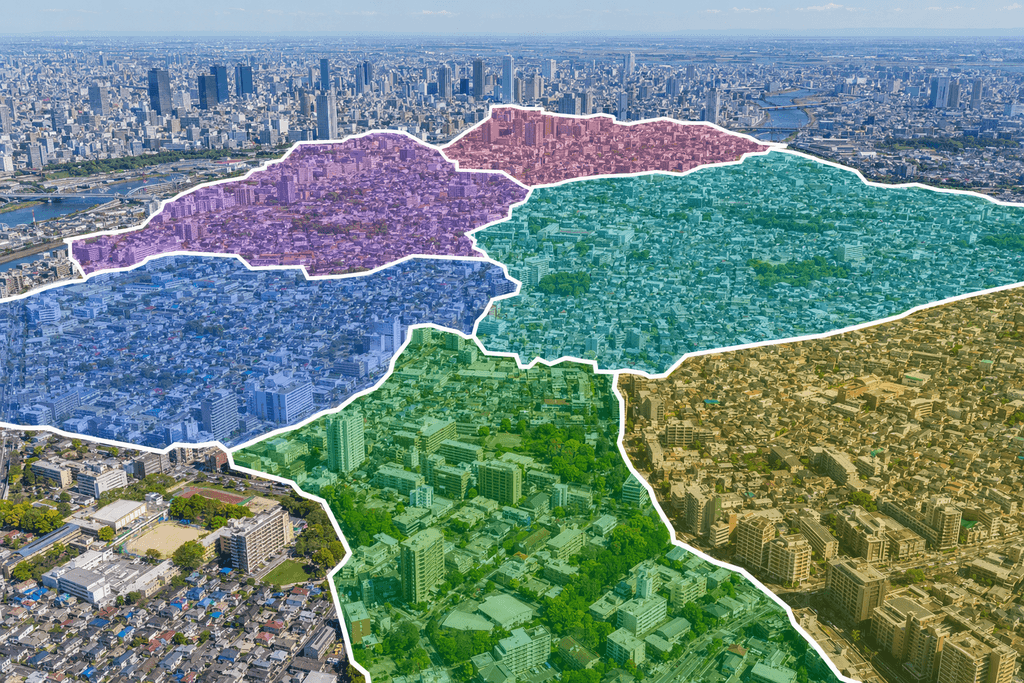
区
구
区
구
Explanation
区
구
区
구(행정구역의 한 단위) / 구역, 구분된 부분 / 지구, 지역
( romanization )
( hiragana )
同意
동의 / 같은 뜻
同意
동의 / 같은 뜻
Explanation
同意
동의 / 같은 뜻
同意
의견이나 제안에 대한 찬성·승낙 / 같은 뜻인 관계; 의미가 같음

( Base form )
( romanization )
( hiragana )
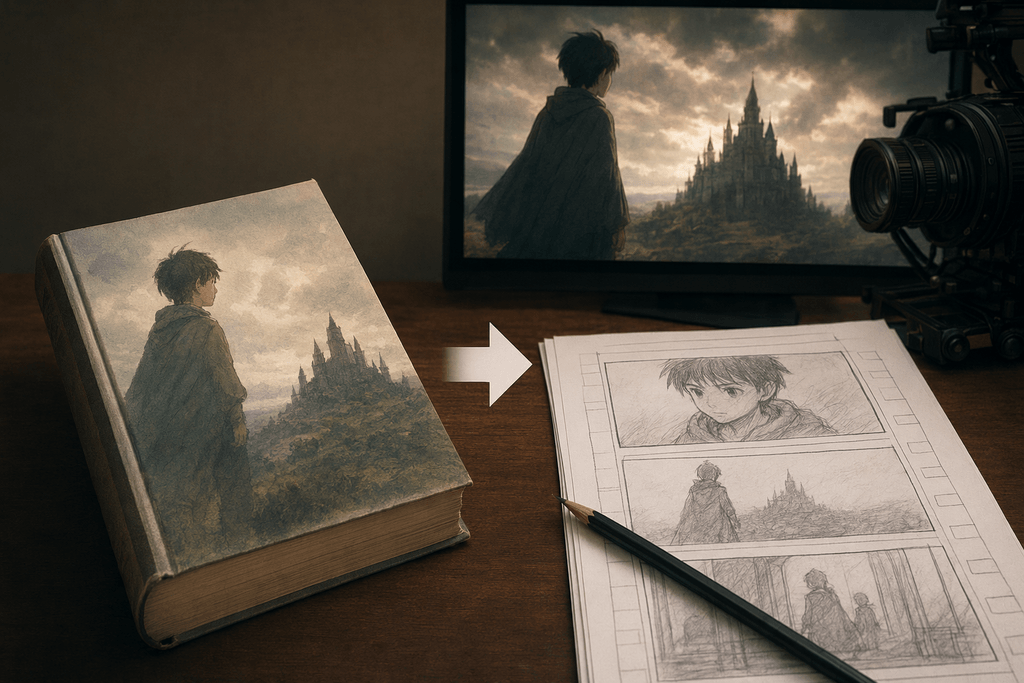
原作
원작
原作
원작
Explanation
原作
원작
原作
각색·번역의 바탕이 되는 본래의 작품 / 원래의 창작물 / 원본 작품
( Base form )
( romanization )
( hiragana )
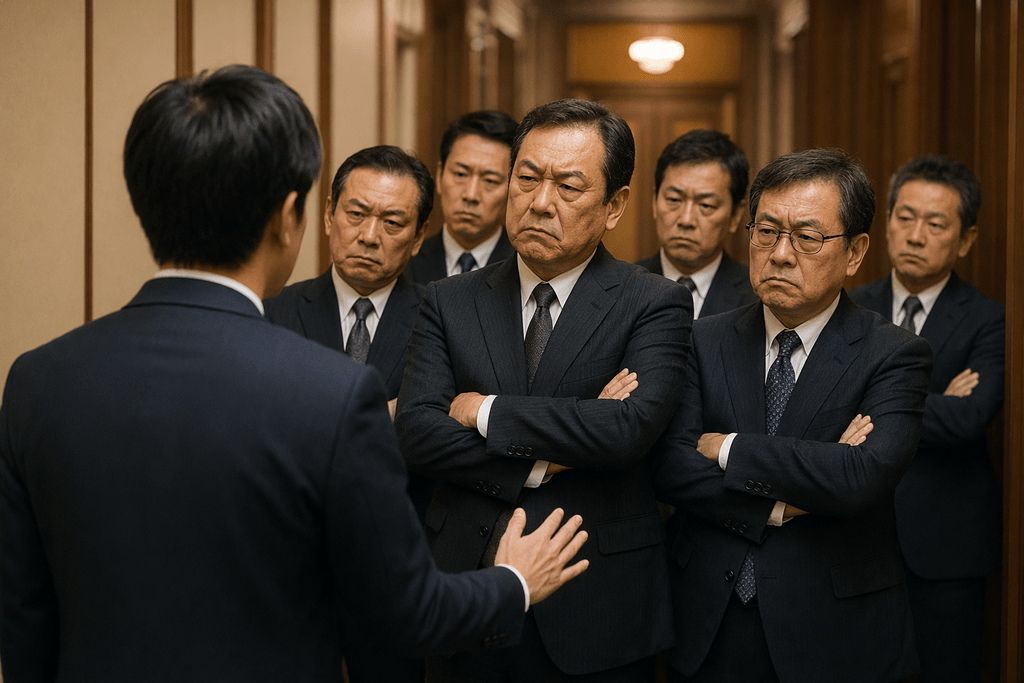
阻む
가로막다
阻む
가로막다
Explanation
阻む
가로막다
阻む
막다 / 방해하다 / 저지하다
Word Forms
The basic and commonly used forms of this verb.
Basic forms
| Form | Word form | Usage |
|---|---|---|
| Imperfective form (mizenkei) |
Alternative:
阻も
|
Connects to endings such as nai, reru, and seru. |
| Continuative form (renyokei) | Connects to endings such as masu, tai, and ta. | |
| Conclusive form (shushikei) | Ends a sentence and serves as the dictionary form. | |
| Attributive form (rentaikei) | Modifies a noun. | |
| Conditional form (kateikei) | Combines with ba to express a condition. | |
| Imperative form (meireikei) | Expresses a command or instruction. |
Common forms
| Form | Word form | Usage |
|---|---|---|
| Te-form | Connects clauses with te. | |
| Ta-form | Expresses the past with ta. | |
| Nai-form | Expresses negation with nai. | |
| Masu-form | Used for polite speech. | |
| Ba-form | Expresses a condition with ba. | |
| Volitional form | Expresses intention or invitation. |
Notes
だぶだぶ
헐렁하다
だぶだぶ
헐렁하다
Explanation
헐렁하다
だぶだぶ
헐렁한 / 펑퍼진 / 너무 큰

Word Forms
The basic and commonly used forms of this adjectival noun.
Basic forms
| Form | Word form | Usage |
|---|---|---|
| Imperfective form (mizenkei) | Used in forms such as darou. | |
| Continuative form (renyokei) |
Alternative:
だぶだぶに
だぶだぶだっ
|
Used with de or ni. |
| Conclusive form (shushikei) | Ends a sentence with da. | |
| Attributive form (rentaikei) |
Alternative:
だぶだぶの
|
Modifies a noun with na. |
| Conditional form (kateikei) | Expresses a condition with nara. | |
| Imperative form (meireikei) | Used in formal expressions such as de are. |
Common forms
| Form | Word form | Usage |
|---|---|---|
| Te-form equivalent | Connects clauses using de. | |
| Ta-form | Expresses the past with datta. | |
| Nai-form |
Alternative:
だぶだぶじゃない
|
Expresses negation with dewa nai or ja nai. |
| Desu-form | Used for polite speech. |
Notes
廃止
폐지
廃止
폐지
Explanation
廃止
폐지
廃止
폐지 / 철폐 / 폐기

( Base form )
( romanization )
( kyūjitai )
( hiragana )
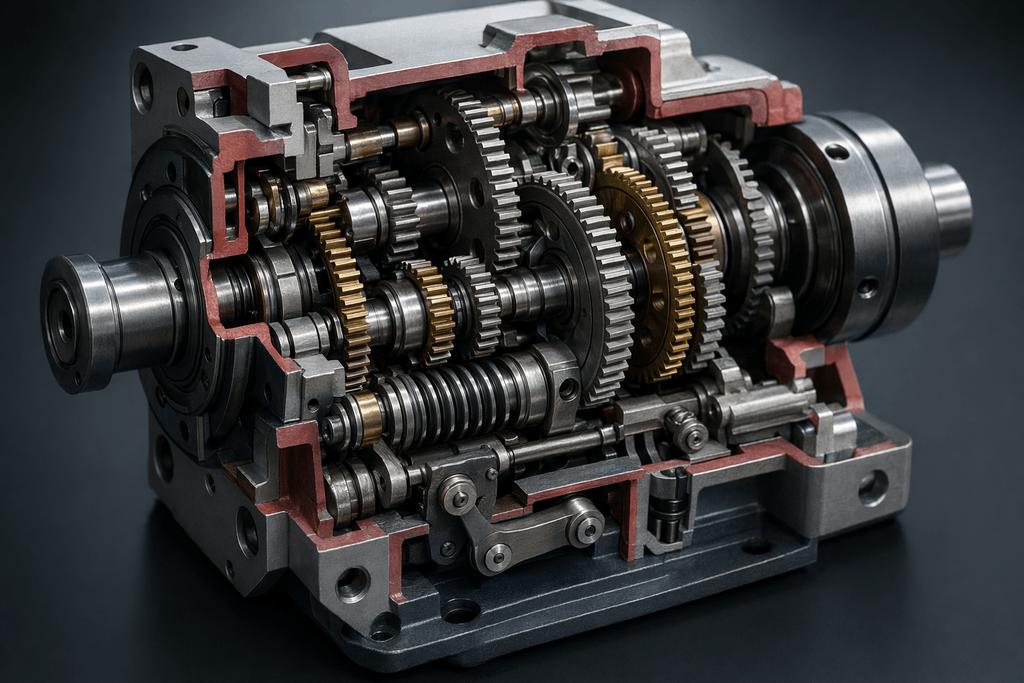
機構
기구 / 조직
機構
기구 / 조직
Explanation
機構
기구 / 조직
機構
기계적 구조와 작동 체계 / 목적과 규정을 가진 조직·기관
( Base form )
( romanization )
( hiragana )
Loading...

JLPT N1 多言語単語帳・3032語 / JLPT N1 Multilingual Vocabulary: 3032 Words

Jonathan Waller 氏の JLPT Resources の語彙リスト・レベル分類を出典とし、CC BY の条件に従って DiQt が学習者向けに意味を作り直した3032語の単語帳です。JLPT公式の語彙リストではありません。
This collection of 3032 words is based on the vocabulary list and level classifications in Jonathan Waller’s JLPT Resources under CC BY, with meanings rewritten by DiQt for learners. It is not an official JLPT vocabulary list.
Key Operations
Select the first quiz:
Ctrl + Enter
View Explanation:Ctrl + G
Close a feedback:Esc
When selecting a quiz
Answer:Enter
Select a choice:↓ or ↑
Reading out the question:Ctrl + K
View Hint: Ctrl + M
I don't know: Ctrl + Y



