
JLPT N1 어휘 뜻 4지선다 - Unsolved

4지선다 문제로 JLPT N1 어휘 3032개의 뜻을 한국어로 익힙니다.
-
협박
-
삭감
-
토대
- 「ござる」に丁寧の助動詞「ます」が付いた形に由来する、現代語の丁寧な存在表現・丁寧なコピュラ表現。
- 仮定形「ございますれ」は現代語では極めてまれで、通常は「ございましたら」「であれば」などを用いる。
- 命令形「ございませ」は接客表現などで「いらっしゃいませ」に類する形式として残るが、「ございます」単独の命令用法は通常用いられない。
-
합병
-
결속 / 묶음
-
올림
-
짊어지다
-
완화하다
-
심겨 있다
-
손가락으로 가리키다
-
조사하다
-
타다 / 들이닥치다
-
술집 / 막대
-
구상 / 계획
-
소묘
-
단일
-
고인
-
거품 찌꺼기 / 떫은맛
-
반사 / 반사 작용
-
산출
-
풍습
-
당사자 간 협의
-
무능
-
출생
-
신전
-
비서
-
방패 / 구실
-
내던지다 / 내팽개치다
-
훈육하다 / 시침질하다
-
당황하다
ございます
입니다 / 있습니다
ございます
입니다 / 있습니다
Explanation
입니다 / 있습니다
ございます
(겸양·격식) 있다, 존재하다 / (겸양·격식) 이다, ~입니다 / (겸양·격식) 가지고 있다

Word Forms
The basic and commonly used forms of this auxiliary verb.
Basic forms
| Form | Word form | Usage |
|---|---|---|
| Imperfective form (mizenkei) |
Alternative:
ございましょ
|
Available forms depend on the auxiliary verb. |
| Continuative form (renyokei) |
Alternative:
ございまして
ござい
|
Available forms depend on the auxiliary verb. |
| Conclusive form (shushikei) | The basic form carrying the grammatical function. | |
| Attributive form (rentaikei) | Usage depends on the surrounding words. | |
| Conditional form (kateikei) | Used when the auxiliary participates in a conditional expression. | |
| Imperative form (meireikei) | Some auxiliaries do not have this form. |
Common forms
| Form | Word form | Usage |
|---|---|---|
| No displayable derived forms are available. | ||
Notes
公用
공용
公用
공용
Explanation
公用
공용
公用
공무 / 공적 사용 / 정부·공공기관용

( Base form )
( romanization )
( hiragana )
寄り掛かる
기대다 / 의지하다
寄り掛かる
기대다 / 의지하다
Explanation
寄り掛かる
기대다 / 의지하다
寄り掛かる
기대다 / 의존하다 / 의지하다

Word Forms
The basic and commonly used forms of this verb.
Basic forms
| Form | Word form | Usage |
|---|---|---|
| Imperfective form (mizenkei) |
Alternative:
寄り掛かろ
|
Connects to endings such as nai, reru, and seru. |
| Continuative form (renyokei) | Connects to endings such as masu, tai, and ta. | |
| Conclusive form (shushikei) | Ends a sentence and serves as the dictionary form. | |
| Attributive form (rentaikei) | Modifies a noun. | |
| Conditional form (kateikei) | Combines with ba to express a condition. | |
| Imperative form (meireikei) | Expresses a command or instruction. |
Common forms
炒める
볶다
炒める
볶다
Explanation
炒める
볶다
炒める
볶다 / 팬에 기름을 두르고 굽다 / 약한 불에서 재료를 볶아 수분을 빼다

Word Forms
The basic and commonly used forms of this verb.
Basic forms
| Form | Word form | Usage |
|---|---|---|
| Imperfective form (mizenkei) | Connects to endings such as nai, reru, and seru. | |
| Continuative form (renyokei) | Connects to endings such as masu, tai, and ta. | |
| Conclusive form (shushikei) | Ends a sentence and serves as the dictionary form. | |
| Attributive form (rentaikei) | Modifies a noun. | |
| Conditional form (kateikei) | Combines with ba to express a condition. | |
| Imperative form (meireikei) |
Alternative:
炒めよ
|
Expresses a command or instruction. |
Common forms
勢力
세력 / 영향력
勢力
세력 / 영향력
Explanation
勢力
세력 / 영향력
勢力
세력 / 영향력 / 권세

( Base form )
( romanization )
( romanization )
( hiragana )
言伝
전갈
言伝
전갈
Explanation
言伝
전갈
言伝
전언 / 구두로 전하는 말 / 전갈

( Base form )
( romanization )
( kyūjitai )
( hiragana )
解除
해제
解除
해제
Explanation
解除
해제
解除
(주문·계약의) 취소·해지 / (잠금·제한의) 해제 / (제재의) 해제

( Base form )
( romanization )
( romanization )
( hiragana historical )
( hiragana )
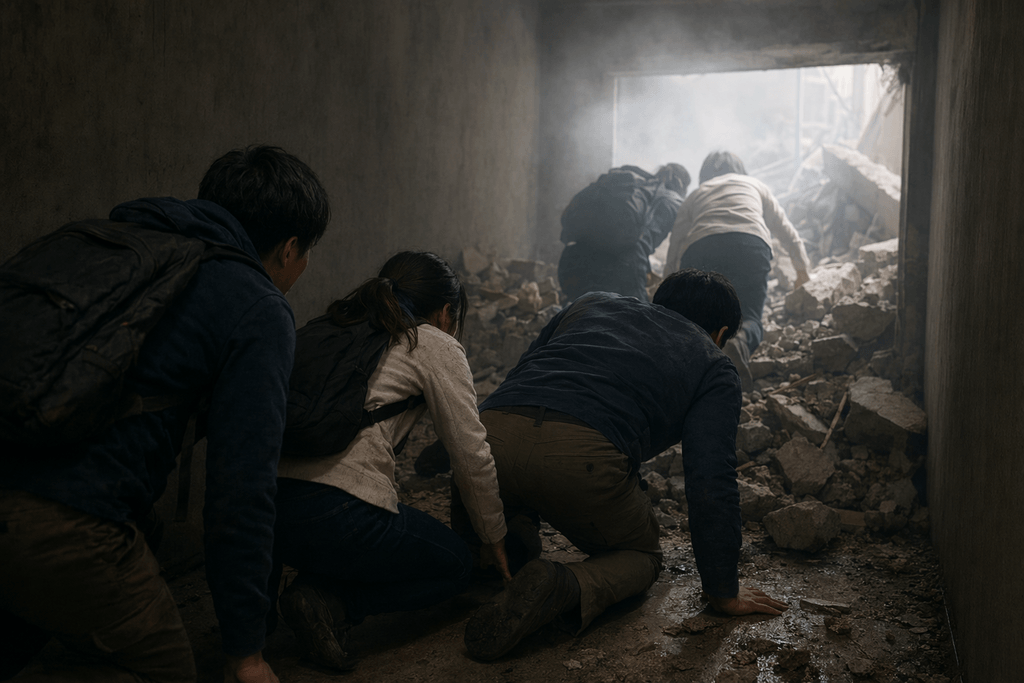
脱出
탈출
脱出
탈출
Explanation
脱出
탈출
脱出
위험하거나 불쾌한 장소에서 벗어남 / 의학: 장기나 조직이 제자리에서 벗어나 밖으로 밀려 나오는 상태
( Base form )
( romanization )
( hiragana )
幹線
간선
幹線
간선
Explanation
幹線
간선
幹線
교통·통신 등의 주된 노선 / (철도·도로) 간선

( Base form )
( romanization )
( hiragana )
組み込む
편입하다
組み込む
편입하다
Explanation
組み込む
편입하다
組み込む
삽입하다 / 포함시키다 / 통합하다

Word Forms
The basic and commonly used forms of this verb.
Basic forms
| Form | Word form | Usage |
|---|---|---|
| Imperfective form (mizenkei) |
Alternative:
組み込も
|
Connects to endings such as nai, reru, and seru. |
| Continuative form (renyokei) | Connects to endings such as masu, tai, and ta. | |
| Conclusive form (shushikei) | Ends a sentence and serves as the dictionary form. | |
| Attributive form (rentaikei) | Modifies a noun. | |
| Conditional form (kateikei) | Combines with ba to express a condition. | |
| Imperative form (meireikei) | Expresses a command or instruction. |
Common forms
Loading...

JLPT N1 多言語単語帳・3032語 / JLPT N1 Multilingual Vocabulary: 3032 Words

Jonathan Waller 氏の JLPT Resources の語彙リスト・レベル分類を出典とし、CC BY の条件に従って DiQt が学習者向けに意味を作り直した3032語の単語帳です。JLPT公式の語彙リストではありません。
This collection of 3032 words is based on the vocabulary list and level classifications in Jonathan Waller’s JLPT Resources under CC BY, with meanings rewritten by DiQt for learners. It is not an official JLPT vocabulary list.
Key Operations
Select the first quiz:
Ctrl + Enter
View Explanation:Ctrl + G
Close a feedback:Esc
When selecting a quiz
Answer:Enter
Select a choice:↓ or ↑
Reading out the question:Ctrl + K
View Hint: Ctrl + M
I don't know: Ctrl + Y



