
JLPT N1 어휘 뜻 4지선다 - Unsolved

4지선다 문제로 JLPT N1 어휘 3032개의 뜻을 한국어로 익힙니다.
-
최선
-
끓는 물
-
분리
-
돋보이다
-
필요로 하다
-
뒤엎다
-
간신히
-
찬찬히
-
전혀
-
흥미롭다 / 재미있다
-
맛있다
-
떫다 / 차분하고 멋있다
-
근저
-
만날 약속
-
늪
-
최선
-
선율
-
전례
-
참조
-
신임
-
흉작
-
대비
-
타이어 펑크 / 펑크 록
-
출발점 / 좌표 원점
-
절실하다
-
제각각이다
-
동적이다
- 「漠然と」の形でも副詞的に用いられる。
- 連体形には文語的な「漠然たる」もある。
-
우울해지다 / 떨어지다
-
다 나오다
-
꾀하다 / 도모하다
破棄
파기
破棄
파기
Explanation
破棄
파기
破棄
기록물의 파기 / 계약·조약 등의 취소·무효화 / 판결의 파기

( Base form )
( romanization )
( hiragana )
定まる
정해지다
定まる
정해지다
Explanation
定まる
정해지다
定まる
정해지다 / 확정되다 / 안정되다

Word Forms
The basic and commonly used forms of this verb.
Basic forms
| Form | Word form | Usage |
|---|---|---|
| Imperfective form (mizenkei) | Connects to endings such as nai, reru, and seru. | |
| Continuative form (renyokei) | Connects to endings such as masu, tai, and ta. | |
| Conclusive form (shushikei) | Ends a sentence and serves as the dictionary form. | |
| Attributive form (rentaikei) | Modifies a noun. | |
| Conditional form (kateikei) | Combines with ba to express a condition. | |
| Imperative form (meireikei) | Expresses a command or instruction. |
Common forms
びっしょり
흠뻑
びっしょり
흠뻑
Explanation
흠뻑
びっしょり
흠뻑(젖게) / 흠뻑 젖어 / 몹시 젖어

( romanization )
浅ましい
비열하다
浅ましい
비열하다
Explanation
浅ましい
비열하다
浅ましい
비참한 / 비열한 / 천한

Word Forms
The basic and commonly used forms of this adjective.
Basic forms
| Form | Word form | Usage |
|---|---|---|
| Imperfective form (mizenkei) | Used in forms such as karou; mainly literary. | |
| Continuative form (renyokei) |
Alternative:
浅ましかっ
|
Used in forms such as kute and kunai. |
| Conclusive form (shushikei) | Ends a sentence. | |
| Attributive form (rentaikei) | Modifies a noun. | |
| Conditional form (kateikei) | Expresses a condition with kereba. | |
| Imperative form (meireikei) | Rarely used in modern Japanese. |
Common forms
器
그릇 / 도량
器
그릇 / 도량
Explanation
器
그릇 / 도량
器
그릇, 용기 / 도구, 기구 / (비유) 그릇됨, 역량·재능

( romanization )
( romanization )
( hiragana historical )
( hiragana )
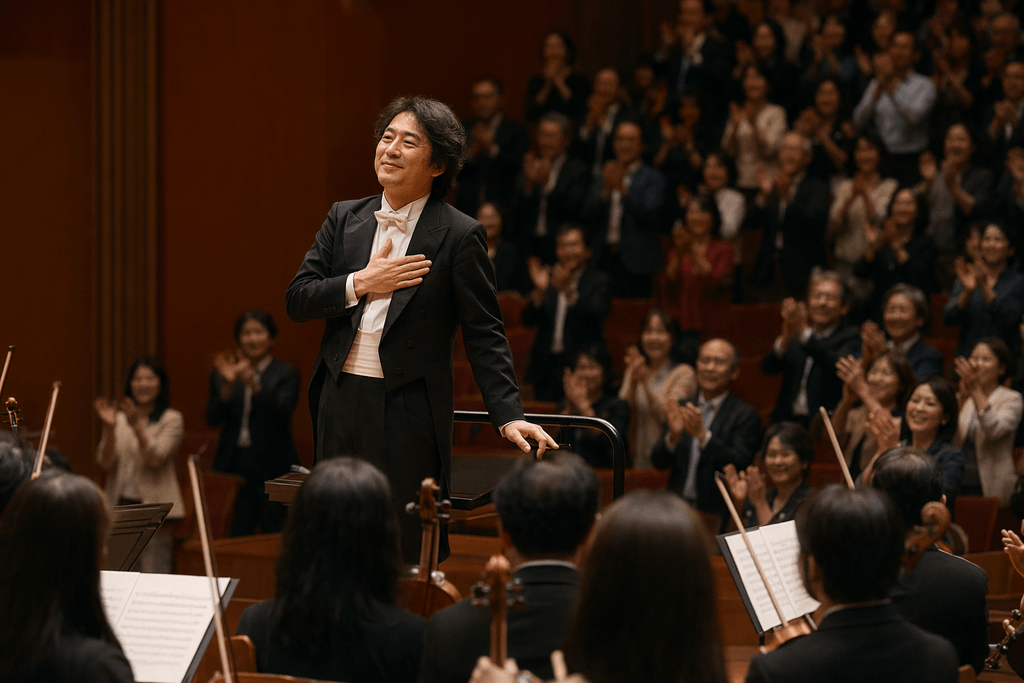
アンコール
앙코르
アンコール
앙코르
Explanation
앙코르
アンコール
관객의 요청에 따라 덧붙이는 추가 공연 / 다시 부르는 노래·곡 또는 무대 / 갈채에 응해 재출연함
( romanization )
到達
도달
到達
도달
Explanation
到達
도달
到達
도달 / 도착 / 달성

( Base form )
( romanization )
( hiragana )
連盟
연맹
連盟
연맹
Explanation
連盟
연맹
連盟
연맹 / 동맹 / 연합

( Base form )
( romanization )
( hiragana )
漠然
막연하다
漠然
막연하다
Explanation
漠然
막연하다
漠然
막연한 / 모호한 / 불분명한

Word Forms
The basic and commonly used forms of this adjectival noun.
Basic forms
| Form | Word form | Usage |
|---|---|---|
| Imperfective form (mizenkei) | Used in forms such as darou. | |
| Continuative form (renyokei) |
Alternative:
漠然に
|
Used with de or ni. |
| Conclusive form (shushikei) | Ends a sentence with da. | |
| Attributive form (rentaikei) |
Alternative:
漠然たる
|
Modifies a noun with na. |
| Conditional form (kateikei) | Expresses a condition with nara. | |
| Imperative form (meireikei) | Used in formal expressions such as de are. |
Common forms
| Form | Word form | Usage |
|---|---|---|
| Te-form equivalent | Connects clauses using de. | |
| Ta-form | Expresses the past with datta. | |
| Nai-form |
Alternative:
漠然じゃない
|
Expresses negation with dewa nai or ja nai. |
| Desu-form | Used for polite speech. |
Notes
違える
잘못하다 / 바꾸다
違える
잘못하다 / 바꾸다
Explanation
違える
잘못하다 / 바꾸다
違える
바꾸다 / 잘못하다 / 약속을 어기다

Word Forms
The basic and commonly used forms of this verb.
Basic forms
| Form | Word form | Usage |
|---|---|---|
| Imperfective form (mizenkei) | Connects to endings such as nai, reru, and seru. | |
| Continuative form (renyokei) | Connects to endings such as masu, tai, and ta. | |
| Conclusive form (shushikei) | Ends a sentence and serves as the dictionary form. | |
| Attributive form (rentaikei) | Modifies a noun. | |
| Conditional form (kateikei) | Combines with ba to express a condition. | |
| Imperative form (meireikei) |
Alternative:
違えよ
|
Expresses a command or instruction. |
Common forms
Loading...

JLPT N1 多言語単語帳・3032語 / JLPT N1 Multilingual Vocabulary: 3032 Words

Jonathan Waller 氏の JLPT Resources の語彙リスト・レベル分類を出典とし、CC BY の条件に従って DiQt が学習者向けに意味を作り直した3032語の単語帳です。JLPT公式の語彙リストではありません。
This collection of 3032 words is based on the vocabulary list and level classifications in Jonathan Waller’s JLPT Resources under CC BY, with meanings rewritten by DiQt for learners. It is not an official JLPT vocabulary list.
Key Operations
Select the first quiz:
Ctrl + Enter
View Explanation:Ctrl + G
Close a feedback:Esc
When selecting a quiz
Answer:Enter
Select a choice:↓ or ↑
Reading out the question:Ctrl + K
View Hint: Ctrl + M
I don't know: Ctrl + Y



