
JLPT N1 어휘 뜻 4지선다 - Unsolved

4지선다 문제로 JLPT N1 어휘 3032개의 뜻을 한국어로 익힙니다.
-
개설
-
지향
-
호위
-
한 벌
-
결단
-
휴전
-
뜯어내다
-
강화하다
-
결부되다
-
악랄하다 / 요란하다
-
간지럽다
-
바람직하다
- 「下らない」は語末が「ない」だが、ここでは形容詞(イ形容詞)として扱う。
- 命令形「下らなかれ」は現代語では稀。
-
진심
-
미술
-
획기
-
재생
-
겁이 많음
-
호황
-
부탁 / 의지
-
인색함 / 구두쇠
-
수당 / 치료
-
사냥감 / 전리품
-
영역
-
속도
-
구술
-
맛 / 멋
-
표
-
안내서
-
조정
-
야생
仕様
사양 / 방법
仕様
사양 / 방법
Explanation
仕様
사양 / 방법
仕様
방법·수단 / 사양, 기술 명세(서)

( Base form )
( romanization )
( romanization )
( hiragana historical )
( hiragana )
バッジ
배지
バッジ
배지
Explanation
배지
バッジ
배지 / 표장 / 휘장

( romanization )
病む
앓다
病む
앓다
Explanation
病む
앓다
病む
앓다 / 근심하다 / 다치다

Word Forms
The basic and commonly used forms of this verb.
Basic forms
| Form | Word form | Usage |
|---|---|---|
| Imperfective form (mizenkei) |
Alternative:
病も
|
Connects to endings such as nai, reru, and seru. |
| Continuative form (renyokei) | Connects to endings such as masu, tai, and ta. | |
| Conclusive form (shushikei) | Ends a sentence and serves as the dictionary form. | |
| Attributive form (rentaikei) | Modifies a noun. | |
| Conditional form (kateikei) | Combines with ba to express a condition. | |
| Imperative form (meireikei) | Expresses a command or instruction. |
Common forms
下らない
하찮다
下らない
하찮다
Explanation
下らない
하찮다
下らない
시시한 / 하찮은 / 쓸데없는

Word Forms
The basic and commonly used forms of this adjective.
Basic forms
| Form | Word form | Usage |
|---|---|---|
| Imperfective form (mizenkei) |
Alternative:
くだらなかろ
|
Used in forms such as karou; mainly literary. |
| Continuative form (renyokei) |
Alternative:
くだらなく
下らなかっ
くだらなかっ
|
Used in forms such as kute and kunai. |
| Conclusive form (shushikei) |
Alternative:
くだらない
|
Ends a sentence. |
| Attributive form (rentaikei) |
Alternative:
くだらない
|
Modifies a noun. |
| Conditional form (kateikei) |
Alternative:
くだらなけれ
|
Expresses a condition with kereba. |
| Imperative form (meireikei) |
Alternative:
くだらなかれ
|
Rarely used in modern Japanese. |
Common forms
| Form | Word form | Usage |
|---|---|---|
| Te-form |
Alternative:
くだらなくて
下らなくって
くだらなくって
|
Connects clauses with kute. |
| Ta-form |
Alternative:
くだらなかった
|
Expresses the past with katta. |
| Nai-form |
Alternative:
くだらなくない
|
Expresses negation with kunai. |
| Ba-form |
Alternative:
くだらなければ
下らなきゃ
くだらなきゃ
|
Expresses a condition with kereba. |
Notes
雨具
우비
雨具
우비
Explanation
雨具
우비
雨具
비를 막기 위한 도구 / 우산·우비 등 비 오는 날 쓰는 용품

( romanization )
議決
의결
議決
의결
Explanation
議決
의결
議決
의결 / 결의 / 투표로 내린 결정

( Base form )
( romanization )
( hiragana )
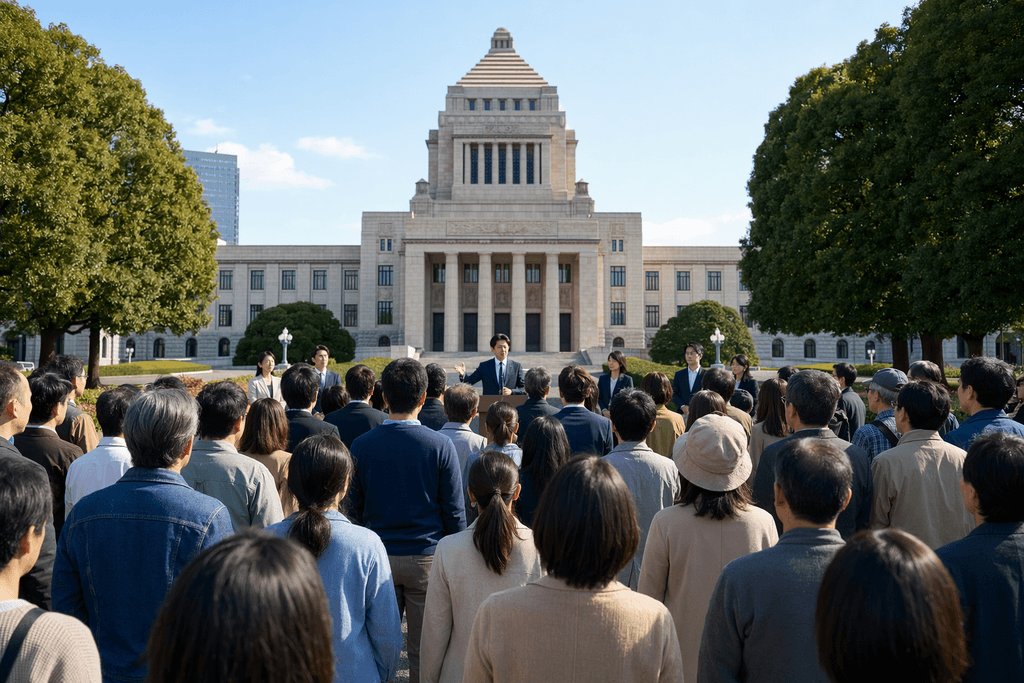
人民
인민
人民
인민
Explanation
人民
인민
人民
인민 / 국민 / 일반 대중
( Base form )
( romanization )
( hiragana )
エンジニア
엔지니어
エンジニア
엔지니어
Explanation
엔지니어
エンジニア
공학을 전문으로 하는 사람 / 기술 시스템을 설계·개발·운영하는 전문가 / 엔지니어링 자격을 갖춘 직업인

( romanization )
原典
원전
原典
원전
Explanation
原典
원전
原典
번역되지 않은 원래의 텍스트 / 정본으로 간주되는 근원 문헌

( Base form )
( romanization )
( hiragana )
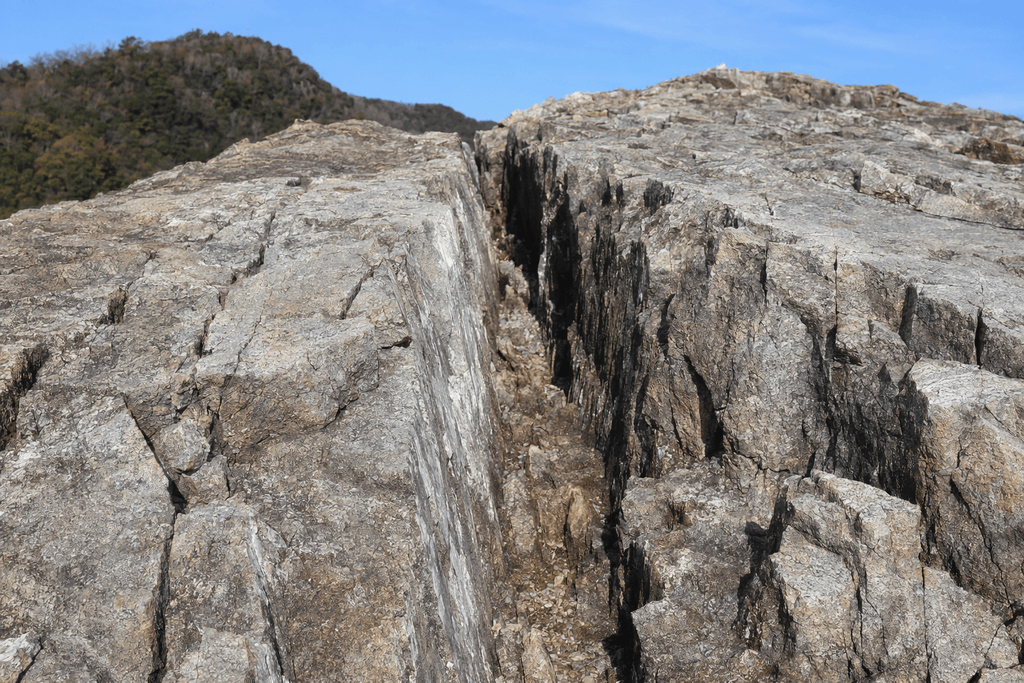
岩石
암석
岩石
암석
Explanation
岩石
암석
岩石
암석 / 바위
( Base form )
( romanization )
( hiragana )
Loading...

JLPT N1 多言語単語帳・3032語 / JLPT N1 Multilingual Vocabulary: 3032 Words

Jonathan Waller 氏の JLPT Resources の語彙リスト・レベル分類を出典とし、CC BY の条件に従って DiQt が学習者向けに意味を作り直した3032語の単語帳です。JLPT公式の語彙リストではありません。
This collection of 3032 words is based on the vocabulary list and level classifications in Jonathan Waller’s JLPT Resources under CC BY, with meanings rewritten by DiQt for learners. It is not an official JLPT vocabulary list.
Key Operations
Select the first quiz:
Ctrl + Enter
View Explanation:Ctrl + G
Close a feedback:Esc
When selecting a quiz
Answer:Enter
Select a choice:↓ or ↑
Reading out the question:Ctrl + K
View Hint: Ctrl + M
I don't know: Ctrl + Y



