
JLPT N1 어휘 뜻 4지선다 - Unsolved

4지선다 문제로 JLPT N1 어휘 3032개의 뜻을 한국어로 익힙니다.
-
통솔
-
근본
-
수고
-
제어하다 / 제압하다
-
수줍어하다
-
살려 두다 / 활용하다
-
아이를 낳다 / 알을 낳다
-
재촉하다
-
비웃다
-
출생
-
근거
-
부진
-
강요하다
-
덮치다
-
연기하다
-
발족
-
하위
-
이슬
-
동행인
-
검소함 / 소박함
-
보육
-
울적하다 / 성가시다
-
평평하다 / 평이하다
-
날쌔다
- 口語的なイ形容詞。
-
대담함
-
이의
-
우아함
-
과다
-
불길한 징조
-
냅킨 / 생리대
記載
기재
記載
기재
Explanation
記載
기재
記載
문서나 서류에 내용을 적어 넣어 기록함 / 어떤 사항을 글로 서술하거나 명시함 / 적혀 있는 내용·문구

( Base form )
( romanization )
( hiragana )
強いる
강요하다
強いる
강요하다
Explanation
強いる
강요하다
強いる
강요하다 / 억지로 시키다 / 강제로 하게 하다

Word Forms
The basic and commonly used forms of this verb.
Basic forms
| Form | Word form | Usage |
|---|---|---|
| Imperfective form (mizenkei) | Connects to endings such as nai, reru, and seru. | |
| Continuative form (renyokei) | Connects to endings such as masu, tai, and ta. | |
| Conclusive form (shushikei) | Ends a sentence and serves as the dictionary form. | |
| Attributive form (rentaikei) | Modifies a noun. | |
| Conditional form (kateikei) | Combines with ba to express a condition. | |
| Imperative form (meireikei) |
Alternative:
強いよ
|
Expresses a command or instruction. |
Common forms
潤う
촉촉해지다 / 윤택해지다
潤う
촉촉해지다 / 윤택해지다
Explanation
潤う
촉촉해지다 / 윤택해지다
潤う
젖다 / 촉촉해지다 / 이익을 얻다

Word Forms
The basic and commonly used forms of this verb.
Basic forms
| Form | Word form | Usage |
|---|---|---|
| Imperfective form (mizenkei) |
Alternative:
潤お
|
Connects to endings such as nai, reru, and seru. |
| Continuative form (renyokei) | Connects to endings such as masu, tai, and ta. | |
| Conclusive form (shushikei) | Ends a sentence and serves as the dictionary form. | |
| Attributive form (rentaikei) | Modifies a noun. | |
| Conditional form (kateikei) | Combines with ba to express a condition. | |
| Imperative form (meireikei) | Expresses a command or instruction. |
Common forms
実業家
실업가
実業家
실업가
Explanation
実業家
실업가
実業家
실업가 / 사업가 / 기업인

( Base form )
( romanization )
( kyūjitai )
( hiragana )
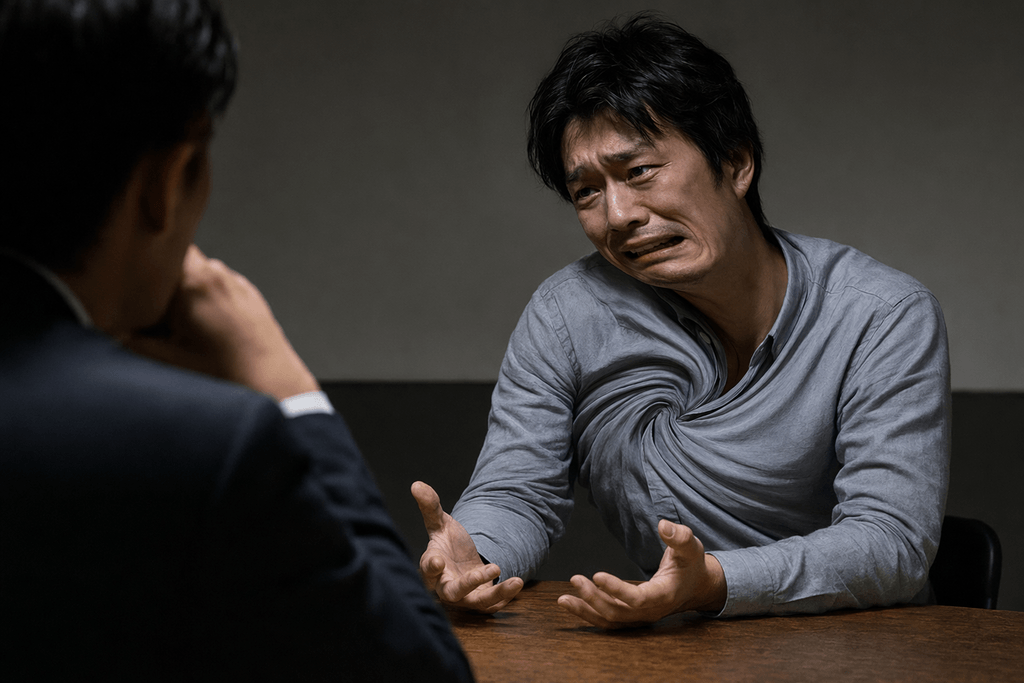
捻じれる
뒤틀리다
捻じれる
뒤틀리다
Explanation
捻じれる
뒤틀리다
捻じれる
비틀리다 / 뒤틀리다 / 구부러지다
Word Forms
The basic and commonly used forms of this verb.
Basic forms
| Form | Word form | Usage |
|---|---|---|
| Imperfective form (mizenkei) |
Alternative:
捩じれ
ねじれ
|
Connects to endings such as nai, reru, and seru. |
| Continuative form (renyokei) |
Alternative:
捩じれ
ねじれ
|
Connects to endings such as masu, tai, and ta. |
| Conclusive form (shushikei) |
Alternative:
捩じれる
ねじれる
|
Ends a sentence and serves as the dictionary form. |
| Attributive form (rentaikei) |
Alternative:
捩じれる
ねじれる
|
Modifies a noun. |
| Conditional form (kateikei) |
Alternative:
捩じれれ
ねじれれ
|
Combines with ba to express a condition. |
| Imperative form (meireikei) |
Alternative:
捻じれよ
捩じれろ
捩じれよ
ねじれろ
ねじれよ
|
Expresses a command or instruction. |
Common forms
| Form | Word form | Usage |
|---|---|---|
| Te-form |
Alternative:
捩じれて
ねじれて
|
Connects clauses with te. |
| Ta-form |
Alternative:
捩じれた
ねじれた
|
Expresses the past with ta. |
| Nai-form |
Alternative:
捩じれない
ねじれない
|
Expresses negation with nai. |
| Masu-form |
Alternative:
捩じれます
ねじれます
|
Used for polite speech. |
| Ba-form |
Alternative:
捩じれれば
ねじれれば
|
Expresses a condition with ba. |
| Volitional form |
Alternative:
捩じれよう
ねじれよう
|
Expresses intention or invitation. |
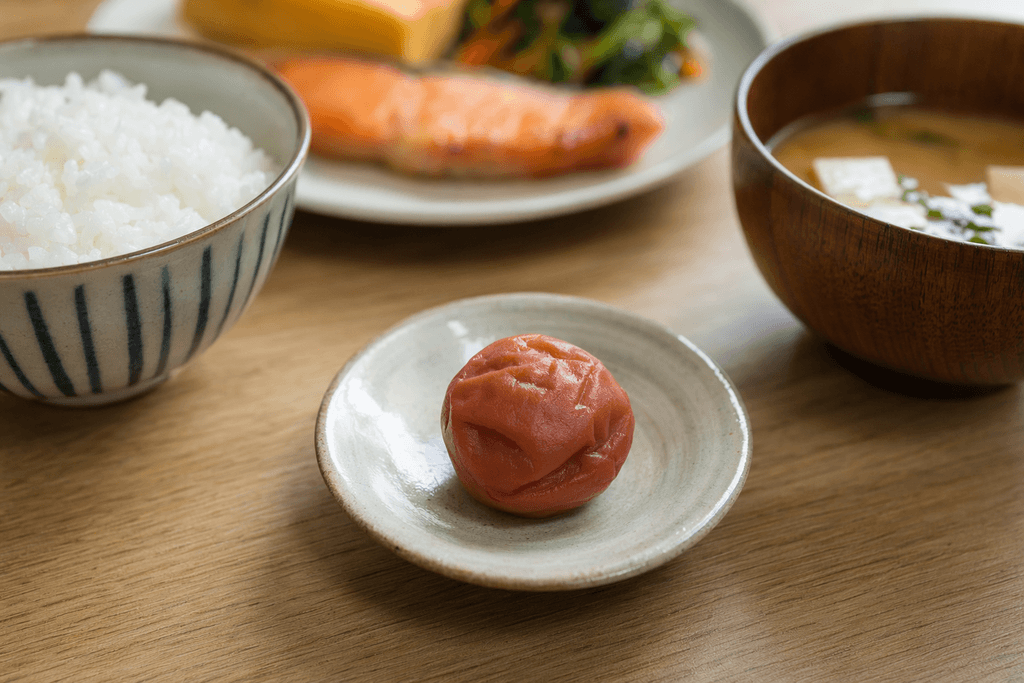
梅干し
매실장아찌
梅干し
매실장아찌
Explanation
梅干し
매실장아찌
梅干し
소금에 절이거나 말린 일본 매실 절임 / 매우 신맛의 일본식 조미료로 쓰이는 매실 절임
( Base form )
( romanization )
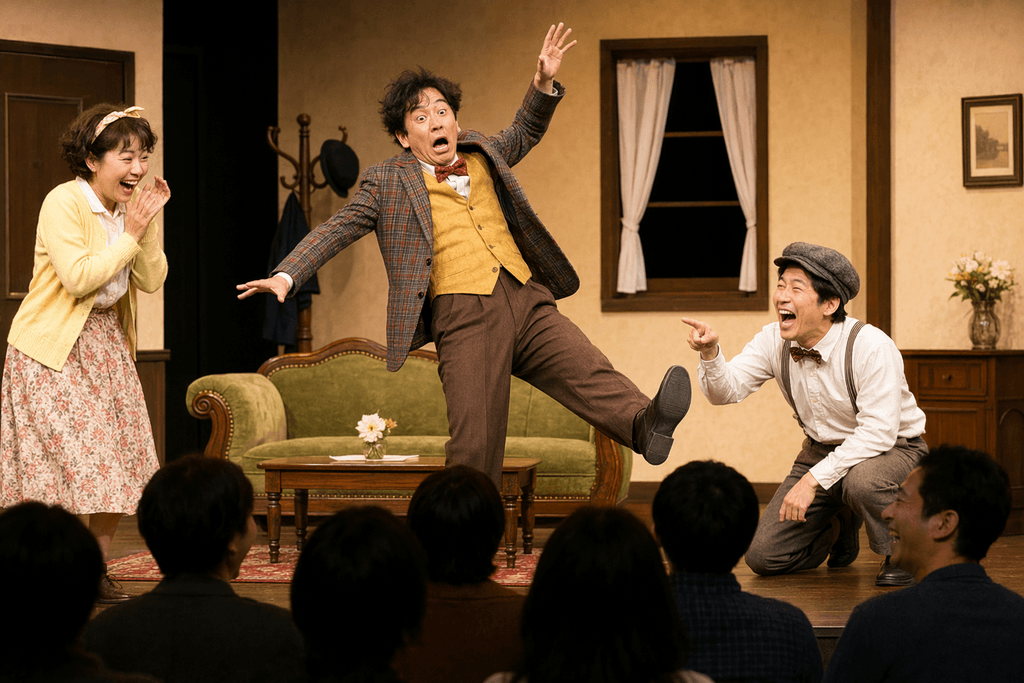
喜劇
희극
喜劇
희극
Explanation
喜劇
희극
喜劇
희극 / 코미디 / 소극
( Base form )
( romanization )
( hiragana )
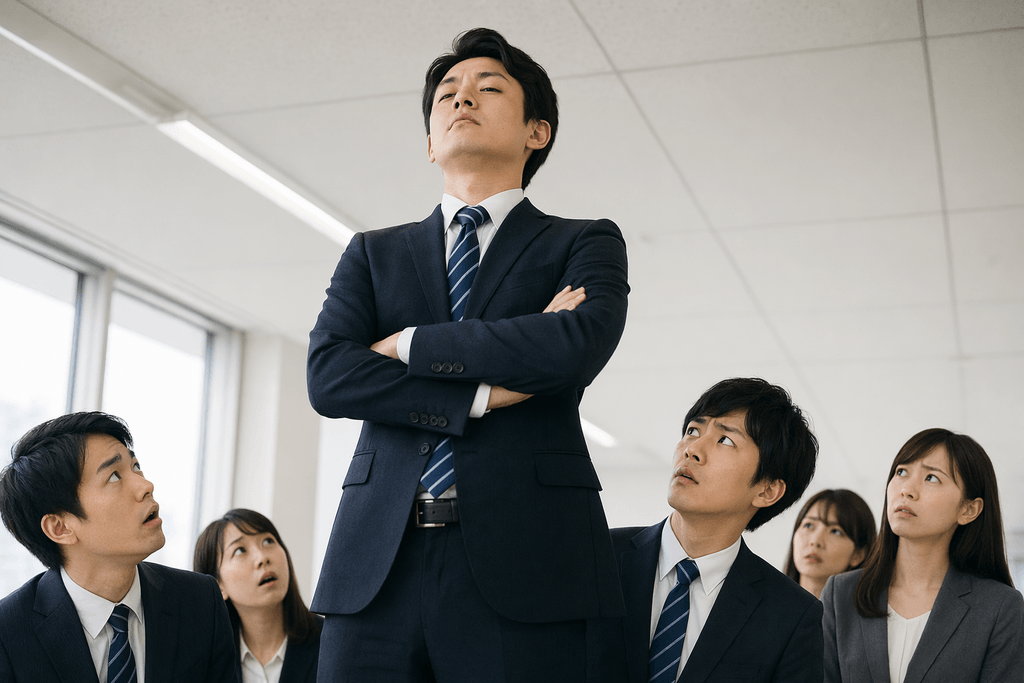
でかい
엄청 크다
でかい
엄청 크다
Explanation
엄청 크다
でかい
큰 / 거대한 / 심한
Word Forms
The basic and commonly used forms of this adjective.
Basic forms
| Form | Word form | Usage |
|---|---|---|
| Imperfective form (mizenkei) | Used in forms such as karou; mainly literary. | |
| Continuative form (renyokei) |
Alternative:
でかかっ
|
Used in forms such as kute and kunai. |
| Conclusive form (shushikei) | Ends a sentence. | |
| Attributive form (rentaikei) | Modifies a noun. | |
| Conditional form (kateikei) | Expresses a condition with kereba. | |
| Imperative form (meireikei) | Rarely used in modern Japanese. |
Common forms
| Form | Word form | Usage |
|---|---|---|
| Te-form | Connects clauses with kute. | |
| Ta-form | Expresses the past with katta. | |
| Nai-form | Expresses negation with kunai. | |
| Ba-form | Expresses a condition with kereba. | |
| Volitional form | Usage depends on context. |
Notes
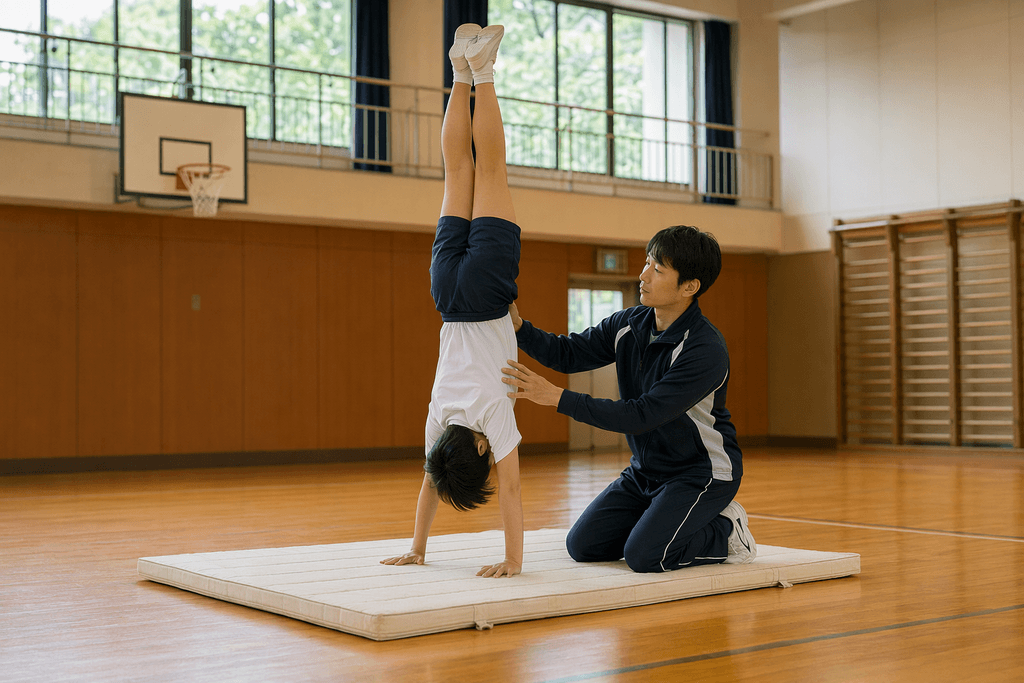
逆立ち
물구나무서기 / 머리서기
逆立ち
물구나무서기 / 머리서기
Explanation
逆立ち
물구나무서기 / 머리서기
逆立ち
물구나무서기 / 손으로 버티는 거꾸로 서기 / 머리로 버티는 거꾸로 서기
( Base form )
( romanization )
ストロー
빨대
ストロー
빨대
Explanation
빨대
ストロー
빨대 / 음료를 마실 때 쓰는 튜브

( romanization )
Loading...

JLPT N1 多言語単語帳・3032語 / JLPT N1 Multilingual Vocabulary: 3032 Words

Jonathan Waller 氏の JLPT Resources の語彙リスト・レベル分類を出典とし、CC BY の条件に従って DiQt が学習者向けに意味を作り直した3032語の単語帳です。JLPT公式の語彙リストではありません。
This collection of 3032 words is based on the vocabulary list and level classifications in Jonathan Waller’s JLPT Resources under CC BY, with meanings rewritten by DiQt for learners. It is not an official JLPT vocabulary list.
Key Operations
Select the first quiz:
Ctrl + Enter
View Explanation:Ctrl + G
Close a feedback:Esc
When selecting a quiz
Answer:Enter
Select a choice:↓ or ↑
Reading out the question:Ctrl + K
View Hint: Ctrl + M
I don't know: Ctrl + Y



