
JLPT N2 වචන අර්ථ පුහුණුව - Unsolved

පිළිතුරු විකල්ප හතරක් ඇති ප්රශ්න මඟින් JLPT N2 වචන 1790ක අර්ථ සිංහලෙන් ඉගෙන ගන්න.
-
පාසල් ගොඩනැගිල්ල
-
වැඩසටහන
-
වෘත්ත පරිධිය
-
උච්චාරණ මඟපෙන්වීම්
-
පිළිබිඹුව / බලපෑම
-
තරාදිය
-
අඩු කිරීම / ඉතිරි ශේෂය
-
තතාමි පැදුරු සහිත කාමරය
-
දිග / ගුණ දොස්
-
විනීතකම
-
කබඩය
-
සුවඳ විලවුන්
-
වට්ටම් අලෙවිය
-
ජපාන සංචාරය
-
ආරක්ෂක මුර සේවය
-
දැව
-
සහාය මහාචාර්යවරයා
-
වාහනයට නැගීම
-
ශීඝ්ර තැපෑල
-
මහල් නිවාස ගොඩනැගිල්ල
-
විශේෂණ පදය
-
දැඩි / තදින් ආරක්ෂිත
-
සිරස් / ලම්බක
-
ප්රීතිමත්
-
වෙහෙසට පත් වෙනවා / දිරාපත් වෙනවා
-
පසුතැවෙනවා / ශෝක කරනවා
-
තනුක කරනවා
-
රිසිට්පත / භාර ගැනීම
-
ත්යාග මුදල්
-
ප්රමිතිය
牧畜
සත්ව පාලනය
牧畜
සත්ව පාලනය
Explanation
牧畜
සත්ව පාලනය
牧畜
පශු පාලනය / ගව/එළු ආදී සතුන් වගා කිරීම / පශු වගාව

( Base form )
( romanization )
( hiragana )
灰色
අළු පාට
灰色
අළු පාට
Explanation
灰色
අළු පාට
灰色
අළු පැහැය / අළු වර්ණය

( Base form )
( romanization )
( romanization )
( hiragana historical )
( hiragana )
日差し
හිරු එළිය
日差し
හිරු එළිය
Explanation
日差し
හිරු එළිය
日差し
සූර්යාලෝකය / හිරු කිරණ / හිරු එළිය

親類
නෑදෑයින්
親類
නෑදෑයින්
Explanation
親類
නෑදෑයින්
親類
ඥාතීන් / සම්බන්ධකම් ඇති නෑදෑයන් / රැළිය (පවුල් සම්බන්ධතාවය)

( Base form )
( romanization )
( hiragana )
速達
ශීඝ්ර තැපෑල
速達
ශීඝ්ර තැපෑල
Explanation
速達
ශීඝ්ර තැපෑල
速達
එක්ස්ප්රස් බෙදාහැරීම / ඉක්මන් තැපැල් සේවාව / ඉක්මන් බෙදාහැරීම

( Base form )
( romanization )
( hiragana )
期限
කාල සීමාව
期限
කාල සීමාව
Explanation
期限
කාල සීමාව
期限
කාල සීමාව / අවසාන දිනය / නියමිත කාල රාමුව

( Base form )
( romanization )
( hiragana )
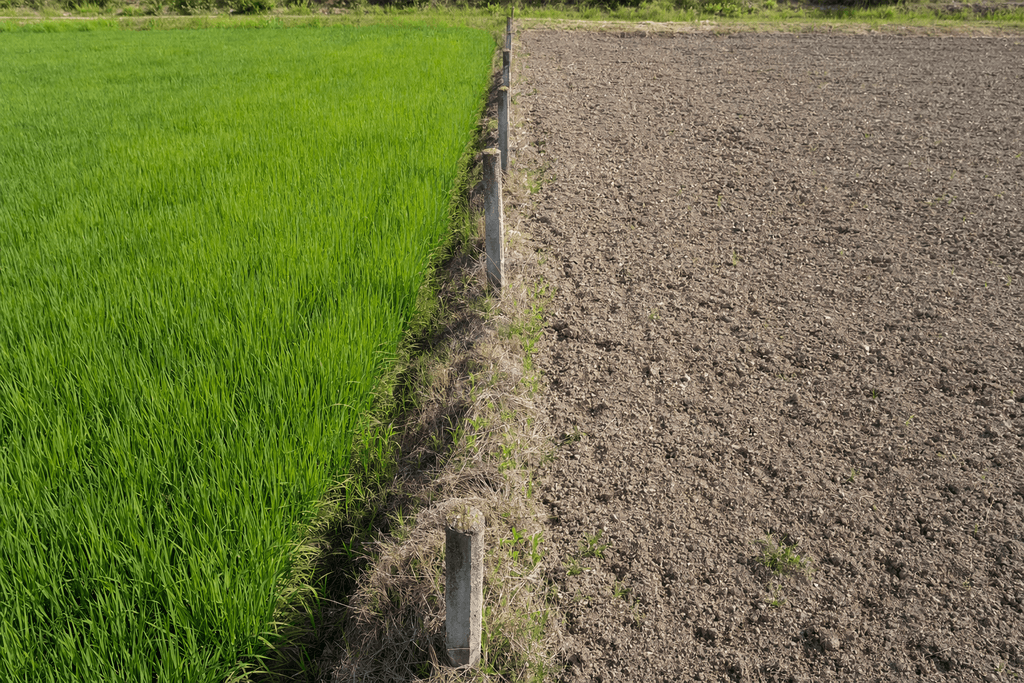
境界
මායිම
境界
මායිම
Explanation
境界
මායිම
境界
සීමාව / දේශ සීමාව / සීමාරේඛාව
( Base form )
( romanization )
( hiragana )
斜め
ඇල
斜め
ඇල
Explanation
斜め
ඇල
斜め
ඇල වූ / වංගු (තිරස් නොවන) / වක්ර ලෙස / කෙලින් නොව / පක්ෂපාතී / වක්ර දෘෂ්ටියකින්

Word Forms
The basic and commonly used forms of this adjectival noun.
Basic forms
| Form | Word form | Usage |
|---|---|---|
| Imperfective form (mizenkei) | Used in forms such as darou. | |
| Continuative form (renyokei) |
Alternative:
斜めに
|
Used with de or ni. |
| Conclusive form (shushikei) | Ends a sentence with da. | |
| Attributive form (rentaikei) | Modifies a noun with na. | |
| Conditional form (kateikei) | Expresses a condition with nara. | |
| Imperative form (meireikei) | Used in formal expressions such as de are. |
Common forms
まとめる
එකට එක් කරනවා / සාරාංශ කරනවා
まとめる
එකට එක් කරනවා / සාරාංශ කරනවා
Explanation
එකට එක් කරනවා / සාරාංශ කරනවා
まとめる
එකතු කර එකම තැනට ගැන්වීම / පිළිවෙලට සකස් කිරීම; සංවිධානය කිරීම / සාරාංශ කර අවසානයකට ගෙනෙ යාම

Word Forms
The basic and commonly used forms of this verb.
Basic forms
| Form | Word form | Usage |
|---|---|---|
| Imperfective form (mizenkei) |
Alternative:
纏め
|
Connects to endings such as nai, reru, and seru. |
| Continuative form (renyokei) |
Alternative:
纏め
|
Connects to endings such as masu, tai, and ta. |
| Conclusive form (shushikei) |
Alternative:
纏める
|
Ends a sentence and serves as the dictionary form. |
| Attributive form (rentaikei) |
Alternative:
纏める
|
Modifies a noun. |
| Conditional form (kateikei) |
Alternative:
纏めれ
|
Combines with ba to express a condition. |
| Imperative form (meireikei) |
Alternative:
纏めろ
まとめよ
纏めよ
|
Expresses a command or instruction. |
Common forms
| Form | Word form | Usage |
|---|---|---|
| Te-form |
Alternative:
纏めて
|
Connects clauses with te. |
| Ta-form |
Alternative:
纏めた
|
Expresses the past with ta. |
| Nai-form |
Alternative:
纏めない
|
Expresses negation with nai. |
| Masu-form |
Alternative:
纏めます
|
Used for polite speech. |
| Ba-form |
Alternative:
纏めれば
|
Expresses a condition with ba. |
| Volitional form |
Alternative:
纏めよう
|
Expresses intention or invitation. |
停止
නැවතීම / අත්හිටුවීම
停止
නැවතීම / අත්හිටුවීම
Explanation
停止
නැවතීම / අත්හිටුවීම
停止
නවතීම / අත්හිටුවීම / කඩවීම

( Base form )
( romanization )
( stem )
( Past )
( table-tags )
( inflection-template )
( imperfective stem )
( imperfective stem )
( imperfective )
( continuative stem )
( continuative stem )
( continuative )
( stem terminative )
( stem terminative )
( terminative )
( attributive stem )
( attributive stem )
( attributive )
( hypothetical stem )
( hypothetical stem )
( hypothetical )
( Imperative literary stem )
( colloquial Imperative stem )
( Imperative literary stem )
( colloquial Imperative stem )
( Imperative literary )
( colloquial Imperative )
( Passive voice )
( Passive voice )
( Passive voice )
( causative )
( causative )
( causative )
( causative )
( causative )
( causative )
( potential )
( potential )
( potential )
( volitional )
( volitional )
( volitional )
( negative )
( negative )
( negative )
( continuative negative )
( continuative negative )
( continuative negative )
( formal )
( formal )
( formal )
( perfective )
( perfective )
( perfective )
( conjunctive )
( conjunctive )
( conjunctive )
( Conditional hypothetical )
( Conditional hypothetical )
( Conditional hypothetical )
Loading...

JLPT N2 多言語単語帳・1790語 / JLPT N2 Multilingual Vocabulary: 1790 Words

Jonathan Waller 氏の JLPT Resources の語彙リスト・レベル分類を出典とし、CC BY の条件に従って DiQt が学習者向けに意味を作り直した1790語の単語帳です。JLPT公式の語彙リストではありません。
This collection of 1790 words is based on the vocabulary list and level classifications in Jonathan Waller’s JLPT Resources under CC BY, with meanings rewritten by DiQt for learners. It is not an official JLPT vocabulary list.
Key Operations
Select the first quiz:
Ctrl + Enter
View Explanation:Ctrl + G
Close a feedback:Esc
When selecting a quiz
Answer:Enter
Select a choice:↓ or ↑
Reading out the question:Ctrl + K
View Hint: Ctrl + M
I don't know: Ctrl + Y



