
JLPT N2 වචන අර්ථ පුහුණුව - Unsolved

පිළිතුරු විකල්ප හතරක් ඇති ප්රශ්න මඟින් JLPT N2 වචන 1790ක අර්ථ සිංහලෙන් ඉගෙන ගන්න.
-
ක්රමානුකූලව
-
වහාම
-
වෑයමෙන් / කලක් බලා සිටි
-
කුඩා සීනුව
-
ස්වාභාවික / සාමාන්ය
-
නා විශේෂණය
-
උත්සවය
-
අනුබද්ධතාව / අමතර කොටස
-
කලකින් සම්බන්ධ නොවීම
-
ගඳ සුවඳ හමනවා / දුගඳ හමනවා
-
කෑම බෙදනවා / ගොඩ ගසනවා
-
දිය අදිනවා
-
ජල වාෂ්ප
-
ස්වාභාවික විද්යාව
-
ප්රමාණය අඩු කිරීම
-
කියා පානවා / පෙන්වා දෙනවා
-
භාර ගන්නවා
-
මලකඩ කනවා
- 五段活用(ワア行)。「と付き合う」「に付き合う」の形で用いられることが多い。
-
දිගු කිරීම
-
ආරම්භය
-
වාද්ය වෘන්දය
-
කනා අක්ෂර වින්යාසය
-
කලකින් සම්බන්ධ නොවීම
-
වී පැළ සිටුවීම
-
සුබ රාත්රියක් / විවේකය
-
සම්මුඛ පරීක්ෂණය
-
මුළුතැන්ගෙයි පිහිය
-
රැස්වීම
-
ජාතිකත්වය
-
පිඟන් කෝප්ප
ふわふわ
පුළුන් මෙන් මෘදු / සැහැල්ලුවෙන් පාවෙන
ふわふわ
පුළුන් මෙන් මෘදු / සැහැල්ලුවෙන් පාවෙන
Explanation
පුළුන් මෙන් මෘදු / සැහැල්ලුවෙන් පාවෙන
ふわふわ
මෘදු පැහැදිලිව / පලපුරුදු ලෙස (ෆ්ලෆිව) / සැහැල්ලුවෙන් / අහසේ පාවෙන ලෙස / මෘදු සෝකොමළ ලෙස

( Base form )
( Base form )
( romanization )
大工
වඩුවා
大工
වඩුවා
Explanation
大工
වඩුවා
大工
වඩුකරු / දර වැඩකරුවා / ගොඩනැගිලි වඩුකරු

( Base form )
( romanization )
( hiragana )
生年月日
උපන් දිනය
生年月日
උපන් දිනය
Explanation
生年月日
උපන් දිනය
生年月日
උපන් දිනය / උපන් දිනයේ තොරතුරු (වර්ෂය/මාසය/දිනය)

( Base form )
( romanization )
( hiragana )
目指す
අරමුණු කරනවා
目指す
අරමුණු කරනවා
Explanation
目指す
අරමුණු කරනවා
目指す
ඉලක්ක කරගැනීම / බලාපොරොත්තු වීම / සෙවීම / දෙසට ගමන් කිරීම

Word Forms
The basic and commonly used forms of this verb.
Basic forms
| Form | Word form | Usage |
|---|---|---|
| Imperfective form (mizenkei) |
Alternative:
目指そ
|
Connects to endings such as nai, reru, and seru. |
| Continuative form (renyokei) | Connects to endings such as masu, tai, and ta. | |
| Conclusive form (shushikei) | Ends a sentence and serves as the dictionary form. | |
| Attributive form (rentaikei) | Modifies a noun. | |
| Conditional form (kateikei) | Combines with ba to express a condition. | |
| Imperative form (meireikei) | Expresses a command or instruction. |
Common forms
地名
ස්ථාන නාමය
地名
ස්ථාන නාමය
Explanation
地名
ස්ථාන නාමය
地名
ස්ථාන නාමය / භූගෝලීය නාමය / දේශ නාමය

( Base form )
( romanization )
( hiragana )
付き合う
ඇසුරු කරනවා / පෙම් සබඳතාවක් පවත්වනවා
付き合う
ඇසුරු කරනවා / පෙම් සබඳතාවක් පවත්වනවා
Explanation
付き合う
ඇසුරු කරනවා / පෙම් සබඳතාවක් පවත්වනවා
付き合う
යාලුවෙලා ඇසුරු කිරීම / සම්බන්ධයක් (කැමතිකම) වශයෙන් මුණගැසෙමින් සිටීම / එකට යමින්/කළමනාකාරීව සමග සිටීම

Word Forms
The basic and commonly used forms of this verb.
Basic forms
| Form | Word form | Usage |
|---|---|---|
| Imperfective form (mizenkei) |
Alternative:
付き合お
|
Connects to endings such as nai, reru, and seru. |
| Continuative form (renyokei) | Connects to endings such as masu, tai, and ta. | |
| Conclusive form (shushikei) | Ends a sentence and serves as the dictionary form. | |
| Attributive form (rentaikei) | Modifies a noun. | |
| Conditional form (kateikei) | Combines with ba to express a condition. | |
| Imperative form (meireikei) | Expresses a command or instruction. |
Common forms
| Form | Word form | Usage |
|---|---|---|
| Te-form | Connects clauses with te. | |
| Ta-form | Expresses the past with ta. | |
| Nai-form | Expresses negation with nai. | |
| Masu-form | Used for polite speech. | |
| Ba-form | Expresses a condition with ba. | |
| Volitional form | Expresses intention or invitation. |
Notes
在学
පාසලක ඉගෙනුම ලැබීම
在学
පාසලක ඉගෙනුම ලැබීම
Explanation
在学
පාසලක ඉගෙනුම ලැබීම
在学
පාසලක/විශ්වවිද්යාලයක ලියාපදිංචිව සිටීම / ශිෂ්ය ලෙස පාසල්ගතව පැමිණීම / ඉගෙනුම සඳහා පාසල්/උසස් අධ්යාපන ආයතනයක සිටීම

( Base form )
( romanization )
( stem )
( Past )
( kyūjitai )
( table-tags )
( inflection-template )
( imperfective stem )
( imperfective stem )
( imperfective )
( continuative stem )
( continuative stem )
( continuative )
( stem terminative )
( stem terminative )
( terminative )
( attributive stem )
( attributive stem )
( attributive )
( hypothetical stem )
( hypothetical stem )
( hypothetical )
( Imperative literary stem )
( colloquial Imperative stem )
( Imperative literary stem )
( colloquial Imperative stem )
( Imperative literary )
( colloquial Imperative )
( Passive voice )
( Passive voice )
( Passive voice )
( causative )
( causative )
( causative )
( causative )
( causative )
( causative )
( potential )
( potential )
( potential )
( volitional )
( volitional )
( volitional )
( negative )
( negative )
( negative )
( continuative negative )
( continuative negative )
( continuative negative )
( formal )
( formal )
( formal )
( perfective )
( perfective )
( perfective )
( conjunctive )
( conjunctive )
( conjunctive )
( Conditional hypothetical )
( Conditional hypothetical )
( Conditional hypothetical )
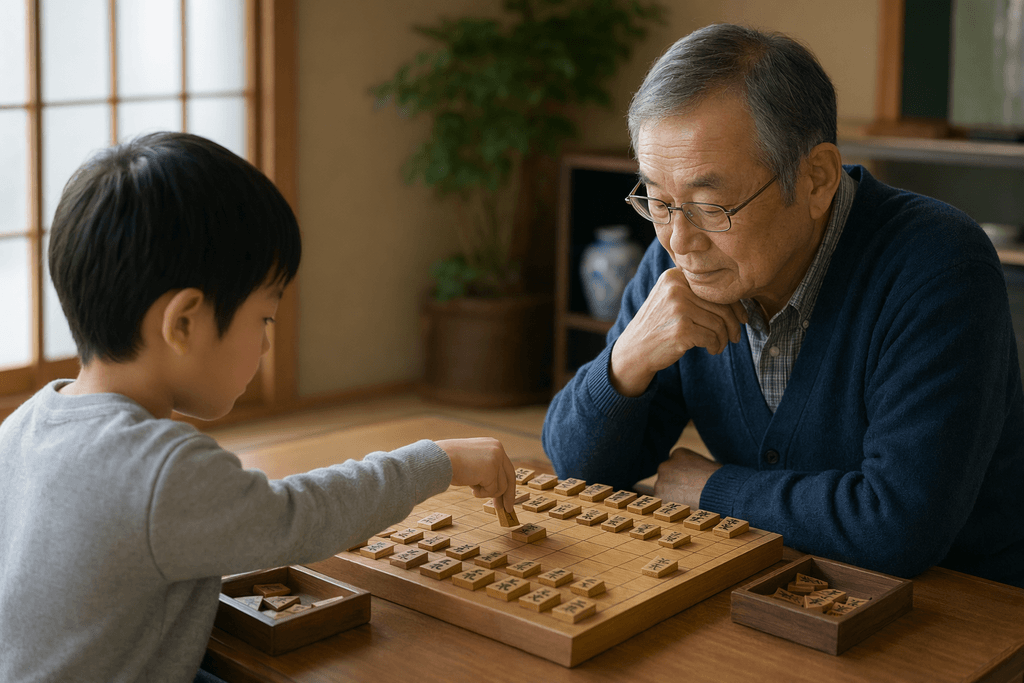
将棋
ජපන් ෂෝගි ක්රීඩාව
将棋
ජපන් ෂෝගි ක්රීඩාව
Explanation
将棋
ජපන් ෂෝගි ක්රීඩාව
将棋
ශෝගි (ජපන් චෙස් ක්රීඩාව) / ජපාන චෙස්
( Base form )
( romanization )
( romanization )
( kyūjitai )
( hiragana historical )
( hiragana )
湿気
තෙතමනය
湿気
තෙතමනය
Explanation
湿気
තෙතමනය
湿気
ආර්ද්රතාව / තෙත්බව / තෙත් වාතය

( Base form )
( romanization )
( kyūjitai )
( alternative )
( Rōmaji )
( hiragana )
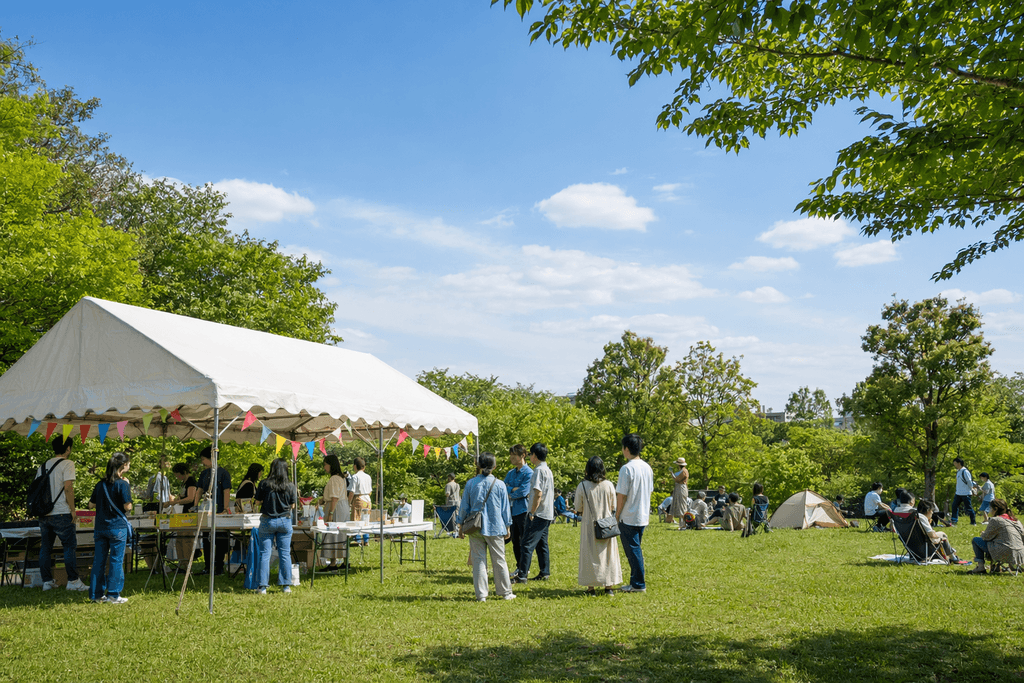
屋外
එළිමහන
屋外
එළිමහන
Explanation
屋外
එළිමහන
屋外
පිටත / එළිමහන් / ගොඩනැගිල්ලෙන් පිට
( Base form )
( romanization )
( hiragana )
Loading...

JLPT N2 多言語単語帳・1790語 / JLPT N2 Multilingual Vocabulary: 1790 Words

Jonathan Waller 氏の JLPT Resources の語彙リスト・レベル分類を出典とし、CC BY の条件に従って DiQt が学習者向けに意味を作り直した1790語の単語帳です。JLPT公式の語彙リストではありません。
This collection of 1790 words is based on the vocabulary list and level classifications in Jonathan Waller’s JLPT Resources under CC BY, with meanings rewritten by DiQt for learners. It is not an official JLPT vocabulary list.
Key Operations
Select the first quiz:
Ctrl + Enter
View Explanation:Ctrl + G
Close a feedback:Esc
When selecting a quiz
Answer:Enter
Select a choice:↓ or ↑
Reading out the question:Ctrl + K
View Hint: Ctrl + M
I don't know: Ctrl + Y



