
JLPT N2 වචන අර්ථ පුහුණුව - Unsolved

පිළිතුරු විකල්ප හතරක් ඇති ප්රශ්න මඟින් JLPT N2 වචන 1790ක අර්ථ සිංහලෙන් ඉගෙන ගන්න.
-
මුතුන්මිත්තා
-
විශේෂ වාසිය
-
දුම් කවුළුව
-
කුඩු කරනවා
-
ඉගැන්වීම් ලබනවා
-
පිම්මක් පනිනවා / පැන නගිනවා
-
කථිකාචාර්යවරයා
-
ඈනුම
-
සුවඳ විලවුන්
-
දැක පුරුදු වෙනවා
-
තැම්බී පිසෙනවා
-
කෑම තම්බනවා
-
පදිංචි ස්ථානය
-
මූලික සිද්ධාන්තය
-
විදුලි බුබුළ
-
තර්ජනය කරනවා / බිය ගන්වනවා
-
රැඳී සිටිනවා
-
වටේ යනවා / අදාළ වෙනවා
- 下一段活用の動詞。
-
නයිලෝන්
-
ටිකට් පරීක්ෂාව / ටිකට් ගේට්ටුව
-
ගිනිකෙළි
-
සමාගමකට රැකියාවට බැඳීම
-
ඇසුරුම් කිරීම
-
පාසල් විද්යාව
-
දැඩි / තදින් ආරක්ෂිත
-
විලාසිතාමය
-
පිරිසිදු
- 「逆さな」「逆さの」の両方で連体修飾に用いられる。
-
ඇවිදීම නතර කරනවා
-
අනුකරණය කරනවා
-
හැලෙනවා
- 「通じる」と同根の「〜ずる」型の動詞。現代語では「通じる」も広く用いられる。
- 未然形「通ぜ」は「通ぜず」など文語的・硬い用法に見られる。
原稿
අත්පිටපත
原稿
අත්පිටපත
Explanation
原稿
අත්පිටපත
原稿
අත්පිටපත / මුල් කෙටුම්පත / පිටපත් ලියවීම සඳහා මුල් ලේඛනය

( Base form )
( romanization )
( romanization )
( hiragana historical )
( hiragana )
亡くす
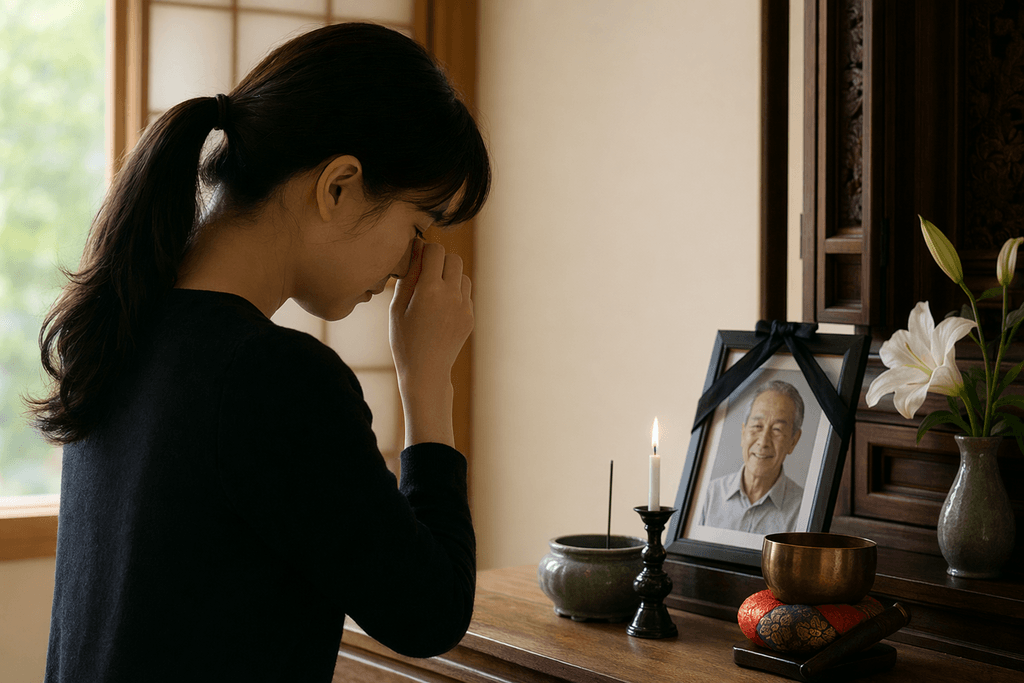
මරණයෙන් අහිමි වෙනවා
亡くす
මරණයෙන් අහිමි වෙනවා
Explanation
亡くす
මරණයෙන් අහිමි වෙනවා
亡くす
යමෙකු මිය යාම නිසා අහිමි කරගැනීම / යමෙකුගේ මරණය විඳීම / ආදරය කරන අයෙකු අහිමිවීම
Word Forms
The basic and commonly used forms of this verb.
Basic forms
| Form | Word form | Usage |
|---|---|---|
| Imperfective form (mizenkei) |
Alternative:
亡くそ
|
Connects to endings such as nai, reru, and seru. |
| Continuative form (renyokei) | Connects to endings such as masu, tai, and ta. | |
| Conclusive form (shushikei) | Ends a sentence and serves as the dictionary form. | |
| Attributive form (rentaikei) | Modifies a noun. | |
| Conditional form (kateikei) | Combines with ba to express a condition. | |
| Imperative form (meireikei) | Expresses a command or instruction. |
Common forms
包丁
මුළුතැන්ගෙයි පිහිය
包丁
මුළුතැන්ගෙයි පිහිය
Explanation
包丁
මුළුතැන්ගෙයි පිහිය
包丁
මුළුතැන්ගෙයි පිහිය / ආහාර කපන පිහිය

( Base form )
( romanization )
( hiragana )
ぶら下げる
එල්ලා තබනවා
ぶら下げる
එල්ලා තබනවා
Explanation
ぶら下げる
එල්ලා තබනවා
ぶら下げる
එල්ලන්න / පහළට තැබී තැබීම/එල්ලී සිටීම / අත්යාවශ්යයෙන්ම ගෙලින් හෝ පටියකින් පැළඳගෙන ගෙන යාම (slung)

Word Forms
The basic and commonly used forms of this verb.
Basic forms
| Form | Word form | Usage |
|---|---|---|
| Imperfective form (mizenkei) |
Alternative:
ぶらさげ
|
Connects to endings such as nai, reru, and seru. |
| Continuative form (renyokei) |
Alternative:
ぶらさげ
|
Connects to endings such as masu, tai, and ta. |
| Conclusive form (shushikei) |
Alternative:
ぶらさげる
|
Ends a sentence and serves as the dictionary form. |
| Attributive form (rentaikei) |
Alternative:
ぶらさげる
|
Modifies a noun. |
| Conditional form (kateikei) |
Alternative:
ぶらさげれ
|
Combines with ba to express a condition. |
| Imperative form (meireikei) |
Alternative:
ぶら下げよ
ぶらさげろ
ぶらさげよ
|
Expresses a command or instruction. |
Common forms
| Form | Word form | Usage |
|---|---|---|
| Te-form |
Alternative:
ぶらさげて
|
Connects clauses with te. |
| Ta-form |
Alternative:
ぶらさげた
|
Expresses the past with ta. |
| Nai-form |
Alternative:
ぶらさげない
|
Expresses negation with nai. |
| Masu-form |
Alternative:
ぶらさげます
|
Used for polite speech. |
| Ba-form |
Alternative:
ぶらさげれば
|
Expresses a condition with ba. |
| Volitional form |
Alternative:
ぶらさげよう
|
Expresses intention or invitation. |
サークル
සංගමය / වෘත්තය
サークル
සංගමය / වෘත්තය
Explanation
සංගමය / වෘත්තය
サークル
වෘත්තය / එකම අරමුණක්/ආසාවක් ඇති පුද්ගල සමූහය / දෝජින් කෘති නිෂ්පාදන කරන කණ්ඩායම

( romanization )
混ぜる
මිශ්ර කරනවා
混ぜる
මිශ්ර කරනවා
Explanation
混ぜる
මිශ්ර කරනවා
混ぜる
මිශ්ර කිරීම / එකට කලවම් කිරීම / කණ්ඩායමකට/ක්රියාවකට එක්වීමට ඉඩදීම

Word Forms
The basic and commonly used forms of this verb.
Basic forms
| Form | Word form | Usage |
|---|---|---|
| Imperfective form (mizenkei) | Connects to endings such as nai, reru, and seru. | |
| Continuative form (renyokei) | Connects to endings such as masu, tai, and ta. | |
| Conclusive form (shushikei) | Ends a sentence and serves as the dictionary form. | |
| Attributive form (rentaikei) | Modifies a noun. | |
| Conditional form (kateikei) | Combines with ba to express a condition. | |
| Imperative form (meireikei) |
Alternative:
混ぜよ
|
Expresses a command or instruction. |
Common forms
| Form | Word form | Usage |
|---|---|---|
| Te-form | Connects clauses with te. | |
| Ta-form | Expresses the past with ta. | |
| Nai-form | Expresses negation with nai. | |
| Masu-form | Used for polite speech. | |
| Ba-form | Expresses a condition with ba. | |
| Volitional form | Expresses intention or invitation. |
Notes
ビニール
වයිනයිල්
ビニール
වයිනයිල්
Explanation
වයිනයිල්
ビニール
විනයිල් (PVC) ද්රව්යය / ප්ලාස්ටික් ආවරණය/ෂීට් / විනයිල් ප්ලාස්ටික්

( romanization )
継続
අඛණ්ඩව පැවතීම
継続
අඛණ්ඩව පැවතීම
Explanation
継続
අඛණ්ඩව පැවතීම
継続
දිගටම පවත්වාගෙන යාම / අඛණ්ඩවීම / නිරන්තර පවත්වීම

( Base form )
( romanization )
( kyūjitai )
( hiragana )
逆さ
උඩු යටිකුරු / ඉදිරිපස පසුපස මාරු වූ
逆さ
උඩු යටිකුරු / ඉදිරිපස පසුපස මාරු වූ
Explanation
逆さ
උඩු යටිකුරු / ඉදිරිපස පසුපස මාරු වූ
逆さ
උඩුයටිකුරු වූ / පිටුපසට හැරූ / ප්රතිවිරුද්ධ/ආපසු වූ

Word Forms
The basic and commonly used forms of this adjectival noun.
Basic forms
| Form | Word form | Usage |
|---|---|---|
| Imperfective form (mizenkei) | Used in forms such as darou. | |
| Continuative form (renyokei) |
Alternative:
逆さに
逆さだっ
|
Used with de or ni. |
| Conclusive form (shushikei) | Ends a sentence with da. | |
| Attributive form (rentaikei) |
Alternative:
逆さの
|
Modifies a noun with na. |
| Conditional form (kateikei) | Expresses a condition with nara. | |
| Imperative form (meireikei) | Used in formal expressions such as de are. |
Common forms
| Form | Word form | Usage |
|---|---|---|
| Te-form equivalent | Connects clauses using de. | |
| Ta-form | Expresses the past with datta. | |
| Nai-form |
Alternative:
逆さじゃない
|
Expresses negation with dewa nai or ja nai. |
| Desu-form | Used for polite speech. |
Notes
通ずる
සන්නිවේදනය වෙනවා / සම්බන්ධ වෙනවා
通ずる
සන්නිවේදනය වෙනවා / සම්බන්ධ වෙනවා
Explanation
通ずる
සන්නිවේදනය වෙනවා / සම්බන්ධ වෙනවා
通ずる
පිළිගනු ලැබේ / අදාළ වීම / වලංගු වීම

Word Forms
The basic and commonly used forms of this verb.
Basic forms
| Form | Word form | Usage |
|---|---|---|
| Imperfective form (mizenkei) |
Alternative:
通ぜ
|
Connects to endings such as nai, reru, and seru. |
| Continuative form (renyokei) | Connects to endings such as masu, tai, and ta. | |
| Conclusive form (shushikei) | Ends a sentence and serves as the dictionary form. | |
| Attributive form (rentaikei) | Modifies a noun. | |
| Conditional form (kateikei) | Combines with ba to express a condition. | |
| Imperative form (meireikei) |
Alternative:
通じよ
通ぜよ
|
Expresses a command or instruction. |
Common forms
| Form | Word form | Usage |
|---|---|---|
| Te-form | Connects clauses with te. | |
| Ta-form | Expresses the past with ta. | |
| Nai-form | Expresses negation with nai. | |
| Masu-form | Used for polite speech. | |
| Ba-form | Expresses a condition with ba. | |
| Volitional form | Expresses intention or invitation. |
Notes
Loading...

JLPT N2 多言語単語帳・1790語 / JLPT N2 Multilingual Vocabulary: 1790 Words

Jonathan Waller 氏の JLPT Resources の語彙リスト・レベル分類を出典とし、CC BY の条件に従って DiQt が学習者向けに意味を作り直した1790語の単語帳です。JLPT公式の語彙リストではありません。
This collection of 1790 words is based on the vocabulary list and level classifications in Jonathan Waller’s JLPT Resources under CC BY, with meanings rewritten by DiQt for learners. It is not an official JLPT vocabulary list.
Key Operations
Select the first quiz:
Ctrl + Enter
View Explanation:Ctrl + G
Close a feedback:Esc
When selecting a quiz
Answer:Enter
Select a choice:↓ or ↑
Reading out the question:Ctrl + K
View Hint: Ctrl + M
I don't know: Ctrl + Y



