
JLPT N2 වචන අර්ථ පුහුණුව - Unsolved

පිළිතුරු විකල්ප හතරක් ඇති ප්රශ්න මඟින් JLPT N2 වචන 1790ක අර්ථ සිංහලෙන් ඉගෙන ගන්න.
-
කඩා දමනවා / මාරු කාසි ලබා ගන්නවා
-
පාලනය කරනවා / සන්සුන් කරනවා
-
පහර දෙනවා
-
ගැඹුරු වෙනවා
-
අරමුණු කරනවා
-
ලාභ ලැබෙනවා
-
දකුණු ඇමරිකාව
-
කන්සායි ප්රදේශය
-
රැස්වීම ආරම්භ කිරීම
-
සිරස් / ලම්බක
-
උඩු යටිකුරු / ඉදිරිපස පසුපස මාරු වූ
-
අපැහැදිලි
- 表記は「にわか」「俄か」「俄」が用いられる。
- 連用形には、述語接続の「にわかで」と副詞的な「にわかに」がある。
-
පනත් සම්මතය
-
දුරකථන රිසීවරය
-
ලී පාවහන්
-
පවන් සලනවා
-
සන්සුන් වෙනවා / ස්ථාවර වෙනවා
-
ඉහළ දමනවා / වැඩිදියුණු කරනවා
- 五段活用(ラ行)。「句切る」は主に文章・発話を句や切れ目で区切る場合に用いられる表記。
-
නිර්මල
-
මට සමාවෙන්න
-
ලජ්ජා නැති
-
මුඛ ආවරණය
-
ප්රමාණය අඩු කිරීම
-
දිලිසීම
-
බෞද්ධ භික්ෂුව
-
කොන්ක්රීට්
-
ජාතිකත්වය
-
පදනම
-
නාම පත්රය
-
ජීවත්ව පැවතීම
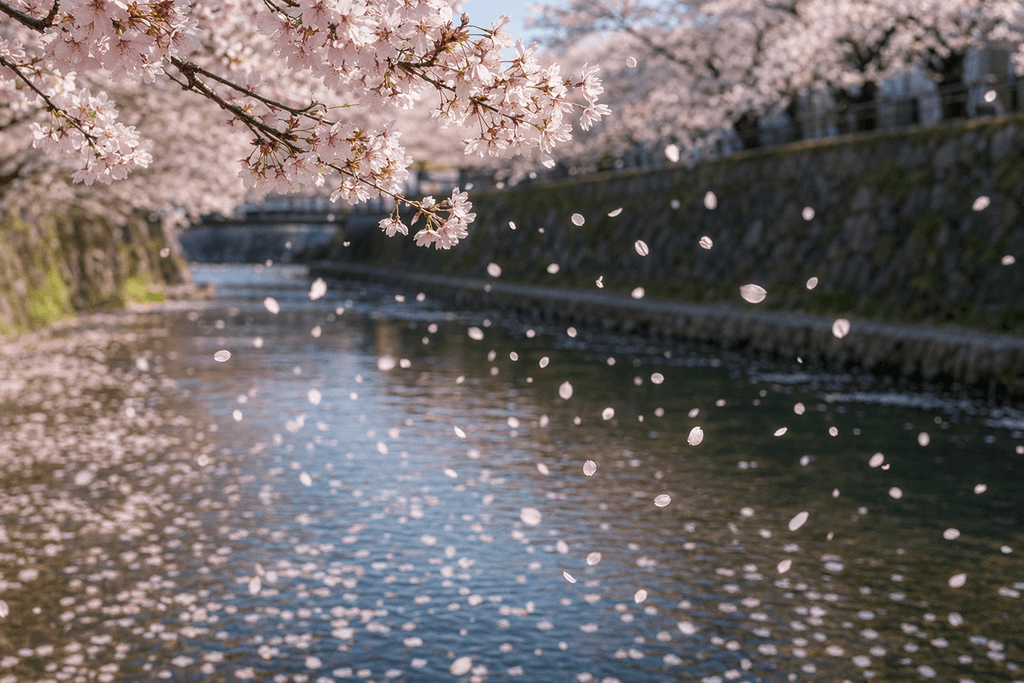
散る
වැටෙනවා / විසිරෙනවා
散る
වැටෙනවා / විසිරෙනවා
Explanation
散る
වැටෙනවා / විසිරෙනවා
散る
(පත්/මල් වැනි දේ) වෙන්වී විසිරී යාම / වැටී යාම / විසිරී පැතිරී යාම
Word Forms
The basic and commonly used forms of this verb.
Basic forms
| Form | Word form | Usage |
|---|---|---|
| Imperfective form (mizenkei) | Connects to endings such as nai, reru, and seru. | |
| Continuative form (renyokei) | Connects to endings such as masu, tai, and ta. | |
| Conclusive form (shushikei) | Ends a sentence and serves as the dictionary form. | |
| Attributive form (rentaikei) | Modifies a noun. | |
| Conditional form (kateikei) | Combines with ba to express a condition. | |
| Imperative form (meireikei) | Expresses a command or instruction. |
Common forms
分かれる
බෙදෙනවා / අතු බෙදෙනවා
分かれる
බෙදෙනවා / අතු බෙදෙනවා
Explanation
分かれる
බෙදෙනවා / අතු බෙදෙනවා
分かれる
බෙදී යෑම / ශාඛා වීම / දෙමුඛ වීම / වෙන්වීම

Word Forms
The basic and commonly used forms of this verb.
Basic forms
| Form | Word form | Usage |
|---|---|---|
| Imperfective form (mizenkei) | Connects to endings such as nai, reru, and seru. | |
| Continuative form (renyokei) | Connects to endings such as masu, tai, and ta. | |
| Conclusive form (shushikei) | Ends a sentence and serves as the dictionary form. | |
| Attributive form (rentaikei) | Modifies a noun. | |
| Conditional form (kateikei) | Combines with ba to express a condition. | |
| Imperative form (meireikei) |
Alternative:
分かれよ
|
Expresses a command or instruction. |
Common forms
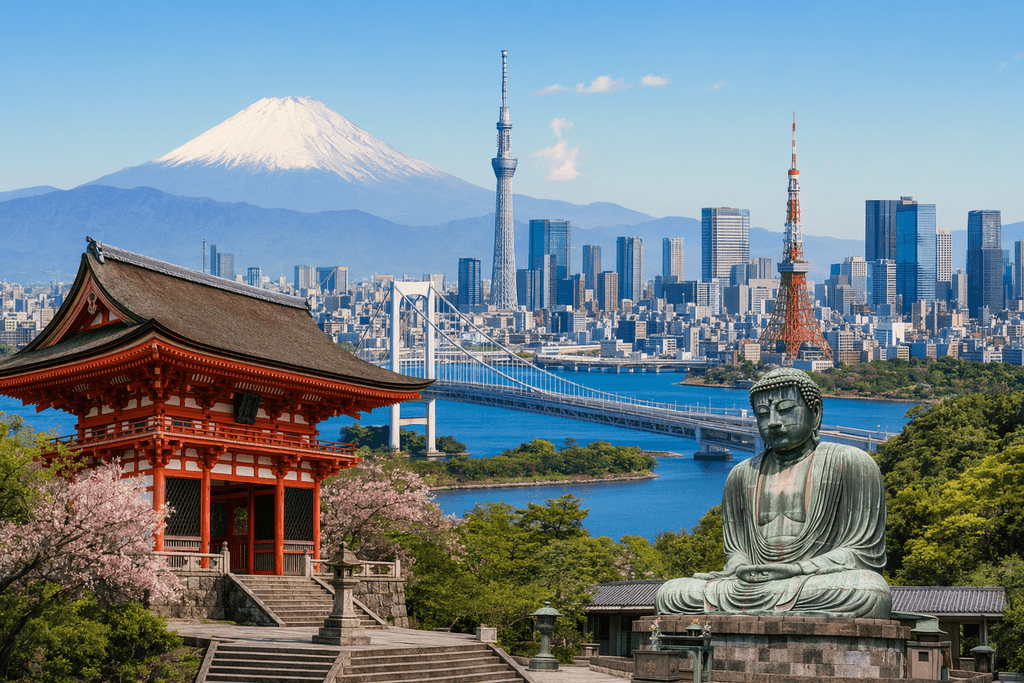
関東
කන්තෝ ප්රදේශය
関東
කන්තෝ ප්රදේශය
Explanation
関東
කන්තෝ ප්රදේශය
関東
ජපානයේ නැගෙනහිර කලාපය (ටෝකියෝ ඇතුළු) / කන්තෝ ප්රදේශය
( Base form )
( romanization )
( romanization )
( kyūjitai )
( hiragana historical )
( hiragana )
にわか
හදිසි / තාවකාලිකව සැකසූ
にわか
හදිසි / තාවකාලිකව සැකසූ
Explanation
හදිසි / තාවකාලිකව සැකසූ
にわか
අචාන්ක / හදිසි / තාවකාලික
Word Forms
The basic and commonly used forms of this adjectival noun.
Basic forms
| Form | Word form | Usage |
|---|---|---|
| Imperfective form (mizenkei) |
Alternative:
俄かだろ
俄だろ
|
Used in forms such as darou. |
| Continuative form (renyokei) |
Alternative:
俄かで
俄で
にわかに
俄かに
俄に
|
Used with de or ni. |
| Conclusive form (shushikei) |
Alternative:
俄かだ
俄だ
|
Ends a sentence with da. |
| Attributive form (rentaikei) |
Alternative:
俄かな
俄な
|
Modifies a noun with na. |
| Conditional form (kateikei) |
Alternative:
俄かなら
俄なら
|
Expresses a condition with nara. |
| Imperative form (meireikei) |
Alternative:
俄かであれ
俄であれ
|
Used in formal expressions such as de are. |
Common forms
| Form | Word form | Usage |
|---|---|---|
| Te-form equivalent |
Alternative:
俄かで
俄で
|
Connects clauses using de. |
| Ta-form |
Alternative:
俄かだった
俄だった
|
Expresses the past with datta. |
| Nai-form |
Alternative:
俄かではない
俄ではない
にわかじゃない
俄かじゃない
俄じゃない
|
Expresses negation with dewa nai or ja nai. |
| Desu-form |
Alternative:
俄かです
俄です
|
Used for polite speech. |
Notes
敬語
ගෞරවාන්විත භාෂාව
敬語
ගෞරවාන්විත භාෂාව
Explanation
敬語
ගෞරවාන්විත භාෂාව
敬語
ගෞරව/සම්මාන පද ව්යවහාරය / ගෞරවය දක්වන (අභිමාන) භාෂාව / ගෞරවාර්ථ වචන රීතිය

( Base form )
( romanization )
( hiragana )
区切る
කොටස්වලට බෙදනවා
区切る
කොටස්වලට බෙදනවා
Explanation
区切る
කොටස්වලට බෙදනවා
区切る
සීමා කර වෙන් කිරීම / අංග/කොටස් ලෙස බෙදා වෙන් කිරීම / විරාම හෝ විරාම ලකුණු දමා වාක්යය කඩ කිරීම

Word Forms
The basic and commonly used forms of this verb.
Basic forms
| Form | Word form | Usage |
|---|---|---|
| Imperfective form (mizenkei) |
Alternative:
区切ろ
句切ら
句切ろ
|
Connects to endings such as nai, reru, and seru. |
| Continuative form (renyokei) |
Alternative:
句切り
|
Connects to endings such as masu, tai, and ta. |
| Conclusive form (shushikei) |
Alternative:
句切る
|
Ends a sentence and serves as the dictionary form. |
| Attributive form (rentaikei) |
Alternative:
句切る
|
Modifies a noun. |
| Conditional form (kateikei) |
Alternative:
句切れ
|
Combines with ba to express a condition. |
| Imperative form (meireikei) |
Alternative:
句切れ
|
Expresses a command or instruction. |
Common forms
| Form | Word form | Usage |
|---|---|---|
| Te-form |
Alternative:
句切って
|
Connects clauses with te. |
| Ta-form |
Alternative:
句切った
|
Expresses the past with ta. |
| Nai-form |
Alternative:
句切らない
|
Expresses negation with nai. |
| Masu-form |
Alternative:
句切ります
|
Used for polite speech. |
| Ba-form |
Alternative:
句切れば
|
Expresses a condition with ba. |
| Volitional form |
Alternative:
句切ろう
|
Expresses intention or invitation. |
Notes
惜しい
කනගාටුදායක / වටිනා
惜しい
කනගාටුදායක / වටිනා
Explanation
惜しい
කනගාටුදායක / වටිනා
惜しい
අවාසනාවන්ත; කනගාටුදායක / අපචයයක්; අහිමි කර ගැනීමට අකැමැති (වටිනා) / සමීපයෙන් අසාර්ථක වූ; බොහෝම ලඟින් මිස් වූ

Word Forms
The basic and commonly used forms of this adjective.
Basic forms
| Form | Word form | Usage |
|---|---|---|
| Imperfective form (mizenkei) | Used in forms such as karou; mainly literary. | |
| Continuative form (renyokei) |
Alternative:
惜しかっ
|
Used in forms such as kute and kunai. |
| Conclusive form (shushikei) | Ends a sentence. | |
| Attributive form (rentaikei) | Modifies a noun. | |
| Conditional form (kateikei) | Expresses a condition with kereba. | |
| Imperative form (meireikei) | Rarely used in modern Japanese. |
Common forms
人文科学
මානව ශාස්ත්ර
人文科学
මානව ශාස්ත්ර
Explanation
人文科学
මානව ශාස්ත්ර
人文科学
මානව විද්යාවන් / මානවීය විද්යා / මානවවාදී විෂයයන්

集合
එක්රැස් වීම / කුලකය
集合
එක්රැස් වීම / කුලකය
Explanation
集合
එක්රැස් වීම / කුලකය
集合
එකතුවීම / රැස්වීම / සභාව / එකමුතුව / (ගණිතය) සමුච්චය (Set)

( Base form )
( romanization )
( hiragana )
爽やか
ප්රබෝධමත්
爽やか
ප්රබෝධමත්
Explanation
爽やか
ප්රබෝධමත්
爽やか
ප්රසන්නභාවය / නිරමලභාවය / සුවපහසු ලෙස උද්දීපනය

( romanization )
Loading...

JLPT N2 多言語単語帳・1790語 / JLPT N2 Multilingual Vocabulary: 1790 Words

Jonathan Waller 氏の JLPT Resources の語彙リスト・レベル分類を出典とし、CC BY の条件に従って DiQt が学習者向けに意味を作り直した1790語の単語帳です。JLPT公式の語彙リストではありません。
This collection of 1790 words is based on the vocabulary list and level classifications in Jonathan Waller’s JLPT Resources under CC BY, with meanings rewritten by DiQt for learners. It is not an official JLPT vocabulary list.
Key Operations
Select the first quiz:
Ctrl + Enter
View Explanation:Ctrl + G
Close a feedback:Esc
When selecting a quiz
Answer:Enter
Select a choice:↓ or ↑
Reading out the question:Ctrl + K
View Hint: Ctrl + M
I don't know: Ctrl + Y



