
JLPT N2 වචන අර්ථ පුහුණුව - Unsolved

පිළිතුරු විකල්ප හතරක් ඇති ප්රශ්න මඟින් JLPT N2 වචන 1790ක අර්ථ සිංහලෙන් ඉගෙන ගන්න.
-
ඖෂධ / රසායන ද්රව්ය
-
පිස්තෝලය
-
බෙදීම / වර්ගීකරණය
-
පණිවිඩයක් යවනවා
-
පේන කියනවා
-
විසි කරනවා / අත්හැර දමනවා
-
විරාම ලකුණු
-
පෝස්ටරය
-
දුම්රිය මාර්ගය
-
කෙටි ආහාරය
-
බර
-
සම්පූර්ණ වීම / නිමි ප්රතිඵලය
-
වැඩි කරනවා
-
සමන්විත වෙනවා
-
කතාව අරඹනවා / යෝජනා කරනවා
-
අතිවිශාල
-
නවීන
-
විශේෂ
- 表記は「稀」のほか、かな書きの「まれ」も用いられる。
- 連用形として副詞的に「稀に(まれに)」を用いる。
-
අඛණ්ඩව පැවතීම
-
කැබලි
-
පිරිසිදු කිරීමේ රෙදි කඩ
-
නමස්කාර කරනවා / ආයාචනා කරනවා
-
අදහසක් පහළ වෙනවා
-
සිහින්ව කපනවා / කොටනවා
- 「請う」は「乞う」とも表記する。
- 「請うて」「請うた」は「問う」などと同じく、現代語では特殊なウ音便形として扱われる。
-
අඹරනවා / මොළය වෙහෙසවනවා
-
ඉහළ සිට පහළ බලනවා
-
සූදානම් වෙනවා / පිළිවෙළට තිබෙනවා
-
අසනවා / භාර ගන්නවා
-
තැළෙනවා / බංකොලොත් වෙනවා
-
ගෙදර යවනවා
直流
සරල ධාරාව
直流
සරල ධාරාව
Explanation
直流
සරල ධාරාව
直流
සෘජු ධාරාව / සෘජු විදුලි ධාරාව

( Base form )
( romanization )
( romanization )
( hiragana historical )
( hiragana )
治す
සුව කරනවා / තුවාල සුව කරනවා
治す
සුව කරනවා / තුවාල සුව කරනවා
Explanation
治す
සුව කරනවා / තුවාල සුව කරනවා
治す
සුව කරනවා / සනීප කරනවා / සුවපත් කරනවා

Word Forms
The basic and commonly used forms of this verb.
Basic forms
| Form | Word form | Usage |
|---|---|---|
| Imperfective form (mizenkei) |
Alternative:
治そ
|
Connects to endings such as nai, reru, and seru. |
| Continuative form (renyokei) | Connects to endings such as masu, tai, and ta. | |
| Conclusive form (shushikei) | Ends a sentence and serves as the dictionary form. | |
| Attributive form (rentaikei) | Modifies a noun. | |
| Conditional form (kateikei) | Combines with ba to express a condition. | |
| Imperative form (meireikei) | Expresses a command or instruction. |
Common forms
賞金
ත්යාග මුදල්
賞金
ත්යාග මුදල්
Explanation
賞金
ත්යාග මුදල්
賞金
තරඟ ජයග්රහණයට ලැබෙන මුදල් ත්යාගය / ජය මුදල් ත්යාගය / පාරිතෝෂික මුදල

( Base form )
( romanization )
( hiragana )
シリーズ
මාලාව
シリーズ
මාලාව
Explanation
මාලාව
シリーズ
මාලාව / අනුක්රමික කෘති/කථා මාලාව / අනුක්රමික සිදුවීම් මාලාව

( romanization )
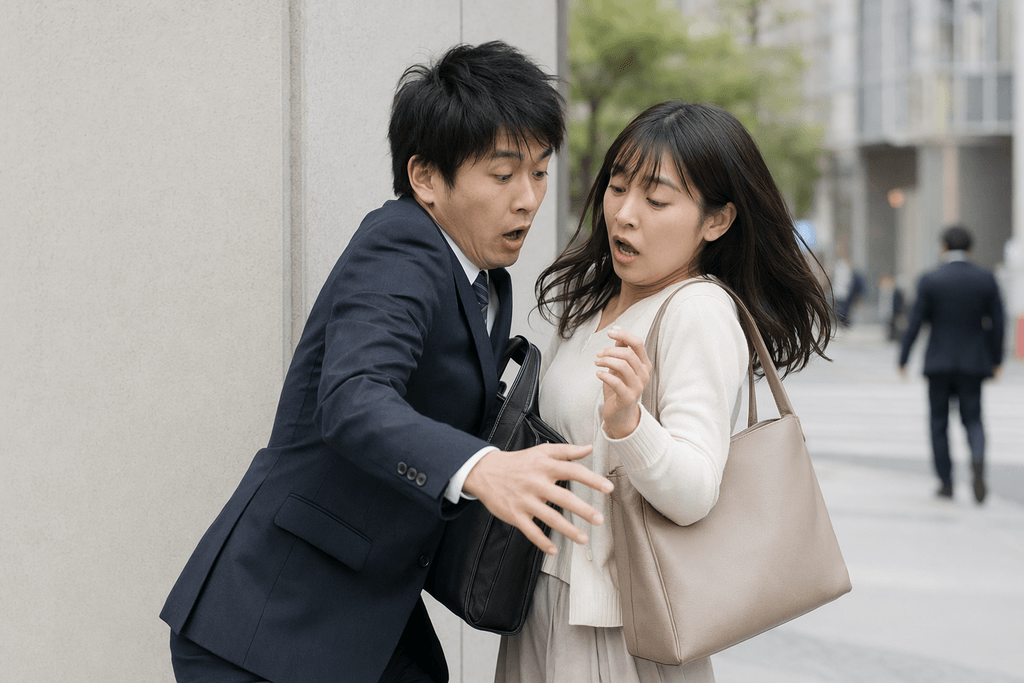
ぶつかる
ගැටෙනවා
ぶつかる
ගැටෙනවා
Explanation
ගැටෙනවා
ぶつかる
හැප්පීම / ගැටීම / මුහුණපා හමුවීම
Word Forms
The basic and commonly used forms of this verb.
Basic forms
| Form | Word form | Usage |
|---|---|---|
| Imperfective form (mizenkei) |
Alternative:
ぶつかろ
|
Connects to endings such as nai, reru, and seru. |
| Continuative form (renyokei) | Connects to endings such as masu, tai, and ta. | |
| Conclusive form (shushikei) | Ends a sentence and serves as the dictionary form. | |
| Attributive form (rentaikei) | Modifies a noun. | |
| Conditional form (kateikei) | Combines with ba to express a condition. | |
| Imperative form (meireikei) | Expresses a command or instruction. |
Common forms
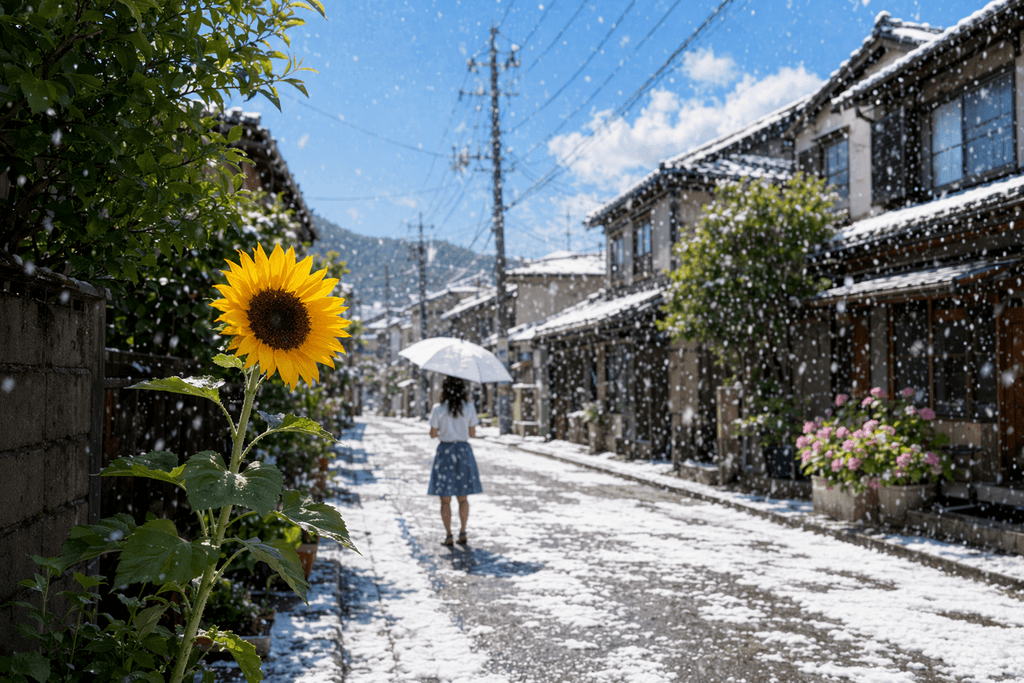
稀
දුර්ලභ
稀
දුර්ලභ
Explanation
稀
දුර්ලභ
稀
දුර්ලභ / කලාතුරකින් ඇතිවන / අල්ප වශයෙන් පවතින
Word Forms
The basic and commonly used forms of this adjectival noun.
Basic forms
| Form | Word form | Usage |
|---|---|---|
| Imperfective form (mizenkei) |
Alternative:
まれだろ
|
Used in forms such as darou. |
| Continuative form (renyokei) |
Alternative:
まれで
稀に
まれに
|
Used with de or ni. |
| Conclusive form (shushikei) |
Alternative:
まれだ
|
Ends a sentence with da. |
| Attributive form (rentaikei) |
Alternative:
まれな
|
Modifies a noun with na. |
| Conditional form (kateikei) |
Alternative:
まれなら
|
Expresses a condition with nara. |
| Imperative form (meireikei) |
Alternative:
まれであれ
|
Used in formal expressions such as de are. |
Common forms
| Form | Word form | Usage |
|---|---|---|
| Te-form equivalent |
Alternative:
まれで
|
Connects clauses using de. |
| Ta-form |
Alternative:
まれだった
|
Expresses the past with datta. |
| Nai-form |
Alternative:
まれではない
稀じゃない
まれじゃない
|
Expresses negation with dewa nai or ja nai. |
| Desu-form |
Alternative:
まれです
|
Used for polite speech. |
Notes
主語
උක්තය
主語
උක්තය
Explanation
主語
උක්තය
主語
කර්තෘවචනය / ව්යාකරණයේ විෂය (subject) / විෂය පදය

( Base form )
( romanization )
( hiragana )
請う
ඉල්ලා සිටිනවා / යාදිනවා
請う
ඉල්ලා සිටිනවා / යාදිනවා
Explanation
請う
ඉල්ලා සිටිනවා / යාදිනවා
請う
ඉල්ලනවා / අයදිනවා / වින්දනවා

Word Forms
The basic and commonly used forms of this verb.
Basic forms
| Form | Word form | Usage |
|---|---|---|
| Imperfective form (mizenkei) |
Alternative:
{"form"=>"乞わ", "reading"=>"こわ"}
{"form"=>"請お", "reading"=>"こお"}
{"form"=>"乞お", "reading"=>"こお"}
|
Connects to endings such as nai, reru, and seru. |
| Continuative form (renyokei) |
Alternative:
{"form"=>"乞い", "reading"=>"こい"}
{"form"=>"請う", "reading"=>"こう"}
{"form"=>"乞う", "reading"=>"こう"}
|
Connects to endings such as masu, tai, and ta. |
| Conclusive form (shushikei) |
Alternative:
{"form"=>"乞う", "reading"=>"こう"}
|
Ends a sentence and serves as the dictionary form. |
| Attributive form (rentaikei) |
Alternative:
{"form"=>"乞う", "reading"=>"こう"}
|
Modifies a noun. |
| Conditional form (kateikei) |
Alternative:
{"form"=>"乞えば", "reading"=>"こえば"}
|
Combines with ba to express a condition. |
| Imperative form (meireikei) |
Alternative:
{"form"=>"乞え", "reading"=>"こえ"}
|
Expresses a command or instruction. |
Common forms
| Form | Word form | Usage |
|---|---|---|
| Te-form |
Alternative:
{"form"=>"乞うて", "reading"=>"こうて"}
{"form"=>"請いて", "reading"=>"こいて"}
{"form"=>"乞いて", "reading"=>"こいて"}
|
Connects clauses with te. |
| Ta-form |
Alternative:
{"form"=>"乞うた", "reading"=>"こうた"}
{"form"=>"請いた", "reading"=>"こいた"}
{"form"=>"乞いた", "reading"=>"こいた"}
|
Expresses the past with ta. |
| Nai-form |
Alternative:
{"form"=>"乞わない", "reading"=>"こわない"}
|
Expresses negation with nai. |
| Masu-form |
Alternative:
{"form"=>"乞います", "reading"=>"こいます"}
|
Used for polite speech. |
| Ba-form |
Alternative:
{"form"=>"乞えば", "reading"=>"こえば"}
|
Expresses a condition with ba. |
| Volitional form |
Alternative:
{"form"=>"乞おう", "reading"=>"こおう"}
|
Expresses intention or invitation. |
Notes
縮れる
රැලි වෙනවා
縮れる
රැලි වෙනවා
Explanation
縮れる
රැලි වෙනවා
縮れる
රැළි වීම / කෙස් වංක වීම / සිකුරුටු වීම

Word Forms
The basic and commonly used forms of this verb.
Basic forms
| Form | Word form | Usage |
|---|---|---|
| Imperfective form (mizenkei) | Connects to endings such as nai, reru, and seru. | |
| Continuative form (renyokei) | Connects to endings such as masu, tai, and ta. | |
| Conclusive form (shushikei) | Ends a sentence and serves as the dictionary form. | |
| Attributive form (rentaikei) | Modifies a noun. | |
| Conditional form (kateikei) | Combines with ba to express a condition. | |
| Imperative form (meireikei) |
Alternative:
縮れよ
|
Expresses a command or instruction. |
Common forms
長引く
දිග්ගැස්සෙනවා
長引く
දිග්ගැස්සෙනවා
Explanation
長引く
දිග්ගැස්සෙනවා
長引く
දිගටම ඇදෙයි / දිගුවී පවතියි / දිගු කාලයක් තිස්සේ දිගට යයි

Word Forms
The basic and commonly used forms of this verb.
Basic forms
| Form | Word form | Usage |
|---|---|---|
| Imperfective form (mizenkei) | Connects to endings such as nai, reru, and seru. | |
| Continuative form (renyokei) | Connects to endings such as masu, tai, and ta. | |
| Conclusive form (shushikei) | Ends a sentence and serves as the dictionary form. | |
| Attributive form (rentaikei) | Modifies a noun. | |
| Conditional form (kateikei) | Combines with ba to express a condition. | |
| Imperative form (meireikei) | Expresses a command or instruction. |
Common forms
Loading...

JLPT N2 多言語単語帳・1790語 / JLPT N2 Multilingual Vocabulary: 1790 Words

Jonathan Waller 氏の JLPT Resources の語彙リスト・レベル分類を出典とし、CC BY の条件に従って DiQt が学習者向けに意味を作り直した1790語の単語帳です。JLPT公式の語彙リストではありません。
This collection of 1790 words is based on the vocabulary list and level classifications in Jonathan Waller’s JLPT Resources under CC BY, with meanings rewritten by DiQt for learners. It is not an official JLPT vocabulary list.
Key Operations
Select the first quiz:
Ctrl + Enter
View Explanation:Ctrl + G
Close a feedback:Esc
When selecting a quiz
Answer:Enter
Select a choice:↓ or ↑
Reading out the question:Ctrl + K
View Hint: Ctrl + M
I don't know: Ctrl + Y



