
JLPT N2 වචන අර්ථ පුහුණුව - Unsolved

පිළිතුරු විකල්ප හතරක් ඇති ප්රශ්න මඟින් JLPT N2 වචන 1790ක අර්ථ සිංහලෙන් ඉගෙන ගන්න.
-
ශීඝ්ර තැපෑල
-
අක්ෂාංශය
-
කායික වෛද්ය විද්යාව
-
ක්රමානුකූලව
-
දිගු පේළියක
-
හොර රහසේ
-
ඒකාධිපති පාලනය
-
නිවස මාරු කිරීම
-
කෑමට ගන්නා ලුණු
-
වාසගම
-
ගිනිකෙළි
-
රාජකාරි ගමන
-
වැසිකිළිය
-
හිරු එළිය ලැබීම
-
විනය
-
ඇතුළට ගන්නවා / අනුගමනය කරනවා
-
පිසිනවා
-
පෙරළනවා
-
කියත
-
දේදුන්න
-
බිම හිඳින කුෂන් එක
-
මිශ්ර වෙනවා
-
මිශ්ර කරනවා
-
ප්රතික්ෂේප කරනවා / අහෝසි කරනවා
-
අවහිර වෙනවා
-
අයත් වෙනවා
-
දැනෙනවා
-
කෑදර
-
දැඩි / තදින් ආරක්ෂිත
-
ප්රීතිමත්
紺
තද නිල් පාට
紺
තද නිල් පාට
Explanation
紺
තද නිල් පාට
紺
නේවි නිල් වර්ණය / ගැඹුරු නිල් වර්ණය / ගාඪ නිල්

( romanization )
( hiragana )
やたらに
නොසැලකිලිමත්ව / අධික ලෙස
やたらに
නොසැලකිලිමත්ව / අධික ලෙස
Explanation
නොසැලකිලිමත්ව / අධික ලෙස
やたらに
අතිශය ලෙස / අසංයමයෙන් / යමක් යමක් ලෙස (අහඹුවෙන්)

広さ
වර්ගඵලය / ඉඩකඩ ඇති බව
広さ
වර්ගඵලය / ඉඩකඩ ඇති බව
Explanation
広さ
වර්ගඵලය / ඉඩකඩ ඇති බව
広さ
පළල/විශාලත්වය / විහිදීම / ප්රසාරත්වය

温室
හරිතාගාරය
温室
හරිතාගාරය
Explanation
温室
හරිතාගාරය
温室
හරිතාගාරය / උණුසුම් ගෙවත්ත/උණු කාමරය (පැළ වගා කිරීමට) / (රූපක) ආරක්ෂිත/ආවරණාත්මක පරිසරය; ආරක්ෂිත හැදෑරීම

( Base form )
( romanization )
( romanization )
( hiragana historical )
( hiragana )
( Base form )
( romanization )
( romanization )
( alternative )
( Rōmaji )
( hiragana historical )
( hiragana )
果実
ඵලය
果実
ඵලය
Explanation
果実
ඵලය
果実
පලතුර / ගෙඩිය / බෙරි/නට් වර්ගයේ ගෙඩි

( Base form )
( romanization )
( kyūjitai )
( hiragana )
仕上がる
නිම වෙනවා
仕上がる
නිම වෙනවා
Explanation
仕上がる
නිම වෙනවා
仕上がる
නිම වෙයි / අවසන් වෙයි / සම්පූර්ණ වෙයි

Word Forms
The basic and commonly used forms of this verb.
Basic forms
| Form | Word form | Usage |
|---|---|---|
| Imperfective form (mizenkei) |
Alternative:
仕上がろ
|
Connects to endings such as nai, reru, and seru. |
| Continuative form (renyokei) | Connects to endings such as masu, tai, and ta. | |
| Conclusive form (shushikei) | Ends a sentence and serves as the dictionary form. | |
| Attributive form (rentaikei) | Modifies a noun. | |
| Conditional form (kateikei) | Combines with ba to express a condition. | |
| Imperative form (meireikei) | Expresses a command or instruction. |
Common forms
針路
ගමන් මඟ / දිශාව
針路
ගමන් මඟ / දිශාව
Explanation
針路
ගමන් මඟ / දිශාව
針路
ගමන් මඟ / දිශානති (බෙයරින්ග්) / පථය

( Base form )
( romanization )
( hiragana )
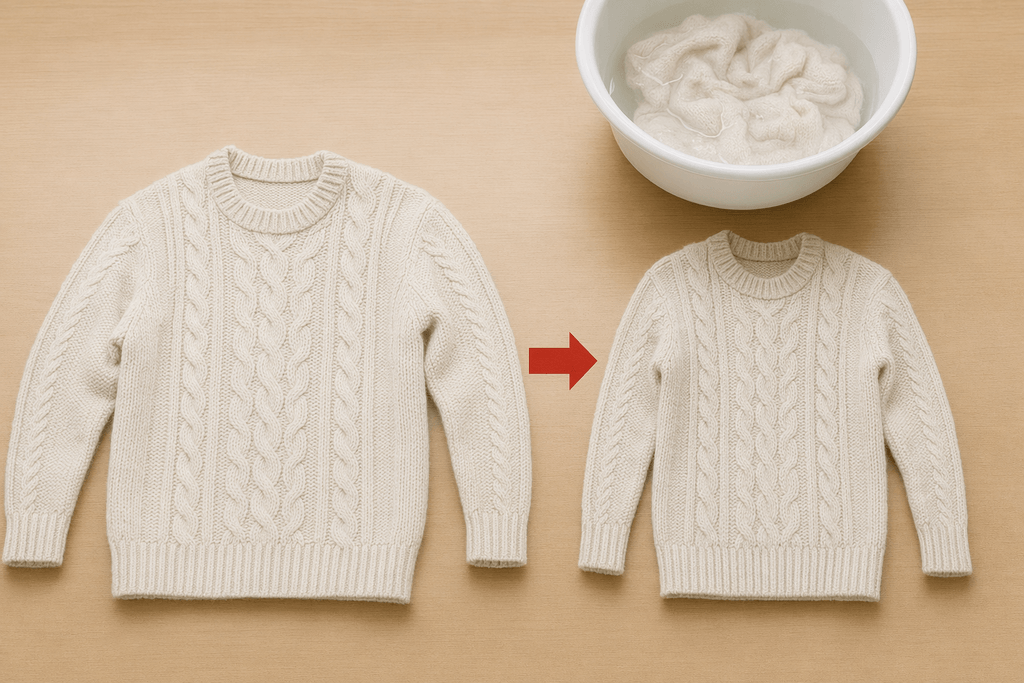
縮む
හැකිළෙනවා
縮む
හැකිළෙනවා
Explanation
縮む
හැකිළෙනවා
縮む
හැකිලෙනවා / කුඩා වෙනවා / ඇකුලෙනවා
Word Forms
The basic and commonly used forms of this verb.
Basic forms
| Form | Word form | Usage |
|---|---|---|
| Imperfective form (mizenkei) |
Alternative:
縮も
|
Connects to endings such as nai, reru, and seru. |
| Continuative form (renyokei) | Connects to endings such as masu, tai, and ta. | |
| Conclusive form (shushikei) | Ends a sentence and serves as the dictionary form. | |
| Attributive form (rentaikei) | Modifies a noun. | |
| Conditional form (kateikei) | Combines with ba to express a condition. | |
| Imperative form (meireikei) | Expresses a command or instruction. |
Common forms
生える
වැඩී එනවා
生える
වැඩී එනවා
Explanation
生える
වැඩී එනවා
生える
පැළවීම; වර්ධනය වීම / (දත්) ඉදිරියට එනවා; දත් පැලවීම

Word Forms
The basic and commonly used forms of this verb.
Basic forms
| Form | Word form | Usage |
|---|---|---|
| Imperfective form (mizenkei) | Connects to endings such as nai, reru, and seru. | |
| Continuative form (renyokei) | Connects to endings such as masu, tai, and ta. | |
| Conclusive form (shushikei) | Ends a sentence and serves as the dictionary form. | |
| Attributive form (rentaikei) | Modifies a noun. | |
| Conditional form (kateikei) | Combines with ba to express a condition. | |
| Imperative form (meireikei) |
Alternative:
生えよ
|
Expresses a command or instruction. |
Common forms
曖昧
අපැහැදිලි
曖昧
අපැහැදිලි
Explanation
曖昧
අපැහැදිලි
曖昧
අර්ථය පැහැදිලි නොවන / දෙඅර්ථ සහිත / අස්පෂ්ට/මැදුරු

Word Forms
The basic and commonly used forms of this adjectival noun.
Basic forms
| Form | Word form | Usage |
|---|---|---|
| Imperfective form (mizenkei) |
Alternative:
曖昧でしょ
|
Used in forms such as darou. |
| Continuative form (renyokei) |
Alternative:
曖昧に
|
Used with de or ni. |
| Conclusive form (shushikei) |
Alternative:
曖昧です
|
Ends a sentence with da. |
| Attributive form (rentaikei) |
Alternative:
曖昧なる
|
Modifies a noun with na. |
| Conditional form (kateikei) |
Alternative:
曖昧であれば
|
Expresses a condition with nara. |
| Imperative form (meireikei) | Used in formal expressions such as de are. |
Common forms
Loading...

JLPT N2 多言語単語帳・1790語 / JLPT N2 Multilingual Vocabulary: 1790 Words

Jonathan Waller 氏の JLPT Resources の語彙リスト・レベル分類を出典とし、CC BY の条件に従って DiQt が学習者向けに意味を作り直した1790語の単語帳です。JLPT公式の語彙リストではありません。
This collection of 1790 words is based on the vocabulary list and level classifications in Jonathan Waller’s JLPT Resources under CC BY, with meanings rewritten by DiQt for learners. It is not an official JLPT vocabulary list.
Key Operations
Select the first quiz:
Ctrl + Enter
View Explanation:Ctrl + G
Close a feedback:Esc
When selecting a quiz
Answer:Enter
Select a choice:↓ or ↑
Reading out the question:Ctrl + K
View Hint: Ctrl + M
I don't know: Ctrl + Y



