
JLPT N2 වචන අර්ථ පුහුණුව - Unsolved

පිළිතුරු විකල්ප හතරක් ඇති ප්රශ්න මඟින් JLPT N2 වචන 1790ක අර්ථ සිංහලෙන් ඉගෙන ගන්න.
-
පෙර සහ පසු / පමණ
-
උපායශීලීත්වය
-
විභාගය අසමත් වීම / ශ්රේණිය අසමත් වීම
-
සමන්විත වෙනවා
-
ගෙවනවා / භාර දෙනවා
-
ඉරනවා
-
මලකඩ කනවා
-
කසනවා / දහඩිය දමනවා
-
කෑගසනවා
- 「破れる」は自動詞の下一段活用。
-
හයිකු කවිය
-
කිවිසුම
-
උත්සවය
-
අගමැති
-
ස්ත්රී පුරුෂ භාවය
-
ස්වයංක්රීයකරණය
-
වේගය වැඩි කිරීම
-
අළු පාට
-
අඩි කෝදුව
-
ගොරෝසු
-
අපිළිවෙළ
-
හතරැස්
- 命令形「懐かしかれ」は現代語では稀。
-
සාපේක්ෂව
-
දිගටම / බොහෝ වැඩියෙන්
-
තවත් වැඩියෙන්
-
මළ සිරුර
-
පඳුරු වැට
-
හරය
-
කියත
-
දැව
-
දුම්රිය කොන්දොස්තර
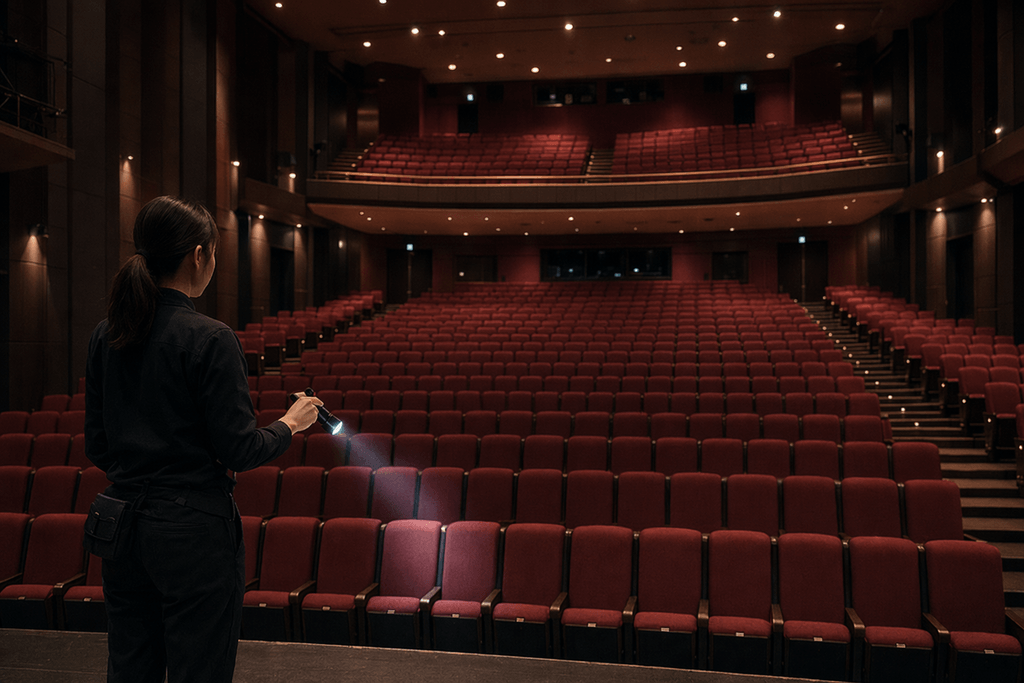
客席
ප්රේක්ෂක ආසන
客席
ප්රේක්ෂක ආසන
Explanation
客席
ප්රේක්ෂක ආසන
客席
ප්රේක්ෂක ආසන පේළිය / ගනුදෙනුකරුවන්ට වෙන් වූ ආසන ප්රදේශය / ප්රේක්ෂකයන් (සමූහය)
( romanization )
( hiragana )
埋める
වළලනවා / පුරවනවා
埋める
වළලනවා / පුරවනවා
Explanation
埋める
වළලනවා / පුරවනවා
埋める
වළලා දමනවා; පසින් වැසෙනවා / පුරවනවා; හිඩැස්/කූඩු වසා දමනවා / අඩුපාඩුව පුරවනවා; හිඟය/පාඩුව පුරවමින් ප්රතිපූරණය කරනවා

Word Forms
The basic and commonly used forms of this verb.
Basic forms
| Form | Word form | Usage |
|---|---|---|
| Imperfective form (mizenkei) | Connects to endings such as nai, reru, and seru. | |
| Continuative form (renyokei) | Connects to endings such as masu, tai, and ta. | |
| Conclusive form (shushikei) | Ends a sentence and serves as the dictionary form. | |
| Attributive form (rentaikei) | Modifies a noun. | |
| Conditional form (kateikei) | Combines with ba to express a condition. | |
| Imperative form (meireikei) |
Alternative:
埋めよ
|
Expresses a command or instruction. |
Common forms
破れる
ඉරෙනවා
破れる
ඉරෙනවා
Explanation
破れる
ඉරෙනවා
破れる
ඉරී යාම / ඉරා දමනවා / පැලීම / කැඩී බිඳී යාම / පැළඳුම/වස්තුව පාවිච්චිව කල්ඉකුත් වී නසා යාම

Word Forms
The basic and commonly used forms of this verb.
Basic forms
| Form | Word form | Usage |
|---|---|---|
| Imperfective form (mizenkei) | Connects to endings such as nai, reru, and seru. | |
| Continuative form (renyokei) | Connects to endings such as masu, tai, and ta. | |
| Conclusive form (shushikei) | Ends a sentence and serves as the dictionary form. | |
| Attributive form (rentaikei) | Modifies a noun. | |
| Conditional form (kateikei) | Combines with ba to express a condition. | |
| Imperative form (meireikei) |
Alternative:
破れよ
|
Expresses a command or instruction. |
Common forms
| Form | Word form | Usage |
|---|---|---|
| Te-form | Connects clauses with te. | |
| Ta-form | Expresses the past with ta. | |
| Nai-form | Expresses negation with nai. | |
| Masu-form | Used for polite speech. | |
| Ba-form | Expresses a condition with ba. | |
| Volitional form | Expresses intention or invitation. |
Notes
羊毛
බැටළු ලොම්
羊毛
බැටළු ලොම්
Explanation
羊毛
බැටළු ලොම්
羊毛
ලොම් (බැටළුවාගේ) / ලොම්/ලොම් රෙදි සඳහා භාවිත වන ලොම් / බැටළුවාගේ ලොම් කවරය

( Base form )
( romanization )
( hiragana )
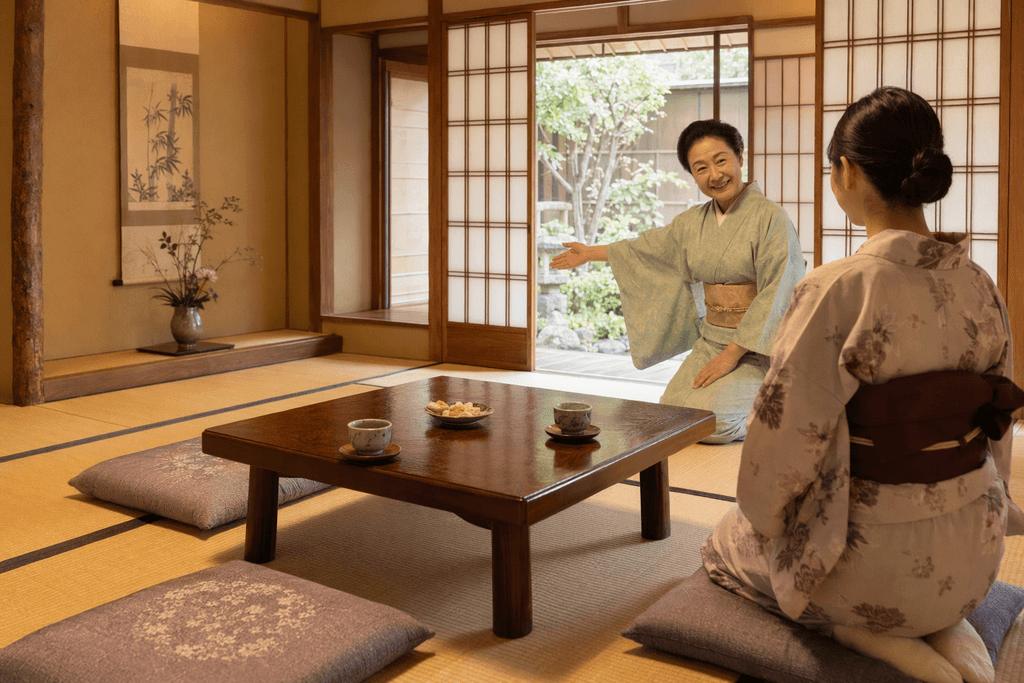
座敷
තතාමි පැදුරු සහිත කාමරය
座敷
තතාමි පැදුරු සහිත කාමරය
Explanation
座敷
තතාමි පැදුරු සහිත කාමරය
座敷
ටාටමි පත්රයෙන් වැසුණු සම්ප්රදායික ජපන් කාමරය / අමුත්තන් පිළිගැනීමට යොදාගන්නා පාර්ලර්/ආගන්තුක කාමරය / පැරණි කාලයේ ලී බිම සහ මැට් හෝ කුෂන් දමා වාඩිවෙන කාමරය
( Base form )
( romanization )
( hiragana )
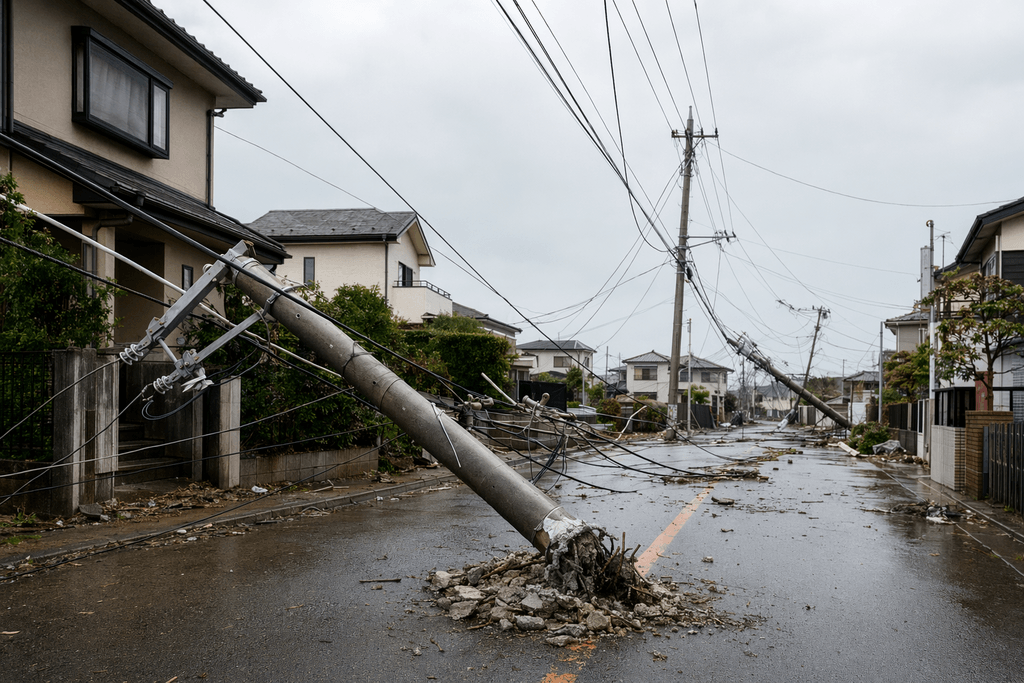
電柱
විදුලි කණුව
電柱
විදුලි කණුව
Explanation
電柱
විදුලි කණුව
電柱
විදුලි කණුව / දුරකථන/ටෙලිග්රාෆ් කණුව / බල සැපයුම් කණුව
( Base form )
( romanization )
( hiragana )
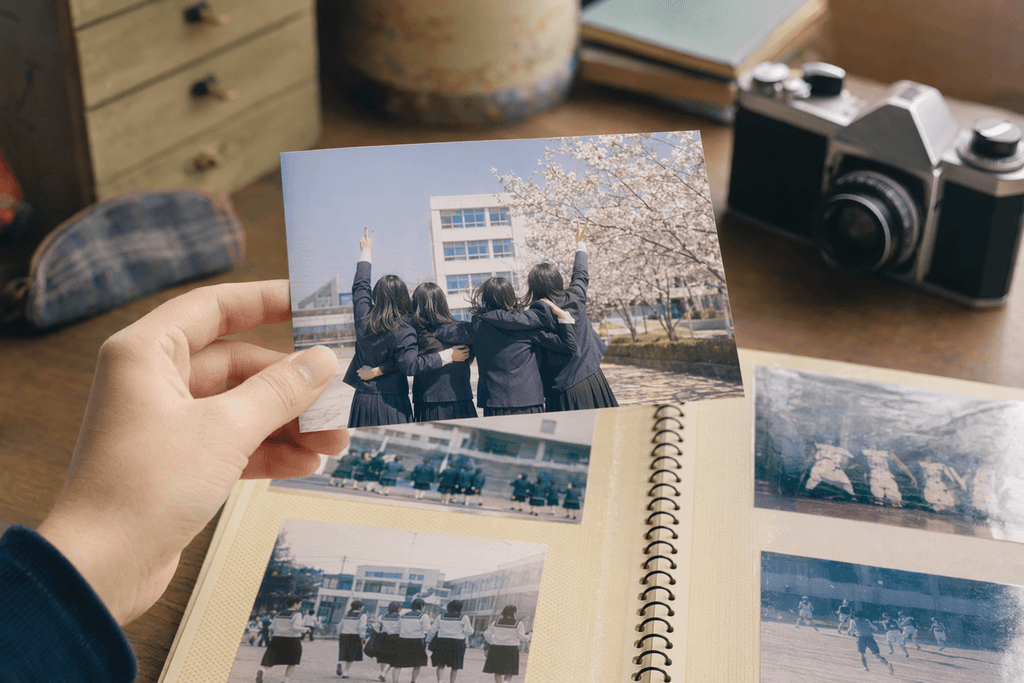
懐かしい
ආදරයෙන් සිහිවන
懐かしい
ආදරයෙන් සිහිවන
Explanation
懐かしい
ආදරයෙන් සිහිවන
懐かしい
පරණ මතක සිහි කරවන; නස්තැල්ජියාමය / හුරුපුරුදු සහ ආදරණීය ලෙස දැනෙන / මඟහැරුණු; ආශාකරන (ලොංග් වුනු)
Word Forms
The basic and commonly used forms of this adjective.
Basic forms
| Form | Word form | Usage |
|---|---|---|
| Imperfective form (mizenkei) | Used in forms such as karou; mainly literary. | |
| Continuative form (renyokei) |
Alternative:
懐かしかっ
|
Used in forms such as kute and kunai. |
| Conclusive form (shushikei) | Ends a sentence. | |
| Attributive form (rentaikei) | Modifies a noun. | |
| Conditional form (kateikei) | Expresses a condition with kereba. | |
| Imperative form (meireikei) | Rarely used in modern Japanese. |
Common forms
| Form | Word form | Usage |
|---|---|---|
| Te-form | Connects clauses with kute. | |
| Ta-form | Expresses the past with katta. | |
| Nai-form | Expresses negation with kunai. | |
| Ba-form | Expresses a condition with kereba. |
Notes
ずらり
දිගු පේළියක
ずらり
දිගු පේළියක
Explanation
දිගු පේළියක
ずらり
පේළියෙන්ම / දිග පේළියක් ලෙස / තීරුවක් ලෙස සරසලා

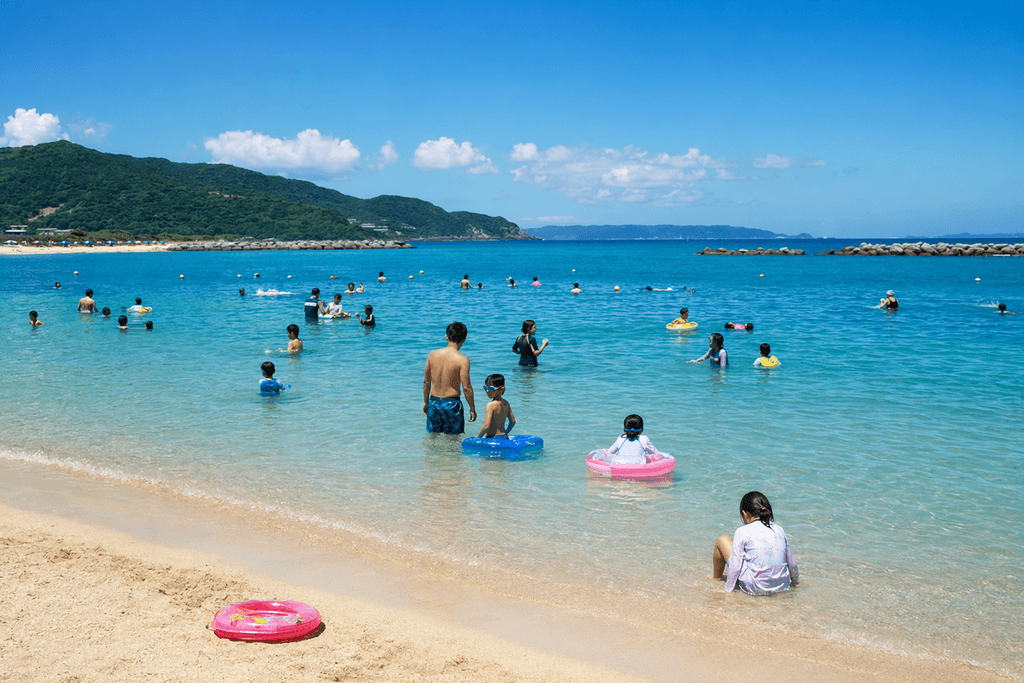
海水浴
මුහුදේ නෑම
海水浴
මුහුදේ නෑම
Explanation
海水浴
මුහුදේ නෑම
海水浴
මුහුදේ නානය / මුහුදේ ස්නානය කිරීම / මුහුදේ නෑම
( Base form )
( romanization )
( hiragana )
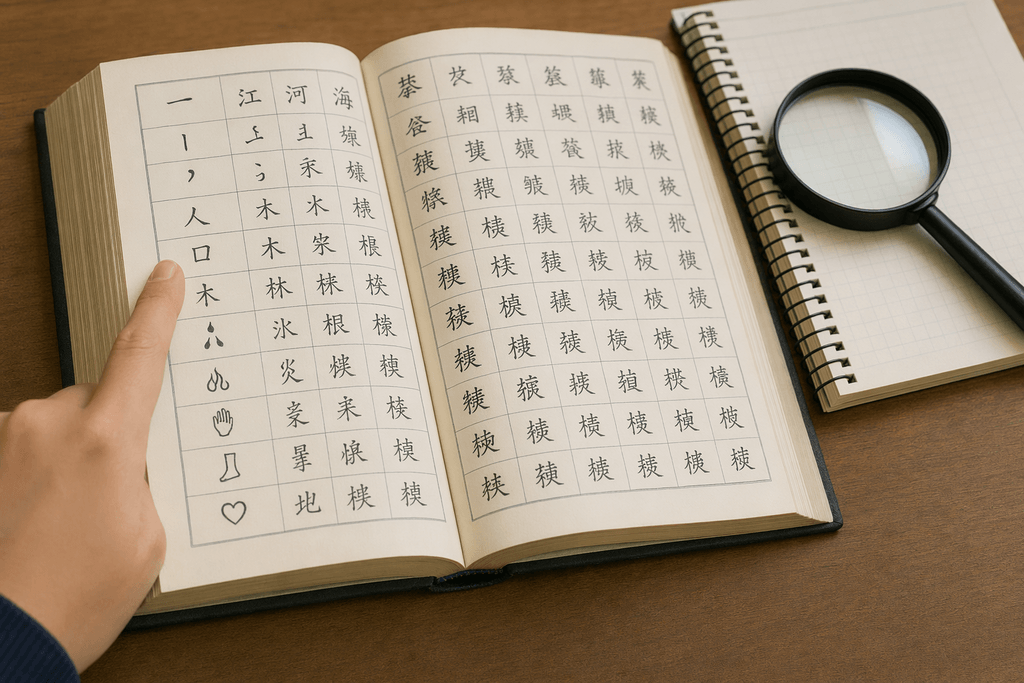
部首
අක්ෂරයේ මූල කොටස
部首
අක්ෂරයේ මූල කොටස
Explanation
部首
අක්ෂරයේ මූල කොටස
部首
කන්ජි අකුරු වර්ගීකරණයට භාවිත වන ප්රධාන අංශය (රැඩිකල්) / අකුරු ශබ්දකෝෂවල සෙවීම සඳහා භාවිත වන මූල අංගය
( Base form )
( romanization )
( hiragana )
Loading...

JLPT N2 多言語単語帳・1790語 / JLPT N2 Multilingual Vocabulary: 1790 Words

Jonathan Waller 氏の JLPT Resources の語彙リスト・レベル分類を出典とし、CC BY の条件に従って DiQt が学習者向けに意味を作り直した1790語の単語帳です。JLPT公式の語彙リストではありません。
This collection of 1790 words is based on the vocabulary list and level classifications in Jonathan Waller’s JLPT Resources under CC BY, with meanings rewritten by DiQt for learners. It is not an official JLPT vocabulary list.
Key Operations
Select the first quiz:
Ctrl + Enter
View Explanation:Ctrl + G
Close a feedback:Esc
When selecting a quiz
Answer:Enter
Select a choice:↓ or ↑
Reading out the question:Ctrl + K
View Hint: Ctrl + M
I don't know: Ctrl + Y



