
JLPT N2 වචන අර්ථ පුහුණුව - Unsolved

පිළිතුරු විකල්ප හතරක් ඇති ප්රශ්න මඟින් JLPT N2 වචන 1790ක අර්ථ සිංහලෙන් ඉගෙන ගන්න.
-
ප්රාදේශීය විශේෂ නිෂ්පාදනය
-
දවල් ආහාරය
-
කාර්යක්ෂමතාව
-
අනිනවා / තුඩකින් තට්ටු කරනවා
-
හුරතල් කර නරක් කරනවා
-
අවුල්ව තිබෙනවා
-
ගල් අඟුරු පතල
-
පෙරදිග
-
වට පාර
-
තෙත් කරනවා
-
ඡායාරූපයට හසු වෙනවා
-
පරිවර්තනය කරනවා
- 五段活用(マ行)の自動詞。
-
කඳවුර
-
ජපන්-ඉංග්රීසි
-
එක්දින ගමන
-
ගිනිකෙළි
-
මහපටැඟිල්ල / පාදයේ මහපටැඟිල්ල
-
ව්යතිරේකය
-
දේදුන්න
-
අමුද්රව්ය
-
හරය
-
නිරන්තරයෙන් / මුල සිට අග දක්වා
-
වැසිකිළිය
-
පන්තිය අවලංගු කිරීම
-
ජල සැපයුම අත්හිටුවීම
-
එක්සත් කිරීම / ඒකරූපතාව
-
කැලරිය
-
තව ටිකකින්
-
මොකක්දෝ හේතුවකට
-
තැනින් තැන / තිත් වශයෙන්
好き嫌い
කැමති සහ අකැමති දේ
好き嫌い
කැමති සහ අකැමති දේ
Explanation
好き嫌い
කැමති සහ අකැමති දේ
好き嫌い
කැමතිදේ හා අකැමතිදේ / රස/කෑම තෝරාගැනීමේ පුරුද්ද (පික්කිතාව) / කැමැත්ත-අකැමැත්ත (වෙනස්කම්)

( Base form )
( romanization )
( romanization )
( hiragana historical )
枯れる
මැලවෙනවා
枯れる
මැලවෙනවා
Explanation
枯れる
මැලවෙනවා
枯れる
මැලවී යෑම / වියළී යෑම / (ශාකයක්) මියයෑම
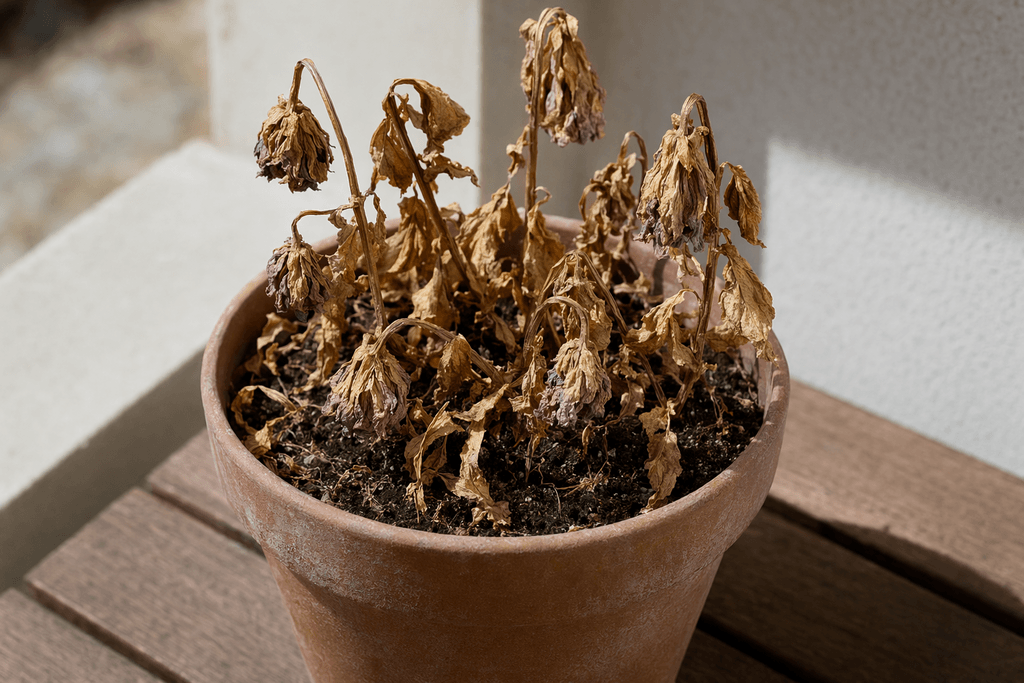
Word Forms
The basic and commonly used forms of this verb.
Basic forms
| Form | Word form | Usage |
|---|---|---|
| Imperfective form (mizenkei) | Connects to endings such as nai, reru, and seru. | |
| Continuative form (renyokei) | Connects to endings such as masu, tai, and ta. | |
| Conclusive form (shushikei) | Ends a sentence and serves as the dictionary form. | |
| Attributive form (rentaikei) | Modifies a noun. | |
| Conditional form (kateikei) | Combines with ba to express a condition. | |
| Imperative form (meireikei) |
Alternative:
枯れよ
|
Expresses a command or instruction. |
Common forms
入社
සමාගමකට රැකියාවට බැඳීම
入社
සමාගමකට රැකියාවට බැඳීම
Explanation
入社
සමාගමකට රැකියාවට බැඳීම
入社
සමාගමකට බැඳීම / සමාගමකට රැකියාවට ඇතුළත් වීම / සමාගමේ සේවයට එක්වීම

( Base form )
( romanization )
( stem )
( Past )
( table-tags )
( inflection-template )
( imperfective stem )
( imperfective stem )
( imperfective )
( continuative stem )
( continuative stem )
( continuative )
( stem terminative )
( stem terminative )
( terminative )
( attributive stem )
( attributive stem )
( attributive )
( hypothetical stem )
( hypothetical stem )
( hypothetical )
( Imperative literary stem )
( colloquial Imperative stem )
( Imperative literary stem )
( colloquial Imperative stem )
( Imperative literary )
( colloquial Imperative )
( Passive voice )
( Passive voice )
( Passive voice )
( causative )
( causative )
( causative )
( causative )
( causative )
( causative )
( potential )
( potential )
( potential )
( volitional )
( volitional )
( volitional )
( negative )
( negative )
( negative )
( continuative negative )
( continuative negative )
( continuative negative )
( formal )
( formal )
( formal )
( perfective )
( perfective )
( perfective )
( conjunctive )
( conjunctive )
( conjunctive )
( Conditional hypothetical )
( Conditional hypothetical )
( Conditional hypothetical )
澄む
පැහැදිලි වෙනවා
澄む
පැහැදිලි වෙනවා
Explanation
澄む
පැහැදිලි වෙනවා
澄む
පැහැදිලි/පාරදෘශ්ය වීමට / (කාලගුණය) නිදහස්ව/පැහැදිලිවීමට / (ශබ්දය/හැඟීම්) තැන්පත්ව පැහැදිලි වීමට

Word Forms
The basic and commonly used forms of this verb.
Basic forms
| Form | Word form | Usage |
|---|---|---|
| Imperfective form (mizenkei) |
Alternative:
澄も
|
Connects to endings such as nai, reru, and seru. |
| Continuative form (renyokei) | Connects to endings such as masu, tai, and ta. | |
| Conclusive form (shushikei) | Ends a sentence and serves as the dictionary form. | |
| Attributive form (rentaikei) | Modifies a noun. | |
| Conditional form (kateikei) | Combines with ba to express a condition. | |
| Imperative form (meireikei) | Expresses a command or instruction. |
Common forms
| Form | Word form | Usage |
|---|---|---|
| Te-form | Connects clauses with te. | |
| Ta-form | Expresses the past with ta. | |
| Nai-form |
Alternative:
澄まぬ
|
Expresses negation with nai. |
| Masu-form | Used for polite speech. | |
| Ba-form | Expresses a condition with ba. | |
| Volitional form | Expresses intention or invitation. |
Notes
等分
සම කොටස්වලට බෙදීම
等分
සම කොටස්වලට බෙදීම
Explanation
等分
සම කොටස්වලට බෙදීම
等分
සමාන කොටස්වලට බෙදීම / සමාන අනුපාතයෙන් බෙදා ගැනීම / සමාන කොටස් බවට වෙන් කිරීම

( Base form )
( romanization )
( hiragana )
組み合わせ
සංයෝජනය
組み合わせ
සංයෝජනය
Explanation
組み合わせ
සංයෝජනය
組み合わせ
සංයෝජනය / එකට ගැළපීම / සම්බන්ධකරණය

( Base form )
( romanization )
( romanization )
( hiragana historical )
手入れ
නඩත්තුව
手入れ
නඩත්තුව
Explanation
手入れ
නඩත්තුව
手入れ
නඩත්තු කිරීම / සැලකිල්ලෙන් රැකබලා ගැනීම / පැළ කපා-ගස්පොළ තැටීම (ප්රූනින්)

( Base form )
( romanization )
( stem )
( Past )
( table-tags )
( inflection-template )
( imperfective stem )
( imperfective stem )
( imperfective )
( continuative stem )
( continuative stem )
( continuative )
( stem terminative )
( stem terminative )
( terminative )
( attributive stem )
( attributive stem )
( attributive )
( hypothetical stem )
( hypothetical stem )
( hypothetical )
( Imperative literary stem )
( colloquial Imperative stem )
( Imperative literary stem )
( colloquial Imperative stem )
( Imperative literary )
( colloquial Imperative )
( Passive voice )
( Passive voice )
( Passive voice )
( causative )
( causative )
( causative )
( causative )
( causative )
( causative )
( potential )
( potential )
( potential )
( volitional )
( volitional )
( volitional )
( negative )
( negative )
( negative )
( continuative negative )
( continuative negative )
( continuative negative )
( formal )
( formal )
( formal )
( perfective )
( perfective )
( perfective )
( conjunctive )
( conjunctive )
( conjunctive )
( Conditional hypothetical )
( Conditional hypothetical )
( Conditional hypothetical )
用途
භාවිත අරමුණ
用途
භාවිත අරමුණ
Explanation
用途
භාවිත අරමුණ
用途
භාවිතය / භාවිත කරන අරමුණ/කාර්යය / යෙදීම

( Base form )
( romanization )
( hiragana )
鉢
බඳුන / මල් පෝච්චිය
鉢
බඳුන / මල් පෝච්චිය
Explanation
鉢
බඳුන / මල් පෝච්චිය
鉢
බඳුන / බාජනය / මඩුලිය

( romanization )
( hiragana )
どっと
එකවරම
どっと
එකවරම
Explanation
එකවරම
どっと
හදිසියේ / එකවරම / රැස්වෙමින්/ඝනව

Loading...

JLPT N2 多言語単語帳・1790語 / JLPT N2 Multilingual Vocabulary: 1790 Words

Jonathan Waller 氏の JLPT Resources の語彙リスト・レベル分類を出典とし、CC BY の条件に従って DiQt が学習者向けに意味を作り直した1790語の単語帳です。JLPT公式の語彙リストではありません。
This collection of 1790 words is based on the vocabulary list and level classifications in Jonathan Waller’s JLPT Resources under CC BY, with meanings rewritten by DiQt for learners. It is not an official JLPT vocabulary list.
Key Operations
Select the first quiz:
Ctrl + Enter
View Explanation:Ctrl + G
Close a feedback:Esc
When selecting a quiz
Answer:Enter
Select a choice:↓ or ↑
Reading out the question:Ctrl + K
View Hint: Ctrl + M
I don't know: Ctrl + Y



