
JLPT N2 වචන අර්ථ පුහුණුව - Unsolved

පිළිතුරු විකල්ප හතරක් ඇති ප්රශ්න මඟින් JLPT N2 වචන 1790ක අර්ථ සිංහලෙන් ඉගෙන ගන්න.
-
බාධා කරනවා / වළක්වනවා
-
උණුසුම් කරනවා
-
අල්ලා ගන්නවා / වටහා ගන්නවා
- 「齧る」は五段活用のラ行動詞です。未然形は打消し接続の「かじら」と意志・推量接続の「かじろ」を示しています。
-
ඝෝෂාකාරී
-
සුබ / බොළඳ
-
නිර්භීත
- 「勿体ない」は仮名書き「もったいない」も一般的です。
- 語幹末尾が「ない」に見えますが、全体でイ形容詞として活用します。
-
වාඩි වෙනවා
-
දැක පුරුදු වෙනවා
-
පසුබසිනවා / ඇතුළට ගිලෙනවා
-
ශක්තිය / වාසිය
-
විමුක්තිය
-
හැකියාව පෙන්වීම
-
සියල්ල එක් වෙනවා / ගැළපෙනවා
-
අණ දෙනවා / පත් කරනවා
-
කෙටි කරනවා / හකුළනවා
-
තරගය / ජය පරාජය
-
හැකියාව පෙන්වීම
-
ව්යාපාර වසා තැබීම
-
ගල් කඩදාසි කතුරු ක්රීඩාව
-
නවීකරණය
-
මලකඩ
-
වේලනවා
-
උණු වී දිය වෙනවා / ද්රාවණය වෙනවා
-
අරමුණු කරනවා
-
වේළෙන්න දමනවා
-
පේන කියනවා
-
මුද්රිතව පළ වෙනවා
-
උපකල්පනය
-
රජයේ නිලධාරියා
-
චුවිංගම්
かじる
සපා කනවා / මඳක් හදාරනවා
かじる
සපා කනවා / මඳක් හදාරනවා
Explanation
සපා කනවා / මඳක් හදාරනවා
かじる
කැපී/දත් දමා හපා කෑම / කූරු කෑම/දත් දමා හපා ගෙන කෑම / සුළු වශයෙන් අත්හදා බැලීම (යමක ටිකක් කරනවා)

Word Forms
The basic and commonly used forms of this verb.
Basic forms
| Form | Word form | Usage |
|---|---|---|
| Imperfective form (mizenkei) |
Alternative:
かじろ
齧ら
齧ろ
|
Connects to endings such as nai, reru, and seru. |
| Continuative form (renyokei) |
Alternative:
齧り
|
Connects to endings such as masu, tai, and ta. |
| Conclusive form (shushikei) |
Alternative:
齧る
|
Ends a sentence and serves as the dictionary form. |
| Attributive form (rentaikei) |
Alternative:
齧る
|
Modifies a noun. |
| Conditional form (kateikei) |
Alternative:
齧れ
|
Combines with ba to express a condition. |
| Imperative form (meireikei) |
Alternative:
齧れ
|
Expresses a command or instruction. |
Common forms
| Form | Word form | Usage |
|---|---|---|
| Te-form |
Alternative:
齧って
|
Connects clauses with te. |
| Ta-form |
Alternative:
齧った
|
Expresses the past with ta. |
| Nai-form |
Alternative:
齧らない
|
Expresses negation with nai. |
| Masu-form |
Alternative:
齧ります
|
Used for polite speech. |
| Ba-form |
Alternative:
齧れば
|
Expresses a condition with ba. |
| Volitional form |
Alternative:
齧ろう
|
Expresses intention or invitation. |
Notes
もったいない
නාස්තිකාර / ලැබීමට නුසුදුසු
もったいない
නාස්තිකාර / ලැබීමට නුසුදුසු
Explanation
නාස්තිකාර / ලැබීමට නුසුදුසු
もったいない
අපරාධයක්/කැණගාටුවක් වන තරම් වටිනා / අපචය කිරීම; නාස්තිකාරී / (දේව/පූජනීය දේකට) අගෞරවයෙන් කරන; අශුභ

Word Forms
The basic and commonly used forms of this adjective.
Basic forms
| Form | Word form | Usage |
|---|---|---|
| Imperfective form (mizenkei) | Used in forms such as karou; mainly literary. | |
| Continuative form (renyokei) |
Alternative:
もったいなかっ
|
Used in forms such as kute and kunai. |
| Conclusive form (shushikei) |
Alternative:
勿体ない
|
Ends a sentence. |
| Attributive form (rentaikei) |
Alternative:
勿体ない
|
Modifies a noun. |
| Conditional form (kateikei) | Expresses a condition with kereba. | |
| Imperative form (meireikei) | Rarely used in modern Japanese. |
Common forms
| Form | Word form | Usage |
|---|---|---|
| Te-form | Connects clauses with kute. | |
| Ta-form | Expresses the past with katta. | |
| Nai-form | Expresses negation with kunai. | |
| Ba-form | Expresses a condition with kereba. |
Notes
捕る
අල්ලා ගන්නවා
捕る
අල්ලා ගන්නවා
Explanation
捕る
අල්ලා ගන්නවා
捕る
අල්ලාගැනීම / අල්ලා දමනවා / අල්ලා ගන්නවා

Word Forms
The basic and commonly used forms of this verb.
Basic forms
| Form | Word form | Usage |
|---|---|---|
| Imperfective form (mizenkei) |
Alternative:
捕ろ
|
Connects to endings such as nai, reru, and seru. |
| Continuative form (renyokei) | Connects to endings such as masu, tai, and ta. | |
| Conclusive form (shushikei) | Ends a sentence and serves as the dictionary form. | |
| Attributive form (rentaikei) | Modifies a noun. | |
| Conditional form (kateikei) | Combines with ba to express a condition. | |
| Imperative form (meireikei) | Expresses a command or instruction. |
Common forms
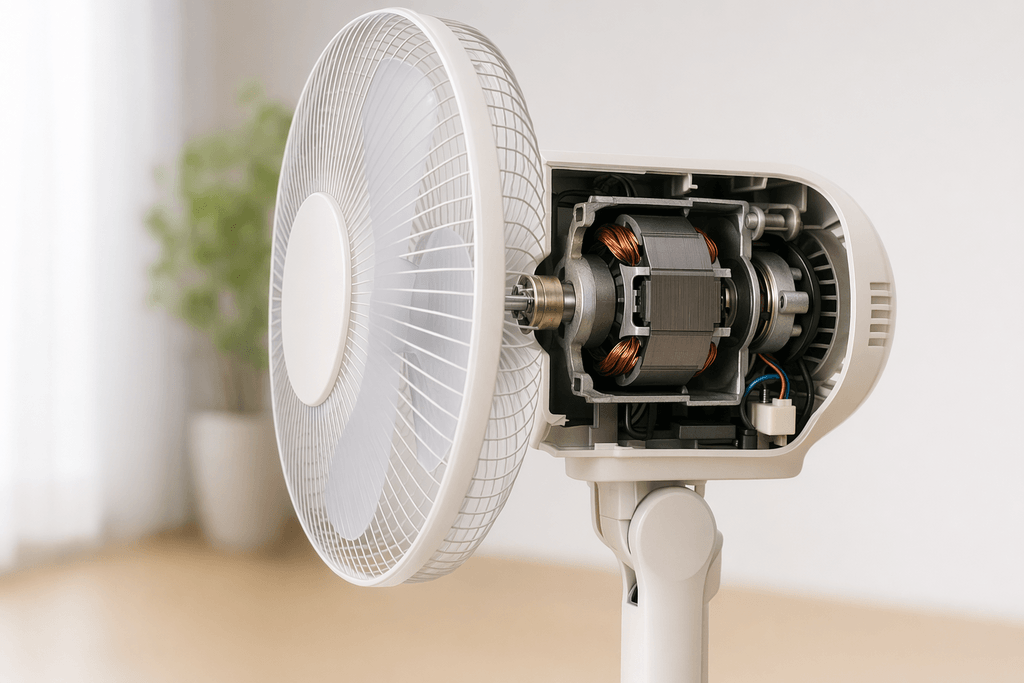
モーター
මෝටරය
モーター
මෝටරය
Explanation
මෝටරය
モーター
විදුලි මෝටරය / මෝටරය
( romanization )
転がす
රෝල් කර යවනවා
転がす
රෝල් කර යවනවා
Explanation
転がす
රෝල් කර යවනවා
転がす
රෝල් කරනවා / ගෙලවනවා / ඔබාගෙන ගෙනයනවා

Word Forms
The basic and commonly used forms of this verb.
Basic forms
| Form | Word form | Usage |
|---|---|---|
| Imperfective form (mizenkei) |
Alternative:
転がそ
|
Connects to endings such as nai, reru, and seru. |
| Continuative form (renyokei) | Connects to endings such as masu, tai, and ta. | |
| Conclusive form (shushikei) | Ends a sentence and serves as the dictionary form. | |
| Attributive form (rentaikei) | Modifies a noun. | |
| Conditional form (kateikei) | Combines with ba to express a condition. | |
| Imperative form (meireikei) | Expresses a command or instruction. |
Common forms
うどん
උදොන් නූඩ්ල්ස්
うどん
උදොන් නූඩ්ල්ස්
Explanation
උදොන් නූඩ්ල්ස්
うどん
උඩොන් නූඩ්ල්ස් / ජපන් ගහන තද තිරිඟු පිටි නූඩ්ල්ස්

( romanization )
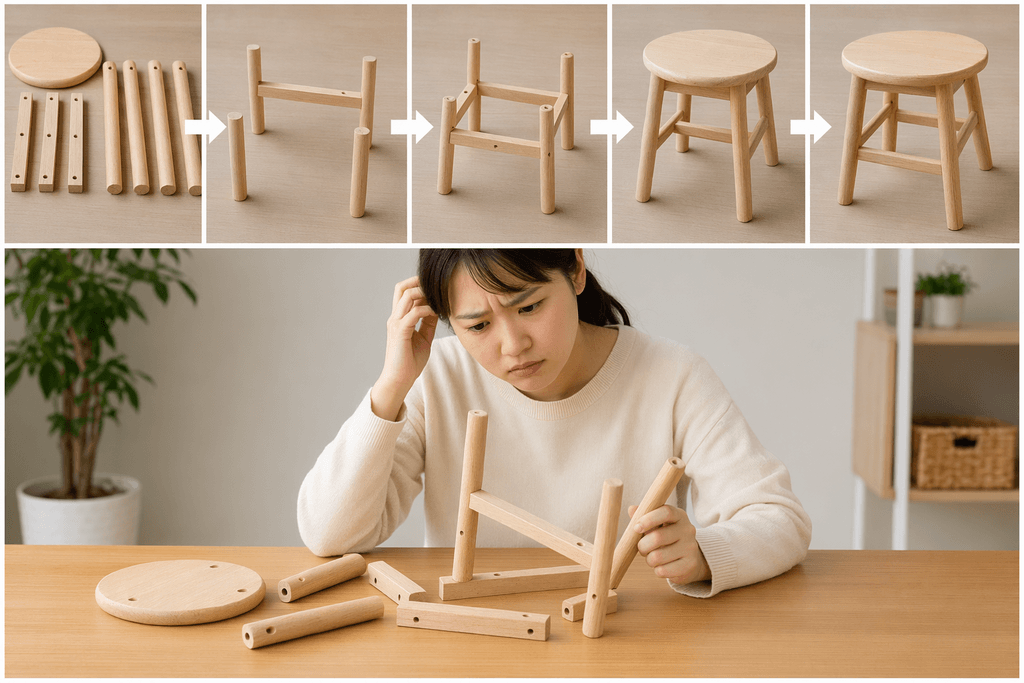
順序
අනුපිළිවෙළ
順序
අනුපිළිවෙළ
Explanation
順序
අනුපිළිවෙළ
順序
පිළිවෙල / අනුක්රමය / ක්රියාපටිපාටිය
( Base form )
( romanization )
( hiragana )
揃える
පිළිවෙළට තබනවා / එකසේ කරනවා
揃える
පිළිවෙළට තබනවා / එකසේ කරනවා
Explanation
揃える
පිළිවෙළට තබනවා / එකසේ කරනවා
揃える
එකට රැස්කරනවා / සකස් කර පිළිවෙළට තැබීම / සමාන කර ගැළපෙන ලෙස සකස් කරනවා

Word Forms
The basic and commonly used forms of this verb.
Basic forms
| Form | Word form | Usage |
|---|---|---|
| Imperfective form (mizenkei) | Connects to endings such as nai, reru, and seru. | |
| Continuative form (renyokei) | Connects to endings such as masu, tai, and ta. | |
| Conclusive form (shushikei) | Ends a sentence and serves as the dictionary form. | |
| Attributive form (rentaikei) | Modifies a noun. | |
| Conditional form (kateikei) | Combines with ba to express a condition. | |
| Imperative form (meireikei) |
Alternative:
揃えよ
|
Expresses a command or instruction. |
Common forms
出掛ける
පිටතට යනවා
出掛ける
පිටතට යනවා
Explanation
出掛ける
පිටතට යනවා
出掛ける
පිටතට යාම / පිටවීම / බාහිරට ගමන් කිරීම

Word Forms
The basic and commonly used forms of this verb.
Basic forms
| Form | Word form | Usage |
|---|---|---|
| Imperfective form (mizenkei) | Connects to endings such as nai, reru, and seru. | |
| Continuative form (renyokei) | Connects to endings such as masu, tai, and ta. | |
| Conclusive form (shushikei) | Ends a sentence and serves as the dictionary form. | |
| Attributive form (rentaikei) | Modifies a noun. | |
| Conditional form (kateikei) | Combines with ba to express a condition. | |
| Imperative form (meireikei) |
Alternative:
出掛けよ
|
Expresses a command or instruction. |
Common forms
伝染
බෝවීම
伝染
බෝවීම
Explanation
伝染
බෝවීම
伝染
සංක්රමණය / ආසාදනය / බෝවීම

( Base form )
( romanization )
( kyūjitai )
( hiragana )
Loading...

JLPT N2 多言語単語帳・1790語 / JLPT N2 Multilingual Vocabulary: 1790 Words

Jonathan Waller 氏の JLPT Resources の語彙リスト・レベル分類を出典とし、CC BY の条件に従って DiQt が学習者向けに意味を作り直した1790語の単語帳です。JLPT公式の語彙リストではありません。
This collection of 1790 words is based on the vocabulary list and level classifications in Jonathan Waller’s JLPT Resources under CC BY, with meanings rewritten by DiQt for learners. It is not an official JLPT vocabulary list.
Key Operations
Select the first quiz:
Ctrl + Enter
View Explanation:Ctrl + G
Close a feedback:Esc
When selecting a quiz
Answer:Enter
Select a choice:↓ or ↑
Reading out the question:Ctrl + K
View Hint: Ctrl + M
I don't know: Ctrl + Y



