
JLPT N2 වචන අර්ථ පුහුණුව - Unsolved

පිළිතුරු විකල්ප හතරක් ඇති ප්රශ්න මඟින් JLPT N2 වචන 1790ක අර්ථ සිංහලෙන් ඉගෙන ගන්න.
-
මාසික වැටුප
-
තිබීම / නොතිබීම
-
බෙල්ලන් / සිප්පි කටුව
-
ඉංග්රීසි පාඨය
-
දුම්රිය කොන්දොස්තර
-
වාහන මාරුව
-
විවෘත කිරීම
-
ගොවි ගම්මානය
-
අමුද්රව්ය
-
කාලය ගතවීම
-
භූ ද්රෝණිය
-
සම්භාවිතාව
-
රබර් / මකනය
-
කඳු පාමුල
-
ස්වයංක්රීයකරණය
-
සම්මන්ත්රණ පන්තිය
-
විදුලි බලය
-
සැබෑ උදාහරණය
-
වැසි ආවරණ දොර
-
පහත වැටීම
-
වඩා අඩු
-
සැරසිලි බිත්ති කුටිය
-
සබන්
-
ජවය
-
පහළට බහිනවා
-
කුඩු කරනවා
-
කර කරනවා
-
පාලනය කරනවා / මැඬපවත්වනවා
-
වැටෙනවා / විසිරෙනවා
-
හේතුවෙන් වෙනවා
- 五段活用(タ行)。連用形は「ます」などに接続する「討ち」と、「て・た」などで用いる促音便形「討っ」がある。
留守番
ගෙදර බලාගැනීම
留守番
ගෙදර බලාගැනීම
Explanation
留守番
ගෙදර බලාගැනීම
留守番
ගෙදර රැකබලා ගැනීම / ගෙදර රැකබලා සිටින පුද්ගලයා / නිවස බලන්න ගෙදර සිටීම

( Base form )
( romanization )
( hiragana )
話し合い
සාකච්ඡාව
話し合い
සාකච්ඡාව
Explanation
話し合い
සාකච්ඡාව
話し合い
සාකච්ඡාව / සංවාදය / වටිනාකම් එකඟ කර ගැනීමේ (සම්මුති) සාකච්ඡාව

( Base form )
( romanization )
作成
ලේඛන සකස් කිරීම
作成
ලේඛන සකස් කිරීම
Explanation
作成
ලේඛන සකස් කිරීම
作成
නිර්මාණය කිරීම / සකස් කිරීම / තැනීම

( Base form )
( romanization )
( hiragana )
銘々
එක් එක් අය
銘々
එක් එක් අය
Explanation
銘々
එක් එක් අය
銘々
එක එකාට / තනි තනිව / එක් එක් පුද්ගලයා

( Base form )
( romanization )
( hiragana )
零点
ලකුණු බින්දුව
零点
ලකුණු බින්දුව
Explanation
零点
ලකුණු බින්දුව
零点
ශූන්ය ලකුණු (ලකුණු නොලැබීම) / ගණිතයේ ශූන්යය/ශූන්ය ලක්ෂ්යය / සන්දර්භ ශූන්ය ලක්ෂ්යය (මැනුම් සූදානමේ ප්රමිතිය)

( Base form )
( romanization )
( kyūjitai )
( hiragana )
焦点
කේන්ද්රස්ථානය
焦点
කේන්ද්රස්ථානය
Explanation
焦点
කේන්ද්රස්ථානය
焦点
මධ්යස්ථ ලක්ෂ්යය / අවධානය යොමුවන ස්ථානය / අවධානය/කේන්ද්රය

( Base form )
( romanization )
( kyūjitai )
( hiragana )
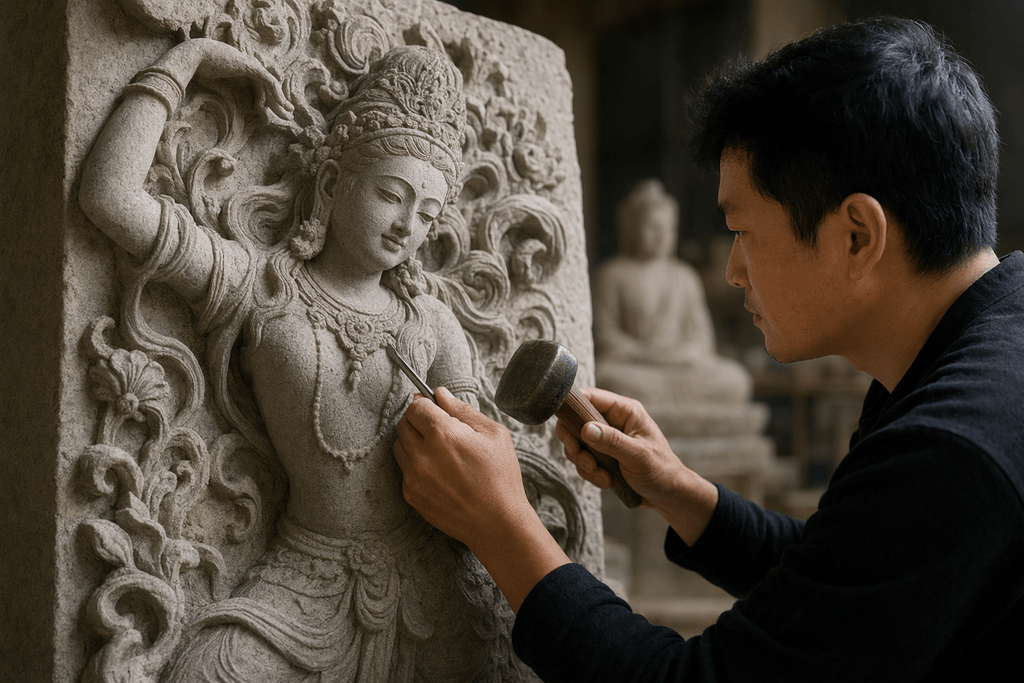
彫刻
මූර්තිය / කැටයම
彫刻
මූර්තිය / කැටයම
Explanation
彫刻
මූර්තිය / කැටයම
彫刻
මූර්ති කලාව/මූර්තිය / කැටයම; කැටයම් කිරීම / උමතුකිරීම (වස්තුවකට කැටයම් කර සලකුණු කිරීම)
( Base form )
( romanization )
( romanization )
( hiragana historical )
( hiragana )
おかわり
තවත් කෑම කොටසක්
おかわり
තවත් කෑම කොටසක්
Explanation
තවත් කෑම කොටසක්
おかわり
තවත් වරක් දීම/ගැනීම (ආහාරය) / දෙවන සේවාව (ආහාර/පාන) / තවත් පංගුව

( Base form )
( romanization )
怒鳴る
කෑගසනවා
怒鳴る
කෑගසනවා
Explanation
怒鳴る
කෑගසනවා
怒鳴る
කෝපයෙන් කෑගසනවා / රණ්ඩුවෙන් හඬනවා / කේන්තියෙන් උඩුබැස කෑගසනවා

Word Forms
The basic and commonly used forms of this verb.
Basic forms
| Form | Word form | Usage |
|---|---|---|
| Imperfective form (mizenkei) |
Alternative:
怒鳴ろ
|
Connects to endings such as nai, reru, and seru. |
| Continuative form (renyokei) |
Alternative:
怒鳴っ
|
Connects to endings such as masu, tai, and ta. |
| Conclusive form (shushikei) | Ends a sentence and serves as the dictionary form. | |
| Attributive form (rentaikei) | Modifies a noun. | |
| Conditional form (kateikei) | Combines with ba to express a condition. | |
| Imperative form (meireikei) | Expresses a command or instruction. |
Common forms
討つ
පහර දෙනවා / පළි ගන්නවා
討つ
පහර දෙනවා / පළි ගන්නවා
Explanation
討つ
පහර දෙනවා / පළි ගන්නවා
討つ
පහර දීම/ප්රහාර කිරීම / පළි ගැනීම
Word Forms
The basic and commonly used forms of this verb.
Basic forms
| Form | Word form | Usage |
|---|---|---|
| Imperfective form (mizenkei) |
Alternative:
討と
|
Connects to endings such as nai, reru, and seru. |
| Continuative form (renyokei) |
Alternative:
討っ
|
Connects to endings such as masu, tai, and ta. |
| Conclusive form (shushikei) | Ends a sentence and serves as the dictionary form. | |
| Attributive form (rentaikei) | Modifies a noun. | |
| Conditional form (kateikei) | Combines with ba to express a condition. | |
| Imperative form (meireikei) | Expresses a command or instruction. |
Common forms
| Form | Word form | Usage |
|---|---|---|
| Te-form | Connects clauses with te. | |
| Ta-form | Expresses the past with ta. | |
| Nai-form | Expresses negation with nai. | |
| Masu-form | Used for polite speech. | |
| Ba-form | Expresses a condition with ba. | |
| Volitional form | Expresses intention or invitation. |
Notes
Loading...

JLPT N2 多言語単語帳・1790語 / JLPT N2 Multilingual Vocabulary: 1790 Words

Jonathan Waller 氏の JLPT Resources の語彙リスト・レベル分類を出典とし、CC BY の条件に従って DiQt が学習者向けに意味を作り直した1790語の単語帳です。JLPT公式の語彙リストではありません。
This collection of 1790 words is based on the vocabulary list and level classifications in Jonathan Waller’s JLPT Resources under CC BY, with meanings rewritten by DiQt for learners. It is not an official JLPT vocabulary list.
Key Operations
Select the first quiz:
Ctrl + Enter
View Explanation:Ctrl + G
Close a feedback:Esc
When selecting a quiz
Answer:Enter
Select a choice:↓ or ↑
Reading out the question:Ctrl + K
View Hint: Ctrl + M
I don't know: Ctrl + Y



