
JLPT N5 शब्दार्थ अभ्यास - Unsolved

चार विकल्प भएका प्रश्नबाट JLPT N5 का 665 शब्दका अर्थ नेपालीमा सिक्नुहोस्।
-
सङ्गीत
-
अर्को वर्ष
-
आज बिहान
-
गुलियो
-
गह्रौँ
-
दुख्ने
-
धुनु
-
मेट्नु / बन्द गर्नु
-
पानी पर्नु / हिउँ पर्नु
-
गोलो
-
गर्मी
-
सानो
- 見出し語は仮名表記。漢字表記では「辛い」。
-
न्यानो
-
गाह्रो
-
बलियो
- 漢字表記は「煩い」。一般にはかな書きの「うるさい」も多い。
-
क्यामेरा
-
भातको कचौरा
-
झ्याल
-
हरेक बिहान
-
त्यसपछि
-
कति पैसा
-
ग्राम
-
झ्याल
-
पुस्तक
-
अस्ति
-
अगाडि / पहिले
-
भोलि
-
प्रयोग गर्नु
-
हुनु / आफूसँग हुनु
-
गर्नु
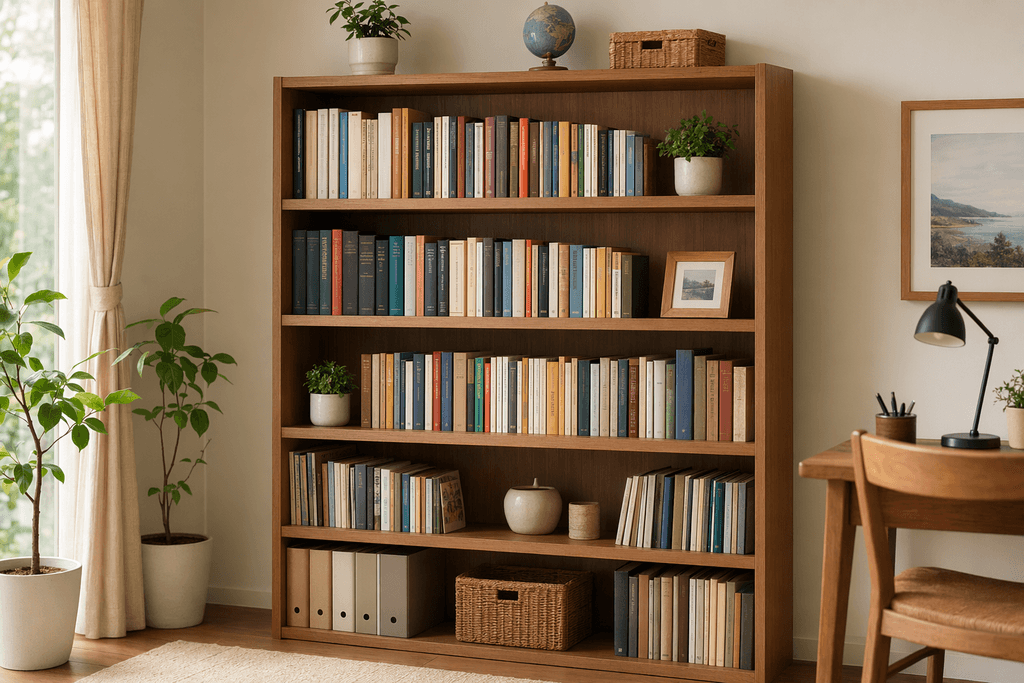
本棚
पुस्तक राख्ने दराज
本棚
पुस्तक राख्ने दराज
Explanation
本棚
पुस्तक राख्ने दराज
本棚
पुस्तक राख्ने र्याक / पुस्तक शेल्फ / पुस्तक अलमारी
( Base form )
( romanization )
( hiragana )
厚い
बाक्लो
厚い
बाक्लो
Explanation
厚い
बाक्लो
厚い
बाक्लो / भारी / दयालु

Word Forms
The basic and commonly used forms of this adjective.
Basic forms
| Form | Word form | Usage |
|---|---|---|
| Imperfective form (mizenkei) | Used in forms such as karou; mainly literary. | |
| Continuative form (renyokei) |
Alternative:
厚かっ
|
Used in forms such as kute and kunai. |
| Conclusive form (shushikei) | Ends a sentence. | |
| Attributive form (rentaikei) | Modifies a noun. | |
| Conditional form (kateikei) | Expresses a condition with kereba. | |
| Imperative form (meireikei) | Rarely used in modern Japanese. |
Common forms
終わる
सकिनु
終わる
सकिनु
Explanation
終わる
सकिनु
終わる
समाप्त हुनु / अन्त्य हुनु / पूरा हुनु

Word Forms
The basic and commonly used forms of this verb.
Basic forms
| Form | Word form | Usage |
|---|---|---|
| Imperfective form (mizenkei) |
Alternative:
終わろ
|
Connects to endings such as nai, reru, and seru. |
| Continuative form (renyokei) |
Alternative:
終わっ
|
Connects to endings such as masu, tai, and ta. |
| Conclusive form (shushikei) | Ends a sentence and serves as the dictionary form. | |
| Attributive form (rentaikei) | Modifies a noun. | |
| Conditional form (kateikei) | Combines with ba to express a condition. | |
| Imperative form (meireikei) | Expresses a command or instruction. |
Common forms
からい
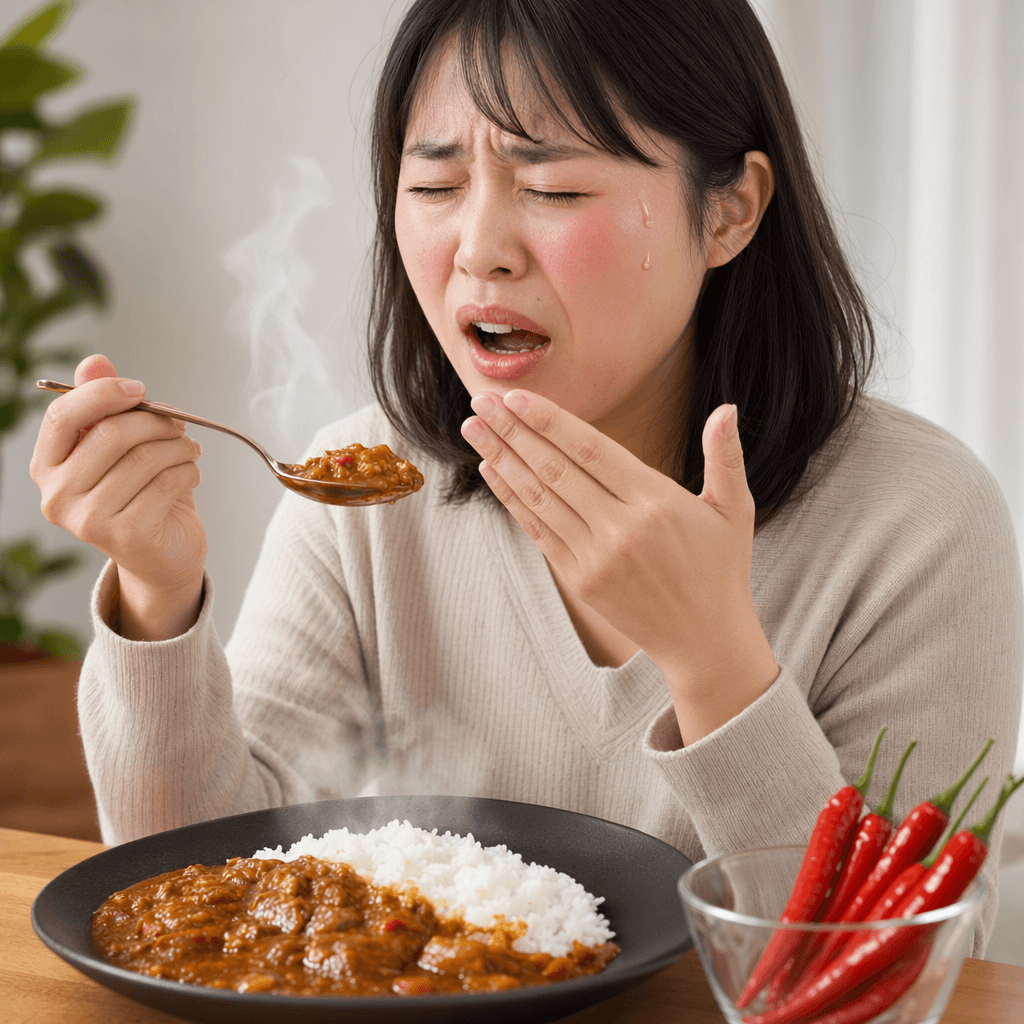
पिरो
からい
पिरो
Explanation
पिरो
からい
पिरो / नुनिलो / झट्किलो स्वाद
Word Forms
The basic and commonly used forms of this adjective.
Basic forms
| Form | Word form | Usage |
|---|---|---|
| Imperfective form (mizenkei) | Used in forms such as karou; mainly literary. | |
| Continuative form (renyokei) |
Alternative:
からかっ
|
Used in forms such as kute and kunai. |
| Conclusive form (shushikei) | Ends a sentence. | |
| Attributive form (rentaikei) | Modifies a noun. | |
| Conditional form (kateikei) | Expresses a condition with kereba. | |
| Imperative form (meireikei) | Rarely used in modern Japanese. |
Common forms
| Form | Word form | Usage |
|---|---|---|
| Te-form | Connects clauses with kute. | |
| Ta-form | Expresses the past with katta. | |
| Nai-form | Expresses negation with kunai. | |
| Ba-form | Expresses a condition with kereba. |
Notes
うるさい
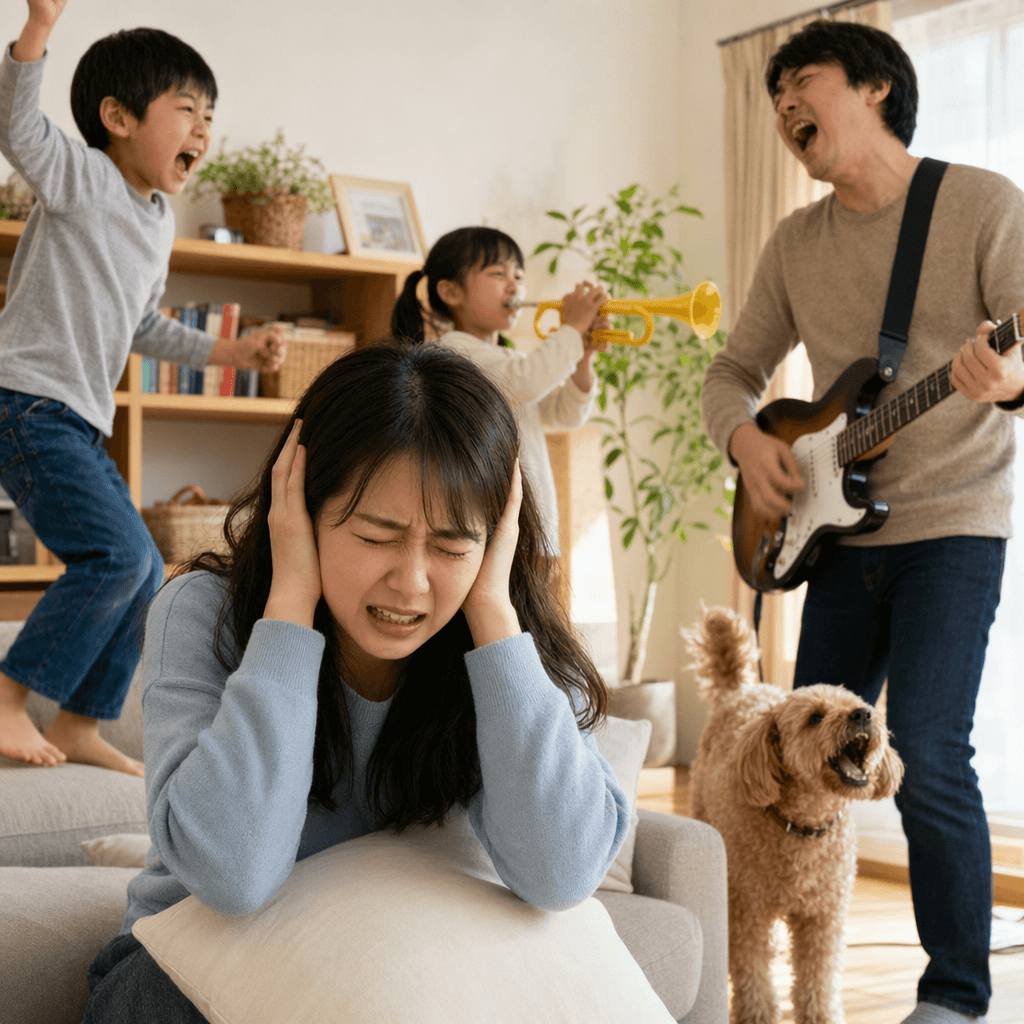
हल्लायुक्त / झर्कोलाग्दो
うるさい
हल्लायुक्त / झर्कोलाग्दो
Explanation
हल्लायुक्त / झर्कोलाग्दो
うるさい
शोरगुल भएको / ठूलो आवाज हुने / कोलाहलपूर्ण
Word Forms
The basic and commonly used forms of this adjective.
Basic forms
| Form | Word form | Usage |
|---|---|---|
| Imperfective form (mizenkei) | Used in forms such as karou; mainly literary. | |
| Continuative form (renyokei) |
Alternative:
うるさかっ
|
Used in forms such as kute and kunai. |
| Conclusive form (shushikei) | Ends a sentence. | |
| Attributive form (rentaikei) | Modifies a noun. | |
| Conditional form (kateikei) | Expresses a condition with kereba. | |
| Imperative form (meireikei) | Rarely used in modern Japanese. |
Common forms
| Form | Word form | Usage |
|---|---|---|
| Te-form | Connects clauses with kute. | |
| Ta-form | Expresses the past with katta. | |
| Nai-form | Expresses negation with kunai. | |
| Ba-form | Expresses a condition with kereba. |
Notes
勉強
पढाइ
勉強
पढाइ
Explanation
勉強
पढाइ
勉強
अध्ययन / लगनशीलता / छुट

( Base form )
( romanization )
( romanization )
( hiragana historical )
( hiragana )
どう
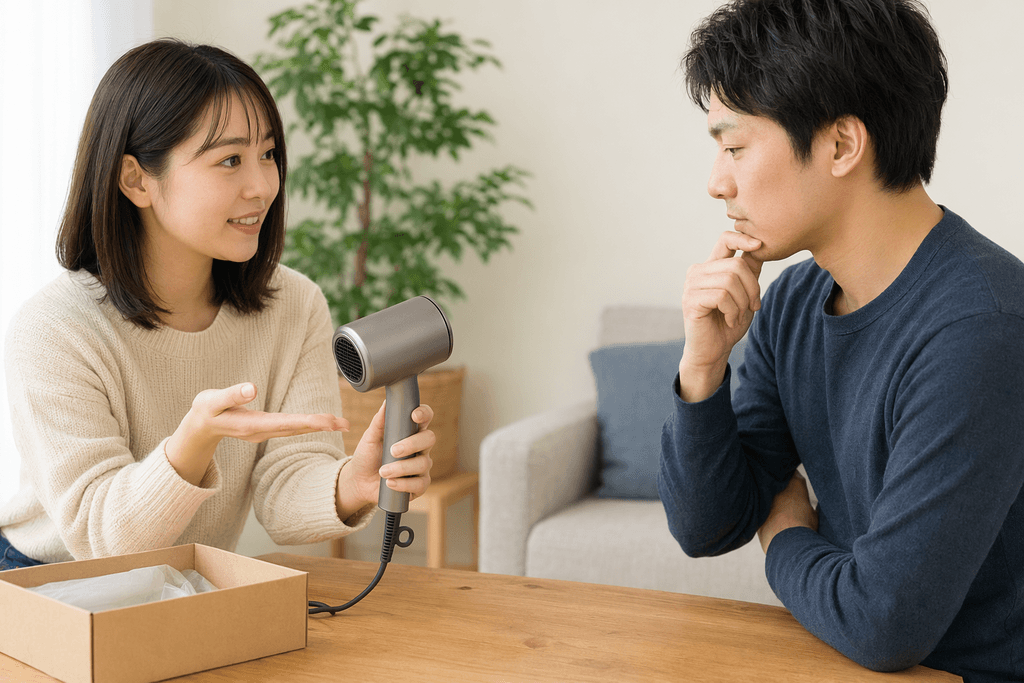
कसरी
どう
कसरी
Explanation
कसरी
どう
कसरी / कस्तो छ? / के लाग्छ?
( romanization )
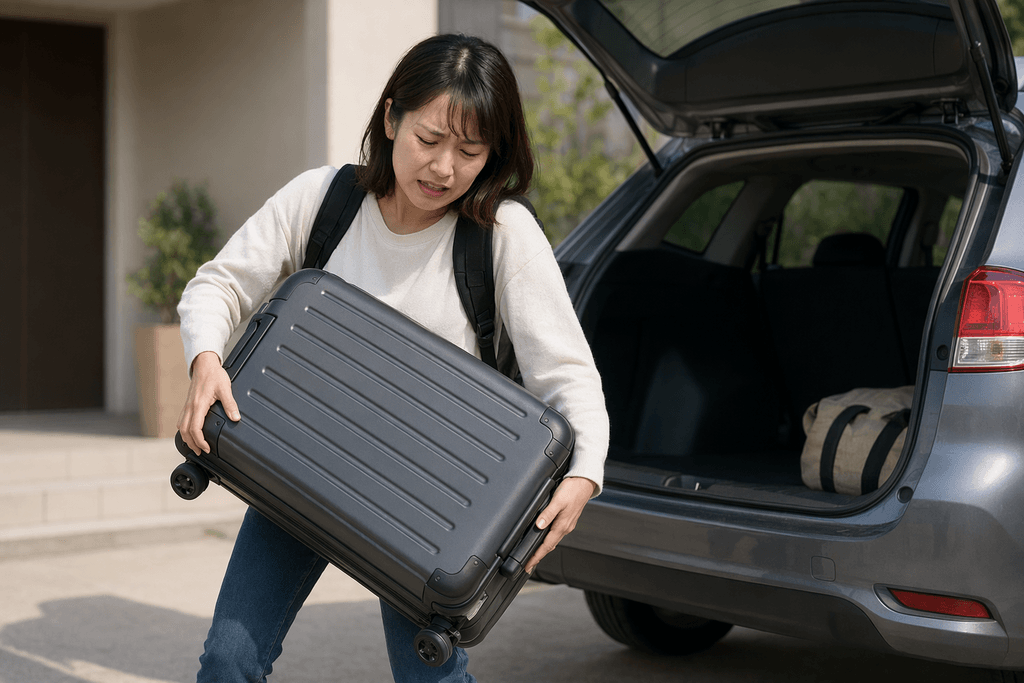
荷物
सामान
荷物
सामान
Explanation
荷物
सामान
荷物
यात्रामा बोक्ने सामान/लगेज / अनिच्छित बोझ
( Base form )
( romanization )
( hiragana )
ポケット
खल्ती
ポケット
खल्ती
Explanation
खल्ती
ポケット
खल्ती / लुगा वा ब्यागमा साना वस्तु राख्ने भाग

( romanization )
吸う
धूमपान गर्नु / सास भित्र लिनु
吸う
धूमपान गर्नु / सास भित्र लिनु
Explanation
吸う
धूमपान गर्नु / सास भित्र लिनु
吸う
सास भित्र तान्नु / धूम्रपान गर्नु / चुस्नु वा सोस्नु

Word Forms
The basic and commonly used forms of this verb.
Basic forms
| Form | Word form | Usage |
|---|---|---|
| Imperfective form (mizenkei) |
Alternative:
吸お
|
Connects to endings such as nai, reru, and seru. |
| Continuative form (renyokei) | Connects to endings such as masu, tai, and ta. | |
| Conclusive form (shushikei) | Ends a sentence and serves as the dictionary form. | |
| Attributive form (rentaikei) | Modifies a noun. | |
| Conditional form (kateikei) | Combines with ba to express a condition. | |
| Imperative form (meireikei) | Expresses a command or instruction. |
Common forms
Loading...

JLPT N5 多言語単語帳・665語 / JLPT N5 Multilingual Vocabulary: 665 Words

Jonathan Waller 氏の JLPT Resources の語彙リスト・レベル分類を出典とし、CC BY の条件に従って DiQt が初級向けに意味を作り直した665語の単語帳です。JLPT公式の語彙リストではありません。
This collection of 665 words is based on the vocabulary list and level classifications in Jonathan Waller’s JLPT Resources under CC BY, with meanings rewritten by DiQt for beginners. It is not an official JLPT vocabulary list.
Key Operations
Select the first quiz:
Ctrl + Enter
View Explanation:Ctrl + G
Close a feedback:Esc
When selecting a quiz
Answer:Enter
Select a choice:↓ or ↑
Reading out the question:Ctrl + K
View Hint: Ctrl + M
I don't know: Ctrl + Y



