
JLPT N5 शब्दार्थ अभ्यास - Unsolved

चार विकल्प भएका प्रश्नबाट JLPT N5 का 665 शब्दका अर्थ नेपालीमा सिक्नुहोस्।
-
आइतबार
-
हावा
-
कार
-
धेरै मानिस
-
पाइन्ट
-
स्टेसन
-
धेरै मन पर्नु
-
मन पर्नु
-
चहलपहल भएको
-
प्रयोग गर्नु
-
सापटी लिनु
-
दौडनु
- 五段活用カ行の動詞。未然形「咲こ」は意志・勧誘の助動詞「う」に接続する場合の形。
-
मोजा
-
बिरालो
-
रक्सी / जापानी चामलको रक्सी
-
पर्सि
-
बहिनी
-
पढाइ
-
हुलाक बाकस
-
कलम
-
नम्बर
-
पुग्नु
-
धकेल्नु / थिच्नु
-
भित्र राख्नु
-
कुकुर
-
पकाएको भात / खाना
-
पाउरोटी
-
खुल्नु
-
मर्नु
-
लिनु
来週
अर्को हप्ता
来週
अर्को हप्ता
Explanation
来週
अर्को हप्ता
来週
अर्को हप्ता / आउँदो हप्ता / आगामी साता

( Base form )
( romanization )
( romanization )
( hiragana historical )
( hiragana )
去年
पोहोर
去年
पोहोर
Explanation
去年
पोहोर
去年
गत वर्ष / अघिल्लो वर्ष

( romanization )
( hiragana )
大切
महत्त्वपूर्ण
大切
महत्त्वपूर्ण
Explanation
大切
महत्त्वपूर्ण
大切
महत्त्वपूर्ण / बहुमूल्य / प्रिय

Word Forms
The basic and commonly used forms of this adjectival noun.
Basic forms
| Form | Word form | Usage |
|---|---|---|
| Imperfective form (mizenkei) | Used in forms such as darou. | |
| Continuative form (renyokei) |
Alternative:
大切に
|
Used with de or ni. |
| Conclusive form (shushikei) | Ends a sentence with da. | |
| Attributive form (rentaikei) |
Alternative:
大切である
|
Modifies a noun with na. |
| Conditional form (kateikei) |
Alternative:
大切であれば
|
Expresses a condition with nara. |
| Imperative form (meireikei) | Used in formal expressions such as de are. |
Common forms
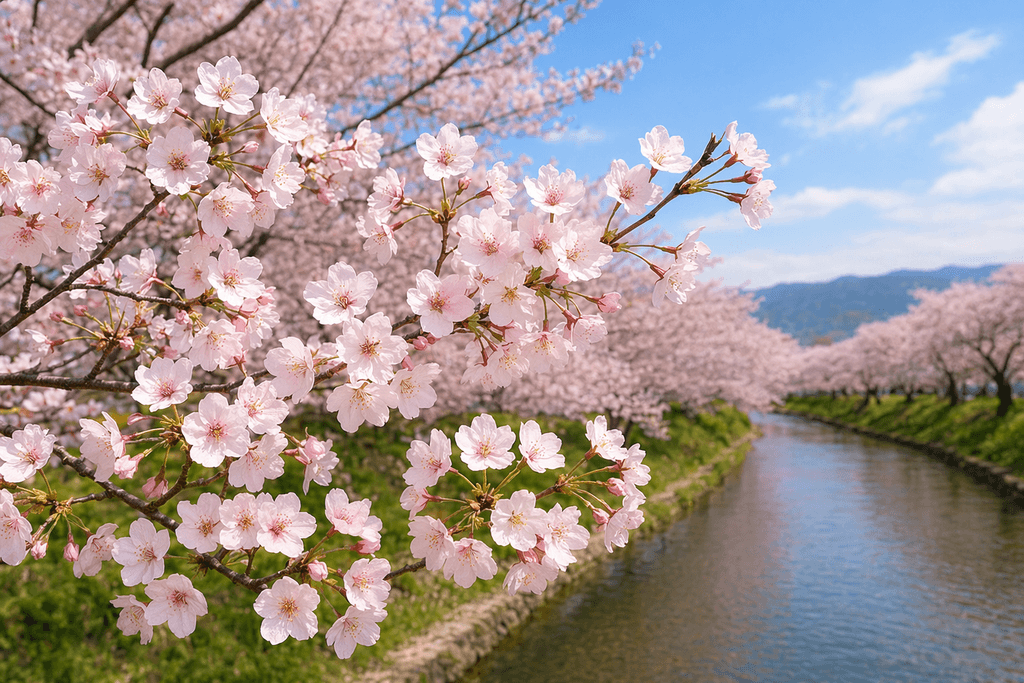
咲く
फुल्नु
咲く
फुल्नु
Explanation
咲く
फुल्नु
咲く
फूल फुल्नु / (काव्यात्मक) छालमा सेतो फेन उठ्नु
Word Forms
The basic and commonly used forms of this verb.
Basic forms
| Form | Word form | Usage |
|---|---|---|
| Imperfective form (mizenkei) |
Alternative:
咲こ
|
Connects to endings such as nai, reru, and seru. |
| Continuative form (renyokei) | Connects to endings such as masu, tai, and ta. | |
| Conclusive form (shushikei) | Ends a sentence and serves as the dictionary form. | |
| Attributive form (rentaikei) | Modifies a noun. | |
| Conditional form (kateikei) | Combines with ba to express a condition. | |
| Imperative form (meireikei) | Expresses a command or instruction. |
Common forms
| Form | Word form | Usage |
|---|---|---|
| Te-form | Connects clauses with te. | |
| Ta-form | Expresses the past with ta. | |
| Nai-form | Expresses negation with nai. | |
| Masu-form | Used for polite speech. | |
| Ba-form | Expresses a condition with ba. | |
| Volitional form | Expresses intention or invitation. |
Notes
キログラム
किलोग्राम
キログラム
किलोग्राम
Explanation
किलोग्राम
キログラム
द्रव्यमानको एसआई एकाइ; १००० ग्राम बराबर / एक किलो

( romanization )
電話
टेलिफोन
電話
टेलिफोन
Explanation
電話
टेलिफोन
電話
टेलिफोन / फोन कल

( Base form )
( romanization )
( hiragana )
秋
शरद ऋतु
秋
शरद ऋतु
Explanation
秋
शरद ऋतु
秋
शरद ऋतु / पतझड

貸す
सापटी दिनु
貸す
सापटी दिनु
Explanation
貸す
सापटी दिनु
貸す
उधार दिनु / ऋण दिनु / भाडामा दिनु

Word Forms
The basic and commonly used forms of this verb.
Basic forms
| Form | Word form | Usage |
|---|---|---|
| Imperfective form (mizenkei) |
Alternative:
貸そ
|
Connects to endings such as nai, reru, and seru. |
| Continuative form (renyokei) | Connects to endings such as masu, tai, and ta. | |
| Conclusive form (shushikei) | Ends a sentence and serves as the dictionary form. | |
| Attributive form (rentaikei) | Modifies a noun. | |
| Conditional form (kateikei) | Combines with ba to express a condition. | |
| Imperative form (meireikei) | Expresses a command or instruction. |
Common forms
宿題
गृहकार्य
宿題
गृहकार्य
Explanation
宿題
गृहकार्य
宿題
गृहकार्य / विद्यालयको गृहकार्य / घरमा गर्ने पढाइको काम

( Base form )
( romanization )
( hiragana )
吹く
फुक्नु
吹く
फुक्नु
Explanation
吹く
फुक्नु
吹く
हावा चल्नु; श्वास फुक्नु / सास फुक्ने वाद्य बजाउनु वा सिट्टी बजाउनु / धुवाँ, बाफ, पानी, ज्वाला आदि निस्किनु

Word Forms
The basic and commonly used forms of this verb.
Basic forms
| Form | Word form | Usage |
|---|---|---|
| Imperfective form (mizenkei) |
Alternative:
吹こ
|
Connects to endings such as nai, reru, and seru. |
| Continuative form (renyokei) | Connects to endings such as masu, tai, and ta. | |
| Conclusive form (shushikei) | Ends a sentence and serves as the dictionary form. | |
| Attributive form (rentaikei) | Modifies a noun. | |
| Conditional form (kateikei) | Combines with ba to express a condition. | |
| Imperative form (meireikei) | Expresses a command or instruction. |
Common forms
Loading...

JLPT N5 多言語単語帳・665語 / JLPT N5 Multilingual Vocabulary: 665 Words

Jonathan Waller 氏の JLPT Resources の語彙リスト・レベル分類を出典とし、CC BY の条件に従って DiQt が初級向けに意味を作り直した665語の単語帳です。JLPT公式の語彙リストではありません。
This collection of 665 words is based on the vocabulary list and level classifications in Jonathan Waller’s JLPT Resources under CC BY, with meanings rewritten by DiQt for beginners. It is not an official JLPT vocabulary list.
Key Operations
Select the first quiz:
Ctrl + Enter
View Explanation:Ctrl + G
Close a feedback:Esc
When selecting a quiz
Answer:Enter
Select a choice:↓ or ↑
Reading out the question:Ctrl + K
View Hint: Ctrl + M
I don't know: Ctrl + Y



