
JLPT N5 शब्दार्थ अभ्यास - Unsolved

चार विकल्प भएका प्रश्नबाट JLPT N5 का 665 शब्दका अर्थ नेपालीमा सिक्नुहोस्।
-
सात
-
पूर्वाह्न
-
आफू
-
नौ
-
छ
-
हजार
-
विभिन्न
-
सुन्दर / सफा
-
मन नपर्नु
-
पुरानो
-
चाहनु
-
ठूलो
-
रेडियो क्यासेट प्लेयर
-
टेप
-
खल्ती
-
महिला
-
मूलढोका
-
बादल लागेको मौसम
-
मोटो
-
टाढा
-
नराम्रो
- 漢字表記は「面白い」。
-
पूर्वाह्न
-
विदेशी विद्यार्थी
-
नुन
-
सुरुवात
-
सुर्ती / चुरोट
-
विद्यार्थी
-
व्यस्त
-
लामो
-
जाडो
- 見出し語は「遅い/晩い」に対応するイ形容詞。
- basic.meirei は現代語では稀な「おそかれ」を採用。
子供
बालक
子供
बालक
Explanation
子供
बालक
子供
बच्चा / बालक/बालिका / सानो उमेरको व्यक्ति

( Base form )
( romanization )
( counter )
( hiragana )
十
दस
十
दस
Explanation
十
दस
十
दस / दश / १०

( romanization )
( romanization )
( hiragana historical )
( hiragana )
立派
उत्कृष्ट
立派
उत्कृष्ट
Explanation
立派
उत्कृष्ट
立派
उत्कृष्ट/भव्य/शानदार / गरिमामय/सम्माननीय/प्रशंसनीय

Word Forms
The basic and commonly used forms of this adjectival noun.
Basic forms
| Form | Word form | Usage |
|---|---|---|
| Imperfective form (mizenkei) |
Alternative:
立派でしょ
|
Used in forms such as darou. |
| Continuative form (renyokei) |
Alternative:
立派に
|
Used with de or ni. |
| Conclusive form (shushikei) |
Alternative:
立派です
|
Ends a sentence with da. |
| Attributive form (rentaikei) |
Alternative:
立派なる
|
Modifies a noun with na. |
| Conditional form (kateikei) |
Alternative:
立派であれば
|
Expresses a condition with nara. |
| Imperative form (meireikei) | Used in formal expressions such as de are. |
Common forms
強い
बलियो
強い
बलियो
Explanation
強い
बलियो
強い
बलियो / शक्तिशाली / दृढ

Word Forms
The basic and commonly used forms of this adjective.
Basic forms
| Form | Word form | Usage |
|---|---|---|
| Imperfective form (mizenkei) | Used in forms such as karou; mainly literary. | |
| Continuative form (renyokei) |
Alternative:
強かっ
|
Used in forms such as kute and kunai. |
| Conclusive form (shushikei) | Ends a sentence. | |
| Attributive form (rentaikei) | Modifies a noun. | |
| Conditional form (kateikei) | Expresses a condition with kereba. | |
| Imperative form (meireikei) | Rarely used in modern Japanese. |
Common forms
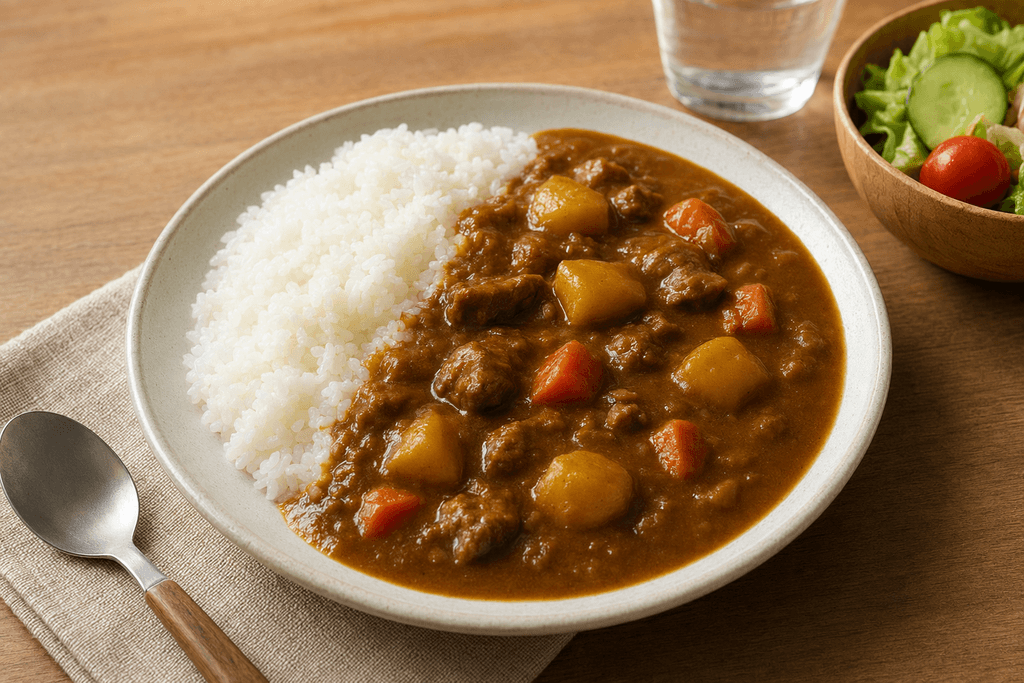
カレー
करी
カレー
करी
Explanation
करी
カレー
मसलेदार झोलमा पकाइएको तरकारी वा मासुको परिकार / जापानी शैलीको करी-भात
( romanization )
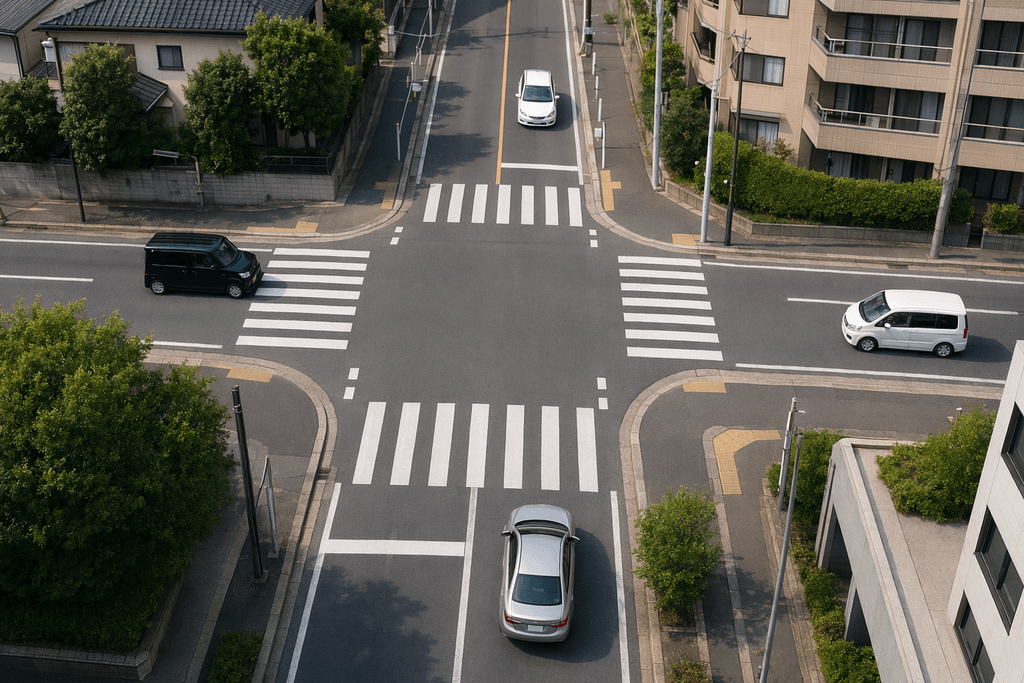
交差点
चोक
交差点
चोक
Explanation
交差点
चोक
交差点
चोक / चौराहा / सडकहरूको सङ्गम बिन्दु
( Base form )
( romanization )
( hiragana )
おもしろい
रोचक / हास्यास्पद
おもしろい
रोचक / हास्यास्पद
Explanation
रोचक / हास्यास्पद
おもしろい
रोचक / मनोरञ्जक / रमाइलो

Word Forms
The basic and commonly used forms of this adjective.
Basic forms
| Form | Word form | Usage |
|---|---|---|
| Imperfective form (mizenkei) |
Alternative:
面白かろ
|
Used in forms such as karou; mainly literary. |
| Continuative form (renyokei) |
Alternative:
面白く
|
Used in forms such as kute and kunai. |
| Conclusive form (shushikei) |
Alternative:
面白い
|
Ends a sentence. |
| Attributive form (rentaikei) |
Alternative:
面白い
|
Modifies a noun. |
| Conditional form (kateikei) |
Alternative:
面白けれ
|
Expresses a condition with kereba. |
| Imperative form (meireikei) |
Alternative:
面白かれ
|
Rarely used in modern Japanese. |
Common forms
| Form | Word form | Usage |
|---|---|---|
| Te-form |
Alternative:
面白くて
|
Connects clauses with kute. |
| Ta-form |
Alternative:
面白かった
|
Expresses the past with katta. |
| Nai-form |
Alternative:
面白くない
|
Expresses negation with kunai. |
| Ba-form |
Alternative:
面白ければ
|
Expresses a condition with kereba. |
Notes
晴れ
खुलेको मौसम
晴れ
खुलेको मौसम
Explanation
晴れ
खुलेको मौसम
晴れ
सफा मौसम / घाम लागेको मौसम

( Base form )
( romanization )
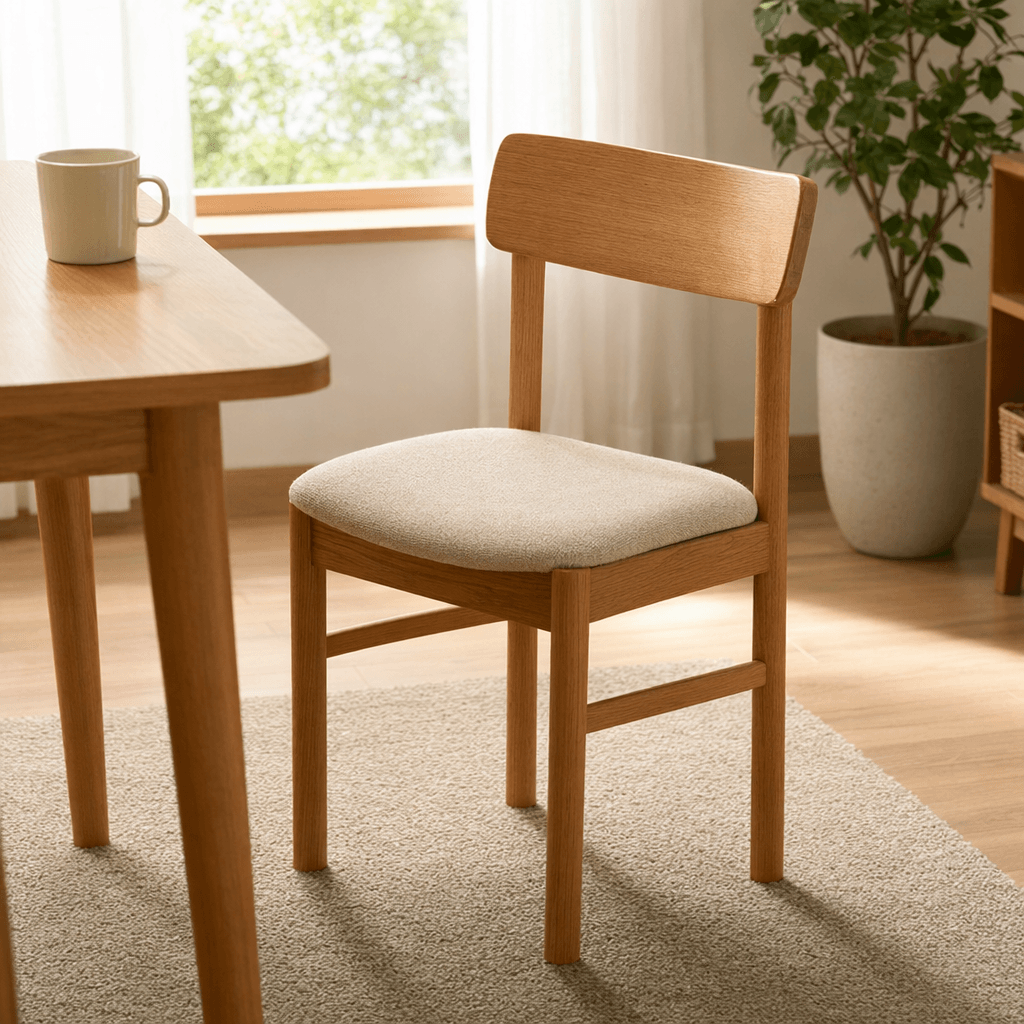
いす
कुर्सी
いす
कुर्सी
Explanation
कुर्सी
いす
कुर्सी / बस्ने फर्निचर
( romanization )
おそい
ढिलो / सुस्त
おそい
ढिलो / सुस्त
Explanation
ढिलो / सुस्त
おそい
ढिलो / मन्द / अबेर

Word Forms
The basic and commonly used forms of this adjective.
Basic forms
| Form | Word form | Usage |
|---|---|---|
| Imperfective form (mizenkei) | Used in forms such as karou; mainly literary. | |
| Continuative form (renyokei) |
Alternative:
おそかっ
|
Used in forms such as kute and kunai. |
| Conclusive form (shushikei) | Ends a sentence. | |
| Attributive form (rentaikei) | Modifies a noun. | |
| Conditional form (kateikei) | Expresses a condition with kereba. | |
| Imperative form (meireikei) | Rarely used in modern Japanese. |
Common forms
| Form | Word form | Usage |
|---|---|---|
| Te-form | Connects clauses with kute. | |
| Ta-form | Expresses the past with katta. | |
| Nai-form | Expresses negation with kunai. | |
| Ba-form | Expresses a condition with kereba. |
Notes
Loading...

JLPT N5 多言語単語帳・665語 / JLPT N5 Multilingual Vocabulary: 665 Words

Jonathan Waller 氏の JLPT Resources の語彙リスト・レベル分類を出典とし、CC BY の条件に従って DiQt が初級向けに意味を作り直した665語の単語帳です。JLPT公式の語彙リストではありません。
This collection of 665 words is based on the vocabulary list and level classifications in Jonathan Waller’s JLPT Resources under CC BY, with meanings rewritten by DiQt for beginners. It is not an official JLPT vocabulary list.
Key Operations
Select the first quiz:
Ctrl + Enter
View Explanation:Ctrl + G
Close a feedback:Esc
When selecting a quiz
Answer:Enter
Select a choice:↓ or ↑
Reading out the question:Ctrl + K
View Hint: Ctrl + M
I don't know: Ctrl + Y



