
JLPT N5 शब्दार्थ अभ्यास - Unsolved

चार विकल्प भएका प्रश्नबाट JLPT N5 का 665 शब्दका अर्थ नेपालीमा सिक्नुहोस्।
-
यो
-
कुन
-
त्यो
-
स्वेटर
-
चोक
-
बाहिर
-
धूमपान गर्नु / सास भित्र लिनु
-
किन्नु
-
रोकिनु
-
टहलाइ
-
समुद्र
-
आज राति
-
नगर
-
वर्ष
-
काँटा
-
आज
-
शरीर
-
नदी
-
आठ दिन / महिनाको आठ गते
-
खैरो
-
औपचारिक सर्ट
-
चाहिनु
-
बनाउनु
-
बन्द गर्नु
-
रातो
-
चाँडो
-
अग्लो / महँगो
-
अप्ठ्यारोमा पर्नु
-
बस्नु
-
हराउनु / निभ्नु
大きな
ठूलो
大きな
ठूलो
Explanation
大きな
ठूलो
大きな
ठूलो / विशाल / महत्त्वपूर्ण

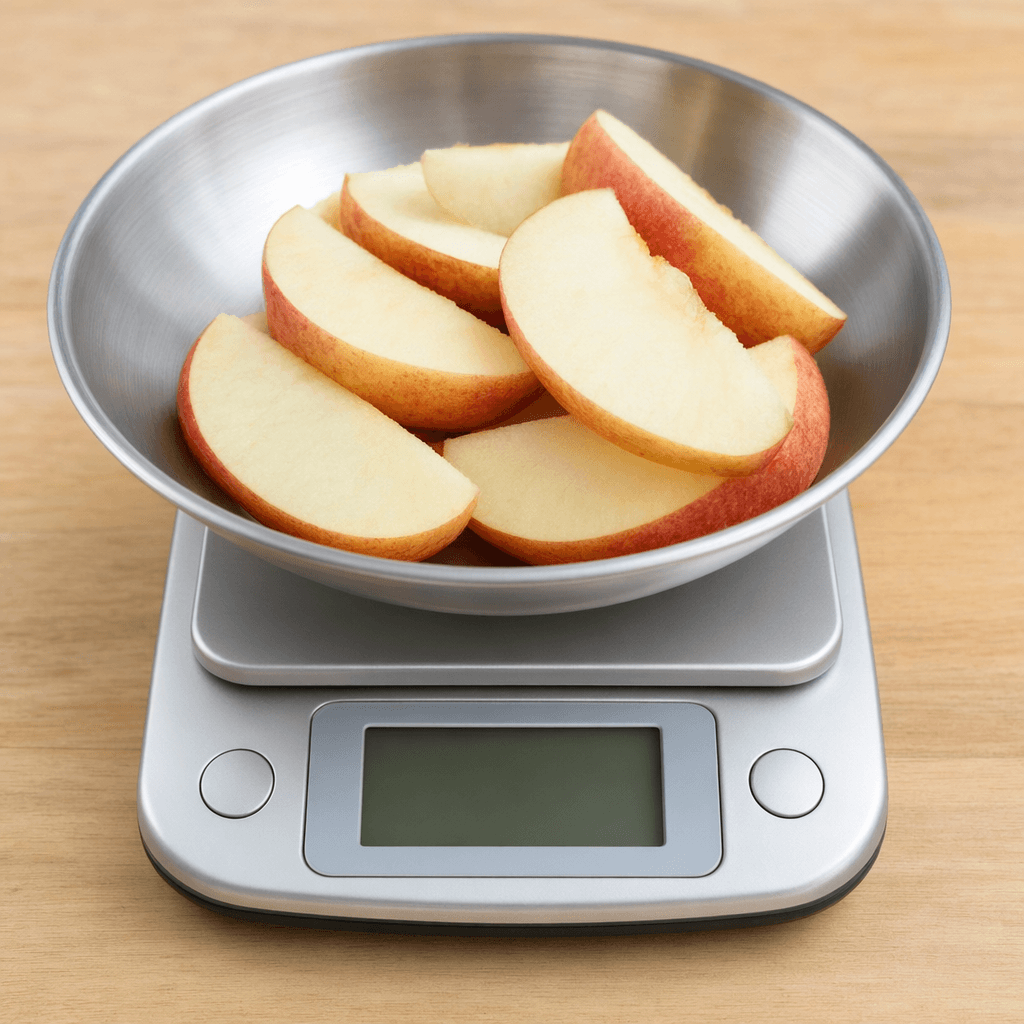
グラム
ग्राम
グラム
ग्राम
Explanation
ग्राम
グラム
द्रव्यमान/तौलको SI एकाइ / १ किलोग्रामको १/१००० भाग
( romanization )
入れる
भित्र राख्नु
入れる
भित्र राख्नु
Explanation
入れる
भित्र राख्नु
入れる
भित्र हाल्नु / समावेश गर्नु / खन्याउनु

Word Forms
The basic and commonly used forms of this verb.
Basic forms
| Form | Word form | Usage |
|---|---|---|
| Imperfective form (mizenkei) | Connects to endings such as nai, reru, and seru. | |
| Continuative form (renyokei) | Connects to endings such as masu, tai, and ta. | |
| Conclusive form (shushikei) | Ends a sentence and serves as the dictionary form. | |
| Attributive form (rentaikei) | Modifies a noun. | |
| Conditional form (kateikei) | Combines with ba to express a condition. | |
| Imperative form (meireikei) |
Alternative:
入れよ
|
Expresses a command or instruction. |
Common forms
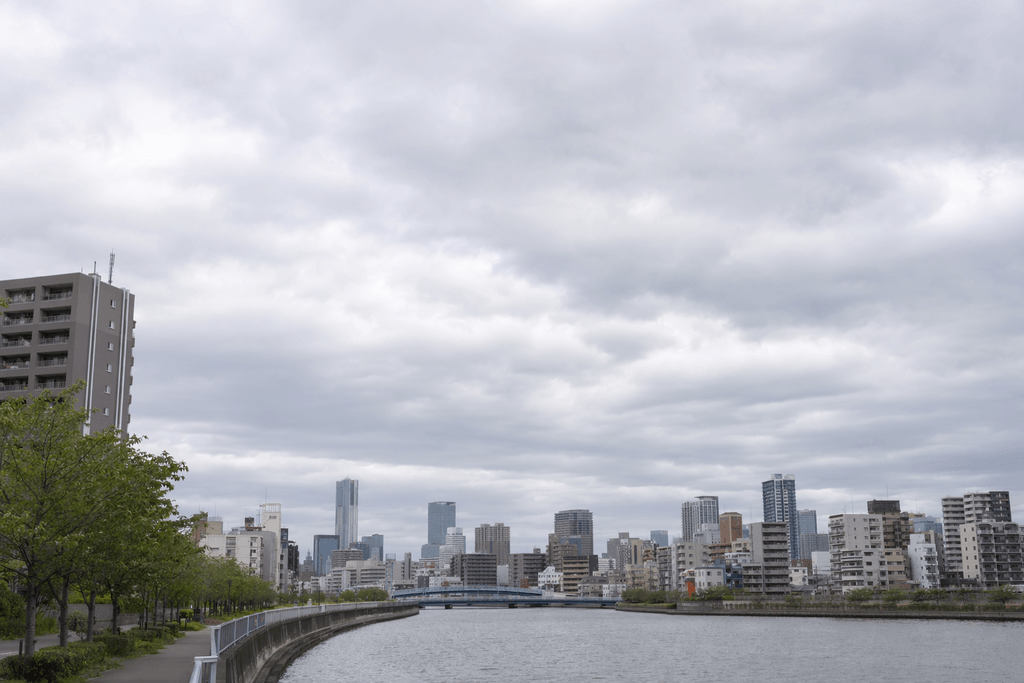
曇り
बादल लागेको मौसम
曇り
बादल लागेको मौसम
Explanation
曇り
बादल लागेको मौसम
曇り
बादल लाग्ने अवस्था / बादल छाएको मौसम / घने बादलले ढाकिएको आकाश
( Base form )
( romanization )
電気
बिजुली / बिजुली बत्ती
電気
बिजुली / बिजुली बत्ती
Explanation
電気
बिजुली / बिजुली बत्ती
電気
विद्युत / बत्ती

( Base form )
( romanization )
( kyūjitai )
( hiragana )
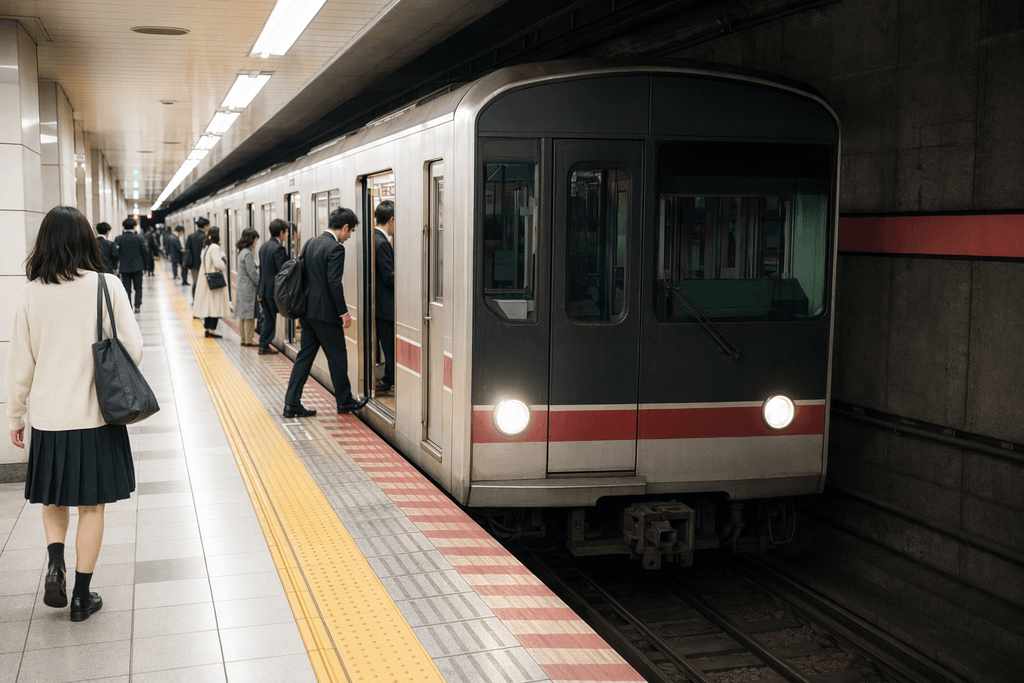
地下鉄
भूमिगत रेल
地下鉄
भूमिगत रेल
Explanation
地下鉄
भूमिगत रेल
地下鉄
भूमिगत रेल / मेट्रो / सहरको भूमिगत रेल
( Base form )
( romanization )
( kyūjitai )
( hiragana )
二人
दुई जना
二人
दुई जना
Explanation
二人
दुई जना
二人
दुई जना / जोडी / हामी दुई

( Base form )
( romanization )
( hiragana )
書く
लेख्नु
書く
लेख्नु
Explanation
書く
लेख्नु
書く
लेख्नु / लिखित रूपमा अभिव्यक्त गर्नु

Word Forms
The basic and commonly used forms of this verb.
Basic forms
| Form | Word form | Usage |
|---|---|---|
| Imperfective form (mizenkei) |
Alternative:
書こ
|
Connects to endings such as nai, reru, and seru. |
| Continuative form (renyokei) |
Alternative:
書い
|
Connects to endings such as masu, tai, and ta. |
| Conclusive form (shushikei) | Ends a sentence and serves as the dictionary form. | |
| Attributive form (rentaikei) | Modifies a noun. | |
| Conditional form (kateikei) | Combines with ba to express a condition. | |
| Imperative form (meireikei) | Expresses a command or instruction. |
Common forms
熱い
तातो
熱い
तातो
Explanation
熱い
तातो
熱い
तातो / छुँदा पोल्ने जस्तो तातिएको / उच्च तापमान भएको

Word Forms
The basic and commonly used forms of this adjective.
Basic forms
| Form | Word form | Usage |
|---|---|---|
| Imperfective form (mizenkei) | Used in forms such as karou; mainly literary. | |
| Continuative form (renyokei) |
Alternative:
熱かっ
|
Used in forms such as kute and kunai. |
| Conclusive form (shushikei) | Ends a sentence. | |
| Attributive form (rentaikei) | Modifies a noun. | |
| Conditional form (kateikei) | Expresses a condition with kereba. | |
| Imperative form (meireikei) | Rarely used in modern Japanese. |
Common forms
浴びる
शावरमा नुहाउनु
浴びる
शावरमा नुहाउनु
Explanation
浴びる
शावरमा नुहाउनु
浴びる
नुहर्नु / स्नान गर्नु / शावर लिनु

Word Forms
The basic and commonly used forms of this verb.
Basic forms
| Form | Word form | Usage |
|---|---|---|
| Imperfective form (mizenkei) | Connects to endings such as nai, reru, and seru. | |
| Continuative form (renyokei) | Connects to endings such as masu, tai, and ta. | |
| Conclusive form (shushikei) | Ends a sentence and serves as the dictionary form. | |
| Attributive form (rentaikei) | Modifies a noun. | |
| Conditional form (kateikei) | Combines with ba to express a condition. | |
| Imperative form (meireikei) |
Alternative:
浴びよ
|
Expresses a command or instruction. |
Common forms
Loading...

JLPT N5 多言語単語帳・665語 / JLPT N5 Multilingual Vocabulary: 665 Words

Jonathan Waller 氏の JLPT Resources の語彙リスト・レベル分類を出典とし、CC BY の条件に従って DiQt が初級向けに意味を作り直した665語の単語帳です。JLPT公式の語彙リストではありません。
This collection of 665 words is based on the vocabulary list and level classifications in Jonathan Waller’s JLPT Resources under CC BY, with meanings rewritten by DiQt for beginners. It is not an official JLPT vocabulary list.
Key Operations
Select the first quiz:
Ctrl + Enter
View Explanation:Ctrl + G
Close a feedback:Esc
When selecting a quiz
Answer:Enter
Select a choice:↓ or ↑
Reading out the question:Ctrl + K
View Hint: Ctrl + M
I don't know: Ctrl + Y



