
JLPT N5 शब्दार्थ अभ्यास - Unsolved

चार विकल्प भएका प्रश्नबाट JLPT N5 का 665 शब्दका अर्थ नेपालीमा सिक्नुहोस्।
-
शरीर
-
चरा
-
आफू
-
टेबल
-
शुक्रबार
-
पेट
-
हजार
-
छ
-
नौ
-
गाउनु
-
फरक हुनु / गलत हुनु
-
बाहिर जानु
- 「開く」は「あく」「ひらく」の読みがあり、いずれも五段活用・カ行。提示読み「あく」に基づく活用として扱う。
-
समय / घण्टा
-
पर्स
-
बिहीबार
-
खेल्नु
-
समुद्र
-
स्कर्ट
-
दाँत
-
काम
-
पेट
-
लुगा
-
चिठी
-
बुधबार
-
खतरनाक
-
गोलो
-
छिटो
-
कुना
-
चप्पल
-
खाना
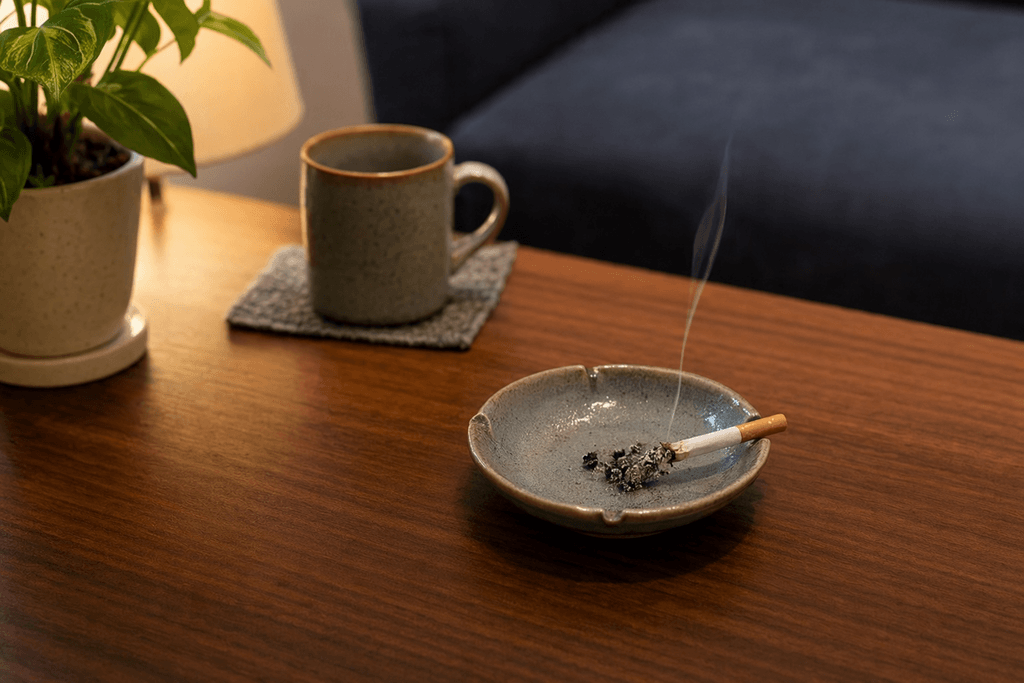
灰皿
खरानीदानी
灰皿
खरानीदानी
Explanation
灰皿
खरानीदानी
灰皿
सिगरेटको खरानी राख्ने भाँडो / धूमपानको खरानी र फोहोर राख्ने सानो पात्र
( Base form )
( romanization )
( romanization )
( hiragana historical )
( hiragana )
鳥
चरा
鳥
चरा
Explanation
鳥
चरा
鳥
चरा / पक्षी

( romanization )
( hiragana )
零
शून्य
零
शून्य
Explanation
零
शून्य
零
शून्य / ० / कुनै मात्रा नभएको संख्या

( romanization )
( hiragana )
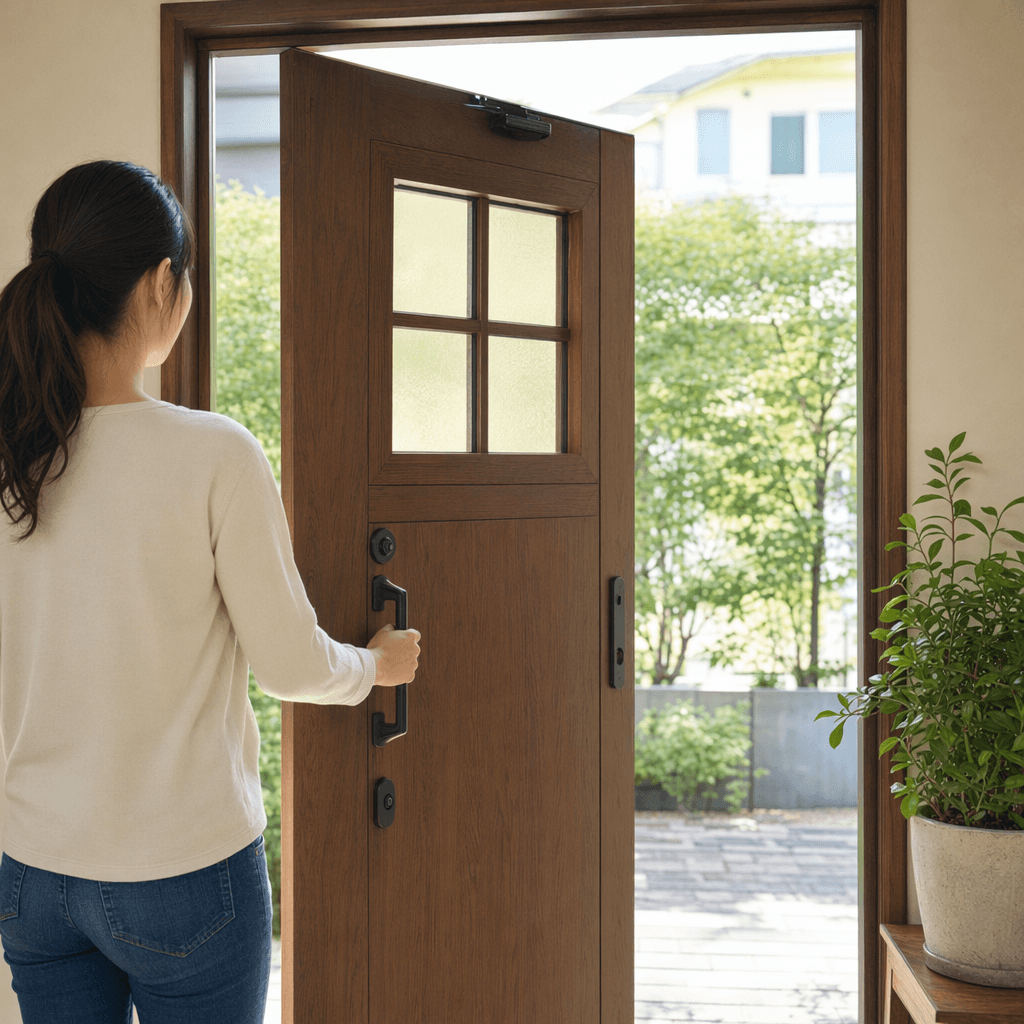
開く
खुल्नु
開く
खुल्नु
Explanation
開く
खुल्नु
開く
खुल्नु/खोल्नु; फिँजिनु/फैलिनु / (सभा/कार्यक्रम) आयोजना गर्नु; (पसल/व्यवसाय) खोल्नु/स्थापना गर्नु / (फूल) फुल्नु
Word Forms
The basic and commonly used forms of this verb.
Basic forms
| Form | Word form | Usage |
|---|---|---|
| Imperfective form (mizenkei) | Connects to endings such as nai, reru, and seru. | |
| Continuative form (renyokei) | Connects to endings such as masu, tai, and ta. | |
| Conclusive form (shushikei) | Ends a sentence and serves as the dictionary form. | |
| Attributive form (rentaikei) | Modifies a noun. | |
| Conditional form (kateikei) | Combines with ba to express a condition. | |
| Imperative form (meireikei) | Expresses a command or instruction. |
Common forms
| Form | Word form | Usage |
|---|---|---|
| Te-form | Connects clauses with te. | |
| Ta-form | Expresses the past with ta. | |
| Nai-form | Expresses negation with nai. | |
| Masu-form | Used for polite speech. | |
| Ba-form | Expresses a condition with ba. | |
| Volitional form | Expresses intention or invitation. |
Notes
洗濯
लुगा धुने काम
洗濯
लुगा धुने काम
Explanation
洗濯
लुगा धुने काम
洗濯
लुगाधुलाई / लुगा धुने काम / कपडा धुने प्रक्रिया

( Base form )
( romanization )
( romanization )
( hiragana )
半
आधा
半
आधा
Explanation
半
आधा
半
संख्यापछि आउने, ‘आधा’ (१/२) थपिएको अर्थ दिने प्रत्यय / एकाइ वा समयमा ‘... र आधा’ जनाउने

( romanization )
( hiragana )
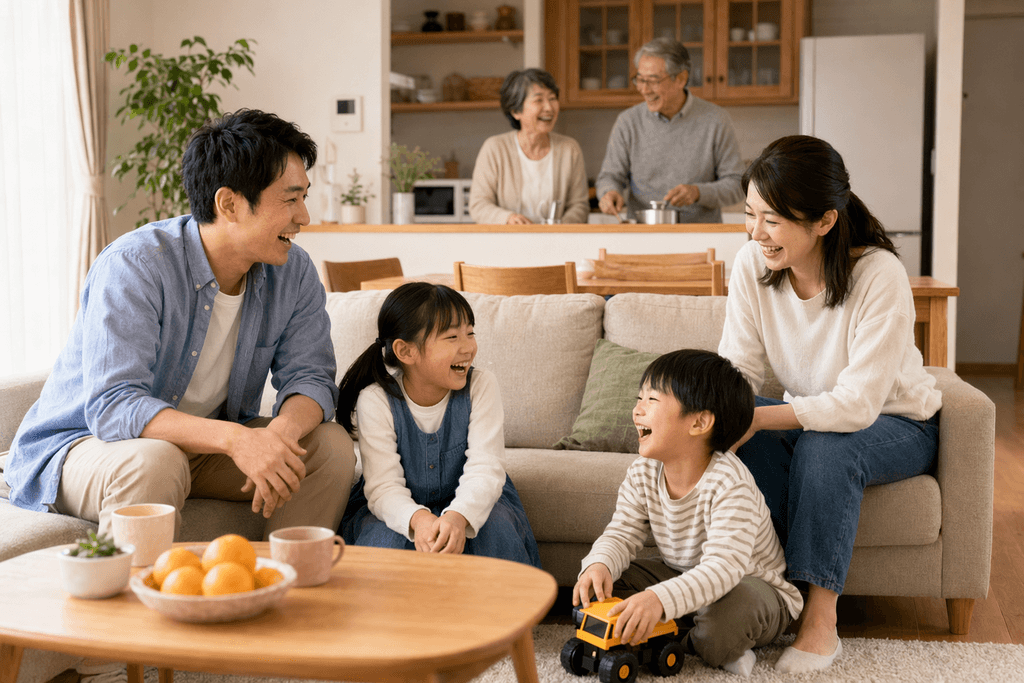
家庭
घरपरिवार
家庭
घरपरिवार
Explanation
家庭
घरपरिवार
家庭
परिवार / घरपरिवार / गृहस्थी
( Base form )
( romanization )
( hiragana )
上着
ज्याकेट
上着
ज्याकेट
Explanation
上着
ज्याकेट
上着
कोट / ज्याकेट / बाहिरी लुगा

( Base form )
( romanization )
( hiragana )
多い
धेरै
多い
धेरै
Explanation
多い
धेरै
多い
धेरै / थुप्रै / प्रचुर
Word Forms
The basic and commonly used forms of this adjective.
Basic forms
| Form | Word form | Usage |
|---|---|---|
| Imperfective form (mizenkei) | Used in forms such as karou; mainly literary. | |
| Continuative form (renyokei) |
Alternative:
多かっ
|
Used in forms such as kute and kunai. |
| Conclusive form (shushikei) | Ends a sentence. | |
| Attributive form (rentaikei) | Modifies a noun. | |
| Conditional form (kateikei) | Expresses a condition with kereba. | |
| Imperative form (meireikei) | Rarely used in modern Japanese. |
Common forms
ボタン
टाँक
ボタン
टाँक
Explanation
टाँक
ボタン
कपडामा बन्द गर्न लगाइने सानो टुक्रा / यन्त्र चलाउन थिच्ने स्विच

( romanization )
Loading...

JLPT N5 多言語単語帳・665語 / JLPT N5 Multilingual Vocabulary: 665 Words

Jonathan Waller 氏の JLPT Resources の語彙リスト・レベル分類を出典とし、CC BY の条件に従って DiQt が初級向けに意味を作り直した665語の単語帳です。JLPT公式の語彙リストではありません。
This collection of 665 words is based on the vocabulary list and level classifications in Jonathan Waller’s JLPT Resources under CC BY, with meanings rewritten by DiQt for beginners. It is not an official JLPT vocabulary list.
Key Operations
Select the first quiz:
Ctrl + Enter
View Explanation:Ctrl + G
Close a feedback:Esc
When selecting a quiz
Answer:Enter
Select a choice:↓ or ↑
Reading out the question:Ctrl + K
View Hint: Ctrl + M
I don't know: Ctrl + Y



