
JLPT N5 शब्दार्थ अभ्यास - Unsolved

चार विकल्प भएका प्रश्नबाट JLPT N5 का 665 शब्दका अर्थ नेपालीमा सिक्नुहोस्।
-
बगैँचा
-
सिसाकलम
-
चित्र
-
ढिलो / सुस्त
-
सानो
-
गर्मी
-
सिसाकलम
-
नौनी
-
अर्को हप्ता
-
बगैँचा
-
प्रवेश कक्ष
-
भवन
-
विभिन्न
-
प्रसिद्ध
-
महत्त्वपूर्ण
-
आउनु
-
बोल्नु
-
हुनु / आफूसँग हुनु
-
खुल्नु
-
बसोबास गर्नु
-
पर्खनु
-
हजुरबुबा / वृद्ध पुरुष
-
फाउन्टेन पेन
-
निबन्ध
-
आज बिहान
-
प्रवेशद्वार
-
अर्थ
-
जागिर गर्नु
-
पर्खनु
-
दाँत माझ्नु / चम्काउनु
- 五段活用(サ行)。
- この見出し語は「さす」と読む。「傘を差す」「酒を差す」「油を差す」などの用法。
- 「指す」は同音の別表記で、意味により使い分ける。
砂糖
चिनी
砂糖
चिनी
Explanation
砂糖
चिनी
砂糖
चिनी / मिठास दिन प्रयोग हुने खाद्य पदार्थ / ऊखु वा चुकन्दरबाट निकालिने चिनी

( Base form )
( romanization )
( romanization )
( hiragana historical )
( hiragana )
安い
सस्तो
安い
सस्तो
Explanation
安い
सस्तो
安い
सस्तो / कम मूल्यको / किफायती

Word Forms
The basic and commonly used forms of this adjective.
Basic forms
| Form | Word form | Usage |
|---|---|---|
| Imperfective form (mizenkei) | Used in forms such as karou; mainly literary. | |
| Continuative form (renyokei) |
Alternative:
安かっ
|
Used in forms such as kute and kunai. |
| Conclusive form (shushikei) | Ends a sentence. | |
| Attributive form (rentaikei) | Modifies a noun. | |
| Conditional form (kateikei) | Expresses a condition with kereba. | |
| Imperative form (meireikei) | Rarely used in modern Japanese. |
Common forms
人
व्यक्ति
人
व्यक्ति
Explanation
人
व्यक्ति
人
मानिस / मानव / व्यक्ति

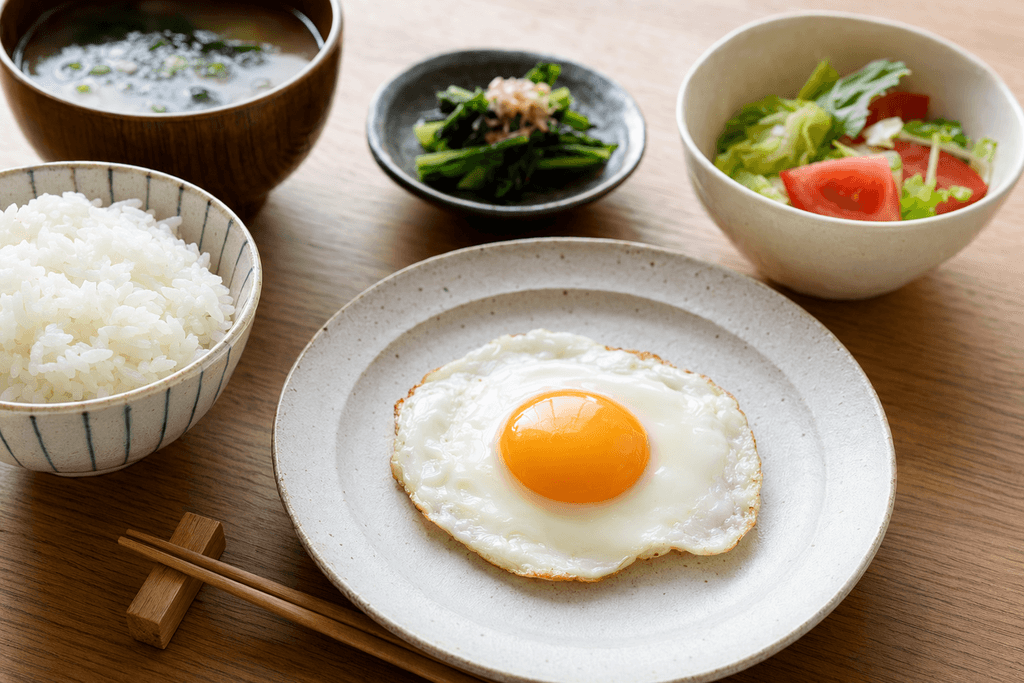
卵
अण्डा
卵
अण्डा
Explanation
卵
अण्डा
卵
अण्डा; डिम्ब / माछा आदिका अण्डाहरू / प्रत्यय: बन्ने/आकांक्षी व्यक्ति; प्रशिक्षार्थी
( romanization )
( hiragana )
静か
शान्त
静か
शान्त
Explanation
静か
शान्त
静か
शान्त / शान्तिपूर्ण / नीरव

Word Forms
The basic and commonly used forms of this adjectival noun.
Basic forms
| Form | Word form | Usage |
|---|---|---|
| Imperfective form (mizenkei) |
Alternative:
静かでしょ
|
Used in forms such as darou. |
| Continuative form (renyokei) |
Alternative:
静かに
|
Used with de or ni. |
| Conclusive form (shushikei) |
Alternative:
静かです
|
Ends a sentence with da. |
| Attributive form (rentaikei) |
Alternative:
静かなる
|
Modifies a noun with na. |
| Conditional form (kateikei) | Expresses a condition with nara. | |
| Imperative form (meireikei) | Used in formal expressions such as de are. |
Common forms
違う
फरक हुनु / गलत हुनु
違う
फरक हुनु / गलत हुनु
Explanation
違う
फरक हुनु / गलत हुनु
違う
फरक हुनु / भिन्न हुनु / गलत हुनु

Word Forms
The basic and commonly used forms of this verb.
Basic forms
| Form | Word form | Usage |
|---|---|---|
| Imperfective form (mizenkei) | Connects to endings such as nai, reru, and seru. | |
| Continuative form (renyokei) | Connects to endings such as masu, tai, and ta. | |
| Conclusive form (shushikei) | Ends a sentence and serves as the dictionary form. | |
| Attributive form (rentaikei) | Modifies a noun. | |
| Conditional form (kateikei) | Combines with ba to express a condition. | |
| Imperative form (meireikei) | Expresses a command or instruction. |
Common forms
消す
मेट्नु / बन्द गर्नु
消す
मेट्नु / बन्द गर्नु
Explanation
消す
मेट्नु / बन्द गर्नु
消す
बन्द गर्नु (बत्ती/उपकरण) / मेट्नु

Word Forms
The basic and commonly used forms of this verb.
Basic forms
| Form | Word form | Usage |
|---|---|---|
| Imperfective form (mizenkei) | Connects to endings such as nai, reru, and seru. | |
| Continuative form (renyokei) | Connects to endings such as masu, tai, and ta. | |
| Conclusive form (shushikei) | Ends a sentence and serves as the dictionary form. | |
| Attributive form (rentaikei) | Modifies a noun. | |
| Conditional form (kateikei) | Combines with ba to express a condition. | |
| Imperative form (meireikei) | Expresses a command or instruction. |
Common forms
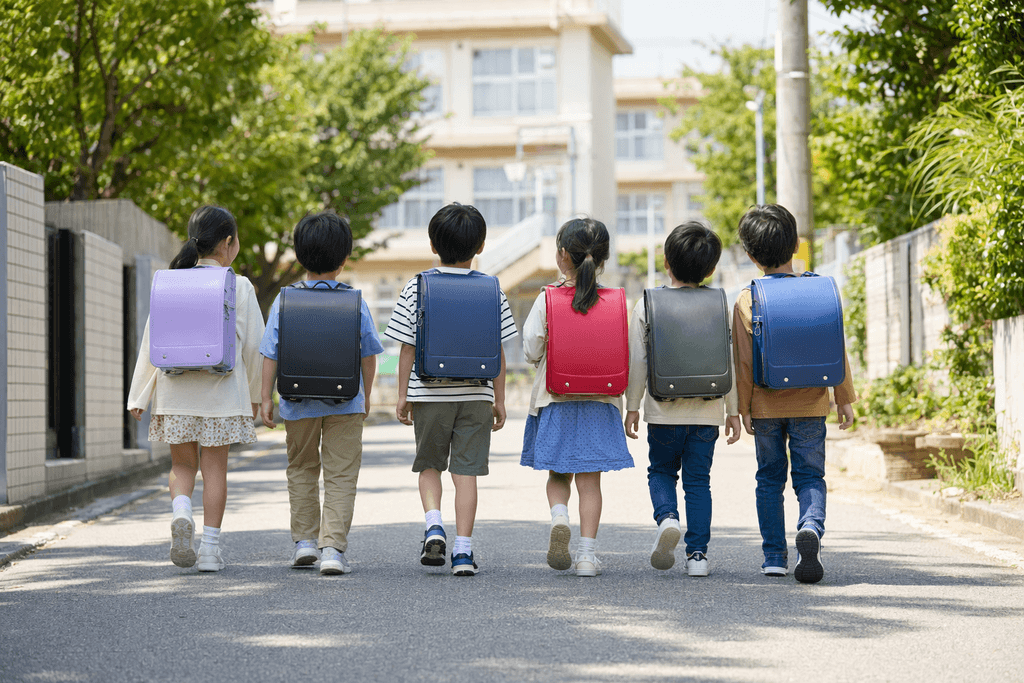
みんな
सबैजना
みんな
सबैजना
Explanation
सबैजना
みんな
सबै / सबै जना / सबै मानिसहरू
( romanization )
下
तल
下
तल
Explanation
下
तल
下
तल / मुनि / तल्लो भाग

差す
छाता ओढ्नु
差す
छाता ओढ्नु
Explanation
差す
छाता ओढ्नु
差す
छाता/पैरासोल उठाएर लगाउनु / (साके) मदिरा पस्किनु/पेश गर्नु / तरल पदार्थ खन्याउनु/थप्नु/लगाउनु

Word Forms
The basic and commonly used forms of this verb.
Basic forms
| Form | Word form | Usage |
|---|---|---|
| Imperfective form (mizenkei) |
Alternative:
差そ
|
Connects to endings such as nai, reru, and seru. |
| Continuative form (renyokei) | Connects to endings such as masu, tai, and ta. | |
| Conclusive form (shushikei) | Ends a sentence and serves as the dictionary form. | |
| Attributive form (rentaikei) | Modifies a noun. | |
| Conditional form (kateikei) | Combines with ba to express a condition. | |
| Imperative form (meireikei) | Expresses a command or instruction. |
Common forms
| Form | Word form | Usage |
|---|---|---|
| Te-form | Connects clauses with te. | |
| Ta-form | Expresses the past with ta. | |
| Nai-form | Expresses negation with nai. | |
| Masu-form | Used for polite speech. | |
| Ba-form | Expresses a condition with ba. | |
| Volitional form | Expresses intention or invitation. |
Notes
Loading...

JLPT N5 多言語単語帳・665語 / JLPT N5 Multilingual Vocabulary: 665 Words

Jonathan Waller 氏の JLPT Resources の語彙リスト・レベル分類を出典とし、CC BY の条件に従って DiQt が初級向けに意味を作り直した665語の単語帳です。JLPT公式の語彙リストではありません。
This collection of 665 words is based on the vocabulary list and level classifications in Jonathan Waller’s JLPT Resources under CC BY, with meanings rewritten by DiQt for beginners. It is not an official JLPT vocabulary list.
Key Operations
Select the first quiz:
Ctrl + Enter
View Explanation:Ctrl + G
Close a feedback:Esc
When selecting a quiz
Answer:Enter
Select a choice:↓ or ↑
Reading out the question:Ctrl + K
View Hint: Ctrl + M
I don't know: Ctrl + Y



