
JLPT N5 शब्दार्थ अभ्यास - Unsolved

चार विकल्प भएका प्रश्नबाट JLPT N5 का 665 शब्दका अर्थ नेपालीमा सिक्नुहोस्।
-
विदेश
-
पहाड
-
वर्षा
-
रेडियो
-
पछाडि
-
खरानीदानी
-
हात
-
टाँक
-
खाम
-
पोस्टकार्ड
-
व्यक्ति
-
विवाह
-
अपार्टमेन्ट
-
क्यान्डी
-
हवाईजहाज
-
छ दिन / महिनाको छ गते
-
फलफूल र तरकारी पसल
-
भोलि
-
काका / अधबैंसे पुरुष
-
आमाबुबा
-
आकाश
-
धूमपान गर्नु / सास भित्र लिनु
-
भन्नु
-
भित्र राख्नु
- 「帰る」は語尾が「る」でも一段活用ではなく五段活用です。
-
बिजुली / बिजुली बत्ती
-
भवन
-
शरीर
-
कति पैसा
-
निकै / पर्याप्त
-
पहिल्यै
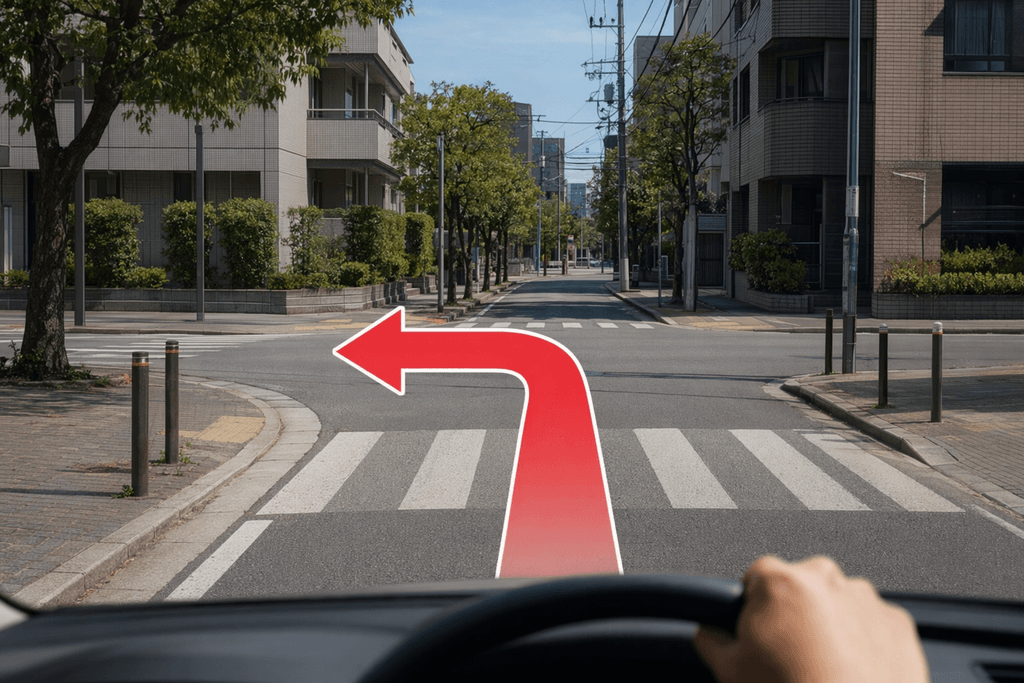
左
बायाँ
左
बायाँ
Explanation
左
बायाँ
左
बायाँ दिशा / बायाँ पक्ष / बायाँपट्टि
( romanization )
( hiragana )
トイレ
शौचालय
トイレ
शौचालय
Explanation
शौचालय
トイレ
शौचालय / प्रसाधन कक्ष / पाखाना

( romanization )
お皿
थाल
お皿
थाल
Explanation
お皿
थाल
お皿
थाल / प्लेट / चप्टो भाँडा

( romanization )
( hiragana )
ノート
कापी
ノート
कापी
Explanation
कापी
ノート
कापी / नोटपुस्तिका

( romanization )
先生
शिक्षक
先生
शिक्षक
Explanation
先生
शिक्षक
先生
शिक्षक वा प्रशिक्षक / (मार्शल आर्ट्स) गुरु / प्राध्यापक वा डाक्टर आदि पेशेवरलाई दिने आदरसूचक सम्बोधन

( Base form )
( romanization )
( hiragana )
服
लुगा
服
लुगा
Explanation
服
लुगा
服
लुगा / पोशाक / परिधान

( romanization )
( hiragana )
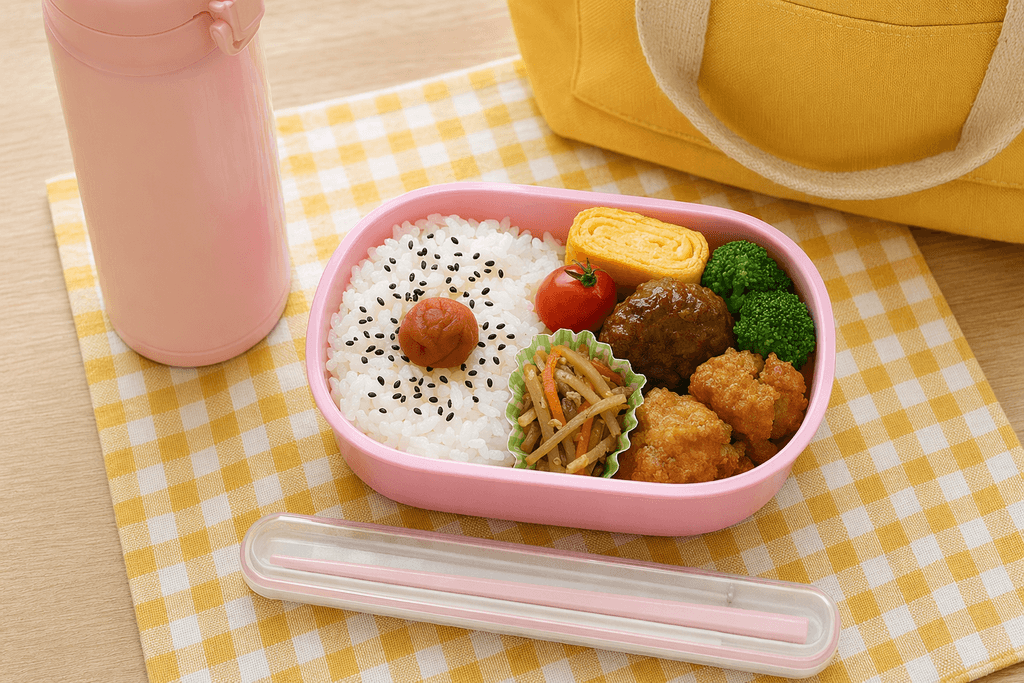
お弁当
खानाको बट्टा
お弁当
खानाको बट्टा
Explanation
お弁当
खानाको बट्टा
お弁当
डब्बामा राखिने तयार खाना / जापानी शैलीको लन्चबक्स भोजन / बोक्न मिल्ने एक छाक खाना
( Base form )
( romanization )
( hiragana )
帰る
घर फर्कनु
帰る
घर फर्कनु
Explanation
帰る
घर फर्कनु
帰る
फर्किनु / घर फर्किनु / पहिल्यैको ठाउँमा फर्किनु

Word Forms
The basic and commonly used forms of this verb.
Basic forms
| Form | Word form | Usage |
|---|---|---|
| Imperfective form (mizenkei) |
Alternative:
帰ろ
|
Connects to endings such as nai, reru, and seru. |
| Continuative form (renyokei) | Connects to endings such as masu, tai, and ta. | |
| Conclusive form (shushikei) | Ends a sentence and serves as the dictionary form. | |
| Attributive form (rentaikei) | Modifies a noun. | |
| Conditional form (kateikei) | Combines with ba to express a condition. | |
| Imperative form (meireikei) | Expresses a command or instruction. |
Common forms
| Form | Word form | Usage |
|---|---|---|
| Te-form | Connects clauses with te. | |
| Ta-form | Expresses the past with ta. | |
| Nai-form | Expresses negation with nai. | |
| Masu-form | Used for polite speech. | |
| Ba-form | Expresses a condition with ba. | |
| Volitional form | Expresses intention or invitation. |
Notes
話
कुराकानी / कथा
話
कुराकानी / कथा
Explanation
話
कुराकानी / कथा
話
वार्तालाप / कथा / विषय

( romanization )
( hiragana )
今
अहिले
今
अहिले
Explanation
今
अहिले
今
अहिले / अहिल्यै / हाल

( romanization )
( hiragana )
Loading...

JLPT N5 多言語単語帳・665語 / JLPT N5 Multilingual Vocabulary: 665 Words

Jonathan Waller 氏の JLPT Resources の語彙リスト・レベル分類を出典とし、CC BY の条件に従って DiQt が初級向けに意味を作り直した665語の単語帳です。JLPT公式の語彙リストではありません。
This collection of 665 words is based on the vocabulary list and level classifications in Jonathan Waller’s JLPT Resources under CC BY, with meanings rewritten by DiQt for beginners. It is not an official JLPT vocabulary list.
Key Operations
Select the first quiz:
Ctrl + Enter
View Explanation:Ctrl + G
Close a feedback:Esc
When selecting a quiz
Answer:Enter
Select a choice:↓ or ↑
Reading out the question:Ctrl + K
View Hint: Ctrl + M
I don't know: Ctrl + Y



