
JLPT N2 词义四选一 - Unsolved

通过四选一题目,用简体中文学习JLPT N2的1790个单词含义。
-
足够
-
重新审视 / 刮目相看
-
刺 / 蜇
-
冒失的
-
无价值的 / 无聊的
-
粗糙的
-
电池
-
户外
-
房东
-
迷信
-
降低
-
活跃表现
-
纯粹的
-
严格 / 严密
-
时髦的
- 「逆さな」「逆さの」の両方で連体修飾に用いられる。
-
算盘
-
白发
-
童话
-
标本
-
铜
-
塞子 / 阀门
-
强硬 / 蛮横
-
过程
-
生鱼片
-
内线电话
-
墨
-
箭头
-
行人往来
-
运费
-
厨师 / 阀门
立ち止まる
停下脚步
立ち止まる
停下脚步
Explanation
立ち止まる
停下脚步
立ち止まる
站住不动 / 停下脚步 / 驻足

Word Forms
The basic and commonly used forms of this verb.
Basic forms
| Form | Word form | Usage |
|---|---|---|
| Imperfective form (mizenkei) |
Alternative:
立ち止まろ
|
Connects to endings such as nai, reru, and seru. |
| Continuative form (renyokei) |
Alternative:
立ち止まっ
|
Connects to endings such as masu, tai, and ta. |
| Conclusive form (shushikei) | Ends a sentence and serves as the dictionary form. | |
| Attributive form (rentaikei) | Modifies a noun. | |
| Conditional form (kateikei) | Combines with ba to express a condition. | |
| Imperative form (meireikei) | Expresses a command or instruction. |
Common forms
憎い
可恨的
憎い
可恨的
Explanation
憎い
可恨的
憎い
可恨的 / 可憎的 / 令人厌恶的

Word Forms
The basic and commonly used forms of this adjective.
Basic forms
| Form | Word form | Usage |
|---|---|---|
| Imperfective form (mizenkei) | Used in forms such as karou; mainly literary. | |
| Continuative form (renyokei) |
Alternative:
憎かっ
|
Used in forms such as kute and kunai. |
| Conclusive form (shushikei) | Ends a sentence. | |
| Attributive form (rentaikei) | Modifies a noun. | |
| Conditional form (kateikei) | Expresses a condition with kereba. | |
| Imperative form (meireikei) | Rarely used in modern Japanese. |
Common forms
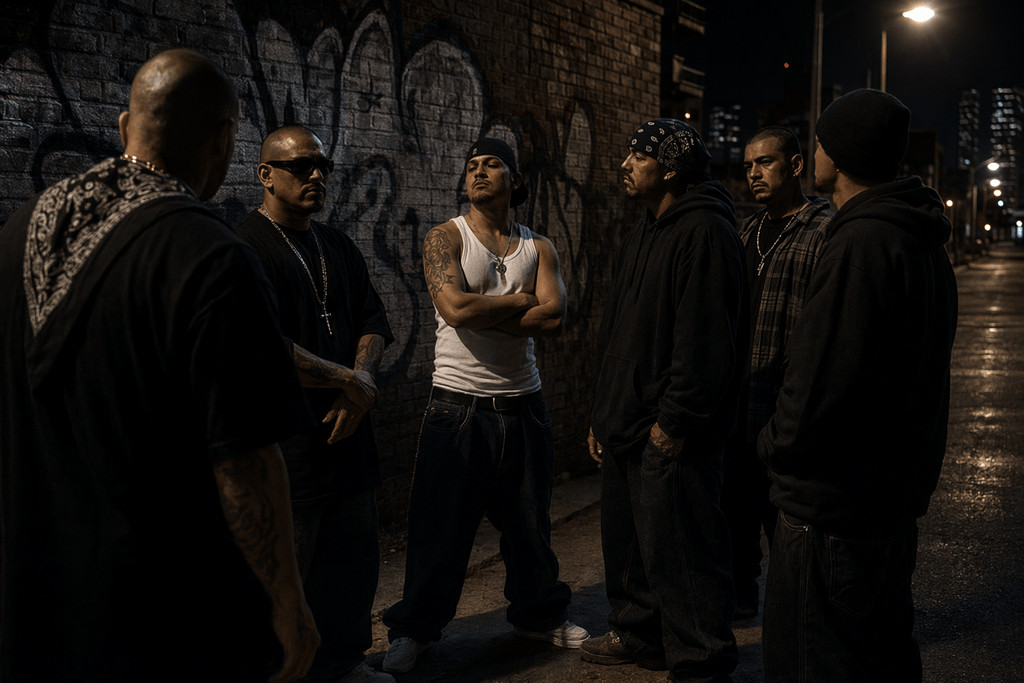
ギャング
黑帮
ギャング
黑帮
Explanation
黑帮
ギャング
黑帮 / 犯罪团伙
( romanization )
方言
方言
方言
方言
Explanation
方言
方言
方言
地区性的语言变体 / 地方话 / 地方用语;土语

( Base form )
( romanization )
( hiragana )
逆さ
倒置 / 前后颠倒
逆さ
倒置 / 前后颠倒
Explanation
逆さ
倒置 / 前后颠倒
逆さ
颠倒的 / 倒置的 / 反向的

Word Forms
The basic and commonly used forms of this adjectival noun.
Basic forms
| Form | Word form | Usage |
|---|---|---|
| Imperfective form (mizenkei) | Used in forms such as darou. | |
| Continuative form (renyokei) |
Alternative:
逆さに
逆さだっ
|
Used with de or ni. |
| Conclusive form (shushikei) | Ends a sentence with da. | |
| Attributive form (rentaikei) |
Alternative:
逆さの
|
Modifies a noun with na. |
| Conditional form (kateikei) | Expresses a condition with nara. | |
| Imperative form (meireikei) | Used in formal expressions such as de are. |
Common forms
| Form | Word form | Usage |
|---|---|---|
| Te-form equivalent | Connects clauses using de. | |
| Ta-form | Expresses the past with datta. | |
| Nai-form |
Alternative:
逆さじゃない
|
Expresses negation with dewa nai or ja nai. |
| Desu-form | Used for polite speech. |
Notes
短編
短篇作品
短編
短篇作品
Explanation
短編
短篇作品
短編
短篇小说 / 短篇文学作品

( Base form )
( romanization )
( hiragana )
税関
海关
税関
海关
Explanation
税関
海关
税関
海关 / 海关机构 / 海关大楼

( Base form )
( romanization )
( romanization )
( hiragana historical )
( hiragana )
災難
灾难 / 灾祸
災難
灾难 / 灾祸
Explanation
災難
灾难 / 灾祸
災難
造成严重破坏与损失的不幸事件或灾害 / 突发的祸患;厄运

( Base form )
( romanization )
( hiragana )
枕
枕头
枕
枕头
Explanation
枕
枕头
枕
枕头 / 支撑头部的垫子

( romanization )
重点
重点 / 侧重点
重点
重点 / 侧重点
Explanation
重点
重点 / 侧重点
重点
要点 / 关键点 / 重要之处

( Base form )
( romanization )
( kyūjitai )
( hiragana )
Loading...

JLPT N2 多言語単語帳・1790語 / JLPT N2 Multilingual Vocabulary: 1790 Words

Jonathan Waller 氏の JLPT Resources の語彙リスト・レベル分類を出典とし、CC BY の条件に従って DiQt が学習者向けに意味を作り直した1790語の単語帳です。JLPT公式の語彙リストではありません。
This collection of 1790 words is based on the vocabulary list and level classifications in Jonathan Waller’s JLPT Resources under CC BY, with meanings rewritten by DiQt for learners. It is not an official JLPT vocabulary list.
Key Operations
Select the first quiz:
Ctrl + Enter
View Explanation:Ctrl + G
Close a feedback:Esc
When selecting a quiz
Answer:Enter
Select a choice:↓ or ↑
Reading out the question:Ctrl + K
View Hint: Ctrl + M
I don't know: Ctrl + Y



