
JLPT N2 词义四选一 - Unsolved

通过四选一题目,用简体中文学习JLPT N2的1790个单词含义。
-
迈向
-
后悔 / 哀悼
-
负责
-
当地特产
-
全部过一遍 / 大致地
-
烧伤
-
父母的哥哥
-
一流
-
报告 / 论文
-
由于
-
融入 / 溶入
-
驯服
-
专制
-
温泉
-
说话快
-
书籍
-
疏忽大意
-
行人往来
-
打开 / 点燃
-
干炒
-
表示厌恶
- ワア行五段活用。未然形「占お」は意志形「占おう」などで用いる。
-
免费 / 不受限制
-
省事的 / 轻率的
-
无数
-
相扑
-
统计
-
政府机关
-
擦身而过 / 意见不合
-
让开
-
妨碍 / 阻止
預かる
保管
預かる
保管
Explanation
預かる
保管
預かる
代为保管 / 受托管理 / 照看

Word Forms
The basic and commonly used forms of this verb.
Basic forms
| Form | Word form | Usage |
|---|---|---|
| Imperfective form (mizenkei) |
Alternative:
預かろ
|
Connects to endings such as nai, reru, and seru. |
| Continuative form (renyokei) |
Alternative:
預かっ
|
Connects to endings such as masu, tai, and ta. |
| Conclusive form (shushikei) | Ends a sentence and serves as the dictionary form. | |
| Attributive form (rentaikei) | Modifies a noun. | |
| Conditional form (kateikei) | Combines with ba to express a condition. | |
| Imperative form (meireikei) | Expresses a command or instruction. |
Common forms
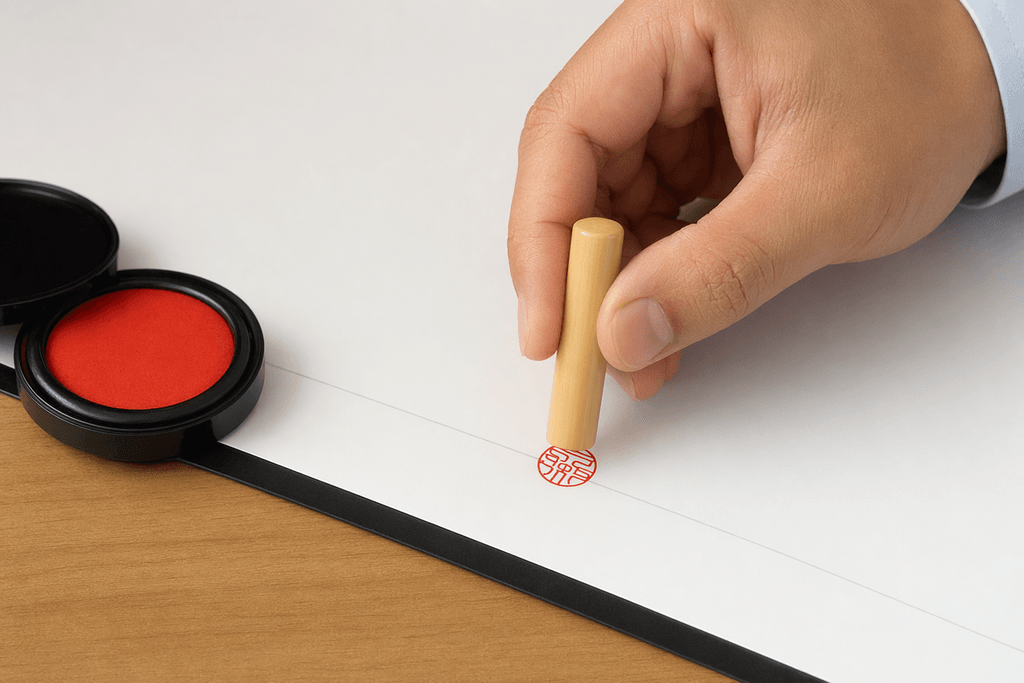
判子
印章
判子
印章
Explanation
判子
印章
判子
用于签名或认证的印章 / 盖章用的图章 / 私章
( Base form )
( romanization )
( hiragana )
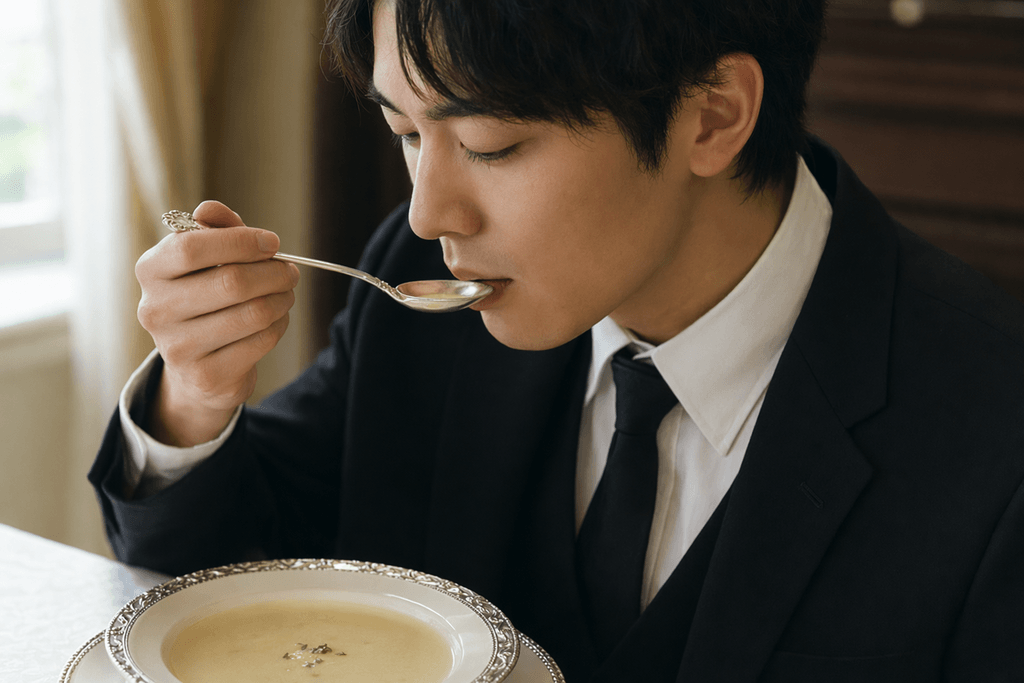
匙
勺子
匙
勺子
Explanation
匙
勺子
匙
勺子;匙(用于盛食物) / 药匙(配制药物用的勺) / (引申)医药或医生
( romanization )
( hiragana )
受け持つ
负责
受け持つ
负责
Explanation
受け持つ
负责
受け持つ
负责 / 担任 / 主管

Word Forms
The basic and commonly used forms of this verb.
Basic forms
| Form | Word form | Usage |
|---|---|---|
| Imperfective form (mizenkei) |
Alternative:
受け持と
|
Connects to endings such as nai, reru, and seru. |
| Continuative form (renyokei) | Connects to endings such as masu, tai, and ta. | |
| Conclusive form (shushikei) | Ends a sentence and serves as the dictionary form. | |
| Attributive form (rentaikei) | Modifies a noun. | |
| Conditional form (kateikei) | Combines with ba to express a condition. | |
| Imperative form (meireikei) | Expresses a command or instruction. |
Common forms
園芸
园艺
園芸
园艺
Explanation
園芸
园艺
園芸
园艺(花卉、果蔬等的栽培与管理) / 园艺学 / 园林园圃的种植与养护

( Base form )
( romanization )
( kyūjitai )
( hiragana )
句読点
标点符号
句読点
标点符号
Explanation
句読点
标点符号
句読点
标点符号 / 句号与逗号(在日语中常指这两种)

( Base form )
( romanization )
( kyūjitai )
( hiragana )
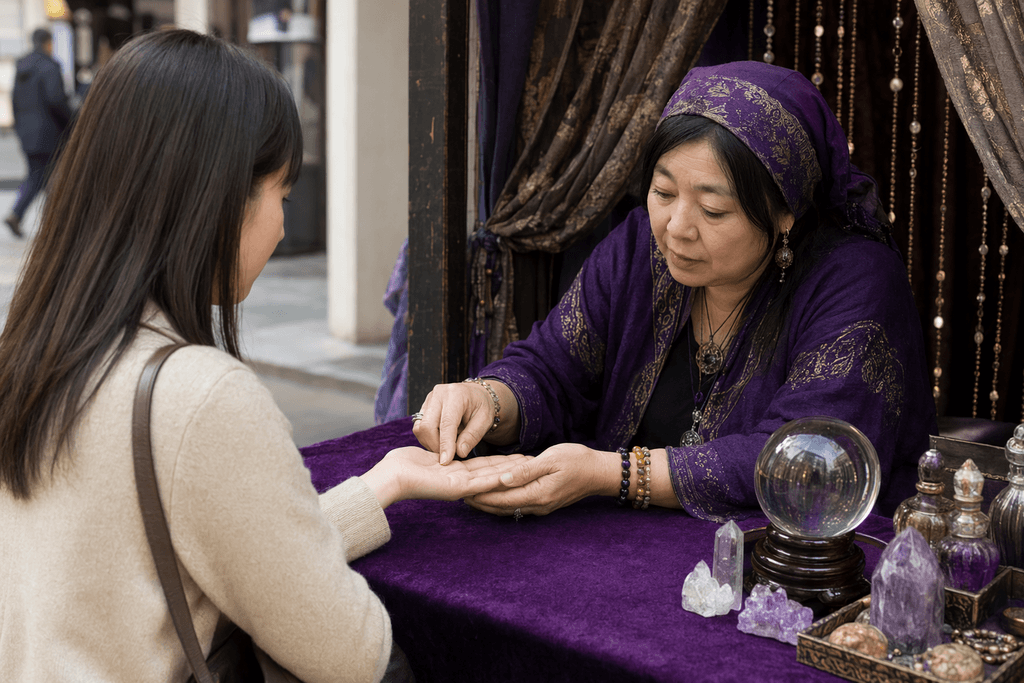
占う
占卜
占う
占卜
Explanation
占う
占卜
占う
占卜;算命 / 预言未来;推测吉凶 / 用卜筮等判断成败祸福
Word Forms
The basic and commonly used forms of this verb.
Basic forms
| Form | Word form | Usage |
|---|---|---|
| Imperfective form (mizenkei) |
Alternative:
占お
|
Connects to endings such as nai, reru, and seru. |
| Continuative form (renyokei) | Connects to endings such as masu, tai, and ta. | |
| Conclusive form (shushikei) | Ends a sentence and serves as the dictionary form. | |
| Attributive form (rentaikei) | Modifies a noun. | |
| Conditional form (kateikei) | Combines with ba to express a condition. | |
| Imperative form (meireikei) | Expresses a command or instruction. |
Common forms
| Form | Word form | Usage |
|---|---|---|
| Te-form | Connects clauses with te. | |
| Ta-form | Expresses the past with ta. | |
| Nai-form | Expresses negation with nai. | |
| Masu-form | Used for polite speech. | |
| Ba-form | Expresses a condition with ba. | |
| Volitional form | Expresses intention or invitation. |
Notes
派手
花哨的
派手
花哨的
Explanation
派手
花哨的
派手
花哨 / 浮华 / 艳俗

Word Forms
The basic and commonly used forms of this adjectival noun.
Basic forms
| Form | Word form | Usage |
|---|---|---|
| Imperfective form (mizenkei) | Used in forms such as darou. | |
| Continuative form (renyokei) |
Alternative:
派手に
|
Used with de or ni. |
| Conclusive form (shushikei) | Ends a sentence with da. | |
| Attributive form (rentaikei) | Modifies a noun with na. | |
| Conditional form (kateikei) | Expresses a condition with nara. | |
| Imperative form (meireikei) | Used in formal expressions such as de are. |
Common forms
工員
工厂工人
工員
工厂工人
Explanation
工員
工厂工人
工員
工厂工人 / 车间工人 / 工业生产线工作人员

( Base form )
( romanization )
( hiragana )
腰掛ける
坐下
腰掛ける
坐下
Explanation
腰掛ける
坐下
腰掛ける
坐下 / 稍坐 / 落座

Word Forms
The basic and commonly used forms of this verb.
Basic forms
| Form | Word form | Usage |
|---|---|---|
| Imperfective form (mizenkei) |
Alternative:
腰かけ
|
Connects to endings such as nai, reru, and seru. |
| Continuative form (renyokei) |
Alternative:
腰かけ
|
Connects to endings such as masu, tai, and ta. |
| Conclusive form (shushikei) |
Alternative:
腰かける
|
Ends a sentence and serves as the dictionary form. |
| Attributive form (rentaikei) |
Alternative:
腰かける
|
Modifies a noun. |
| Conditional form (kateikei) |
Alternative:
腰かけれ
|
Combines with ba to express a condition. |
| Imperative form (meireikei) |
Alternative:
腰掛けよ
腰かけろ
腰かけよ
|
Expresses a command or instruction. |
Common forms
| Form | Word form | Usage |
|---|---|---|
| Te-form |
Alternative:
腰かけて
|
Connects clauses with te. |
| Ta-form |
Alternative:
腰かけた
|
Expresses the past with ta. |
| Nai-form |
Alternative:
腰かけない
|
Expresses negation with nai. |
| Masu-form |
Alternative:
腰かけます
|
Used for polite speech. |
| Ba-form |
Alternative:
腰かければ
|
Expresses a condition with ba. |
| Volitional form |
Alternative:
腰かけよう
|
Expresses intention or invitation. |
Loading...

JLPT N2 多言語単語帳・1790語 / JLPT N2 Multilingual Vocabulary: 1790 Words

Jonathan Waller 氏の JLPT Resources の語彙リスト・レベル分類を出典とし、CC BY の条件に従って DiQt が学習者向けに意味を作り直した1790語の単語帳です。JLPT公式の語彙リストではありません。
This collection of 1790 words is based on the vocabulary list and level classifications in Jonathan Waller’s JLPT Resources under CC BY, with meanings rewritten by DiQt for learners. It is not an official JLPT vocabulary list.
Key Operations
Select the first quiz:
Ctrl + Enter
View Explanation:Ctrl + G
Close a feedback:Esc
When selecting a quiz
Answer:Enter
Select a choice:↓ or ↑
Reading out the question:Ctrl + K
View Hint: Ctrl + M
I don't know: Ctrl + Y



