
JLPT N4: Latihan arti kata - Unsolved

Pelajari arti 631 kata JLPT N4 dalam bahasa Indonesia melalui soal dengan empat pilihan jawaban.
-
huruf
-
pengulangan pelajaran
-
tempat acara
-
museum seni
-
kebebasan
-
pencuri
-
dua minggu lagi
-
negara Barat
-
kebakaran
-
udara / suasana
-
hadiah
-
dua minggu lagi
-
terlihat
-
menempel
-
menjatuhkan
-
menjatuhkan
-
menerima / makan
-
mempertimbangkan
- 見出し語「滑る(すべる)」は五段活用・ラ行。
-
pengganti
-
peraturan
-
kamus
-
berbunyi
-
melakukan
-
melewati
-
oleh karena itu
-
atau
-
lalu
-
barang dagangan
-
danau
-
lalu lintas / transportasi
寝坊
bangun kesiangan
寝坊
bangun kesiangan
Explanation
寝坊
bangun kesiangan
寝坊
kesiangan (bangun terlambat) / orang yang suka bangun kesiangan

( Base form )
( romanization )
( romanization )
( hiragana historical )
( hiragana )
技術
teknologi / keterampilan
技術
teknologi / keterampilan
Explanation
技術
teknologi / keterampilan
技術
teknologi / teknik / keahlian teknis

( Base form )
( romanization )
( hiragana )
変
aneh
変
aneh
Explanation
変
aneh
変
aneh / ganjil / tidak biasa

( romanization )
( hiragana )
案内
panduan
案内
panduan
Explanation
案内
panduan
案内
panduan / informasi / pemberitahuan

( Base form )
( romanization )
( kyūjitai )
( hiragana )
飾る
menghias
飾る
menghias
Explanation
飾る
menghias
飾る
menghias / mendekorasi / memperindah

Word Forms
The basic and commonly used forms of this verb.
Basic forms
| Form | Word form | Usage |
|---|---|---|
| Imperfective form (mizenkei) | Connects to endings such as nai, reru, and seru. | |
| Continuative form (renyokei) | Connects to endings such as masu, tai, and ta. | |
| Conclusive form (shushikei) | Ends a sentence and serves as the dictionary form. | |
| Attributive form (rentaikei) | Modifies a noun. | |
| Conditional form (kateikei) | Combines with ba to express a condition. | |
| Imperative form (meireikei) | Expresses a command or instruction. |
Common forms
滑る
meluncur / tergelincir
滑る
meluncur / tergelincir
Explanation
滑る
meluncur / tergelincir
滑る
meluncur; tergelincir / gagal ujian / keceplosan atau salah ucap; (lelucon) garing/gagal

Word Forms
The basic and commonly used forms of this verb.
Basic forms
| Form | Word form | Usage |
|---|---|---|
| Imperfective form (mizenkei) |
Alternative:
滑ろ
|
Connects to endings such as nai, reru, and seru. |
| Continuative form (renyokei) | Connects to endings such as masu, tai, and ta. | |
| Conclusive form (shushikei) | Ends a sentence and serves as the dictionary form. | |
| Attributive form (rentaikei) | Modifies a noun. | |
| Conditional form (kateikei) | Combines with ba to express a condition. | |
| Imperative form (meireikei) | Expresses a command or instruction. |
Common forms
| Form | Word form | Usage |
|---|---|---|
| Te-form | Connects clauses with te. | |
| Ta-form | Expresses the past with ta. | |
| Nai-form | Expresses negation with nai. | |
| Masu-form | Used for polite speech. | |
| Ba-form | Expresses a condition with ba. | |
| Volitional form | Expresses intention or invitation. |
Notes
パート
kerja paruh waktu
パート
kerja paruh waktu
Explanation
kerja paruh waktu
パート
bagian; porsi / bagian/peran dalam pertunjukan atau musik / pekerjaan paruh waktu
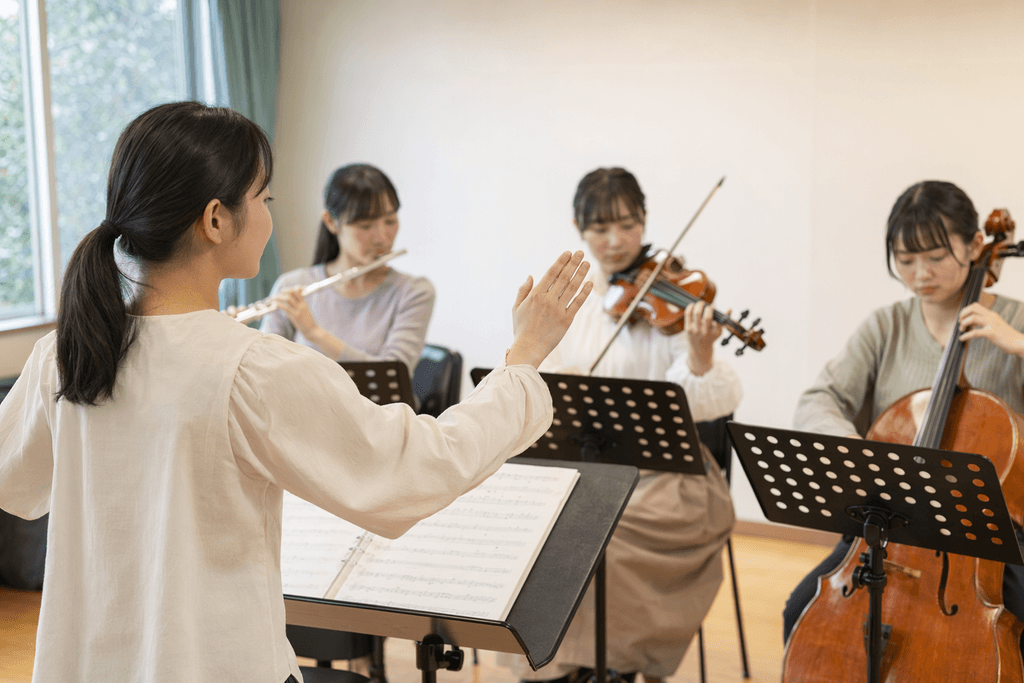
( romanization )
合う
cocok / pas
合う
cocok / pas
Explanation
合う
cocok / pas
合う
sesuai / pas / sepakat

Word Forms
The basic and commonly used forms of this verb.
Basic forms
| Form | Word form | Usage |
|---|---|---|
| Imperfective form (mizenkei) |
Alternative:
合お
|
Connects to endings such as nai, reru, and seru. |
| Continuative form (renyokei) | Connects to endings such as masu, tai, and ta. | |
| Conclusive form (shushikei) | Ends a sentence and serves as the dictionary form. | |
| Attributive form (rentaikei) | Modifies a noun. | |
| Conditional form (kateikei) | Combines with ba to express a condition. | |
| Imperative form (meireikei) | Expresses a command or instruction. |
Common forms
もし
jika
もし
jika
Explanation
jika
もし
jika / seandainya / apabila

( romanization )
布団
kasur futon
布団
kasur futon
Explanation
布団
kasur futon
布団
kasur tipis Jepang yang digelar di lantai / perlengkapan tidur tradisional Jepang (kasur dan selimut)

Loading...

JLPT N4 多言語単語帳・631語 / JLPT N4 Multilingual Vocabulary: 631 Words

Jonathan Waller 氏の JLPT Resources の語彙リスト・レベル分類を出典とし、CC BY の条件に従って DiQt が初級向けに意味を作り直した631語の単語帳です。JLPT公式の語彙リストではありません。
This collection of 631 words is based on the vocabulary list and level classifications in Jonathan Waller’s JLPT Resources under CC BY, with meanings rewritten by DiQt for beginners. It is not an official JLPT vocabulary list.
Key Operations
Select the first quiz:
Ctrl + Enter
View Explanation:Ctrl + G
Close a feedback:Esc
When selecting a quiz
Answer:Enter
Select a choice:↓ or ↑
Reading out the question:Ctrl + K
View Hint: Ctrl + M
I don't know: Ctrl + Y



