
JLPT N4: Latihan arti kata - Unsolved

Pelajari arti 631 kata JLPT N4 dalam bahasa Indonesia melalui soal dengan empat pilihan jawaban.
-
novel
-
bandara
-
internasional
-
menegakkan
-
melakukan
-
berlanjut
- 「頂く」は五段活用(カ行)。謙譲語として「もらう」「食べる・飲む」の意味で用いられるほか、「頭上に載せる」の意味でも用いられる。
- 表記の異形として「戴く」がある。
-
selai
-
tipe / gaya
-
poin / titik
-
festival
-
garis
-
pom bensin
-
menikmati bunga sakura
-
masyarakat
-
poin / titik
-
menjemput / menyambut
-
mengantarkan
-
merencanakan
-
melaksanakan
-
menyentuh
-
menurun
-
menjadi kotor
-
mengubah
-
mencuri
- 「取り換える」は表記違い。
-
sepenuhnya
-
tempo hari
-
semakin banyak
-
paling
-
pasti
-
sebentar lagi
赤ん坊
bayi
赤ん坊
bayi
Explanation
赤ん坊
bayi
赤ん坊
bayi / orok (bayi baru lahir)

( Base form )
( romanization )
( romanization )
( hiragana historical )
( hiragana )
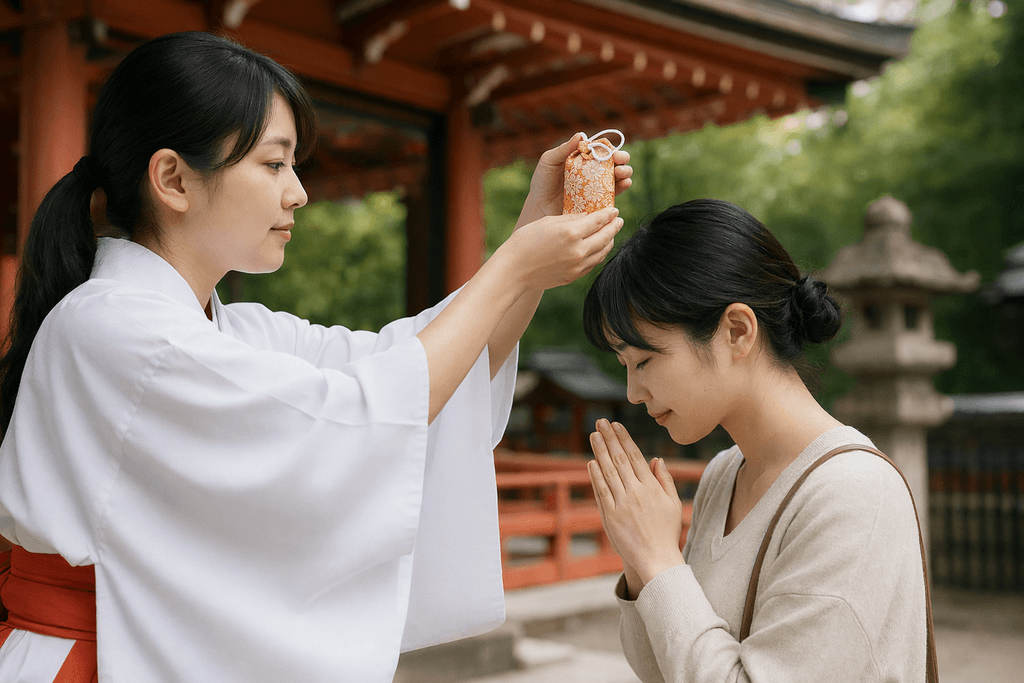
頂く
menerima / makan
頂く
menerima / makan
Explanation
頂く
menerima / makan
頂く
meletakkan di atas kepala / menerima (rendah hati) / makan atau minum (rendah hati)
Word Forms
The basic and commonly used forms of this verb.
Basic forms
| Form | Word form | Usage |
|---|---|---|
| Imperfective form (mizenkei) |
Alternative:
戴か
頂こ
戴こ
|
Connects to endings such as nai, reru, and seru. |
| Continuative form (renyokei) |
Alternative:
戴き
|
Connects to endings such as masu, tai, and ta. |
| Conclusive form (shushikei) |
Alternative:
戴く
|
Ends a sentence and serves as the dictionary form. |
| Attributive form (rentaikei) |
Alternative:
戴く
|
Modifies a noun. |
| Conditional form (kateikei) |
Alternative:
戴け
|
Combines with ba to express a condition. |
| Imperative form (meireikei) |
Alternative:
戴け
|
Expresses a command or instruction. |
Common forms
| Form | Word form | Usage |
|---|---|---|
| Te-form |
Alternative:
戴いて
|
Connects clauses with te. |
| Ta-form |
Alternative:
戴いた
|
Expresses the past with ta. |
| Nai-form |
Alternative:
戴かない
|
Expresses negation with nai. |
| Masu-form |
Alternative:
戴きます
|
Used for polite speech. |
| Ba-form |
Alternative:
戴けば
|
Expresses a condition with ba. |
| Volitional form |
Alternative:
戴こう
|
Expresses intention or invitation. |
Notes
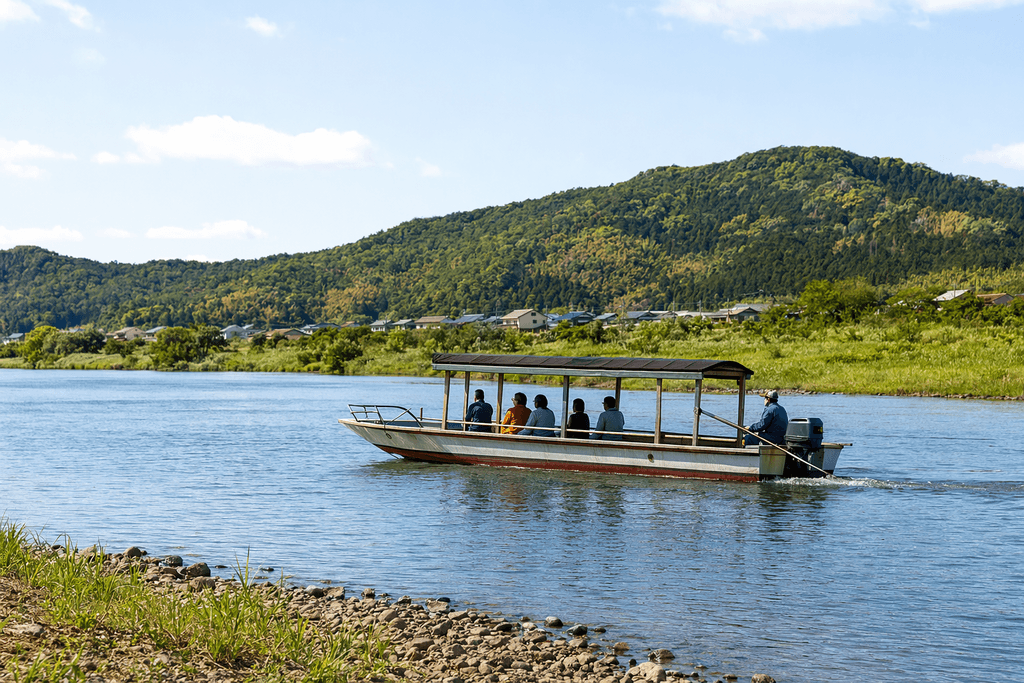
船
kapal
船
kapal
Explanation
船
kapal
船
kapal / kapal besar / kapal laut
( romanization )
( hiragana )
入院
rawat inap
入院
rawat inap
Explanation
入院
rawat inap
入院
rawat inap / masuk rumah sakit / perawatan di rumah sakit

( Base form )
( romanization )
( romanization )
( hiragana historical )
( hiragana )
運動
olahraga
運動
olahraga
Explanation
運動
olahraga
運動
olahraga; latihan fisik / gerakan; kampanye (politik) / gerak (fisika)

( Base form )
( romanization )
( hiragana )
手伝う
membantu
手伝う
membantu
Explanation
手伝う
membantu
手伝う
membantu / menolong / menyokong

Word Forms
The basic and commonly used forms of this verb.
Basic forms
| Form | Word form | Usage |
|---|---|---|
| Imperfective form (mizenkei) |
Alternative:
手伝お
|
Connects to endings such as nai, reru, and seru. |
| Continuative form (renyokei) | Connects to endings such as masu, tai, and ta. | |
| Conclusive form (shushikei) | Ends a sentence and serves as the dictionary form. | |
| Attributive form (rentaikei) | Modifies a noun. | |
| Conditional form (kateikei) | Combines with ba to express a condition. | |
| Imperative form (meireikei) | Expresses a command or instruction. |
Common forms
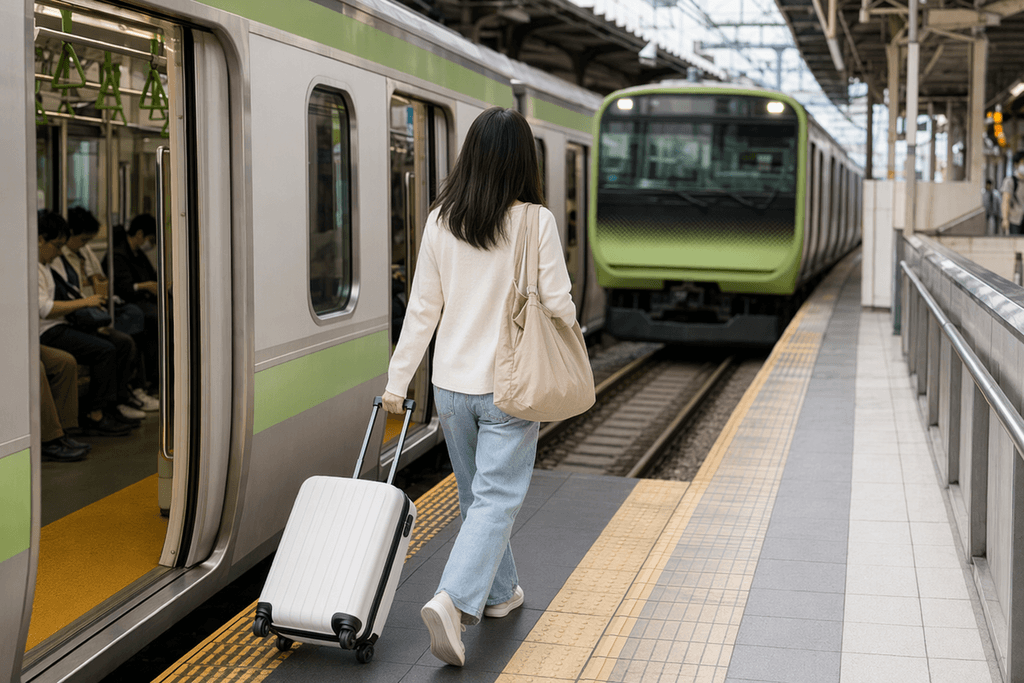
乗り換える
berganti kendaraan
乗り換える
berganti kendaraan
Explanation
乗り換える
berganti kendaraan
乗り換える
pindah kereta / berganti kendaraan / transit antar moda
Word Forms
The basic and commonly used forms of this verb.
Basic forms
| Form | Word form | Usage |
|---|---|---|
| Imperfective form (mizenkei) | Connects to endings such as nai, reru, and seru. | |
| Continuative form (renyokei) | Connects to endings such as masu, tai, and ta. | |
| Conclusive form (shushikei) | Ends a sentence and serves as the dictionary form. | |
| Attributive form (rentaikei) | Modifies a noun. | |
| Conditional form (kateikei) | Combines with ba to express a condition. | |
| Imperative form (meireikei) |
Alternative:
乗り換えよ
|
Expresses a command or instruction. |
Common forms
取り替える
mengganti
取り替える
mengganti
Explanation
取り替える
mengganti
取り替える
menukar / mengganti
Word Forms
The basic and commonly used forms of this verb.
Basic forms
| Form | Word form | Usage |
|---|---|---|
| Imperfective form (mizenkei) |
Alternative:
取り換え
|
Connects to endings such as nai, reru, and seru. |
| Continuative form (renyokei) |
Alternative:
取り換え
|
Connects to endings such as masu, tai, and ta. |
| Conclusive form (shushikei) |
Alternative:
取り換える
|
Ends a sentence and serves as the dictionary form. |
| Attributive form (rentaikei) |
Alternative:
取り換える
|
Modifies a noun. |
| Conditional form (kateikei) |
Alternative:
取り換えれ
|
Combines with ba to express a condition. |
| Imperative form (meireikei) |
Alternative:
取り替えよ
取り換えろ
取り換えよ
|
Expresses a command or instruction. |
Common forms
| Form | Word form | Usage |
|---|---|---|
| Te-form |
Alternative:
取り換えて
|
Connects clauses with te. |
| Ta-form |
Alternative:
取り換えた
|
Expresses the past with ta. |
| Nai-form |
Alternative:
取り換えない
|
Expresses negation with nai. |
| Masu-form |
Alternative:
取り換えます
|
Used for polite speech. |
| Ba-form |
Alternative:
取り換えれば
|
Expresses a condition with ba. |
| Volitional form |
Alternative:
取り換えよう
|
Expresses intention or invitation. |
Notes
とうとう
akhirnya
とうとう
akhirnya
Explanation
akhirnya
とうとう
akhirnya / pada akhirnya / akhirnya juga
( romanization )
さっき
barusan
さっき
barusan
Explanation
barusan
さっき
barusan / tadi / beberapa saat yang lalu

( romanization )
Loading...

JLPT N4 多言語単語帳・631語 / JLPT N4 Multilingual Vocabulary: 631 Words

Jonathan Waller 氏の JLPT Resources の語彙リスト・レベル分類を出典とし、CC BY の条件に従って DiQt が初級向けに意味を作り直した631語の単語帳です。JLPT公式の語彙リストではありません。
This collection of 631 words is based on the vocabulary list and level classifications in Jonathan Waller’s JLPT Resources under CC BY, with meanings rewritten by DiQt for beginners. It is not an official JLPT vocabulary list.
Key Operations
Select the first quiz:
Ctrl + Enter
View Explanation:Ctrl + G
Close a feedback:Esc
When selecting a quiz
Answer:Enter
Select a choice:↓ or ↑
Reading out the question:Ctrl + K
View Hint: Ctrl + M
I don't know: Ctrl + Y



