
JLPT N5: Significados das palavras - Unsolved

Aprenda em português os significados de 665 palavras do JLPT N5 com questões de quatro alternativas.
-
câmera
-
sapatos
-
estação
-
inglês
-
vinte anos de idade
-
banheiro
-
caixa
-
gato
-
dois
-
famoso
-
resistente / saudável
-
silencioso
- 「真っ直ぐに」のほか、副詞的に「真っ直ぐ行く」のように助詞なしでも用いられます。
- 表記ゆれとして「まっすぐ」も一般的です。
-
dente
-
trabalho
-
barriga
-
gravador de fita
-
caneta esferográfica
-
um
-
casamento
-
fora
-
livro
-
fazer
-
telefonar
-
voar
-
em frente
-
gostar
-
habilidoso
- 「嫌い」はナ形容詞(形容動詞)として「嫌いだ」「嫌いな」の形をとる。
- 接尾的に用いられる場合は連濁して「〜嫌い(〜ぎらい)」となることがある。
- 「嫌いの」は「食べ物の好き嫌いの」など名詞的用法で見られる連体用法。
-
número
-
azul
-
arroz cozido / refeição
切符
bilhete
切符
bilhete
Explanation
切符
bilhete
切符
bilhete / passagem / ticket

( Base form )
( romanization )
( hiragana )
( Base form )
( romanization )
ストーブ
aquecedor
ストーブ
aquecedor
Explanation
aquecedor
ストーブ
aquecedor de ambiente / fogão a lenha

( romanization )
右
direita
右
direita
Explanation
右
direita
右
direita / trecho acima; precedente / direita política; direitista
( romanization )
( hiragana )
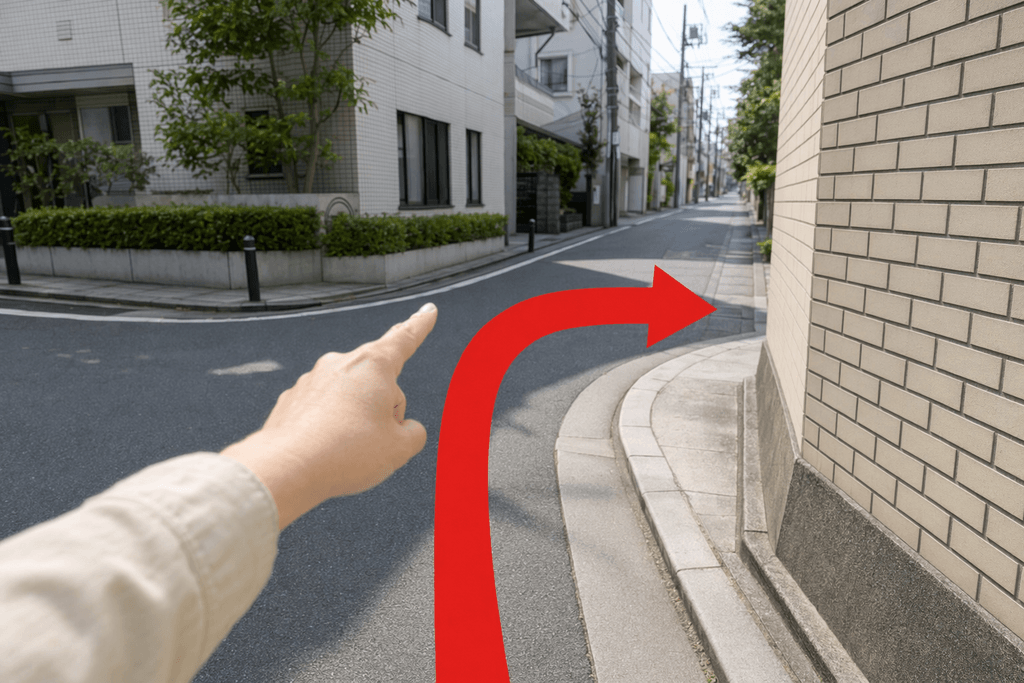
真っ直ぐ
em frente
真っ直ぐ
em frente
Explanation
真っ直ぐ
em frente
真っ直ぐ
reto / direto / honesto

Word Forms
The basic and commonly used forms of this adjectival noun.
Basic forms
| Form | Word form | Usage |
|---|---|---|
| Imperfective form (mizenkei) | Used in forms such as darou. | |
| Continuative form (renyokei) |
Alternative:
真っ直ぐに
真っ直ぐだっ
|
Used with de or ni. |
| Conclusive form (shushikei) | Ends a sentence with da. | |
| Attributive form (rentaikei) |
Alternative:
真っ直ぐなる
|
Modifies a noun with na. |
| Conditional form (kateikei) |
Alternative:
真っ直ぐならば
|
Expresses a condition with nara. |
| Imperative form (meireikei) | Used in formal expressions such as de are. |
Common forms
| Form | Word form | Usage |
|---|---|---|
| Te-form equivalent | Connects clauses using de. | |
| Ta-form | Expresses the past with datta. | |
| Nai-form |
Alternative:
真っ直ぐじゃない
|
Expresses negation with dewa nai or ja nai. |
| Desu-form | Used for polite speech. |
Notes
家庭
lar
家庭
lar
Explanation
家庭
lar
家庭
família / lar / casa

( Base form )
( romanization )
( hiragana )
黄色
amarelo
黄色
amarelo
Explanation
黄色
amarelo
黄色
amarelo / cor amarela

( Base form )
( romanization )
( kyūjitai )
( hiragana )
兄
irmão mais velho
兄
irmão mais velho
Explanation
兄
irmão mais velho
兄
irmão mais velho / irmão mais velho de alguém / irmão mais velho (forma respeitosa/familiar)

( romanization )
( hiragana )
使う
usar
使う
usar
Explanation
使う
usar
使う
usar / empregar / utilizar

Word Forms
The basic and commonly used forms of this verb.
Basic forms
| Form | Word form | Usage |
|---|---|---|
| Imperfective form (mizenkei) |
Alternative:
使お
|
Connects to endings such as nai, reru, and seru. |
| Continuative form (renyokei) | Connects to endings such as masu, tai, and ta. | |
| Conclusive form (shushikei) | Ends a sentence and serves as the dictionary form. | |
| Attributive form (rentaikei) | Modifies a noun. | |
| Conditional form (kateikei) | Combines with ba to express a condition. | |
| Imperative form (meireikei) | Expresses a command or instruction. |
Common forms
嫌い
não gostar
嫌い
não gostar
Explanation
嫌い
não gostar
嫌い
detestável; odioso; desagradável / criterioso; de gosto apurado

Word Forms
The basic and commonly used forms of this adjectival noun.
Basic forms
| Form | Word form | Usage |
|---|---|---|
| Imperfective form (mizenkei) | Used in forms such as darou. | |
| Continuative form (renyokei) |
Alternative:
嫌いに
嫌いだっ
|
Used with de or ni. |
| Conclusive form (shushikei) | Ends a sentence with da. | |
| Attributive form (rentaikei) |
Alternative:
嫌いの
|
Modifies a noun with na. |
| Conditional form (kateikei) |
Alternative:
嫌いであれば
|
Expresses a condition with nara. |
| Imperative form (meireikei) | Used in formal expressions such as de are. |
Common forms
| Form | Word form | Usage |
|---|---|---|
| Te-form equivalent | Connects clauses using de. | |
| Ta-form |
Alternative:
嫌いでした
|
Expresses the past with datta. |
| Nai-form |
Alternative:
嫌いじゃない
|
Expresses negation with dewa nai or ja nai. |
| Desu-form | Used for polite speech. |
Notes
奥さん
esposa
奥さん
esposa
Explanation
奥さん
esposa
奥さん
esposa de outra pessoa; senhora casada / senhora; madame / dona; proprietária feminina

( Base form )
( romanization )
Loading...

JLPT N5 多言語単語帳・665語 / JLPT N5 Multilingual Vocabulary: 665 Words

Jonathan Waller 氏の JLPT Resources の語彙リスト・レベル分類を出典とし、CC BY の条件に従って DiQt が初級向けに意味を作り直した665語の単語帳です。JLPT公式の語彙リストではありません。
This collection of 665 words is based on the vocabulary list and level classifications in Jonathan Waller’s JLPT Resources under CC BY, with meanings rewritten by DiQt for beginners. It is not an official JLPT vocabulary list.
Key Operations
Select the first quiz:
Ctrl + Enter
View Explanation:Ctrl + G
Close a feedback:Esc
When selecting a quiz
Answer:Enter
Select a choice:↓ or ↑
Reading out the question:Ctrl + K
View Hint: Ctrl + M
I don't know: Ctrl + Y



